


 미리보기
미리보기
 공유하기
공유하기 공유하기
공유하기
 상세 정보
상세 정보 가이드 보기

 다운로드
다운로드
 유사 작품
유사 작품 X-레이
X-레이 슬라이드 쇼
 통계 정보
통계 정보Christ before Pilate
 Acrylic On Canvas
- WallArt
- Dutch Golden Age
 1649
1649 216.0 x 174.0 cm
 미술관
미술관
 더 보기
더 보기
수제 유화 복제품
원하는 크기와 액자로 주문 제작되는, 작가들이 직접 캔버스에 손으로 그린 유화 작품입니다. ( 프린트 판매로 전환 디지털 이미지로 전환)




P118B $10

P118H $10

P118W $10

P438Z $10

P508JH $12

P508YH $12

P805H $10

P805Z $10

P919BZ $10

P919G $10

P919XJ $10

P959ZH $10

P968JZ $12

W106C $8

W218G $10

W218JH $8

W218Y $10

W307PJ $10

W316G $10

W316PJ $8

W316Y $10

W398PJ $8

W4111J $10

W500HY $15

W500JH $15

W692G $12

W849H $8

W940BG $15

W953PJ $8




작품의 원본 비율을 유지하는 미리 설정된 크기 중에서 선택하세요.

특정 프레임이나 공간에 맞도록 직접 크기를 입력할 수 있습니다. 선택하신 크기가 원본 이미지의 비율과 일치하지 않는 경우, 작품을 자르거나 추가적인 손으로 그린 요소를 사용하여 그림을 확장합니다. 제작 시작 전 승인을 위해 디지털 목업을 보내드립니다.
화면 미리 보기는 실제 자르기 또는 확장을 반영하지 않습니다. 최종 구성은 목업을 통해서만 정확하게 확인하실 수 있습니다.
맞춤 크기 제작도 가능하지만, 원본 비율을 유지하기 위해 사전 정의된 목록에서 크기를 선택하시는 것을 권장합니다.
주문 후 ArtsDot.com 팀에서 상세 안내를 위해 고객님께 이메일을 보내드리며, 미리보기 시안을 제공해 드립니다.


 유리 옵션은 110cm 미만 크기에서만 선택 가능합니다.

Christ before Pilate
재현 기법
복제본 크기
-


최종 결제 금액
$ 263
The Weight of Judgment: Nicolaes Maes’s ‘Christ Before Pilate’
Nicolaes Maes's “Christ Before Pilate,” painted in 1649-50, isn’t merely a depiction of a biblical scene; it’s a masterclass in conveying psychological drama and the unsettling ambiguity of power. The painting immediately commands attention with its monumental scale – measuring an impressive 216 x 174 cm – drawing the viewer into a meticulously rendered tableau of apprehension and moral conflict. Maes, deeply influenced by Rembrandt's pioneering use of *chiaroscuro*, employs a dramatic interplay of light and shadow to sculpt the figures, creating a palpable sense of unease that permeates the entire composition. The muted palette, dominated by deep blues, browns, and ochres, contributes to this atmosphere of somber contemplation, while strategically placed highlights draw focus to key elements – Christ’s outstretched hands, Pilate's hesitant gaze, and the faces of the onlookers, each reflecting a complex blend of fear, curiosity, and indifference.
- Rembrandt’s Shadow: Maes’s apprenticeship under Rembrandt is undeniably evident. The masterful use of light to define form and create depth echoes Rembrandt's signature style, yet “Christ Before Pilate” possesses a distinctly more intimate and emotionally charged quality than many of the artist’s larger historical scenes.
- The Human Scale: Unlike the grand, theatrical compositions favored by some of his contemporaries, Maes presents this pivotal moment in Christian history with an almost unsettling sense of immediacy. The figures are rendered with remarkable realism, their faces etched with emotion and vulnerability – a deliberate choice that forces the viewer to confront the human cost of judgment.
- Compositional Tension: The arrangement of figures is carefully orchestrated to heighten the drama. Christ, positioned centrally, becomes the focal point of attention, while Pilate’s posture—a mixture of reluctance and resignation—suggests a profound internal struggle. The surrounding crowd, rendered in varying degrees of detail, represents the collective conscience of Jerusalem, caught between loyalty to Roman authority and compassion for the accused.
A Window into 17th-Century Dutch Society
“Christ Before Pilate” offers a fascinating glimpse into the social and religious landscape of 17th-century Holland. The painting reflects the burgeoning interest in biblical narratives within a society grappling with questions of morality, justice, and faith. The inclusion of details like the bowl and cup – symbols of earthly sustenance and ritual – subtly underscores the contrast between the spiritual significance of Christ’s sacrifice and the mundane realities of daily life. Furthermore, the presence of several onlookers—a soldier, a scribe, and a group of citizens—reflects the diverse social strata of Jerusalem at the time, highlighting the universal nature of human judgment and its potential for both righteousness and injustice.
Historical Context:Painted during a period of intense religious debate and political upheaval in Europe, “Christ Before Pilate” speaks to broader anxieties about authority, faith, and the role of the individual. The painting’s enduring appeal lies in its ability to resonate with viewers across centuries, prompting reflection on timeless questions of morality and responsibility.
Symbolism and Emotional Resonance
Beyond its historical context, “Christ Before Pilate” is rich in symbolic meaning. Christ's outstretched hands represent humility, sacrifice, and the acceptance of his fate. Pilate’s hesitant gaze embodies doubt, uncertainty, and the burden of leadership—a recognition that even those entrusted with power are not immune to moral dilemmas. The faces of the onlookers convey a spectrum of emotions – fear, indifference, curiosity, and perhaps even a flicker of hope – reflecting the complex human response to injustice. The painting’s overall effect is profoundly moving, evoking a sense of empathy for both Christ and Pilate, and prompting viewers to contemplate their own roles in the ongoing drama of human judgment.
Bringing ‘Christ Before Pilate’ into Your Space
Reproductions of Nicolaes Maes's “Christ Before Pilate” offer a remarkable opportunity to bring this powerful work of art into your home or office. Available in a range of sizes and framing options, our high-quality reproductions faithfully capture the painting’s dramatic intensity and nuanced details. Whether you are an art collector, an interior designer seeking to create a contemplative atmosphere, or simply someone who appreciates the beauty and emotional depth of classic art, a reproduction of “Christ Before Pilate” is sure to be a treasured addition to your collection. Consider pairing it with complementary colors and textures to enhance its impact – deep blues and browns will evoke the painting’s somber mood, while warm earth tones can create a sense of grounding and stability.
유사한 작품들


작가 약력
황금 시대 네덜란드의 빛과 그림자 속의 삶
니콜라스 마에스(Nicolaes Maes)라는 이름은 네덜란드 황금 시대 거장들의 대열에서 은은하게 울려 퍼지는 이름입니다. 1634년 1월 도르트레흐트에서 번성하는 상업과 예술적 열기로 가득 찬 세상에 태어난 그는 성공적인 직물 상인이자 비누 제조업자인 게리트 마에스(Gerrit Maes)의 아들로, 편안한 환경 속에서 그림 재능을 키울 수 있었습니다. 초기에는 지역 화가에게서 미미한 수준의 지도를 받았지만, 1648년경 암스테르담으로 떠나 렘브란트 반 레인(Rembrandt van Rijn)의 작업실에 들어선 것이 그의 발전에 결정적인 순간이었습니다. 이 도제 생활은 빛과 그림자의 극적인 상호 작용 – *키아로스쿠로* – 와 초기 작품을 정의했던 뛰어난 색채 감각을 불어넣었습니다. 렘브란트의 영향력은 너무나 강렬해서 초기 그림들, 특히 생생한 색조와 풍부한 색감으로 표현된 성경 장면들은 종종 렘브란트의 작품으로 오인되기도 했습니다. 이 형성 기간은 기술적 탁월함과 인간 감정에 대한 깊은 이해를 특징으로 하는 그의 경력 기반을 마련했습니다.렘브란트의 그림자에서 독립적인 비전으로
1654년 도르트레흐트로 돌아온 마에스는 자신의 예술적 길을 개척하기 시작하며 전 직사후배의 직접적인 모방에서 점차 거리를 두었습니다. 이후 십 년 동안은 규모가 더 작은 가정 장르 장면으로 방향을 전환했지만, 렘브란트에게서 흡수한 생생한 색채 감각은 유지했습니다. 그는 네덜란드 시민들의 일상생활에 예리한 시선을 돌려 여성들이 실을 짜고, 성경을 읽고, 식사를 준비하는 등의 평범한 활동을 놀라운 세부 사항과 섬세함으로 묘사했습니다. 특히 레이스 뜨개질에 대한 특별한 매혹이 나타나 이 주제를 수많은 변주곡으로 발전시켰는데, 각각 마에스의 세심한 관찰력과 기술을 증명합니다. 이러한 그림들은 단순한 일상생활의 묘사가 아니었습니다. 그것은 17세기 네덜란드 사회의 구조 속에 짜여진 조용한 존엄성과 미묘한 이야기를 드러내는 창문이었습니다. 이 시기의 작품은 사람들이 *무엇*을 했는지 뿐만 아니라 *어떻게* 느꼈는지를 포착하는 능력을 보여줍니다.암스테르담의 초상화가
1673년, 마에스는 암스테르담으로 이주했는데, 이는 예술적 야망과 변화하는 미술 시장에 대한 현명한 적응을 의미했습니다. 영국 및 프랑스와의 전쟁의 영향을 받은 도시는 초상화에 대한 수요가 증가하고 있었고, 마에스는 빠르게 주요 실천가 중 한 명으로 자리 잡았습니다. 그는 이전의 장르 작업을 대부분 포기하고 암스테르담의 저명한 시민들의 모습을 담는 데 집중했습니다. 그의 초상화는 세련된 우아함과 심리적 통찰력으로 특징지어지며, 단순히 외모뿐만 아니라 성격과 사회적 지위도 드러냅니다. “암스테르담 상인 및 선박 소유주 게라르트 뢰버(Gerard Röver)의 초상화”와 같은 작품은 부와 시민 자부심을 품위 있게 표현한 그의 기술을 예시합니다. 그는 직물의 품질, 의복의 재단, 앉은 사람들의 자신감 있는 자세 등 미묘한 세부 사항을 통해 지위를 전달하는 데 능숙했습니다. 이 시기는 이전의 따뜻함과 친밀함에서 벗어나 더욱 세련되고 정교한 미학으로 전환되는 중요한 스타일 변화를 나타냈습니다.유산과 지속적인 매력
니콜라스 마에스는 1693년 12월 암스테르담에서 세상을 떠났고, 오늘날에도 계속해서 관객을 사로잡는 상당한 작품 세계를 남겼습니다. 그의 그림은 네덜란드 황금 시대의 사회적 관습, 가정 내부 및 심리적 복잡성에 대한 귀중한 통찰력을 제공합니다. 초기 작품에는 렘브란트의 영향이 분명히 나타나지만, 마에스는 결국 세심한 디테일, 생생한 색상 팔레트, 인간 성격에 대한 섬세한 묘화로 특징지어지는 독특한 스타일을 발전시켰습니다. 일상적인 장면과 개인을 예술적 중요성으로 끌어올리는 그의 능력은 그를 시대의 가장 중요한 화가 중 한 명으로 자리매김했습니다. 오늘날 그의 그림은 암스테르담 국립 박물관(Rijksmuseum), 런던 국립 미술관(National Gallery), 워싱턴 D.C. 국립 미술관(National Gallery of Art)을 포함한 세계 유수의 컬렉션에 소장되어 있으며, ArtsDot.com과 같은 플랫폼을 통해 연구와 감상을 위한 접근성을 제공하여 이 뛰어난 네덜란드 화가의 유산이 미래 세대까지 지속되도록 보장합니다.그의 작품의 주요 특징
- 렘브란트 영향: 초기 작품에는 특히 키아로스쿠로 사용과 풍부한 색상 팔레트에서 렘브란트 반 레인의 강한 영향을 보여줍니다.
- 장르 장면: 마에스는 일상생활의 친밀한 묘사, 특히 가정 내부 및 실 짜기, 읽기, 레이스 뜨개질과 같은 활동으로 유명합니다.
- 초상화 기교: 그는 암스테르담에서 주요 초상화가로 명성을 얻었으며, 정밀함과 우아함을 갖춘 앉은 사람들의 모습과 성격을 포착하는 것으로 알려져 있습니다.
- 세부 관찰: 그의 그림은 질감, 직물 및 표정의 묘사에 대한 세심한 주의를 특징으로 합니다.
- 심리적 통찰력: 마에스는 미묘한 몸짓과 표현을 통해 피사체의 내면 생활과 감정을 전달하는 놀라운 능력을 가지고 있었습니다.

니콜라스 마에스
1634 - 1693 , 네덜란드
주요 정보
- Artistic Movement Or Style: 바로크, 네덜란드 황금기
- Artists Or Movements Influenced By This Artist: ['네덜란드 풍경화가']
- Artists Who Influenced This Artist: ['렘브란트 반 레인']
- Date Of Birth: 1634년 1월
- Date Of Death: 1693년 12월
- Full Name: 니콜라스 마에스
- Nationality: 네덜란드인
- Notable Artworks:
- The Reverie
- Card Players
- Catharina Pottey
- Gerard Röver
- Portrait of a Woman
- Place Of Birth (City And Country): 네덜란드 도르드레흐트
관련 기사 더 보기

Golden Age Reflections: Dutch Baroque Painting & Cultural Innovation
Explore the Dutch Golden Age of painting! Discover key artists like Vermeer & ter Borch, their innovative techniques, and the rich cultural context behind these Baroque masterpieces. Learn about collecting & appreciating this iconic art period.

Illuminating Realism: Exploring the Dutch Golden Age of Painting (1600-1700)
Explore the Dutch Golden Age of painting (1600-1700) with ArtsDot. Discover Rembrandt, Vermeer & other masters. Learn about techniques, history & find museum-quality reproductions.

네덜란드 황금 시대 예술의 정수를 담은 10대 걸작 탐구
렘브란트, 베르메르의 걸작부터 할스의 인물화까지! 네덜란드 황금시대 미술의 10대 명품을 만나보세요. 예술적 깊이와 아름다움을 담은 작품들을 ArtsDot에서 감상하고, 고품질 아트 프린트로 당신의 공간에 특별함을 더하세요. 지금 바로 ArtsDot.com에서 모든 걸작을 발견하세요!
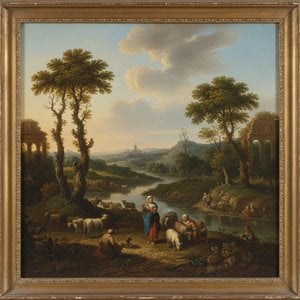
Nicolaes Berchem: Dutch Golden Age Pastoralism & the Evolution of Landscape Painting
Explore the captivating world of Nicolaes Berchem, a leading Dutch Golden Age painter. Discover his idyllic landscapes, masterful technique & lasting influence on art history. Learn more at ArtsDot.

Dutch Baroque Masters: 10 Paintings That Shaped an Era | ArtsDot
Journey through the Golden Age with our guide to the Top 10 Dutch Baroque masterpieces! Explore iconic paintings by Rembrandt, Vermeer & Frans Hals. Find museum-quality art reproductions and elevate your home decor at ArtsDot.com.