

 미리보기
미리보기
 공유하기
공유하기 공유하기
공유하기
 상세 정보
상세 정보

 다운로드
다운로드
 유사 작품
유사 작품 X-레이
X-레이 슬라이드 쇼
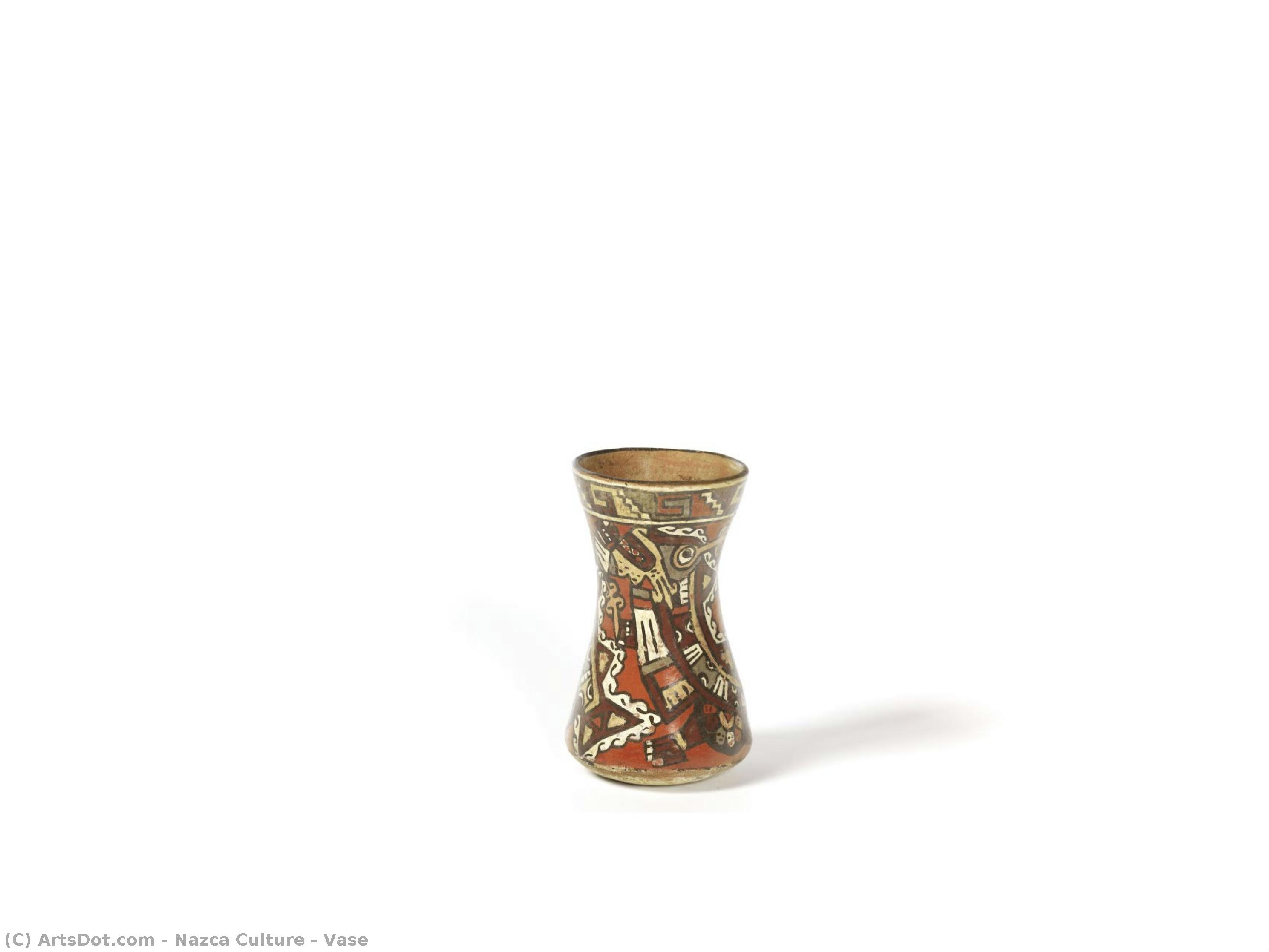
Vase


 더 보기
더 보기
지클레 / 아트 프린트
빠른 제작과 다양한 마감 옵션을 제공하는 박물관 품질의 지클레이 또는 캔버스 프린트. ( 손으로 그린 그림 구매 이미지 구매)




































작품의 원본 비율을 유지하는 미리 설정된 크기 중에서 선택하세요.

특정 프레임이나 공간에 맞춰 직접 치수를 입력하실 수 있습니다. 선택하신 사이즈가 원본 이미지의 비율과 일치하지 않을 경우, 작품을 크롭(자르기)하거나 이미지를 대칭 또는 단색 채우기로 확장하여 제작합니다. 제작 시작 전, 최종 확인을 위해 디지털 목업이 전송됩니다.
화면상의 미리보기는 실제 크롭이나 확장 상태를 반영하지 않으므로, 최종 구도는 오직 목업을 통해서만 정확하게 확인하실 수 있습니다.
맞춤 사이즈 제작도 가능하지만, 원본 비율을 유지하기 위해서는 사전 정의된 목록에서 치수를 선택하시는 것을 권장합니다.


 유리 옵션은 110cm 미만 크기에서만 선택 가능합니다.

Vase
지클레 / 아트 프린트
복제본 크기
-


최종 결제 금액
$ 62
유사한 작품들


작가 약력
The Enigmatic Legacy of the Nazca Culture
The Nazca culture, flourishing between 100 BC and 800 AD along the arid coast of Peru, remains one of the most enigmatic civilizations of pre-Columbian America. More than just artisans crafting beautiful ceramics and textiles—though they certainly excelled in these fields—the Nazca people possessed a profound understanding of astronomy and mathematics, reflected in their monumental geoglyphs – the Nazca Lines – which continue to fascinate scientists and historians alike. Their legacy speaks volumes about human creativity and adaptation to challenging environments.
Located in the Nazca Desert, a region characterized by extreme aridity and sparse vegetation, the Nazca culture developed in relative isolation from other Andean societies. Evidence suggests that they migrated from highland Peru around 100 BC, bringing with them agricultural knowledge—primarily maize cultivation—that allowed them to sustain a population of approximately 50,000 people. The desert landscape itself profoundly influenced their artistic expression and cosmology; the Nazca Lines are believed to align with celestial events like solstices and equinoxes, hinting at a sophisticated awareness of astronomical cycles.
Mastery of Earth and Pigment
Nazca ceramics stand out for their exceptional craftsmanship and stylistic diversity. Produced primarily from adobe clay sourced from alluvial deposits along the Rio Grande de Nazca valley, these vessels demonstrate remarkable skill in shaping, firing, and decorating surfaces. The artistry of this era is defined by a vibrant palette and a unique approach to form, where every piece serves as a vessel for both daily utility and sacred ritual.
The technical brilliance of their pottery is evident in several key areas:
- Vibrant Polychrome: The use of mineral pigments allowed for a stunning array of reds, yellows, blues, and blacks, creating high-contrast imagery that has survived centuries of desert erosion.
- Iconographic Richness: Surfaces were often adorned with stylized animals—particularly hummingbirds, lizards, and monkeys—alongside complex geometric patterns and anthropomorphic figures representing deities and rulers.
- Structural Innovation: Many pieces, such as the sculptural vase with bridge handle or the double neck vase, showcase advanced techniques in creating complex handles and structural balance.
A Civilization of Ingenuity
Beyond the visible beauty of their art, the Nazca people achieved feats of engineering that allowed life to thrive in one of the world's most inhospitable climates. Their mastery over water is perhaps as significant as their mastery over clay. Through the creation of puquios—sophisticated underground aqueducts—they managed to tap into subterranean aquifers, ensuring a steady water supply for their crops and communities despite the relentless drought of the Peruvian coast.
This profound connection between the earth, the water, and the heavens created a cohesive cultural identity. Whether through the massive geoglyphs etched into the desert floor or the delicate motifs painted onto a ceramic vase, the Nazca culture left an indelible mark on human history. Their work remains a testament to the ability of the human spirit to find beauty, order, and sustenance within the most challenging landscapes.

nazca culture
Peru
주요 정보
- Artistic Movement Or Style: Geoglyphs
- Artists Or Movements Influenced By This Artist: ['Paracas Culture']
- Full Name: Nazca Culture
- Nationality: Peruvian
- Notable Artworks: ['Nazca Lines']
- Place Of Birth: Peru
관련 기사 더 보기

The Alchemy of Clay: A Collector's Guide to the Mastery, Texture, and Timeless Form of Ceramic Art
Discover the profound beauty of ceramic art. Our expert guide explores the alchemy of clay, texture, and glaze, offering collectors deep insights into mastering earth and fire to create timeless, sculptural masterpieces for any curated collection.

기하학적 추상 미술을 정의한 명작 10가지 | ArtsDot.com
몬드리안, 말레비치 등 거장들의 기하학적 추상 미술 명작 10선을 만나보세요. 각 작품의 예술사적 의미와 색채, 구성을 탐구하고 ArtsDot.com에서 고품질 아트 프린트를 소장하세요. 지금 바로 온라인 컬렉션을 확인하세요!

The Enduring Appeal of Geometric Patterns in Art: A Historical & Contemporary Exploration
Explore the captivating history of geometric abstraction in art, from ancient roots to contemporary masters. Expert insights for collectors & enthusiasts. Discover key artists, movements & investment potential.
Geometric Design in Art: A Historical Survey & Contemporary Appeal for Collectors
Explore the enduring legacy of geometric abstraction! Discover key artists, historical movements & investment insights for discerning art collectors. Expert guidance from ArtsDot.

Beyond Form & Color: Geometric Abstraction's Evolution in 20th/21st Century Art
Explore the evolution of geometric abstraction from Cubism to contemporary art. Discover key artists like Malevich & Mondrian, investment insights, and expert collecting advice at ArtsDot.

