


 실제 크기로 보기
 보내기
보내기 공유하기
공유하기
 상세 보기
상세 보기 가이드 보기

 이미지 다운로드
 유사 작품 더 보기
 X-레이
X-레이 슬라이드 쇼 보기
 통계 정보
통계 정보Monkeys at Play
 Shijō School
 68.0 x 16.0 cm
 상세 보기
상세 보기
핸드메이드 유화 복제화
작가가 직접 캔버스에 손으로 그린 유화 작품으로, 원하는 크기와 액자로 맞춤 제작해 드립니다. ( 프린트 판매로 전환 디지털 이미지 판매 채널로 전환)




































작품의 원본 비율을 그대로 유지하는 프리셋 사이즈 중에서 선택해 보세요.

특정 프레임이나 공간에 맞춰 원하는 크기를 직접 입력하실 수 있습니다. 선택하신 크기가 원본 이미지의 비율과 일치하지 않을 경우, 작품을 자르거나 추가적인 수작업 요소를 더해 그림을 확장하여 제작합니다. 제작 시작 전, 최종 확인을 위해 디지털 목업을 보내드립니다.
화면상의 미리 보기는 실제 크롭(자르기)이나 확장된 상태를 완벽히 반영하지 않을 수 있습니다. 최종 구도는 오직 목업을 통해서만 정확하게 확인하실 수 있습니다.
맞춤 크기 제작도 가능하지만, 원본의 비율을 그대로 유지하기 위해서는 미리 정의된 목록에서 크기를 선택하시는 것을 권장합니다.
주문 완료 후 ArtsDot.com 팀에서 상세 안내를 위해 고객님께 이메일을 보내드리며, 미리보기 시안을 함께 제공해 드립니다.


 유리 옵션은 110cm 미만 크기에서만 선택 가능합니다.

Monkeys at Play
재현 매체
복제본 규격
-


총 결제 금액
$ 263
관련 작품들


작가 소개
Mori Sosen: Master of the Monkey and a Window into Edo Japan
Mori Sosen (森 狙仙, 1747 – August 18, 1821) stands as a pivotal figure in Japanese art history, particularly renowned for his captivating depictions of monkeys. Born during the late Edo period, he belonged to the esteemed Shijō school, a lineage deeply rooted in the traditions of Kano painting while simultaneously embracing innovative stylistic elements. His life and work offer a fascinating glimpse into the cultural landscape of 18th-century Japan – a time of relative peace, burgeoning trade, and evolving artistic sensibilities. While his origins remain somewhat shrouded in local lore, with speculation pointing to Osaka, Nagasaki, or Nishinomiya, Mori Sosen ultimately established himself as a prominent artist primarily based in Osaka, a thriving center for commerce and culture.
Sosen’s artistic journey began under the tutelage of Katsube Joshunsai, a leading figure within the Kano school. This foundational training instilled in him a deep understanding of traditional Japanese painting techniques – meticulous brushwork, vibrant colors derived from mineral pigments, and a focus on idealized representations of nature and subjects. However, Sosen’s artistic spirit quickly transcended mere imitation. He developed a distinctive style characterized by a remarkable sensitivity to detail, particularly when it came to capturing the nuanced expressions and behaviors of animals. This fascination with the natural world, especially monkeys, would become his defining characteristic.
The true brilliance of Mori Sosen’s oeuvre lies in his prolific and remarkably detailed portrayals of monkeys – specifically, the Japanese macaque (Macaca fuscata). These weren't simply depictions of animals; they were imbued with a profound sense of personality and observation. Robert van Gulik famously described Sosen as “an undisputed master” of this subject matter, recognizing his ability to capture not just their physical appearance but also their social dynamics, playful interactions, and individual quirks. His paintings are remarkably alive, conveying a sense of immediacy and spontaneity that sets them apart from earlier depictions of monkeys, which were often based on stylized Chinese precedents.
A particularly noteworthy event in Sosen’s career occurred in 1809 when a gibbon was introduced to Japan by Dutch traders. This marked the first time a live gibbon had been seen in Japan for centuries, and it sparked considerable excitement and curiosity among the populace. Mori Sosen seized this opportunity to create a graphic record of the event – a detailed illustration that served as an invaluable historical document. This achievement highlights not only his artistic skill but also his keen awareness of contemporary events and his willingness to engage with them through his art. It’s a testament to his role as both an artist and a cultural observer.
The Shijō School and Artistic Innovation
Mori Sosen's place within the Shijō school is crucial to understanding his artistic development. The Shijō school, emerging in the mid-18th century, represented a departure from the more rigid conventions of the Kano school. While retaining elements of traditional Japanese painting, the Shijō artists embraced greater freedom and experimentation, particularly in their depictions of animals. They were influenced by Western art, specifically European engravings, which provided them with new perspectives on composition, perspective, and detail.
Sosen skillfully integrated these influences into his own style while maintaining a distinctly Japanese sensibility. He was known for his meticulous attention to texture and surface quality, employing techniques such as sumi-ura (a technique of applying black ink to the edges of painted areas) to create a sense of depth and volume. His use of color was equally sophisticated, with a preference for subtle gradations and delicate washes. He also demonstrated an exceptional ability to capture the fleeting expressions and movements of his subjects – a hallmark of the Shijō school’s approach.
Furthermore, Sosen's work reflects a growing interest in *waka* poetry during this period. Many of his monkey paintings were inspired by these short, evocative poems, which often focused on themes of nature, beauty, and transience. This integration of poetry and painting was characteristic of the Shijō school’s artistic philosophy – a desire to create works that resonated with both visual and literary sensibilities.
Notable Works and Artistic Themes
Mori Sosen's oeuvre encompasses a wide range of subjects, including deer, boars, peafowl, and various landscapes. However, his monkey paintings remain his most celebrated achievements. His series of “Monkeys in…” compositions – "Monkeys in a Plum Tree," "Monkeys in a Persimmon Tree," "Monkeys Playing with a Crab," and “Monkeys in the Snow” – exemplify his mastery of capturing animal behavior and creating dynamic, engaging scenes. These works are not merely representations of animals; they are imbued with a sense of life and movement that is truly remarkable.
Beyond his depictions of monkeys, Sosen also produced several notable landscape paintings, often featuring elements such as waterfalls, pine trees, and blossoming cherry trees. These landscapes provide a contrasting backdrop to his animal subjects, highlighting the beauty and diversity of the Japanese natural world. His “Stag Amid Autumn Flowers” is particularly noteworthy for its masterful use of color and composition, creating a scene of serene beauty and quiet contemplation.
His painting "Graphic Record of the First Gibbon Imported to Japan" stands as a unique historical artifact, showcasing his artistic skill alongside his keen observational abilities. It’s a testament to his ability to capture a significant cultural moment through the medium of art.
Legacy and Historical Significance
Mori Sosen's influence on Japanese painting is undeniable. He helped to establish the Shijō school as a major force in the art world, and his innovative techniques and stylistic choices paved the way for subsequent generations of artists. His meticulous depictions of animals – particularly monkeys – set a new standard for artistic realism and observation.
Beyond his artistic achievements, Sosen’s work offers valuable insights into the cultural attitudes and beliefs of Edo-period Japan. His fascination with monkeys reflects a broader interest in the natural world and a growing appreciation for its beauty and complexity. His graphic record of the gibbon's arrival represents a pivotal moment in Japanese history – a symbol of cultural exchange and the introduction of new ideas and perspectives.
Today, Mori Sosen’s paintings are treasured works of art, admired for their technical skill, artistic sensitivity, and historical significance. They continue to captivate viewers with their vibrant colors, intricate details, and profound sense of life – a testament to the enduring legacy of this remarkable artist.

mori sosen
1747 - 1821
작가 정보 요약
- Artistic Movement Or Style: Shijō School
- Artists Or Movements Influenced By This Artist:
- Mori Yūsen
- Maruyama-Shijō style
- Artists Who Influenced This Artist: ['Maruyama Shijo']
- Date Of Birth: 1747
- Date Of Death: 1821
- Full Name: Mori Sosen
- Nationality: Japanese
- Notable Artworks:
- Monkeys in a plum tree
- Apes in a persimmon-tree
- Monkeys playing with a crab
- Monkeys in a blossoming cherry tree
- Monkeys in the pines
- Monkeys in the snow
- Graphic record of gibbon import
- Place Of Birth: Osaka, Japan
관련 기사

Ephemeral Expressions: Exploring the Nuances of Ink on Paper Through History & Contemporary Art
Explore the captivating world of ink wash painting – from its ancient origins to contemporary masters. Discover techniques, symbolism & conservation insights with ArtsDot.com.
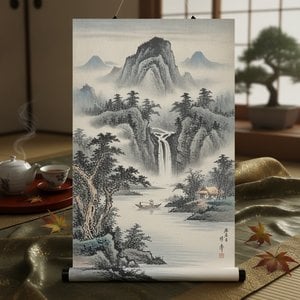
Serenity on Canvas: A Guide to the Timeless Beauty of Japanese Landscape Painting
Discover the serene beauty of Japanese landscape painting. From Hokusai's iconic woodblock prints to meditative sumi-e ink washes, explore a visual journey through the 'floating world' and learn how to bring this timeless Zen aesthetic into your modern home decor.

Ephemeral Lines: Exploring Emotional Resonance in Ink Sketching Traditions
Explore the profound art of ink sketching! Discover techniques to express emotion, master line work, and cultivate artistic sensitivity. Learn from historical masters & unlock your creative potential.

가츠시카 호쿠사이 최고 걸작 25선: 우키요에의 정수를 만나다 | ArtsDot
가츠시카 호쿠사이의 최고 걸작 25선을 만나보세요. 우키요에, 대판화 기법과 후지산 풍경의 아름다움을 담은 명작들을 감상하고, ArtsDot에서 고품질 아트 프린트와 인테리어 액자를 찾아보세요. 지금 바로 컬렉션을 탐험하세요!

The Beauty of Ink Wash: Discover Serene & Soulful Art for Your Home
Discover the tranquil beauty of ink wash painting. Explore how Sumi-e and monochrome landscapes bring Zen-inspired serenity and soulful elegance to your home decor through expert curation and timeless East Asian aesthetics.