

 미리보기
미리보기
 공유하기
공유하기 공유하기
공유하기
 상세 정보
상세 정보

 다운로드
다운로드
 유사 작품
유사 작품 X-레이
X-레이 슬라이드 쇼
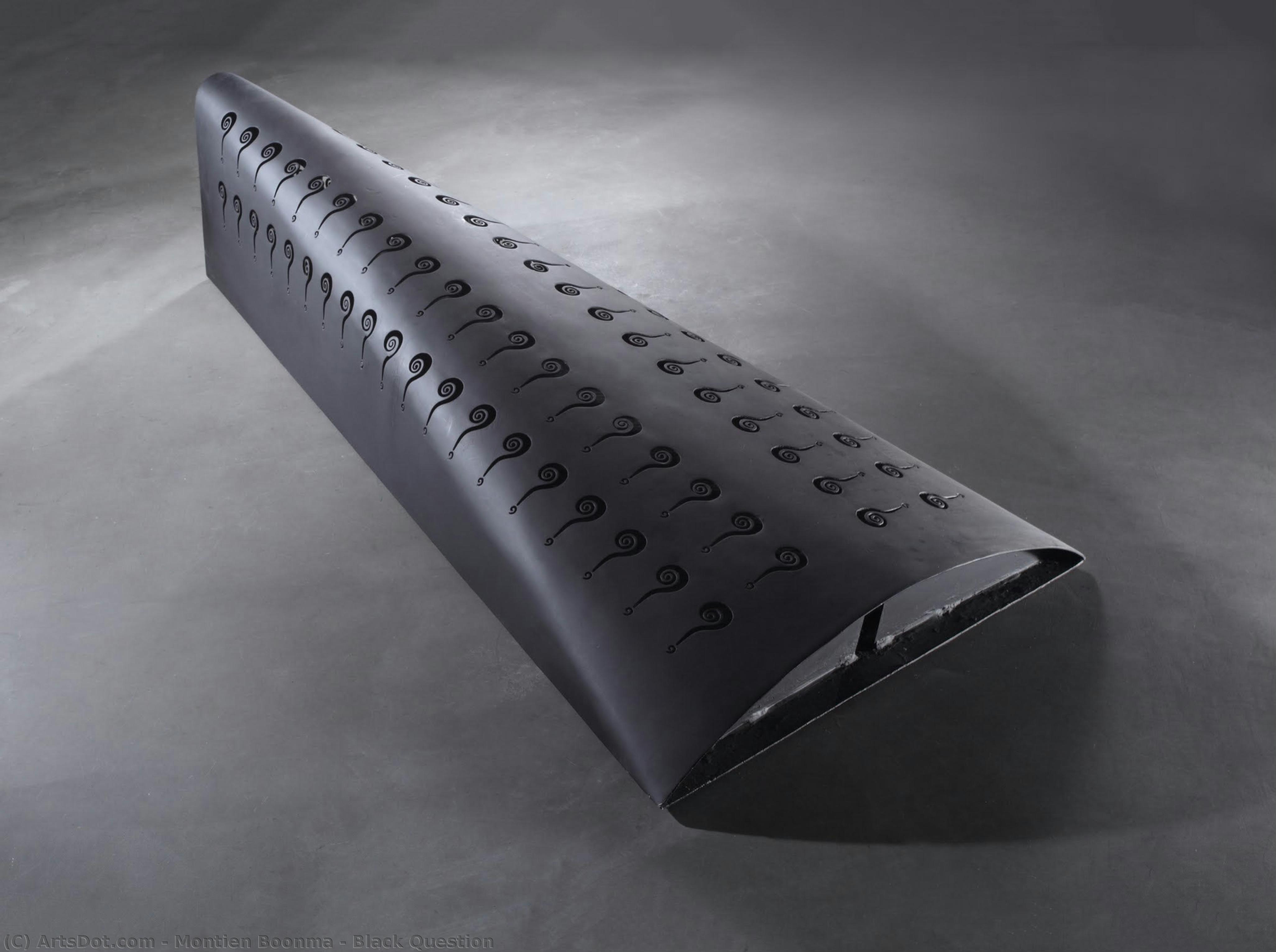
Black Question
 1994
1994 240.0 x 114.0 cm
 ILHAM Gallery
 더 보기
더 보기
지클레 / 아트 프린트
빠른 제작과 다양한 마감 옵션을 제공하는 박물관 품질의 지클레이 또는 캔버스 프린트. ( 손으로 그린 그림 구매 이미지 구매)




































작품의 원본 비율을 유지하는 미리 설정된 크기 중에서 선택하세요.

특정 프레임이나 공간에 맞춰 직접 치수를 입력하실 수 있습니다. 선택하신 사이즈가 원본 이미지의 비율과 일치하지 않을 경우, 작품을 크롭(자르기)하거나 이미지를 대칭 또는 단색 채우기로 확장하여 제작합니다. 제작 시작 전, 최종 확인을 위해 디지털 목업이 전송됩니다.
화면상의 미리보기는 실제 크롭이나 확장 상태를 반영하지 않으므로, 최종 구도는 오직 목업을 통해서만 정확하게 확인하실 수 있습니다.
맞춤 사이즈 제작도 가능하지만, 원본 비율을 유지하기 위해서는 사전 정의된 목록에서 치수를 선택하시는 것을 권장합니다.


 유리 옵션은 110cm 미만 크기에서만 선택 가능합니다.

Black Question
지클레 / 아트 프린트
복제본 크기
-


최종 결제 금액
$ 62
작품 상세 설명
작가 약력
Marlene Dumas: A Life Painted in Shadows and Echoes
Born in Cape Town, South Africa, in 1953, Marlene Dumas’s life has been a journey of profound displacement and relentless self-exploration. Her early years were shaped by the complexities of apartheid, an experience that would profoundly influence her artistic vision – not through overt political statements, but through a deeply felt interrogation of identity, representation, and the human condition. Moving to Amsterdam in 1976, she established herself as one of the most distinctive and challenging figures in contemporary art, forging a unique language characterized by its raw emotionality, fragmented narratives, and unsettling beauty.
Dumas’s artistic trajectory is rooted in a meticulous accumulation of source material. She doesn't begin with a preconceived image but rather gathers photographs – from newspapers, magazines, and personal collections – that resonate with her on an intuitive level. These images, often seemingly banal or forgotten, become the foundation for her paintings. She rarely directly copies them; instead, she transforms them through layers of paint, employing a distinctive technique involving scraping, sanding, and applying pigment with knives and brushes. This process creates a sense of distance and ambiguity, as if the original image is fading into memory, leaving behind only its emotional residue.
Her early work in the 1980s was largely defined by portraits – often of women – rendered in muted tones and unsettlingly vacant expressions. These weren’t idealized representations but rather explorations of vulnerability, loneliness, and the unspoken anxieties beneath the surface. Influenced by artists like Francis Bacon and Egon Schiele, Dumas masterfully captured a sense of psychological unease, suggesting narratives that were both deeply personal and universally resonant. The use of black and white, combined with subtle shifts in color, created an atmosphere of melancholy and introspection.
The Language of the Image
As her career progressed, Dumas’s subject matter expanded beyond portraiture to encompass a wider range of themes – landscapes, still lifes, and even fragments of text. However, she consistently returned to the power of the image itself, treating it as both a source of inspiration and a vehicle for exploring its inherent complexities. She frequently incorporates elements into her paintings—broken glass, earth, or other found objects—to disrupt the illusion of representation and remind the viewer that they are engaging with a constructed reality.
Her process is intensely physical and intuitive. Dumas describes it as a “dance” between herself, the image, and the paint. She doesn’t impose her will on the canvas but rather allows the materials to guide her, responding to the textures, colors, and rhythms of the paint itself. This collaborative approach results in paintings that are both meticulously crafted and profoundly spontaneous.
Key Works and Exhibitions
Throughout her career, Dumas has produced a vast body of work, including iconic paintings such as *Self-Portrait* (1986), *The Founding Ceremony of the Nation* (1987), and *Dama en la Playa* (1992). These works are characterized by their arresting simplicity, haunting beauty, and unsettling ambiguity. Her retrospective at the Palazzo Grassi in Venice in 2022, titled *Marlene Dumas: open-end*, offered a comprehensive overview of her oeuvre, showcasing the evolution of her artistic language over four decades.
Significant exhibitions have also been held at the Musée d'Orsay in Paris (2021), the Stedelijk Museum in Amsterdam (2014), and numerous galleries worldwide. Her work has been consistently recognized with prestigious awards, including the Düsseldorf Art Prize and the Hans Theo Richter Prize for Drawing and Graphic Art.
Legacy and Influence
Marlene Dumas’s impact on contemporary art is undeniable. She has profoundly influenced a generation of artists by demonstrating the power of image-making to explore complex emotional and psychological themes. Her willingness to confront difficult subjects—identity, trauma, mortality—with honesty and vulnerability has paved the way for a more nuanced and challenging approach to representation in art.
Her work continues to resonate with viewers today because it speaks to universal human experiences – loneliness, loss, longing, and the search for meaning. Dumas’s paintings are not simply images; they are invitations to engage in a dialogue about ourselves and the world around us. She remains a vital and influential voice in contemporary art, reminding us of the enduring power of the image to provoke thought, evoke emotion, and challenge our perceptions.

montien boonma
1953 - 2003 , Thailand
주요 정보
- Artistic Movement Or Style: Abstract painting
- Artists Or Movements Influenced By This Artist: ['Conceptual art']
- Artists Who Influenced This Artist:
- Francis Bacon
- Yves Klein
- Date Of Birth: 1953-04-23
- Full Name: Marlene Dumas
- Nationality: South African/French
- Notable Artworks:
- Young Man
- Woman I
- The Founding Ceremony
- Place Of Birth: Cape Town, South Africa

