


 미리보기
미리보기
 공유하기
공유하기 공유하기
공유하기
 상세 정보
상세 정보 가이드 보기

 다운로드
다운로드
 유사 작품
유사 작품 X-레이
X-레이 슬라이드 쇼
 통계 정보
통계 정보Naves de Pariaqaqa


 더 보기
더 보기
지클레 / 아트 프린트
빠른 제작과 다양한 마감 옵션을 제공하는 박물관 품질의 지클레이 또는 캔버스 프린트. ( 손으로 그린 그림 구매 디지털 이미지로 전환)




P118B $10

P118H $10

P118W $10

P438Z $10

P508JH $12

P508YH $12

P805H $10

P805Z $10

P919BZ $10

P919G $10

P919XJ $10

P959ZH $10

P968JZ $12

W106C $8

W218G $10

W218JH $8

W218Y $10

W307PJ $10

W316G $10

W316PJ $8

W316Y $10

W398PJ $8

W4111J $10

W500HY $15

W500JH $15

W692G $12

W849H $8

W940BG $15

W953PJ $8




작품의 원본 비율을 유지하는 미리 설정된 크기 중에서 선택하세요.

특정 프레임이나 공간에 맞춰 직접 치수를 입력하실 수 있습니다. 선택하신 사이즈가 원본 이미지의 비율과 일치하지 않을 경우, 작품을 크롭(자르기)하거나 이미지를 대칭 또는 단색 채우기로 확장하여 제작합니다. 제작 시작 전, 최종 확인을 위해 디지털 목업이 전송됩니다.
화면상의 미리보기는 실제 크롭이나 확장 상태를 반영하지 않으므로, 최종 구도는 오직 목업을 통해서만 정확하게 확인하실 수 있습니다.
맞춤 사이즈 제작도 가능하지만, 원본 비율을 유지하기 위해서는 사전 정의된 목록에서 치수를 선택하시는 것을 권장합니다.


 유리 옵션은 110cm 미만 크기에서만 선택 가능합니다.

Naves de Pariaqaqa
지클레 / 아트 프린트
복제본 크기
-


최종 결제 금액
$ 62
A Vision of Ancient Futures: Exploring Milner Cajahuaringa’s *Naves de Pariaqaqa*
*Naves de Pariaqaqa* (1983) by Peruvian artist Milner Cajahuaringa is a captivating abstract work that resonates with both modern geometric aesthetics and the echoes of a pre-Columbian past. This striking print isn’t merely an arrangement of shapes and colors; it's a visual poem inspired by the architecture of the Tawantinsuyu, the Inca empire. The artwork presents a dynamic cityscape constructed from sharply angled, overlapping forms in intensely saturated hues – reds, yellows, blues, and oranges dominate. These aren’t representations of existing buildings but rather *evocations* of architectural power and ingenuity, suggesting structures reaching towards a hazy, sunset-like horizon.Geometric Abstraction Rooted in History
Cajahuaringa's style is firmly rooted in geometric abstraction, displaying affinities with movements like Constructivism and the Bauhaus through its emphasis on clean lines and bold color blocking. However, what distinguishes *Naves de Pariaqaqa* is its unique cultural context. The artist doesn’t simply adopt these modern styles; he infuses them with a distinctly Peruvian sensibility. The geometric forms are not arbitrary; they subtly reference the precise stonework and terraced structures characteristic of Inca architecture, particularly visible in sites like Machu Picchu. This fusion creates a compelling dialogue between ancient traditions and contemporary artistic expression. The printmaking technique itself – likely serigraphy or lithography given Cajahuaringa’s specialization – contributes to the work's graphic quality and vibrant color saturation.Symbolism & Emotional Resonance
The title, *Naves de Pariaqaqa*, translates to “Ships of Pariaqaqa.” Pariaqaqa is a sacred mountain in Peru, revered by the Inca as a powerful deity. This naming choice imbues the artwork with layers of symbolism. The "ships" could represent vessels carrying cultural heritage through time, or perhaps allude to a spiritual journey towards enlightenment. The hazy background evokes a sense of nostalgia and transition – a looking back at the past while simultaneously reaching for an imagined future. The overall effect is one of both strength and vulnerability, power and mystery.A Statement Piece for Modern Interiors
*Naves de Pariaqaqa* offers a bold statement for any interior space. Its vibrant color palette and dynamic composition make it an eye-catching focal point, while its underlying historical references add intellectual depth.- Ideal for modern living rooms or offices seeking a touch of global sophistication.
- Complements minimalist décor with its clean lines and geometric forms.
- Adds a unique cultural element to contemporary art collections.
유사한 작품들


작가 약력
José Milner Cajahuaringa: A Peruvian Printmaker and His Cultural Legacy
- Born: February 29, 1932, Huarochirí, Peru
- Origin: Peru
- Known For: Printmaking, particularly the piece "Naves de Pariaqaqa" (1983)
Early Life and Artistic Development
- Milner Cajahuaringa was born in Huarochirí, Peru, a region rich in cultural heritage. His early life details are limited but he developed an interest in art from a young age.
- He studied at the School of Fine Arts in Lima and graduated in 1959 with first prize for painting.
- Cajahuaringa began his career as a printmaker, experimenting with various techniques and mediums.
Artistic Style and Notable Works
- Style: Cajahuaringa's artistic style is characterized by bold colors, geometric shapes, and a strong influence from pre-Hispanic Peruvian art and the architecture of Tawantinsuyu (the Inca Empire).
- "Naves de Pariaqaqa" (1983): This printmaking piece is his most notable work. It exemplifies his unique perspective and skillful execution, showcasing depth and dimensionality through color and shape. The title itself refers to the ruins of a Spanish colonial ship that sank in the Pacific Ocean near Peru.
- Themes: His works frequently explore themes related to Peruvian history, culture, and identity, often referencing ancient traditions and architectural forms.
Influences and Historical Significance
- Pre-Hispanic Art & Tawantinsuyu Architecture: Cajahuaringa's work is deeply rooted in the artistic heritage of pre-Columbian Peru, drawing inspiration from geometric patterns and structural elements found in Inca architecture.
- Cultural Context: His art emerged during a period of significant cultural and political change in Peru, marked by government efforts to promote indigenous identity and culture. He was involved in debates surrounding the recognition of different forms of artistic expression within Peruvian society.
- Contribution to Printmaking: Cajahuaringa made important contributions to the development of printmaking as an art form in Peru, helping to establish it as a respected medium for expressing cultural narratives.
Recognition and Legacy
- Cajahuaringa has exhibited his work both in Europe and the United States, including at the Pan American Union in Washington D.C. in 1962.
- His art is included in collections such as that of The Museum of Modern Art (MoMA) in New York City.
- Despite limited biographical information, Milner Cajahuaringa's legacy continues to inspire Peruvian artists and serves as a testament to the power of art to explore cultural identity and historical memory. He remains an important figure in Peruvian art history.

Milner Cajahuaringa
Peru
주요 정보
- Artistic Movement Or Style: Printmaking, Geometric shapes
- Date Of Birth: February 29, 1932
- Full Name: Milner Cajahuaringa
- Nationality: Peruvian
- Notable Artworks: ['Naves de Pariaqaqa (1983)']
관련 기사 더 보기
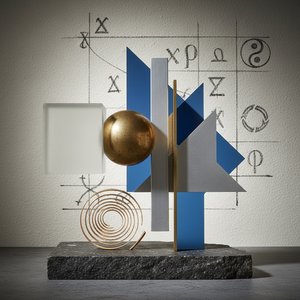
Beyond Form: Exploring the Philosophical Foundations of Geometric Abstraction
Explore the philosophical roots & artistic evolution of geometric abstraction with ArtsDot. Discover Mondrian, Malevich, De Stijl & more. Expert insights for collectors and art enthusiasts.

기하학적 추상 미술을 정의한 명작 10가지 | ArtsDot.com
몬드리안, 말레비치 등 거장들의 기하학적 추상 미술 명작 10선을 만나보세요. 각 작품의 예술사적 의미와 색채, 구성을 탐구하고 ArtsDot.com에서 고품질 아트 프린트를 소장하세요. 지금 바로 온라인 컬렉션을 확인하세요!

Beyond Form & Color: Geometric Abstraction's Evolution in 20th/21st Century Art
Explore the evolution of geometric abstraction from Cubism to contemporary art. Discover key artists like Malevich & Mondrian, investment insights, and expert collecting advice at ArtsDot.

Beyond Form & Color: Geometric Abstraction's Enduring Legacy in Art History
Explore the captivating world of geometric abstraction! Discover its origins, key artists like Malevich & Mondrian, and why this movement remains highly valued by art collectors today. Expert insights at ArtsDot.

Kandinsky's Masterpieces: 25 Paintings That Define Abstract Art | ArtsDot
Journey through Wassily Kandinsky's 25 most iconic abstract paintings. Explore his revolutionary use of color, form & spiritual expressionism. Find museum-quality Kandinsky reproductions and elevate your home decor with ArtsDot.com. Discover all masterpieces on ArtsDot.com!