


 실제 크기로 보기
 보내기
보내기 공유하기
공유하기
 상세 보기
상세 보기 가이드 보기

 이미지 다운로드
 유사 작품 더 보기
 X-레이
X-레이 슬라이드 쇼 보기
 통계 정보
통계 정보Tiger
 Shui-mo Hua
 1901
1901 35.0 x 45.0 cm
 상세 보기
상세 보기
이 페이지에 표시된 작품은 저작권법의 보호를 받으며, 이에 따라 동일한 복제품을 제작하거나 판매하는 것은 법으로 금지되어 있습니다. 이러한 권리 보호는 다음과 같은 국제 협약에 따라 시행됩니다. 베른 협약 또한 다음에서 명시하는 법률을 포함한 국내법에 의해 보호됩니다. 미국 저작권법 제17조.
이 방식은 저작권 보호를 받는 예술 작품을 복제하거나 그대로 재현하는 것이 아니기에 저작권 규정을 완벽히 준수합니다. 대신, 이는 창의적인 재해석의 과정을 거칩니다. 즉, 원작에서 영감을 받되 원작과 동일하지 않은 새로운 회화 작품을 의미합니다.
지클레 / 아트 프린트
빠른 제작과 다양한 마감 옵션을 선택할 수 있는 박물관 수준의 지클레이 및 캔버스 프린트. ( 수작업 채색 복제본 주문하기 디지털 이미지 판매 채널로 전환)




































작품의 원본 비율을 그대로 유지하는 프리셋 사이즈 중에서 선택해 보세요.

액자나 벽면 크기에 맞춰 필요한 가로와 세로 길이를 입력해 주세요. 프린트는 원본 이미지보다 크게 제작할 수 없으며 오직 자르는 것만 가능하므로, 비율이 다른 사이즈를 선택할 경우 이미지의 일부가 잘려 나갈 수 있습니다. 인쇄 작업에 들어가기 전, 최종 확인을 위해 디지털 목업을 보내드립니다. 이 페이지에 표시된 이미지는 실제 잘리는 영역을 나타내지 않으며, 오직 목업을 통해서만 정확한 확인이 가능합니다.


 유리 옵션은 110cm 미만 크기에서만 선택 가능합니다.

Tiger
지클레 / 아트 프린트
복제본 규격
-


총 결제 금액
₩ 83974
관련 작품들


작가 소개
Early Life and Artistic Foundations
Miki Suizan, born Miki Saiichirō on July 15, 1887, in the small town of Kinashi, Hyogo Prefecture, northwest of Osaka, emerged from a Japan undergoing rapid transformation. The Meiji Restoration had irrevocably altered the nation’s social and artistic landscape, blending traditional aesthetics with burgeoning Western influences. While details surrounding his early upbringing remain somewhat scarce, it is known that Suizan demonstrated an aptitude for art at a young age, leading him to Kyoto in 1903 to begin formal studies under the esteemed nihonga painter Takeuchi Seihō. This mentorship proved pivotal; Seihō, a staunch advocate of traditional Japanese painting techniques and subject matter, instilled in Suizan a deep respect for the past while encouraging innovation within its established frameworks.
A Master of Bijin-ga and Sumi-e
Suizan quickly distinguished himself as a painter specializing in bijin-ga, portraits of beautiful women. However, his approach wasn’t merely replication of existing styles. He infused his depictions with a delicate lyricism and psychological depth that set him apart. His women weren't simply objects of beauty; they were imbued with personality, often captured in moments of quiet contemplation or graceful activity. Beyond bijin-ga, Suizan also excelled in sumi-e, monochrome ink wash painting—a discipline demanding both technical precision and profound artistic sensibility. His tiger paintings, for example, showcase a remarkable command of brushwork, conveying the animal’s power and majesty with expressive lines and atmospheric shading. This versatility allowed him to navigate diverse themes while maintaining a consistent aesthetic vision.
Exhibition Success and Recognition
From 1913 onward, Suizan consistently exhibited his work at prestigious government-sponsored exhibitions like Bunten, Teiten, and Shin-Bunten—venues that served as crucial platforms for establishing an artist’s reputation. A significant milestone arrived in 1932 when he was granted mukansa status at the 13th Teiten exhibition. This coveted designation reserved for artists who had made substantial contributions to contemporary painting, allowed Suizan to exhibit freely without undergoing the usual vetting process—a testament to his growing recognition and artistic merit.
Themes and Techniques
Suizan’s art is characterized by a harmonious blend of traditional Japanese aesthetics and subtle modern sensibilities. His bijin-ga often depict women engaged in everyday activities – preparing tea, arranging flowers, or simply lost in thought. These scenes are rendered with meticulous attention to detail, showcasing the elegance of kimono patterns, the delicate texture of hair ornaments, and the nuanced expressions on his subjects’ faces. His sumi-e works, such as the dynamic ‘Monkeys’ triptych, demonstrate a mastery of ink wash techniques, utilizing varying shades of grey to create depth, movement, and atmosphere. He skillfully employed both color and monochrome palettes, adapting his approach to suit the specific subject matter and desired emotional effect.
Legacy and Historical Significance
In 1952, Suizan embarked on a period living in the United States, holding individual exhibitions focused primarily on his bijin-ga. This exposure introduced his art to a Western audience, further solidifying his international reputation. While he returned to Japan in 1957, his passing that same year marked the end of a prolific career. Today, Miki Suizan is remembered as a significant figure in early 20th-century Japanese painting—a master of bijin-ga and sumi-e who successfully bridged tradition and modernity. His works are held in the collections of major museums worldwide, including the Tokyo Museum of Modern Art, the Kyoto Museum of Modern Art, and the Boston Museum of Fine Arts, ensuring his enduring legacy for generations to come.

Miki Suizan
1887 - 1957 , Japan
작가 정보 요약
- Full Name: Miki Saiichirō
- Nationality: Japanese
- Date Of Birth: 1887
- Date Of Death: 1957
- Place Of Birth: Kinuishi, Japan
- Notable Artworks:
- Tiger
- Monkeys
- Artistic Movement Or Style: Nihonga, Bijin-ga
- Artists Who Influenced This Artist: ['Takeuchi Seiho']
관련 기사

Xie Zhiliu: A Legacy of Ink Wash Painting & Modern Chinese Literati Tradition
Explore the legacy of Xie Zhiliu, a master of Chinese ink wash painting & prominent figure in modern art. Discover his techniques, influences, and contributions to literati tradition. A guide for discerning collectors.

Ephemeral Expressions: Exploring the Nuances of Ink on Paper Through History & Contemporary Art
Explore the captivating world of ink wash painting – from its ancient origins to contemporary masters. Discover techniques, symbolism & conservation insights with ArtsDot.com.

The Beauty of Ink Wash: Discover Serene & Soulful Art for Your Home
Discover the tranquil beauty of ink wash painting. Explore how Sumi-e and monochrome landscapes bring Zen-inspired serenity and soulful elegance to your home decor through expert curation and timeless East Asian aesthetics.

가츠시카 호쿠사이 최고 걸작 25선: 우키요에의 정수를 만나다 | ArtsDot
가츠시카 호쿠사이의 최고 걸작 25선을 만나보세요. 우키요에, 대판화 기법과 후지산 풍경의 아름다움을 담은 명작들을 감상하고, ArtsDot에서 고품질 아트 프린트와 인테리어 액자를 찾아보세요. 지금 바로 컬렉션을 탐험하세요!
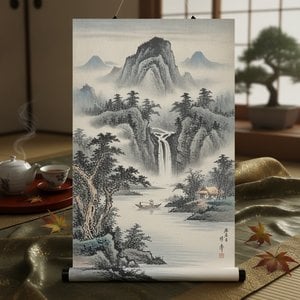
Serenity on Canvas: A Guide to the Timeless Beauty of Japanese Landscape Painting
Discover the serene beauty of Japanese landscape painting. From Hokusai's iconic woodblock prints to meditative sumi-e ink washes, explore a visual journey through the 'floating world' and learn how to bring this timeless Zen aesthetic into your modern home decor.