

 실제 크기로 보기
 보내기
보내기 공유하기
공유하기
 상세 보기
상세 보기 가이드 보기

 이미지 다운로드
 유사 작품 더 보기
 X-레이
X-레이 슬라이드 쇼 보기
 Q&A
Q&A 통계 정보
통계 정보I

- 58.0 x 65.0 cm


 상세 보기
상세 보기
이 페이지에 표시된 작품은 저작권법의 보호를 받으며, 이에 따라 동일한 복제품을 제작하거나 판매하는 것은 법으로 금지되어 있습니다. 이러한 권리 보호는 다음과 같은 국제 협약에 따라 시행됩니다. 베른 협약 또한 다음에서 명시하는 법률을 포함한 국내법에 의해 보호됩니다. 미국 저작권법 제17조.
이 방식은 저작권 보호를 받는 예술 작품을 복제하거나 그대로 재현하는 것이 아니기에 저작권 규정을 완벽히 준수합니다. 대신, 이는 창의적인 재해석의 과정을 거칩니다. 즉, 원작에서 영감을 받되 원작과 동일하지 않은 새로운 회화 작품을 의미합니다.
지클레 / 아트 프린트
빠른 제작과 다양한 마감 옵션을 선택할 수 있는 박물관 수준의 지클레이 및 캔버스 프린트. ( 수작업 채색 복제본 주문하기 디지털 이미지 판매 채널로 전환)




P118B ₩10

P118H ₩10

P118W ₩10

P438Z ₩10

P508JH ₩12

P508YH ₩12

P805H ₩10

P805Z ₩10

P919BZ ₩10

P919G ₩10

P919XJ ₩10

P959ZH ₩10

P968JZ ₩12

W106C ₩8

W218G ₩10

W218JH ₩8

W218Y ₩10

W307PJ ₩10

W316G ₩10

W316PJ ₩8

W316Y ₩10

W398PJ ₩8

W4111J ₩10

W500HY ₩15

W500JH ₩15

W692G ₩12

W849H ₩8

W940BG ₩15

W953PJ ₩8




작품의 원본 비율을 그대로 유지하는 프리셋 사이즈 중에서 선택해 보세요.

액자나 벽면 크기에 맞춰 필요한 가로와 세로 길이를 입력해 주세요. 프린트는 원본 이미지보다 크게 제작할 수 없으며 오직 자르는 것만 가능하므로, 비율이 다른 사이즈를 선택할 경우 이미지의 일부가 잘려 나갈 수 있습니다. 인쇄 작업에 들어가기 전, 최종 확인을 위해 디지털 목업을 보내드립니다. 이 페이지에 표시된 이미지는 실제 잘리는 영역을 나타내지 않으며, 오직 목업을 통해서만 정확한 확인이 가능합니다.


 유리 옵션은 110cm 미만 크기에서만 선택 가능합니다.

I
지클레 / 아트 프린트
복제본 규격
-


총 결제 금액
₩ 83614
A Landscape Echoing Resilience: Exploring “I” by Mervyn Kamara Rubuntja
The artwork "I," created in 2019 by Mervyn Kamara Rubuntja, embodies a profound connection to Country—the ancestral land of the Western Arrernte people—and speaks powerfully to issues of displacement and self-determination. Presented as part of the 22nd Biennale of Sydney, this piece transcends mere visual representation; it’s an assertion of cultural identity against the backdrop of ongoing challenges faced by Aboriginal communities in Australia.- Subject Matter: The painting depicts a serene landscape dominated by eucalyptus trees and distant mountains—a quintessential vista of the Northern Territory. However, its beauty is juxtaposed with subtle textural elements that hint at hardship and struggle.
- Style & Technique: Rubuntja’s masterful use of watercolour lends itself to capturing the ethereal qualities of light and shadow, characteristic of Aboriginal art traditions. The distinctive plaid pattern adorning the canvas serves as a deliberate material choice—a humble ‘dollar shop’ bag—symbolizing the nomadic spirit and resilience inherent in Arrernte culture.
질의응답
"I"은(는) Mervyn Kamara Rubuntja의 작품 세계에서 어떤 위치를 차지하고 있나요?
"I"은(는) Mervyn Kamara Rubuntja의 Contemporary Landscape 시기 작품으로, 이 작가의 주요 주제로는 traditional narratives, land rights advocacy, cultural resilience, biennale showcase, artist legacy 등이 있습니다.
"I"은(는) 어떤 색조에 가깝나요?
"I"은(는) Amber to Saffron 톤에 가깝습니다.
Mervyn Kamara Rubuntja의 "I"의 색채 정체성은 무엇인가요?
Mervyn Kamara Rubuntja의 "I"은(는) Neutrals 색조의 팔레트를 사용하며, Putty (#dedfe0)이(가) 주된 색상을 이룹니다.
관련 작품들


작가 소개
Early Life and Artistic Roots
Mervyn Kamara Rubuntja’s journey began in Alice Springs, Australia, a region steeped in Aboriginal history and culture—specifically within the Western Arrernte people. Born in 1958, he carries the legacy of Wenten Rubuntja Pengarte, his father, who himself was a celebrated artist deeply committed to preserving and sharing his cultural heritage. From a young age, Mervyn’s artistic inclinations were nurtured by witnessing his uncles—Maurice, Oscar, and Keith Namatjira—practicing their craft alongside Albert Namatjira, the patriarch of the Hermannsburg School. This formative experience instilled in him an appreciation for traditional techniques and the expressive power of watercolour painting, capturing the essence of the Northern Territory landscape. The influence of Ntaria (Hermannsburg), where his family resided from 1975 onwards, further solidified his artistic path, fostering connections with mentors like Basil Rantji who imparted invaluable knowledge about colour mixing and artistic expression.The Influence of Wenten Rubuntja
Wenten Rubuntja Pengarte’s unwavering dedication to Aboriginal rights and land stewardship profoundly shaped Mervyn's worldview and artistic sensibilities. As a senior lawman and advocate for Indigenous justice, Wenten championed the fight for recognition of Aboriginal land ownership—a pivotal moment in Australian legal history encapsulated by the Mabo decision. This commitment instilled in Mervyn a deep respect for cultural traditions and a determination to honor his father’s legacy through his own artistic endeavors. Witnessing Wenten's tireless efforts to protect ancestral lands served as an inspiration, fueling Mervyn’s desire to depict landscapes that embody the spirit of Arrernte culture and heritage.The Hermannsburg School and Artistic Development
Mervyn’s artistic development gained momentum through his association with the Iltja Ntjarra Many Hands Art Centre, where he collaborated alongside fellow Aboriginal artists—a collective dedicated to fostering creativity and promoting cultural understanding. Observing his uncles—particularly Albert Namatjira—painting watercolor landscapes inspired him to embrace a similar medium and style. This mentorship nurtured his technical skills and encouraged him to explore themes rooted in the Northern Territory’s environment and mythology. The Hermannsburg School's ethos of blending traditional storytelling with contemporary artistic expression resonated deeply with Mervyn, shaping his approach to portraying Aboriginal culture and landscape.Notable Achievements and Exhibitions
Mervyn Kamara Rubuntja gained international recognition through participation in prestigious exhibitions such as the Biennale of Sydney in 2018, where his artwork “I” was prominently featured—a striking acrylic painting measuring 58 x 65 cm that captured the grandeur of the Northern Territory’s scenery. This exhibition served as a catalyst for broadening his artistic reach and engaging with audiences worldwide. Furthermore, Mervyn's paintings have been showcased in prominent galleries across Australia, including the Art Gallery of Western Australia and the Art Gallery of South Australia, allowing him to share his vision with a wider audience. His work has consistently garnered critical acclaim for its evocative depictions of Aboriginal landscapes and cultural narratives.Contemporary Significance
Mervyn Kamara Rubuntja’s artistic contributions stand as a testament to the enduring power of Indigenous storytelling and visual expression. By skillfully blending traditional techniques with modern materials—primarily acrylic—he continues to honor his father's legacy while simultaneously engaging with contemporary themes and aesthetics. His paintings resonate with viewers through their ability to convey profound connections to place, spirituality, and cultural identity—affirming the importance of preserving Aboriginal heritage and fostering intercultural dialogue. He remains a vital voice in the Australian art landscape, embodying the spirit of artistic innovation rooted in deep cultural understanding.
Mervyn Kamara Rubuntja
1958 - , Australia
작가 정보 요약
- Full Name: Mervyn Kamara Rubuntja
- Nationality: Australian
- Date Of Birth: 1958
- Place Of Birth: Alice Springs, Australia
- Notable Artworks: ['I', 'Camping in todd river.', 'House too expensive $$$', 'Sacred Site in Tjoritja (West MacDonnell Ranges)', 'Seven Sisters Travelling']
- Artistic Movement Or Style: Contemporary Aboriginal Art
- Artists Who Influenced This Artist: ['Wenten Rubuntja']
관련 기사

Ephemeral Visions: Exploring the History & Emotional Resonance of Watercolor Painting
Explore the captivating history of watercolor painting, from ancient techniques to modern masters like Kandinsky & Blake. Discover essential artists, collecting tips & the emotional power of this luminous medium. Expert insights for art enthusiasts.

Ephemeral Visions: Exploring the Artistic Legacy & Contemporary Practice of Watercolor Painting
Explore the captivating world of watercolor painting! Discover its rich history, essential techniques, influential artists & collecting tips. A comprehensive guide for art enthusiasts from ArtsDot.
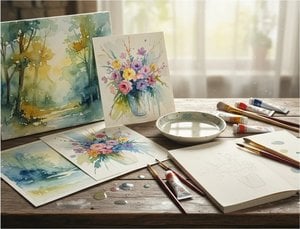
Ephemeral Visions: Exploring the Artistic Legacy & Nuances of Watercolor Painting
Explore the captivating world of watercolor painting! Discover its rich history, essential techniques, influential artists & collecting tips from art experts. A comprehensive guide for enthusiasts.

Ephemeral Echoes: Exploring the Aesthetic & Historical Significance of Vintage Watercolor Painting
Explore the captivating world of vintage watercolor painting! Discover its rich history, techniques, influential artists & collecting tips. Expert insights for enthusiasts and collectors at ArtsDot.

Watercolor Wonders: 10 Masterpieces That Redefined Art History | ArtsDot
Journey through 10 legendary watercolor masterpieces by Sargent, Turner & Homer! Explore iconic landscapes, portraits & floral art that redefined history. Find museum-quality reproductions and curated decor ideas at ArtsDot.com.