


 실제 크기로 보기
 보내기
보내기 공유하기
공유하기
 상세 보기
상세 보기 가이드 보기

 이미지 다운로드
 유사 작품 더 보기
 X-레이
X-레이 슬라이드 쇼 보기
 통계 정보
통계 정보Vanity
 Oil
Oil- WallArt
- Early Netherlandish Painting
 1485
1485- Renaissance
 22.0 x 14.0 cm
 스트라스부르 미술관
 상세 보기
상세 보기
이 페이지에 표시된 작품은 저작권법의 보호를 받으며, 이에 따라 동일한 복제품을 제작하거나 판매하는 것은 법으로 금지되어 있습니다. 이러한 권리 보호는 다음과 같은 국제 협약에 따라 시행됩니다. 베른 협약 또한 다음에서 명시하는 법률을 포함한 국내법에 의해 보호됩니다. 미국 저작권법 제17조.
저희는 존중을 담은 합법적인 대안으로서, 원작에서 영감을 받은 맞춤형 수제 유화 작품을 제공합니다. 저희의 숙련된 전문 화가들은 원작의 스타일, 분위기, 예술적 정수를 면밀히 연구하여, 그 자체로 독창적인 창작물이면서도 원작과 동일한 감동을 불러일으키는 새로운 작품을 만들어냅니다.
이 방식은 저작권 보호를 받는 예술 작품을 복제하거나 그대로 재현하는 것이 아니기에 저작권 규정을 완벽히 준수합니다. 대신, 이는 창의적인 재해석의 과정을 거칩니다. 즉, 원작에서 영감을 받되 원작과 동일하지 않은 새로운 회화 작품을 의미합니다.
핸드메이드 유화 복제화
작가가 직접 캔버스에 손으로 그린 유화 작품으로, 원하는 크기와 액자로 맞춤 제작해 드립니다. ( 프린트 판매로 전환 디지털 이미지 판매 채널로 전환)




P118B ₩10

P118H ₩10

P118W ₩10

P438Z ₩10

P508JH ₩12

P508YH ₩12

P805H ₩10

P805Z ₩10

P919BZ ₩10

P919G ₩10

P919XJ ₩10

P959ZH ₩10

P968JZ ₩12

W106C ₩8

W218G ₩10

W218JH ₩8

W218Y ₩10

W307PJ ₩10

W316G ₩10

W316PJ ₩8

W316Y ₩10

W398PJ ₩8

W4111J ₩10

W500HY ₩15

W500JH ₩15

W692G ₩12

W849H ₩8

W940BG ₩15

W953PJ ₩8




작품의 원본 비율을 그대로 유지하는 프리셋 사이즈 중에서 선택해 보세요.

액자나 벽면 크기에 맞춰 필요한 가로와 세로 길이를 입력해 주세요. 본 작품은 수작업으로 제작되므로, 요청하신 비율에 따라 작가가 그림의 가장자리를 조금 더 넓게 그리거나 일부를 조정하여 작업할 수 있습니다. 작업 시작 전, 최종 확인을 위해 디지털 목업 이미지를 보내드립니다. 이 페이지에 표시된 이미지는 실제 결과물과 다를 수 있으며, 오직 목업 이미지만이 정확한 결과물을 보여줍니다.
주문 완료 후 ArtsDot.com 팀에서 상세 안내를 위해 고객님께 이메일을 보내드리며, 미리보기 시안을 함께 제공해 드립니다.


 유리 옵션은 110cm 미만 크기에서만 선택 가능합니다.

Vanity
재현 매체
복제본 규격
-


총 결제 금액
₩ 356213
Hans Memling’s “Vanity”: A Mirror to Mortality
In the realm of Early Netherlandish painting, few works possess the haunting beauty and profound contemplation of Hans Memling's "Vanity," a small yet remarkably powerful oil on wood panel housed within the Musée des Beaux-Arts in Strasbourg. Measuring just 22 x 14 cm, this intimate piece transcends its modest size to deliver a complex meditation on human nature, mortality, and the elusive pursuit of earthly pleasure. It’s part of a larger triptych, “Earthly Vanity and Divine Salvation,” a visual narrative that invites viewers to confront their own desires and aspirations alongside the promise of spiritual redemption.
At first glance, "Vanity" presents a deceptively simple scene: a young woman stands before a mirror, her reflection gazing back at her with an expression of serene contemplation. She is adorned with a delicate necklace – a potent symbol of material wealth and worldly possessions – yet her gaze remains fixed on the image presented to her. However, the painting’s true depth lies in its carefully orchestrated symbolism. A dog sits attentively on the left, while two cats occupy the right side, adding layers of interpretation to the composition. Crucially, a bird is positioned near the center, often interpreted as representing the soul, poised between the allure of earthly pleasures and the potential for spiritual ascension.
The historical context surrounding “Vanity” is fascinatingly debated among art historians. Initially attributed to Hans Memling himself, the painting was later reassigned to Simon Marmion in 1890 by Wilhelm von Bode. A thorough examination conducted in 1994 definitively confirmed Memling’s authorship, solidifying its place as a cornerstone of his artistic legacy. This attribution is particularly significant because it highlights the meticulous detail and emotional resonance characteristic of Memling's work – qualities that distinguish him from many of his contemporaries. The painting exemplifies his mastery of oil painting techniques, particularly in the remarkably realistic rendering of the woman’s reflection within the mirror, a feat achieved through careful layering and blending of colors.
The Language of Symbols
“Vanity” is not merely a portrait; it's a carefully constructed allegory. The mirror itself serves as a central metaphor – a potent symbol of self-reflection, but also of the transience of earthly beauty. Memling masterfully uses light and shadow to emphasize this duality, creating an atmosphere that is both alluring and melancholic. The woman’s long, flowing hair contributes to her elegant appearance, yet it also hints at the fleeting nature of youth and beauty. The presence of the dog and cats further enriches the symbolism, suggesting a contemplation on loyalty, instinct, and perhaps even the duality of human nature – the animal within us.
The necklace, a clear representation of material wealth, stands in stark contrast to the spiritual themes explored through the bird and the overall composition. Memling’s deliberate arrangement of these elements creates a visually engaging image that compels viewers to consider the relative importance of earthly possessions versus spiritual values. The painting isn't simply about vanity; it’s an invitation to examine one’s own motivations and desires, prompting a deeper understanding of the human condition.
A Testament to Early Netherlandish Art
“Vanity” stands as a remarkable example of the artistic innovations that defined Early Netherlandish painting. Memling's work embodies the period’s emphasis on realism, meticulous detail, and symbolic depth – qualities that set it apart from its Italian counterparts. The use of oil paints allowed for unprecedented levels of subtlety and nuance in color and texture, contributing to the painting’s luminous quality and lifelike appearance. It is a testament to Memling's ability to convey complex moral themes through visually striking compositions.
Bringing “Vanity” Home
At ArtsDot, we are dedicated to preserving the artistic legacy of masters like Hans Memling. Our skilled artisans meticulously recreate "Vanity" in exquisite detail, ensuring that every nuance and subtlety of the original is faithfully reproduced. Whether you’re an art enthusiast, a collector seeking a unique addition to your collection, or simply someone drawn to the beauty and contemplation of this timeless masterpiece, our hand-painted reproductions offer an unparalleled opportunity to own a piece of history. Explore the full reproduction here.
Furthermore, you can delve deeper into the world of “Earthly Vanity and Divine Salvation” through this comprehensive article: Wikipedia Article. And for a closer look at Memling’s life and work, visit the Hans Memling: Vanity page on ArtsDot.
질의응답
한스멤링의 "Vanity"에 관한 통계 정보는 어디에서 확인할 수 있나요?
"Vanity"에 대한 통계 페이지가 존재합니다. 이 페이지에는 해당 작품과 작가의 다른 작품들에 대한 월별 방문자 수가 국가 및 언어별로 상세히 표시됩니다.
한스멤링의 "Vanity" 작품에 권장되는 인쇄 설정은 무엇인가요?
"Vanity" 작품의 권장 인쇄 설정은 Medium 크기와 Portrait 방향입니다.
"Vanity"은(는) 몇 년도에, 어떤 사조의 작품인가요?
"Vanity"은(는) 1485년에 Early Netherlandish Painting 사조의 흐름 속에서 제작되었습니다.
관련 작품들


작가 소개
한스 멤링: 부르흐의 섬세함과 후원 예술
한스 멤링(Hans Memling, 약 1430년 – 1494년 8월 11일)은 독일에서 태어나 벨기에 브뤼헤를 중심으로 활동하며 초기 네덜란드 회화 운동을 대표하는 중요한 화가입니다. 섬세한 사실주의, 자연에 대한 세심한 관찰, 그리고 깊이 있는 영적 성찰로 특징지어지는 이 예술 사조에서 멤링은 독보적인 위치를 차지합니다. 라인란트 지역의 예술 환경에서 성장했지만, 그의 여정은 결국 브뤼헤로 이어졌고, 그곳에서 그는 당대 최고의 화가 중 한 명으로 자리매김하며 유럽 전역에 자신만의 독특한 스타일을 확산시키는 번성한 작업장을 꾸렸습니다. 멤링의 초기 생애에 대한 정확한 기록은 희소하지만, 학자들은 그가 약 1430년 마인츠 근처에서 태어났다고 보고 있습니다. 그의 예술 교육은 플랑드르 회화의 거장 로히에르 반 데르 베이덴(Rogier van der Weyden) 아래에서 시작되었습니다. 반 데르 베이덴의 유화 기법과 조각적인 모델링 기술은 멤링의 기법 형성에 지대한 영향을 미쳤으며, 그의 작품 전반을 관통하는 세부 사항에 대한 끊임없는 헌신을 심어주었습니다.브뤼헤와 작업장
1465년경, 멤링은 번성하는 상업 중심지이자 예술의 중심지였던 브뤼헤 시민권을 확보했습니다. 그는 협력적인 창작의 잠재력을 인식하고 수많은 조수들을 고용하여 작업장을 설립했으며, 혁신과 스타일적 일관성을 장려하는 환경을 조성했습니다. 이 작업장은 걸작들의 놀라운 복제품을 제작하는 것으로 명성이 높았으며, 멤링이 예술가이자 교육자로서의 능력을 입증한 결과였습니다.정밀함과 후원으로 정의되는 양식
멤링의 예술 스타일은 즉시 알아볼 수 있을 정도로 독특합니다. 밝고 화려한 색상 팔레트, 섬세하게 표현된 옷 주름, 그리고 놀라운 수준의 해부학적 정확성이 특징입니다. 그는 고전 조각에서 영감을 받아 인체 해부학을 면밀히 연구하여 초상화와 종교 장면 모두에서 타의 추종을 불허하는 사실주의를 달성했습니다. 동시대 많은 화가들이 표현력이 풍부한 붓놀림을 선호했던 반면, 멤링은 세심한 관찰과 끈기 있는 실행을 우선시하여 고요한 아름다움과 깊이 있는 영적 깊이를 담아낸 이미지를 창조했습니다.종교 의뢰와 초상화
멤링의 명성은 주로 성직자와 귀족 가문 등 부유한 후원자들로부터 받은 종교적인 의뢰 덕분에 높아졌습니다. 이들은 멤링에게 신앙심과 위엄을 불러일으키는 성인과 성경 이야기를 그려달라고 요청했습니다. 대표적인 예로는 브뤼헤의 성 요한 병원에 있는 “최후의 심판”이 있는데, 이는 멤링의 뛰어난 구도 능력과 극적인 색채 활용을 보여주는 기념비적인 프레스코화입니다. 멤링은 초상화가로서도 탁월했으며, 저명한 인물들의 모습을 놀라운 감수성과 심리적 통찰력으로 포착했습니다. 그의 초상화 – 예를 들어 “화살을 든 남자” – 는 미묘한 몸짓과 표정을 통해 인물의 성격을 전달하는 능력을 보여주며, 그를 동시대 최고의 예술가 중 한 명으로 확립시켰습니다.영향력과 유산
멤링의 예술적 유산은 그의 생존 기간을 훨씬 넘어 확장됩니다. 그의 작업장은 그의 원래 작품과 유사한 스타일의 방대한 양의 그림을 제작하여 멤링의 독특한 미학을 플랑드르 지역 및 그 너머로 확산시켰습니다. 또한, 멤링의 세심한 기법은 후대 예술가들에게 영감을 주었으며, 특히 안트베르프 학파를 설립한 퀸틴 마시스(Quentin Massys)에게 큰 영향을 미쳤고, 멤링을 플랑드르 르네상스 미술의 초석으로 자리매김하게 했습니다.재발견과 지속적인 인기
멤링의 예술적 업적은 19세기까지 크게 잊혀졌지만, 학자들이 그의 그림들을 재발견하고 그의 천재성을 옹호하면서 다시 주목받기 시작했습니다. 오늘날, “최후의 심판”을 비롯한 멤링의 작품들은 전 세계 관객들을 사로잡고 있으며, 예술적 우수성과 영적 성찰의 지속적인 상징으로 남아 있습니다. 그의 세부 사항에 대한 끊임없는 관심과 인간 심리에 대한 깊이 있는 이해는 현대 미술사 감상에서도 여전히 놀라운 관련성을 지니고 있습니다.
한스멤링
독일
작가 정보 요약
- 국적: 독일-플랑드르
- 사망일: 1494년 8월 11일
- 영향을 받은 예술가: ['플랑드르 원시 미술']
- 영향을 준 예술가: ['로지에르 반 데르 베이덴']
- 예술 사조: 초기 네덜란드 회화
- 이름: 한스 멤링
- 주요 작품:
- 성 요한 병원
- 최후의 심판
- 출생일: 약 1430년
- 출생지: 독일 제국, 셀리겐슈타트
관련 기사

The Enduring Legacy of Oil on Canvas: Technique, History & Aesthetic Impact
Explore the rich history & techniques of oil painting – from Renaissance masters to Impressionism. Discover pigments, layering methods, and why this timeless medium endures. Expert insights for artists & art enthusiasts.

The Enduring Power of Painting: A Historical & Contemporary Exploration of Form and Emotion
Explore the rich history & enduring techniques of oil painting with ArtsDot. Discover masterpieces, learn about art collecting, and find authentic handmade reproductions crafted by skilled artists.

Illuminating Realism: A Comprehensive Exploration of the Early Netherlandish Renaissance Movement
Explore the captivating world of Early Netherlandish painting! Discover Jan van Eyck & other Flemish masters, their revolutionary techniques, hidden symbolism, and lasting legacy. A comprehensive guide for art enthusiasts.

Illuminating Realism: Early Netherlandish Painting (15th-16th Centuries)
Explore the captivating world of Early Netherlandish painting (15th-16th centuries). Discover Jan van Eyck, Hans Memling & more. Uncover revolutionary techniques and hidden symbolism in this definitive guide.
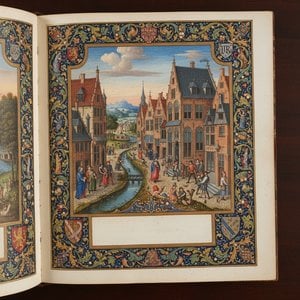
Illuminating Realism: Early Netherlandish Painting (15th-16th Centuries)
Explore the captivating world of Early Netherlandish painting! Discover Jan van Eyck, Hans Memling & more. Uncover symbolism, techniques & the legacy of these Flemish masters. A comprehensive guide for art enthusiasts.


