 프린트 구매하기
 공유하기
공유하기 공유하기
공유하기
 Details

 다운로드
다운로드
 유사 작품
유사 작품 X-Ray
X-Ray 슬라이드 쇼
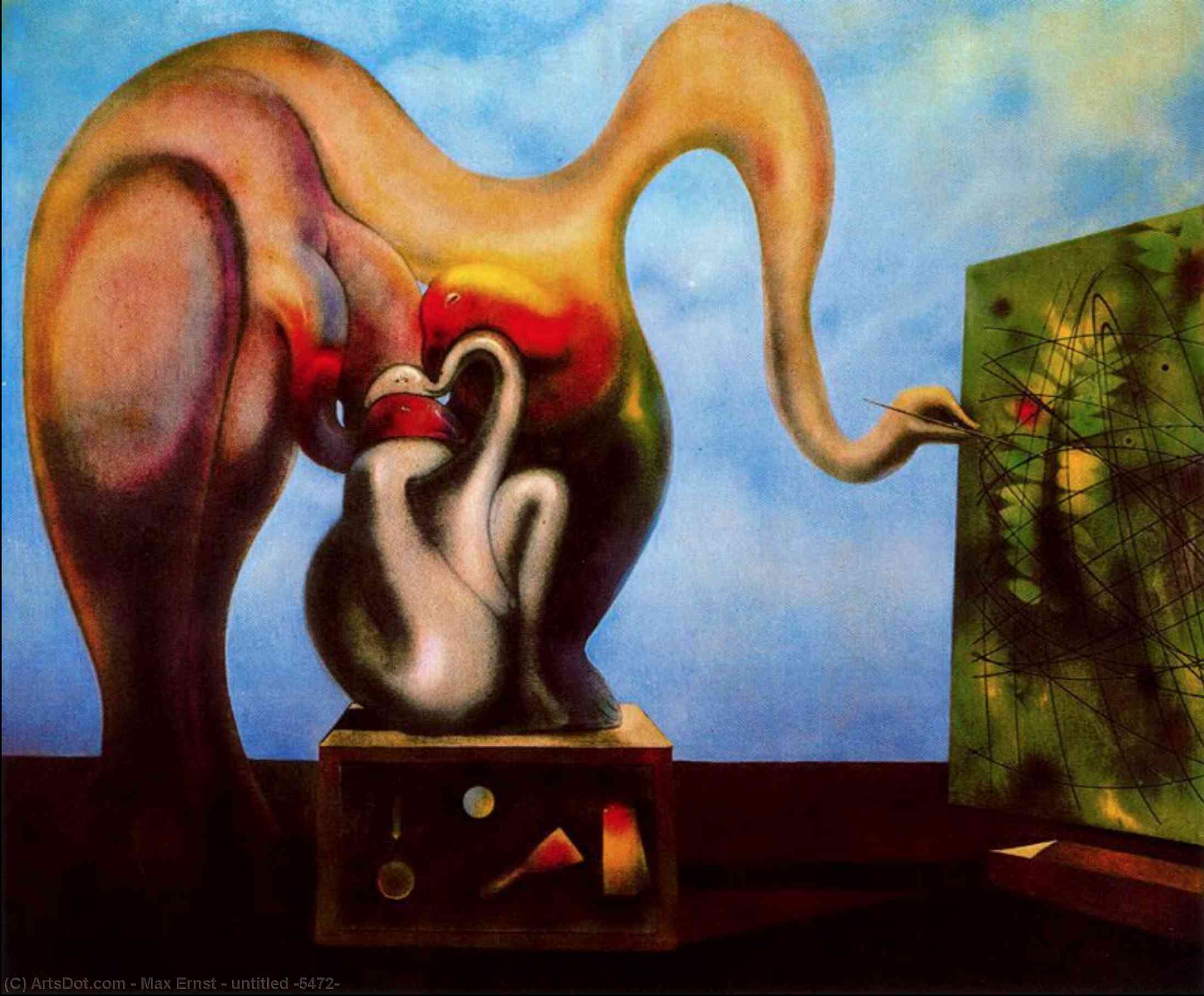
untitled (5472)

 더 보기
더 보기




P118B $10

P118H $10

P118W $10

P438Z $10

P508JH $12

P508YH $12

P805H $10

P805Z $10

P919BZ $10

P919G $10

P919XJ $10

P959ZH $10

P968JZ $12

W106C $8

W218G $10

W218JH $8

W218Y $10

W307PJ $10

W316G $10

W316PJ $8

W316Y $10

W398PJ $8

W4111J $10

W500HY $15

W500JH $15

W692G $12

W849H $8

W940BG $15

W953PJ $8




작품의 원본 비율을 유지하는 미리 설정된 크기 중에서 선택하세요.

특정 프레임이나 공간에 맞도록 직접 크기를 입력할 수 있습니다. 선택하신 크기가 원본 이미지의 비율과 일치하지 않는 경우, 작품을 자르거나 추가적인 손으로 그린 요소를 사용하여 그림을 확장합니다. 제작 시작 전 승인을 위해 디지털 목업을 보내드립니다.
화면 미리 보기는 실제 자르기 또는 확장을 반영하지 않습니다. 최종 구성은 목업을 통해서만 정확하게 확인하실 수 있습니다.
맞춤 크기 제작도 가능하지만, 원본 비율을 유지하기 위해 사전 정의된 목록에서 크기를 선택하시는 것을 권장합니다.
주문 후 ArtsDot.com 팀에서 상세 안내를 위해 고객님께 이메일을 보내드리며, 미리보기 시안을 제공해 드립니다.


 유리 옵션은 110cm 미만 크기에서만 선택 가능합니다.

untitled (5472)
재현 기법
복제본 크기
-


최종 결제 금액
-
작품 상세 설명
Decoding Dreams: An Exploration of Max Ernst’s Untitled (5472)
A hauntingly beautiful enigma, Max Ernst's untitled (5472) transcends mere visual representation; it embodies the very essence of Surrealism—a movement determined to liberate art from rational constraints and delve into the subconscious realm. Available exclusively on ArtsDot.com, this captivating canvas invites contemplation and rewards repeated viewing with layers of symbolic meaning that continue to resonate today. The painting’s composition immediately establishes a disconcerting juxtaposition. Dominating the scene is a bird—specifically, one bearing human facial features—a motif recurrent throughout Ernst's oeuvre and emblematic of Surrealist preoccupation with blurring boundaries between organic and inorganic forms. This anthropomorphic avian figure isn’t simply depicted; it actively engages in an unsettling act: inserting its beak into the mouth of another bird. Such an image speaks volumes about anxieties surrounding reproduction, vulnerability, and the merging of disparate identities—themes central to Surrealist thought. Beyond this arresting centerpiece lies a carefully orchestrated tableau. A vase perched atop a table serves as grounding element, subtly contrasting with the ethereal quality of the bird’s presence. Scattered around are three oranges – objects imbued with potent symbolism representing fertility, vitality, and even hidden dangers. Their placement is deliberate, directing the viewer's gaze across the canvas and reinforcing the painting’s dreamlike atmosphere. Ernst skillfully employs oil paint on canvas, achieving a rich textural surface that captures the nuances of light and shadow—a technique characteristic of Surrealist artists who sought to evoke emotion rather than merely documenting reality.Historical Context: The Birth of Surrealism
Emerging in the wake of World War I, Surrealism arose from disillusionment with Western civilization’s perceived moral failings and a fervent desire for artistic innovation. Influenced by psychoanalytic theories pioneered by Sigmund Freud, Surrealists aimed to tap into the unconscious mind—believing that true creativity resided beyond conscious control. Ernst himself was deeply affected by Dada nihilism, rejecting logic and reason in favor of spontaneity and irrationality. This rebellious spirit fueled his exploration of automatism—a technique whereby artists attempt to bypass conscious thought and allow subconscious impulses to guide their artistic process.Symbolic Resonance: Faces Within Birds
The bird’s human face is arguably the painting's most compelling symbol. It represents not just a literal depiction but also an allusion to primal instincts, repressed desires, and the duality inherent in human nature. The beak-to-mouth gesture amplifies this symbolism, suggesting vulnerability and the intrusion of the unconscious into conscious awareness. Ernst’s masterful use of color—muted tones punctuated by flashes of vibrant orange—further enhances the painting's emotional impact, creating a mood of quiet contemplation mingled with unease.A Legacy of Dreamlike Imagery
Ultimately, untitled (5472) stands as a testament to Ernst’s unwavering commitment to Surrealist principles. It exemplifies the movement’s ambition to challenge conventional perceptions of art and explore the uncharted territories of human psychology. Like many other Surrealist masterpieces, it continues to inspire artists and collectors alike—a timeless reminder that beauty can reside in unsettling juxtapositions and that true artistic expression demands a willingness to embrace the irrational. Explore high-quality reproductions of this extraordinary artwork at ArtsDot.com.유사한 작품들


작가 약력
막스 에른스트: 초현실의 탐험가
막스 에른스트(Maximilian Maria Ernst, 1891년 4월 2일 – 1976년 4월 1일)는 독일 브흘에서 태어나 프랑스를 대표하는 20세기 가장 중요한 예술가 중 한 명으로 자리매김했습니다. 그의 삶은 끊임없는 변화와 실험의 여정이었으며, 철학적 탐구, 심리적 매혹, 그리고 사회 규범에 대한 깊은 불만족을 연료로 삼아 초현실주의라는 독특한 예술 세계를 구축했습니다. 아버지 필립 에른스트는 청각 장애인을 가르치는 교사이자 아마추어 화가였으며, 막스에게 세상에 대한 민감성과 확고한 권위에 대한 반항심을 심어주었습니다. 이러한 이중성은 그의 예술적 비전을 정의하는 특징이 되었습니다.
막스는 본 대학교에서 철학, 미술사, 문학, 심리학, 정신의학 등 다양한 분야를 공부하며 지적인 깊이를 더했습니다. 그는 단순히 그림 그리는 방법을 배우는 데 만족하지 않고, 왜 그림을 그려야 하는지에 대한 근본적인 질문에 답하려 했습니다. 이러한 지적 호기심은 1912년 쾰른에서 열린 순데르분트 전시에 참여하면서 피카소, 고흐, 고갱의 혁신적인 작품들을 접하며 그의 예술적 방향을 완전히 바꾸는 계기가 되었습니다. 현대 미술의 씨앗이 뿌려진 순간이었습니다.
다다의 파괴와 초현실주의 비전의 탄생
제1차 세계 대전은 막스의 삶에 결정적인 전환점이 되었습니다. 동부 및 서부 전선에서 군인으로 복무하며 겪은 충격적인 경험은 기존 질서에 대한 깊은 회의감을 불러일으켰고, 새로운 표현 방식을 갈망하게 만들었습니다. 이러한 불만족은 1918년 독일로 돌아와 다다이즘 운동에 적극적으로 참여하면서 해소되었습니다. 막스는 한스 아르프와 함께 다다 그룹의 핵심 인물이 되어 전통적인 예술적 규범을 거부하고, 부조리함과 우연성, 비합리성을 포용했습니다.
그러나 다다이즘은 단지 발판에 불과했습니다. 1920년대 초반, 막스는 파리로 이주하여 안드레 브르통의 지도 아래 초현실주의 운동에 합류하며 새로운 장을 열었습니다. 이는 꿈의 영역, 무의식, 그리고 비합리적인 측면을 탐구하는 전환점이 되었습니다. 지그문트 프로이트의 정신분석학 이론에 영향을 받아 막스는 자신의 예술을 통해 인간 경험의 숨겨진 깊이를 밝혀내고자 했습니다. 그는 현실이 보이는 대로 묘사하기보다는 그것을 형성하는 근본적인 심리적 힘을 드러내는 데 관심을 가졌습니다.
혁신적인 기법: 프로타주, 그라따주, 콜라주
막스의 예술적 혁신은 주제뿐만 아니라 기법에도까지 확장되었습니다. 그는 기존의 방법을 단순히 채택하는 대신 새로운 기법을 끊임없이 실험했습니다. 아마도 그의 가장 유명한 공헌은 나무 결을 관찰하던 지루함에서 비롯된 프로타주(frottage)일 것입니다. 이 기술은 표면에 연필이나 목탄을 문질러 예상치 못한 표현력과 매력을 지닌 이미지를 만들어냈습니다. 막스는 이러한 과정을 통해 무의식에 접근하고 의식적인 통제 없이 형태를 생성할 수 있었습니다. 밀접하게 관련된 기법인 그라따주(grattage)는 캔버스 위에 페인트를 긁어내어 아래층을 드러내는 방식입니다.
또한 그는 잡지 이미지, 과학 일러스트레이션, 사진 등 다양한 요소를 초현실적인 구성으로 조립하는 콜라주(collage)를 능숙하게 활용했습니다. 이러한 기법은 단순한 스타일적 선택이 아니라 무의식을 탐구하고 전통적인 예술적 경계를 파괴하려는 그의 열망과 밀접하게 연결되어 있었습니다. 그의 그림에는 종종 새(특히 자신의 또 다른 모습인 로플롭), 황량한 풍경, 불안정한 대비, 그리고 짙은 신비감이 나타납니다.
혁신과 영향의 유산
제2차 세계 대전 발발로 인해 막스는 유럽을 떠나 미국에서 피난처를 찾아야 했습니다. 그는 망명 생활 동안에도 새로운 기법을 실험하며 그림 그리기를 멈추지 않았고, 전쟁 이후 프랑스로 돌아와 활동적인 삶을 이어갔습니다. 1976년 4월 1일 파리에서 세상을 떠날 때까지 그의 예술은 끊임없이 진화했습니다.
막스 에른스트의 다다이즘과 초현실주의에 대한 공헌은 혁명적이었으며, 예술적 규범에 도전하고 무의식의 깊이를 탐구하며 오늘날에도 예술가들에게 영감을 주는 혁신적인 기법을 창조했습니다. 그는 단순한 화가가 아니라 탐험가이자 선동가이며, 예술 자체의 경계를 확장시킨 선지자였습니다. 그의 작품은 상상력의 힘, 비이성적 매력, 그리고 인간 정신의 복잡성을 이해하려는 끊임없는 노력에 대한 증거입니다.
- 주요 작품: 전체 도시, 에우클리데스, 이 남자들은 이것을 알지 못한다, 숲과 비둘기
- 영향을 받은 예술가: 파블로 피카소, 빈센트 반 고흐, 폴 고갱, 지그문트 프로이트, 조르조 데 키리코
- 운동: 다다, 초현실주의

막스 에른스트
1891 - 1976 , 독일
주요 정보
- 국적: 독일-미국, 프랑스
- 사망일: 1976년 4월 1일
- 영향을 받은 예술 사조:
- 초현실주의
- 다다
- 영향을 준 예술가:
- 파블로 피카소
- 빈센트 반 고흐
- 폴 고갱
- 조르주 드 키리코
- 예술 사조: 다다이즘, 초현실주의
- 전체 이름: 막스 에른스트
- 주요 작품:
- 전체 도시
- 유클리데스
- 이것에 대해 사람은 아무것도 모를 것이다
- 숲과 비둘기
- 출생일: 1891년 4월 2일
- 출생지: 브륄, 독일
관련 기사 더 보기

From Initial Sketch to Enduring Legacy: A Comprehensive Exploration of the Oil Painting Reproduction Process
Discover the art of museum-quality oil painting reproduction. Explore our expert process, skilled artists & authentic replicas. Elevate your home with timeless beauty – handcrafted and customized to your vision.
맥스 어른스트 최고 걸작 25선: 꿈과 무의식의 화가, 공간에 예술을 더하다
맥스 어른스트 최고 걸작 25선을 만나보세요. 초현실주의 화가 어른스트의 꿈, 무의식, 혁신적인 기법이 담긴 명화들을 감상하고, 공간에 예술적 영감을 불어넣으세요. ArtsDot.com에서 고품질 미술 작품을 컬렉션하세요.

The Digital Portrait Renaissance: Transforming Personal Photography into Timeless Oil Paintings Through Artistic Reproduction
Transform your cherished photos into timeless oil paintings with ArtsDot's expert artists. Museum-quality reproductions & custom portraits, crafted to last a lifetime. Discover the art of personal legacy.

개인의 신화 속으로: 상징적 걸작을 창조하는 아이디어의 전환 (Gaeinui sinhwa sokeuro: sangjingjeok geoljak eul changjo haneun aideia-ui jeonhwan)
상징주의 예술의 깊이를 탐구하고 개인의 신화를 담은 걸작을 만나보세요. 전문가 컨설팅, 맞춤 그림 제작, 갤러리 품질 복제 서비스를 제공합니다. ArtsDot에서 당신의 공간에 특별한 가치를 더하세요.

오일 회화 대 프린트: 시간의 시험을 견디는 예술적 깊이와 지속 가능성 비교 연구
ArtsDot에서 고품질 유화 복제 및 맞춤형 작품을 만나보세요. 장인의 손길로 되살아난 명작과 당신의 이야기를 담은 특별한 예술 작품을 합리적인 가격에 소장하세요. 100% 만족 보장!