


 보내기
보내기 공유하기
공유하기
 상세 보기
상세 보기 가이드 보기

 이미지 다운로드
 유사 작품 더 보기
 슬라이드 쇼 보기
 통계 정보
통계 정보Sirène ailée


 상세 보기
상세 보기
이 페이지에 표시된 작품은 저작권법의 보호를 받으며, 이에 따라 동일한 복제품을 제작하거나 판매하는 것은 법으로 금지되어 있습니다. 이러한 권리 보호는 다음과 같은 국제 협약에 따라 시행됩니다. 베른 협약 또한 다음에서 명시하는 법률을 포함한 국내법에 의해 보호됩니다. 미국 저작권법 제17조.
이 방식은 저작권 보호를 받는 예술 작품을 복제하거나 그대로 재현하는 것이 아니기에 저작권 규정을 완벽히 준수합니다. 대신, 이는 창의적인 재해석의 과정을 거칩니다. 즉, 원작에서 영감을 받되 원작과 동일하지 않은 새로운 회화 작품을 의미합니다.
지클레 / 아트 프린트
빠른 제작과 다양한 마감 옵션을 선택할 수 있는 박물관 수준의 지클레이 및 캔버스 프린트. ( 수작업 채색 복제본 주문하기 디지털 이미지 판매 채널로 전환)




































작품의 원본 비율을 그대로 유지하는 프리셋 사이즈 중에서 선택해 보세요.

액자나 벽면 크기에 맞춰 필요한 가로와 세로 길이를 입력해 주세요. 프린트는 원본 이미지보다 크게 제작할 수 없으며 오직 자르는 것만 가능하므로, 비율이 다른 사이즈를 선택할 경우 이미지의 일부가 잘려 나갈 수 있습니다. 인쇄 작업에 들어가기 전, 최종 확인을 위해 디지털 목업을 보내드립니다. 이 페이지에 표시된 이미지는 실제 잘리는 영역을 나타내지 않으며, 오직 목업을 통해서만 정확한 확인이 가능합니다.


 유리 옵션은 110cm 미만 크기에서만 선택 가능합니다.

Sirène ailée
지클레 / 아트 프린트
복제본 규격
-


총 결제 금액
₩ 83974
A Surrealist Echo: Sirène Ailée by Max Ernst
The bronze sculpture, “Sirène Ailée” (Winged Siren), isn’t merely a depiction of myth; it's an immersion into the fractured dreamscape of Max Ernst. Cast in the mid-1930s during a period of intense creative exploration and personal upheaval, this piece embodies the core tenets of Surrealism – a deliberate rejection of rational thought in favor of the subconscious mind’s unpredictable revelations. The siren, a figure traditionally associated with alluring danger and irresistible temptation, is here stripped of her seductive power, rendered instead as an enigmatic presence perched atop a starkly geometric pedestal. This isn't a celebration of beauty; it’s an interrogation of form, a meditation on the unsettling juxtapositions that define Ernst’s artistic vision.
- The Foundation: The sculpture rests upon a cylindrical base and a larger rectangular one, creating a layered effect that speaks to the complexities of perception. These rigid forms contrast dramatically with the fluid curves of the siren's body, immediately establishing a tension between stability and movement.
- Color & Texture: Dominated by shades of bronze and grey, the sculpture’s palette is deliberately muted, evoking the earthy tones of the landscapes Ernst frequently depicted in his paintings. The surface exhibits subtle variations in texture – a slight roughness indicative of the casting process, juxtaposed with the smoother finish of the base – adding to the tactile experience and hinting at the layers of meaning embedded within the work.
- Wings as Vessels: The outstretched wings aren’t simply decorative; they function almost as vessels, suggesting an upward trajectory, a yearning for escape or transcendence. Their simplified forms—a deliberate departure from realistic representation—emphasize their symbolic weight rather than their literal appearance.
The Alchemy of Creation: Ernst's Techniques
Ernst’s approach to sculpture was as innovative as his painting and collage work. “Sirène Ailée” exemplifies his mastery of bronze casting, a technique he honed over decades. However, it also showcases his pioneering use of *frottage*, a method he developed by rubbing pencil across textured surfaces – wood grain, fabric, even the pages of books – to create intricate patterns and forms. These textures are then translated into three-dimensional space, imbuing the sculpture with an organic quality that belies its rigid construction. The deliberate imperfections and subtle variations in surface reflect Ernst’s commitment to embracing chance and spontaneity within his artistic process.
- Lost-Wax Casting: The bronze was likely cast using the traditional lost-wax method, a painstaking process involving creating a wax model, encasing it in plaster, melting out the wax, and then pouring molten bronze into the mold. This technique ensures exceptional detail and durability.
- The Influence of Ernst’s Process: The subtle irregularities and textural nuances visible on the surface are not accidental; they are integral to Ernst's artistic philosophy, reflecting his belief that art should be a direct expression of the subconscious mind.
Symbolism & Context: A Fragmented Myth
The siren’s presence within “Sirène Ailée” transcends simple mythological representation. Ernst, deeply influenced by Freudian psychology and Dadaist principles, deliberately deconstructed traditional narratives, presenting familiar figures in unfamiliar contexts. The siren isn't a temptress luring sailors to their doom; she is an isolated figure, seemingly adrift, her gaze fixed on some distant horizon. This ambiguity invites viewers to project their own anxieties and desires onto the sculpture, transforming it into a mirror reflecting the complexities of the human psyche.
Historical Context: The work was created during a period of immense political and social upheaval in Europe – the rise of fascism, the looming threat of war. Ernst’s art reflects this atmosphere of uncertainty and anxiety, capturing a sense of disorientation and alienation. The sculpture can be interpreted as a metaphor for humanity's struggle to find meaning and stability amidst chaos.A Legacy of Surrealism: Reproduction & Inspiration
“Sirène Ailée” remains one of Max Ernst’s most iconic works, a testament to his groundbreaking approach to artmaking. Reproductions offer a remarkable opportunity to experience the sculpture's captivating blend of form and symbolism. When selecting a reproduction, consider the level of detail and the quality of materials used – a faithful rendering will capture the essence of Ernst’s original vision. Beyond its aesthetic appeal, “Sirène Ailée” serves as a powerful reminder of the enduring relevance of Surrealism—a movement that continues to inspire artists and challenge viewers to embrace the power of imagination.
질의응답
"Sirène ailée"의 주제가 막스 에른스트의 평소 작업 주제와 어떤 연관이 있나요?
"Sirène ailée"은(는) siren, sculpture, bronze, surrealism, ernst, wings, mythical을(를) 묘사하고 있는 반면, 막스 에른스트의 기존 주제들은 dada, surrealism, mythological figures, war trauma, psychological themes, experimentation, innovative techniques, symbolic representation입니다. 이 두 가지를 비교해 보면 해당 작품이 작가의 통상적인 소재와 어떻게 연관되는지 알 수 있습니다.
"Sirène ailée"은(는) 빛과 어둠의 균형을 어떻게 맞추고 있나요?
막스 에른스트의 "Sirène ailée"의 밝기는 brilliant로 기록되었으며, 휘도는 Luminous입니다.
막스 에른스트의 "Sirène ailée"은(는) 어떤 색채 조화를 보여주나요?
"Sirène ailée"의 색채 조화는 Discordant Palette로 기록되어 있습니다.
관련 작품들


작가 소개
막스 에른스트: 초현실의 탐험가
막스 에른스트(Maximilian Maria Ernst, 1891년 4월 2일 – 1976년 4월 1일)는 독일 브흘에서 태어나 프랑스를 대표하는 20세기 가장 중요한 예술가 중 한 명으로 자리매김했습니다. 그의 삶은 끊임없는 변화와 실험의 여정이었으며, 철학적 탐구, 심리적 매혹, 그리고 사회 규범에 대한 깊은 불만족을 연료로 삼아 초현실주의라는 독특한 예술 세계를 구축했습니다. 아버지 필립 에른스트는 청각 장애인을 가르치는 교사이자 아마추어 화가였으며, 막스에게 세상에 대한 민감성과 확고한 권위에 대한 반항심을 심어주었습니다. 이러한 이중성은 그의 예술적 비전을 정의하는 특징이 되었습니다.
막스는 본 대학교에서 철학, 미술사, 문학, 심리학, 정신의학 등 다양한 분야를 공부하며 지적인 깊이를 더했습니다. 그는 단순히 그림 그리는 방법을 배우는 데 만족하지 않고, 왜 그림을 그려야 하는지에 대한 근본적인 질문에 답하려 했습니다. 이러한 지적 호기심은 1912년 쾰른에서 열린 순데르분트 전시에 참여하면서 피카소, 고흐, 고갱의 혁신적인 작품들을 접하며 그의 예술적 방향을 완전히 바꾸는 계기가 되었습니다. 현대 미술의 씨앗이 뿌려진 순간이었습니다.
다다의 파괴와 초현실주의 비전의 탄생
제1차 세계 대전은 막스의 삶에 결정적인 전환점이 되었습니다. 동부 및 서부 전선에서 군인으로 복무하며 겪은 충격적인 경험은 기존 질서에 대한 깊은 회의감을 불러일으켰고, 새로운 표현 방식을 갈망하게 만들었습니다. 이러한 불만족은 1918년 독일로 돌아와 다다이즘 운동에 적극적으로 참여하면서 해소되었습니다. 막스는 한스 아르프와 함께 다다 그룹의 핵심 인물이 되어 전통적인 예술적 규범을 거부하고, 부조리함과 우연성, 비합리성을 포용했습니다.
그러나 다다이즘은 단지 발판에 불과했습니다. 1920년대 초반, 막스는 파리로 이주하여 안드레 브르통의 지도 아래 초현실주의 운동에 합류하며 새로운 장을 열었습니다. 이는 꿈의 영역, 무의식, 그리고 비합리적인 측면을 탐구하는 전환점이 되었습니다. 지그문트 프로이트의 정신분석학 이론에 영향을 받아 막스는 자신의 예술을 통해 인간 경험의 숨겨진 깊이를 밝혀내고자 했습니다. 그는 현실이 보이는 대로 묘사하기보다는 그것을 형성하는 근본적인 심리적 힘을 드러내는 데 관심을 가졌습니다.
혁신적인 기법: 프로타주, 그라따주, 콜라주
막스의 예술적 혁신은 주제뿐만 아니라 기법에도까지 확장되었습니다. 그는 기존의 방법을 단순히 채택하는 대신 새로운 기법을 끊임없이 실험했습니다. 아마도 그의 가장 유명한 공헌은 나무 결을 관찰하던 지루함에서 비롯된 프로타주(frottage)일 것입니다. 이 기술은 표면에 연필이나 목탄을 문질러 예상치 못한 표현력과 매력을 지닌 이미지를 만들어냈습니다. 막스는 이러한 과정을 통해 무의식에 접근하고 의식적인 통제 없이 형태를 생성할 수 있었습니다. 밀접하게 관련된 기법인 그라따주(grattage)는 캔버스 위에 페인트를 긁어내어 아래층을 드러내는 방식입니다.
또한 그는 잡지 이미지, 과학 일러스트레이션, 사진 등 다양한 요소를 초현실적인 구성으로 조립하는 콜라주(collage)를 능숙하게 활용했습니다. 이러한 기법은 단순한 스타일적 선택이 아니라 무의식을 탐구하고 전통적인 예술적 경계를 파괴하려는 그의 열망과 밀접하게 연결되어 있었습니다. 그의 그림에는 종종 새(특히 자신의 또 다른 모습인 로플롭), 황량한 풍경, 불안정한 대비, 그리고 짙은 신비감이 나타납니다.
혁신과 영향의 유산
제2차 세계 대전 발발로 인해 막스는 유럽을 떠나 미국에서 피난처를 찾아야 했습니다. 그는 망명 생활 동안에도 새로운 기법을 실험하며 그림 그리기를 멈추지 않았고, 전쟁 이후 프랑스로 돌아와 활동적인 삶을 이어갔습니다. 1976년 4월 1일 파리에서 세상을 떠날 때까지 그의 예술은 끊임없이 진화했습니다.
막스 에른스트의 다다이즘과 초현실주의에 대한 공헌은 혁명적이었으며, 예술적 규범에 도전하고 무의식의 깊이를 탐구하며 오늘날에도 예술가들에게 영감을 주는 혁신적인 기법을 창조했습니다. 그는 단순한 화가가 아니라 탐험가이자 선동가이며, 예술 자체의 경계를 확장시킨 선지자였습니다. 그의 작품은 상상력의 힘, 비이성적 매력, 그리고 인간 정신의 복잡성을 이해하려는 끊임없는 노력에 대한 증거입니다.
- 주요 작품: 전체 도시, 에우클리데스, 이 남자들은 이것을 알지 못한다, 숲과 비둘기
- 영향을 받은 예술가: 파블로 피카소, 빈센트 반 고흐, 폴 고갱, 지그문트 프로이트, 조르조 데 키리코
- 운동: 다다, 초현실주의

막스 에른스트
1891 - 1976 , 독일
작가 정보 요약
- 국적: 독일-미국, 프랑스
- 사망일: 1976년 4월 1일
- 영향을 받은 예술 사조:
- 초현실주의
- 다다
- 영향을 준 예술가:
- 파블로 피카소
- 빈센트 반 고흐
- 폴 고갱
- 조르주 드 키리코
- 예술 사조: 다다이즘, 초현실주의
- 전체 이름: 막스 에른스트
- 주요 작품:
- 전체 도시
- 유클리데스
- 이것에 대해 사람은 아무것도 모를 것이다
- 숲과 비둘기
- 출생일: 1891년 4월 2일
- 출생지: 브륄, 독일
관련 기사

Bronze Age to Modern Masters: 10 Sculptures That Redefined Art | ArtsDot
Journey through art history with 10 legendary bronze sculptures – from Michelangelo's David to Rodin’s Thinker. Explore the stories, techniques & timeless beauty of these masterpieces. Find museum-quality reproductions & elevate your home decor on ArtsDot.com.

The Enduring Legacy of Bronze: History, Technique & Artistic Expression for the Collector
Explore the rich history & enduring appeal of bronze sculpture with expert insights for collectors at ArtsDot. Learn about casting techniques, iconic artists, and collecting tips.

The Enduring Legacy of Bronze: A Historical & Artistic Exploration for the Collector
Explore the rich history & enduring appeal of bronze sculpture with expert insights for collectors at ArtsDot. Learn about casting techniques, iconic artists, collecting tips & contemporary interpretations.
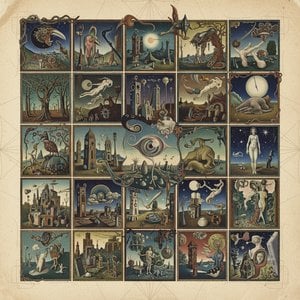
맥스 어른스트 최고 걸작 25선: 꿈과 무의식의 화가, 공간에 예술을 더하다
맥스 어른스트 최고 걸작 25선을 만나보세요. 초현실주의 화가 어른스트의 꿈, 무의식, 혁신적인 기법이 담긴 명화들을 감상하고, 공간에 예술적 영감을 불어넣으세요. ArtsDot.com에서 고품질 미술 작품을 컬렉션하세요.

Bronze Sculptures That Defined Art History | ArtsDot
Journey through art history with our Top 10 bronze sculptures! Explore masterpieces by Rodin, Michelangelo & more. Discover stories behind iconic statues and find museum-quality reproductions for your home decor at ArtsDot.com.


