
- 홈

- 유화 복제화
- marina abramović
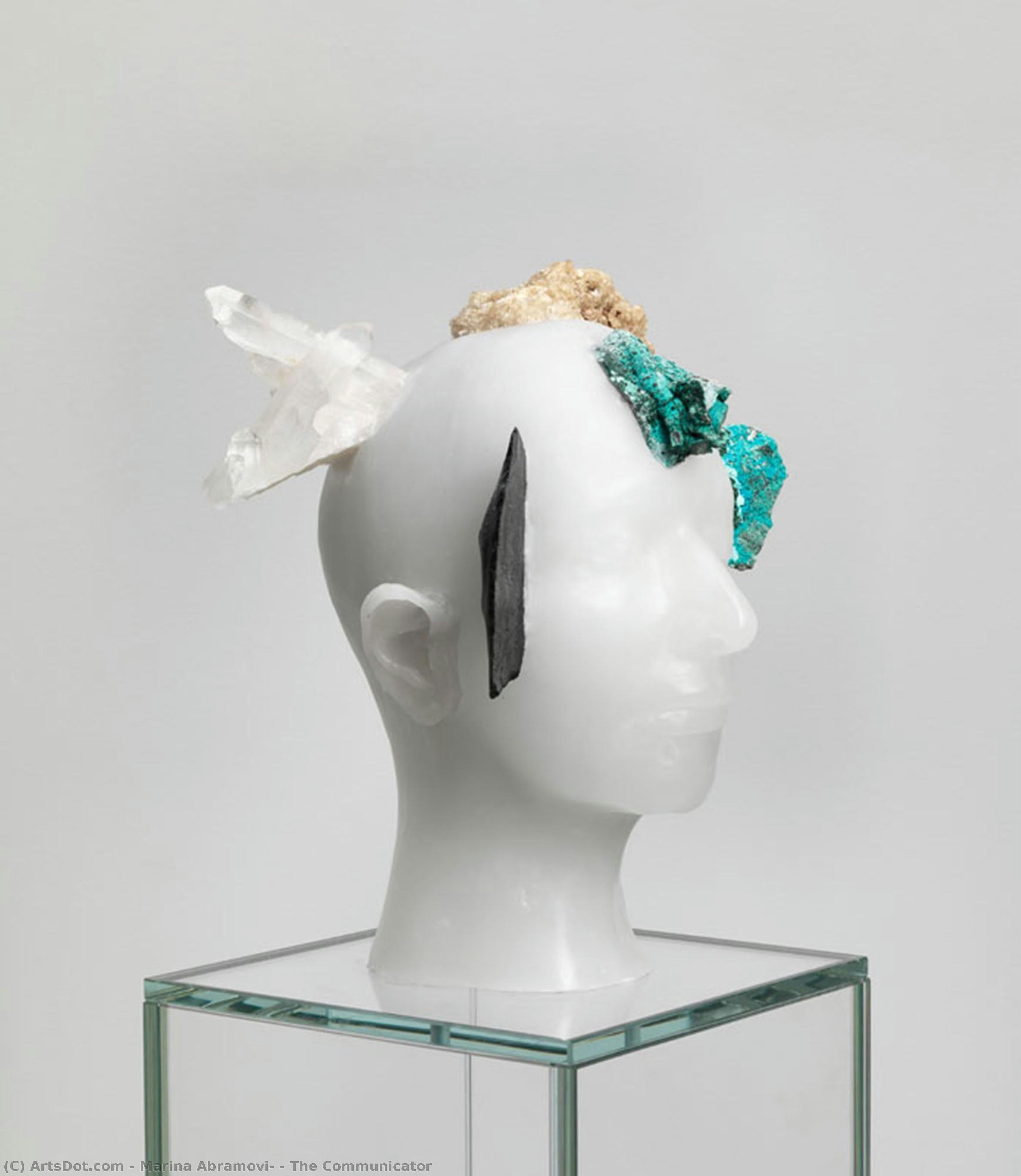
- The Communicator
 Preview
 공유하기
공유하기 공유하기
공유하기
 상세 정보
상세 정보

 다운로드
다운로드
 유사 작품
유사 작품 X-레이
X-레이 슬라이드 쇼
The Communicator

 더 보기
더 보기
수제 유화 복제품
원하는 크기와 액자로 주문 제작되는, 작가들이 직접 캔버스에 손으로 그린 유화 작품입니다. ( Switch to Print Switch to Image)




































작품의 원본 비율을 유지하는 미리 설정된 크기 중에서 선택하세요.

특정 프레임이나 공간에 맞도록 직접 크기를 입력할 수 있습니다. 선택하신 크기가 원본 이미지의 비율과 일치하지 않는 경우, 작품을 자르거나 추가적인 손으로 그린 요소를 사용하여 그림을 확장합니다. 제작 시작 전 승인을 위해 디지털 목업을 보내드립니다.
화면 미리 보기는 실제 자르기 또는 확장을 반영하지 않습니다. 최종 구성은 목업을 통해서만 정확하게 확인하실 수 있습니다.
맞춤 크기 제작도 가능하지만, 원본 비율을 유지하기 위해 사전 정의된 목록에서 크기를 선택하시는 것을 권장합니다.
주문 후 ArtsDot.com 팀에서 상세 안내를 위해 고객님께 이메일을 보내드리며, 미리보기 시안을 제공해 드립니다.


 유리 옵션은 110cm 미만 크기에서만 선택 가능합니다.

The Communicator
재현 기법
복제본 크기
-


최종 결제 금액
$ 263
유사한 작품들


작가 약력
Marina Abramović: The Architect of Pain and Perception
Marina Abramović, a name synonymous with radical performance art, is more than just an artist; she’s a provocateur, a philosopher, and a relentless explorer of the human condition. Born in Belgrade, Serbia, in 1946, her journey has been one of confronting physical and psychological limits, challenging audience expectations, and ultimately redefining what it means to be present within art itself. From her early years steeped in the complexities of post-war Yugoslavia to her current status as a globally recognized icon, Abramović’s work is a testament to the power of vulnerability and the enduring human need to question boundaries.
Her childhood, marked by strict discipline and emotional distance within her family – a complex dynamic involving her devout grandmother and a critical mother – profoundly shaped her artistic approach. This early environment fostered a deep-seated desire to break free from constraints, both internal and external, which would later become central themes in her performances. The influence of the Yugoslav Partisan legacy, coupled with the rigid social structures of the time, instilled within her a rebellious spirit and a willingness to push against established norms – qualities that would prove crucial to her artistic development.
Early Artistic Development & The Rise of Performance
Abramović’s formal art education at the Belgrade Academy of Fine Arts laid the groundwork for her later explorations, but it was through independent experimentation and collaboration that she truly forged her unique path. Her early work involved a gradual shift from traditional painting towards increasingly immersive and participatory experiences. A pivotal moment arrived in 1973 with *Rhythm* 0, a series of performances utilizing knives and tape recorders – an act of self-inflicted pain and meticulous documentation that established her as a pioneer of body art. This marked the beginning of a sustained investigation into the relationship between performer, audience, and the very nature of sensation.
Her collaboration with Ulay, a fellow Serbian artist, from 1976 to 1988, proved particularly transformative. Their performances, often intensely physical and emotionally charged, explored themes of duality, love, and loss through ritualistic gestures and shared vulnerability. Works like *Lovers*, a grueling endurance performance involving the continuous walking of the Great Wall of China, demonstrated Abramović’s willingness to push her own body to its absolute limits – a strategy that would become a defining characteristic of her practice.
The Exploration of Limits & Institutional Recognition
Throughout the 1990s and early 2000s, Abramović's work intensified, delving deeper into themes of pain, endurance, and the boundaries of human perception. Performances like *Balkan Baroque* (1997), a series of ritualistic acts performed in a remote Serbian village, and *The Artist is Present* (2010), where she sat silently facing an audience at the MoMA in New York for eight hours a day, garnered international attention and cemented her reputation as a fearless innovator. These works weren’t merely displays of physical prowess; they were profound meditations on vulnerability, empathy, and the shared human experience.
*The Artist is Present* stands out not only for its scale but also for its quiet intensity. The simple act of sitting in silence, offering a moment of direct connection with viewers, challenged conventional notions of art-making and audience engagement. It demonstrated Abramović’s ability to transform the most ordinary actions into powerful statements about human connection and the importance of presence.
The Marina Abramović Institute & Legacy
In 2007, recognizing the need for a dedicated space to preserve and promote performance art, Abramović founded the Marina Abramović Institute (MAI). This non-profit foundation serves as a vital resource for artists working in the field, providing funding, research support, and exhibition opportunities. The MAI also houses a unique archive of Abramović’s performances, ensuring that her work will continue to inspire and challenge future generations.
Marina Abramović's influence extends far beyond the realm of performance art. She has fundamentally altered our understanding of what constitutes an artistic experience, demonstrating the power of vulnerability, risk-taking, and direct engagement with the audience. Her legacy is one of radical honesty, unwavering commitment to her vision, and a profound belief in the transformative potential of art – a testament to a life dedicated to pushing the boundaries of human expression.

marina abramović
1946 - , Serbia
주요 정보
- Artistic Movement Or Style: Performance art, Body art, Endurance art
- Artists Or Movements Influenced By This Artist:
- Conceptual art
- Avant-garde art
- Artists Who Influenced This Artist:
- Varnava, Serbian Patriarch
- Ulay
- Date Of Birth: November 30, 1946
- Full Name: Marina Abramović
- Nationality: Serbian
- Notable Artworks:
- Rhythm 10
- The Hero
- Happy hour #2
- Balkan Baroque
- The Artist is Present
- Place Of Birth: Belgrade, Serbia

