


 미리보기
미리보기
 공유하기
공유하기 공유하기
공유하기
 상세 정보
상세 정보

 다운로드
다운로드
 유사 작품
유사 작품 X-레이
X-레이 슬라이드 쇼
Robin Redbreast
 Other
Other 51.0 x 38.0 cm
 더 보기
더 보기
지클레 / 아트 프린트
빠른 제작과 다양한 마감 옵션을 제공하는 박물관 품질의 지클레이 또는 캔버스 프린트. ( 수제 페인팅으로 전환하기 이미지로 전환)




P118B $10

P118H $10

P118W $10

P438Z $10

P508JH $12

P508YH $12

P805H $10

P805Z $10

P919BZ $10

P919G $10

P919XJ $10

P959ZH $10

P968JZ $12

W106C $8

W218G $10

W218JH $8

W218Y $10

W307PJ $10

W316G $10

W316PJ $8

W316Y $10

W398PJ $8

W4111J $10

W500HY $15

W500JH $15

W692G $12

W849H $8

W940BG $15

W953PJ $8




작품의 원본 비율을 유지하는 미리 설정된 크기 중에서 선택하세요.

특정 프레임이나 공간에 맞춰 직접 치수를 입력하실 수 있습니다. 선택하신 사이즈가 원본 이미지의 비율과 일치하지 않을 경우, 작품을 크롭(자르기)하거나 이미지를 대칭 또는 단색 채우기로 확장하여 제작합니다. 제작 시작 전, 최종 확인을 위해 디지털 목업이 전송됩니다.
화면상의 미리보기는 실제 크롭이나 확장 상태를 반영하지 않으므로, 최종 구도는 오직 목업을 통해서만 정확하게 확인하실 수 있습니다.
맞춤 사이즈 제작도 가능하지만, 원본 비율을 유지하기 위해서는 사전 정의된 목록에서 치수를 선택하시는 것을 권장합니다.


 유리 옵션은 110cm 미만 크기에서만 선택 가능합니다.

Robin Redbreast
지클레 / 아트 프린트
복제본 크기
-


최종 결제 금액
$ 62
유사한 작품들


작가 약력
A Life Immersed in Art: The World of Margaret Clarke
Margaret Clarke, born Margaret Crilley in Newry, County Down, Ireland on August 1st, 1884, emerged as a significant figure in the Irish art landscape during a period of profound social and artistic change. Often overshadowed by her more famous husband, Harry Clarke, recent scholarship has rightfully begun to illuminate her own remarkable talent and enduring legacy as a portrait painter who captured not merely likenesses but the very essence of her sitters. Her early life, though rooted in a modest background – her father was a flax hackler – fostered an environment that valued creativity; she initially trained alongside her sister Mary with aspirations of becoming a teacher before a scholarship to the Dublin Metropolitan School of Art irrevocably altered her path. It was there, under the tutelage of William Orpen, that Clarke’s artistic potential blossomed, quickly establishing her as one of his most promising pupils.Early Influences and Artistic Development
Orpen's influence proved pivotal in shaping Clarke’s approach to portraiture. He encouraged a directness of observation and a commitment to capturing the psychological depth of the subject, principles that would become hallmarks of her work. Clarke excelled at depicting individuality, moving beyond superficial representation to reveal what she termed the “true self” of those she painted. Her early successes included winning Board of Education medals for painting from life in 1911 and 1912, demonstrating a technical proficiency and sensitivity that garnered recognition even before her marriage. The vibrant Dublin art scene of the early 20th century provided fertile ground for her development; alongside fellow students like Beatrice Glenavy, James Sleator, Kathleen Fox, Leo Whelan, and notably Harry Clarke, she absorbed diverse artistic currents while forging her own distinct style. The shared experiences and mutual encouragement within this cohort were crucial to their individual growth. Her initial foray into the Royal Hibernian Academy in 1913 marked a formal entry into the established art world, though it was her personal connection with Harry Clarke that would dramatically shape the next chapter of her life.Marriage, Collaboration, and Continued Artistic Pursuit
The marriage of Margaret Crilley to Harry Clarke in 1914 was something of a surprise within artistic circles, yet it proved to be a partnership built on mutual respect and shared passion for art. They established a home at 33 North Frederick Street, becoming central figures in Dublin’s cultural life. While Harry's reputation soared with his stained glass masterpieces, Margaret continued her own painting career, balancing the demands of motherhood – they had three children: Michael, David, and Ann – with her artistic ambitions. The couple frequently visited the Aran Islands alongside artist Seán Keating, a journey that inspired landscapes and smaller studies in Clarke’s oeuvre. Following Harry's untimely death in 1931, Margaret assumed directorship of the Harry Clarke Stained Glass Studios, demonstrating remarkable resilience and business acumen while simultaneously maintaining her own artistic practice. This period was marked by both professional responsibility and personal grief, yet she persevered, ensuring the continuation of her husband’s legacy while steadfastly pursuing her own creative vision.A Legacy in Portraiture and Beyond
Clarke's portraits stand as a testament to her keen observational skills and empathetic understanding of human character. She received numerous commissions throughout the 1920s and beyond, capturing prominent figures such as Lennox Robinson, President Éamon de Valera, Archbishop McQuaid, and Dermod O’Brien. Her work wasn’t limited to formal portraiture; she also explored genre scenes like “The Ghost Sonata,” inspired by Strindberg's play, and intimate domestic moments such as "Bathtime at the Creche," often featuring her children and household staff as models. A critic in 1939 lauded her ability to create “remarkable drawings in which individuality is caught in a few swift economical lines.” Clarke’s commitment to art extended beyond her own practice; she taught at both the Dublin School of Art and the RHA Schools, nurturing the next generation of Irish artists. Her election as an Associate (ARHA) in 1926 and a full Royal Hibernian Academician (RHA) in 1927 solidified her position within the artistic establishment. She was also a founding member of the executive committee for the Irish Exhibition of Living Art in 1943, further demonstrating her dedication to promoting contemporary Irish art.Rediscovering Margaret Clarke: A Lasting Impact
For too long, Margaret Clarke’s contributions were viewed primarily through the lens of her relationship with Harry Clarke. However, recent exhibitions and scholarship have begun to redress this imbalance, revealing a gifted artist in her own right whose work deserves wider recognition. Her paintings, characterized by their psychological depth, technical skill, and sensitive portrayal of Irish life, offer a unique window into the early 20th century. Clarke’s legacy extends beyond the canvases she created; it encompasses her role as a teacher, director, and advocate for the arts in Ireland. Today, her work can be found in prestigious collections including the National Gallery of Ireland, The Hugh Lane, the Crawford Art Gallery, and the Ulster Museum, ensuring that her artistic voice continues to resonate with audiences for generations to come. Her story is one of resilience, talent, and a steadfast commitment to art in the face of personal and professional challenges – a truly inspiring figure whose contributions have rightfully earned their place in Irish art history.
margaret clarke
1888 - 1961 , Ireland
주요 정보
- Artistic Movement Or Style: Abstract painting
- Artists Or Movements Influenced By This Artist:
- Color Field painting
- Bauhaus movement
- Artists Who Influenced This Artist:
- Paul Klee
- Wassily Kandinsky
- Date Of Birth: 1888
- Date Of Death: 1976
- Full Name: Josef Albers
- Nationality: German-American
- Notable Artworks:
- Homage to the Square
- Yellow Hexagon – Red-Orange Square
- Place Of Birth: Bottrop, Germany
관련 기사 더 보기

시간을 초월하는 매력: 빈티지 예술의 재현, 맞춤화 및 접근성
ArtsDot에서 역사 속 명화를 소장하세요! 장인의 손길로 재현된 고품질 유화 복제, 맞춤 그림 및 초상화 의뢰 서비스를 제공합니다. 지금 바로 특별한 예술 작품을 만나보세요.
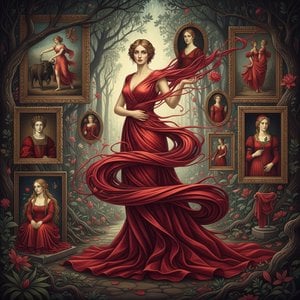
Crimson Threads of Narrative: Exploring Symbolism & Representation in Artworks Featuring the Red Dress
Explore the rich symbolism of the red dress in art history! From ancient power displays to iconic portraits like Cézanne’s 'Madame Cezanne', discover the cultural and artistic significance behind this captivating color. Expert analysis & insights.

Echoes of Eras Past: Exploring Themes & Techniques in Vintage Art Collections
Explore the captivating world of vintage art! Discover historical movements, iconic themes & collecting tips. Find handmade reproductions & expert appraisal at ArtsDot.

Ephemeral Echoes: Exploring the Aesthetic & Historical Significance of Vintage Watercolor Painting
Explore the captivating world of vintage watercolor painting! Discover its rich history, techniques, influential artists & collecting tips. Expert insights for enthusiasts and collectors at ArtsDot.

From Snapshot to Legacy: The Art of Commissioning a Hand-Painted Reproduction from Photography – Preserving Memories Through Oil Painting Techniques
Transform cherished photos into timeless oil paintings with skilled artists. Trusted for bespoke portraits & heirloom art. Discover the process, styles & lasting value – a legacy preserved.

