

 미리보기
미리보기
 공유하기
공유하기 공유하기
공유하기
 상세 정보
상세 정보 가이드 보기

 다운로드
다운로드
 유사 작품 더 보기
 X-레이
X-레이 슬라이드 쇼 보기
 질의응답
질의응답 통계 정보
통계 정보Man sitting beside a window


 더 보기
더 보기
이 페이지에 표시된 작품은 저작권법의 보호를 받으며, 이에 따라 동일한 복제품을 제작하거나 판매하는 것은 법으로 금지되어 있습니다. 이러한 권리 보호는 다음과 같은 국제 협약에 따라 시행됩니다. 베른 협약 또한 다음에서 명시하는 법률을 포함한 국내법에 의해 보호됩니다. 미국 저작권법 제17조.
이 방식은 저작권 보호를 받는 예술 작품을 복제하거나 그대로 재현하는 것이 아니기에 저작권 규정을 완벽히 준수합니다. 대신, 이는 창의적인 재해석의 과정을 거칩니다. 즉, 원작에서 영감을 받되 원작과 동일하지 않은 새로운 회화 작품을 의미합니다.
지클레 / 아트 프린트
빠른 제작과 다양한 마감 옵션을 제공하는 박물관 수준의 지클레이 및 캔버스 프린트. ( 수작업 채색 복제본 주문하기 디지털 이미지로 전환)




P118B ₩10

P118H ₩10

P118W ₩10

P438Z ₩10

P508JH ₩12

P508YH ₩12

P805H ₩10

P805Z ₩10

P919BZ ₩10

P919G ₩10

P919XJ ₩10

P959ZH ₩10

P968JZ ₩12

W106C ₩8

W218G ₩10

W218JH ₩8

W218Y ₩10

W307PJ ₩10

W316G ₩10

W316PJ ₩8

W316Y ₩10

W398PJ ₩8

W4111J ₩10

W500HY ₩15

W500JH ₩15

W692G ₩12

W849H ₩8

W940BG ₩15

W953PJ ₩8




작품의 원본 비율을 그대로 유지하는 프리셋 사이즈 중에서 선택해 보세요.

액자나 벽면 크기에 맞춰 필요한 가로와 세로 길이를 입력해 주세요. 프린트는 원본 이미지보다 크게 제작할 수 없으며 오직 자르는 것만 가능하므로, 비율이 다른 사이즈를 선택할 경우 이미지의 일부가 잘려 나갈 수 있습니다. 인쇄 작업에 들어가기 전, 최종 확인을 위해 디지털 목업을 보내드립니다. 이 페이지에 표시된 이미지는 실제 잘리는 영역을 나타내지 않으며, 오직 목업을 통해서만 정확한 확인이 가능합니다.


 유리 옵션은 110cm 미만 크기에서만 선택 가능합니다.

Man sitting beside a window
지클레 / 아트 프린트
복제본 크기
-


최종 결제 금액
₩ 84408
A Moment of Quietude: The Soul of Duchamp’s Early Mastery
In the vast, often turbulent history of modern art, there exists a rare, fleeting moment where the revolutionary spirit of Marcel Duchamp was still anchored in the serene beauty of the visible world. Man Seated by a Window, painted in 1907, captures this exquisite tension. Before he became the iconoclast who would dismantle the very definition of art through Dada and Readymades, Duchamp was a painter deeply engaged with the sensory delights of his surroundings. This piece invites the viewer into a private sanctuary, presenting a solitary figure lost in thought, framed by the soft light of a window and the vibrant life of blossoming flora. It is not merely a depiction of a man at rest; it is an invitation to pause, to breathe, and to find resonance in the quiet intervals of existence.
The composition functions as a delicate dialogue between the interior and the exterior worlds. As the eye wanders across the canvas, one encounters a masterful use of Post-Impressionist techniques that prioritize emotional atmosphere over rigid anatomical precision. The artist employs loose, gestural brushstrokes that imbue the scene with a sense of living movement—the gentle sway of leaves, the dappled light filtering through the glass, and the soft texture of the man's clothing. This stylistic choice creates a luminous quality, where the muted blues and greens of the background harmonize with warmer, sun-drenched hues from the garden outside, establishing a visual equilibrium that is both soothing and intellectually stimulating.
Technique and the Art of Atmosphere
Executed in oil on canvas, the painting showcases Duchamp’s formidable command over medium and light. The texture of the oil paint allows for a rich layering of color, which lends depth to the shadows within the room and brilliance to the petals of the flowers. For the discerning collector or interior designer, this work offers a sophisticated interplay of tones that can anchor a room with its tranquil energy. Unlike the starker, more clinical works of later modernism, this painting possesses a tactile warmth; it feels inhabited, as if the scent of the garden could drift through the frame. The way the light interacts with the subject suggests a daytime setting filled with the gentle vitality of spring or summer, making it an ideal centerpiece for spaces designed for contemplation and repose.
Beyond its aesthetic charm, the painting serves as a profound historical document. It captures a period of transition in art history, where the boundaries between Impressionism and the burgeoning movements of Cubism were still being negotiated. In this work, we see the seeds of Duchamp’s later philosophical inquiries—the way he uses the window not just as a physical object, but as a metaphorical lens through which we perceive reality. To possess a reproduction of this masterpiece is to hold a piece of the very foundation of modern thought, wrapped in the beautiful, accessible language of classical beauty.
An Inspiration for the Modern Interior
For those looking to curate an environment of elegance and intellectual depth, Man Seated by a Window offers unparalleled versatility. Its palette—a sophisticated blend of organic greens, deep blues, and soft floral accents—complements a wide array of interior styles, from contemporary minimalism to classic European aesthetics. The painting’s ability to evoke a sense of peace makes it a transformative element in a study, a library, or a quiet corner of a living space. It does not demand attention through noise, but rather commands respect through its profound stillness, acting as a window into a more thoughtful and reflective way of being.
질의응답
마르셀 뒤샹의 "Man sitting beside a window"의 색채 구성은 어떻게 이루어져 있나요?
"Man sitting beside a window"에서는 Bold 대비와 Softly Mixed Palette 조화가 어우러져 있습니다.
마르셀 뒤샹의 "Man sitting beside a window"의 방문객 분포는 어떻게 되나요?
마르셀 뒤샹의 "Man sitting beside a window"에 관한 통계 정보는 작품의 방문 통계 페이지에서 확인하실 수 있습니다. 해당 페이지에서는 작품의 월간 방문 횟수, 작가 작품 전체의 방문 횟수, 그리고 최근 방문자의 국가 및 언어별 상세 현황을 제공합니다.
마르셀 뒤샹의 "Man sitting beside a window"은(는) 어떤 색채 조화를 보여주나요?
마르셀 뒤샹의 "Man sitting beside a window"의 색채는 Softly Mixed Palette 조화를 보여줍니다. 여기서 조화란 색상들이 서로 어떻게 어우러지는지를 의미합니다.


작가 정보
마르셀 뒤샹의 삶과 예술
1887년 7월 28일, 프랑스 노르망디의 블랑빌에서 태어난 마르셀 뒤샹은 창조를 향한 본능이 혈관 속에 깊이 새겨진 세상에 발을 내디뎠습니다. 유진과 루시 뒤샹 사이에서 태어난 7남매 중 넷째였던 그는, 예술적 열망이 가득한 가정 환경에서 성장했습니다. 그의 형제들인 자크 빌롱과 레이몽 뒤샹-빌롱, 그리고 누이인 수잔 뒤샹-크로티 모두 예술가로서의 삶을 개척하며 그 특유의 창조적 불안을 공유했습니다. 비록 훗날 그가 매우 복잡하고 다층적인 면모를 지닌 프랑스계 미국인 예술가로 거듭나게 되지만, 그의 근원은 언제나 노르망디의 고요한 풍경 속에 뿌리를 두고 있었습니다.
그의 삶은 결코 붓이나 정을 쫓는 단조로운 여정이 아니었습니다. 그는 수많은 가면을 쓴 채 예술가이자 발명가, 그리고 열정적인 체스 플레이어로서 세상을 유영했습니다. 심지어 그는 정체성의 경계를 더욱 모호하게 만들기 위해 로즈 셀라비라는 여성적 페르소나를 채택하기도 했습니다. 이러한 끊임없는 탐구 정신은 그를 파리와 뉴욕이라는 문화적 중심지 사이로 이끌었고, 그는 시대가 정해놓은 확신들을 해체하기 위해 끊임없이 움직였습니다. 그는 단순히 세상을 캔버스에 담아내기를 원한 것이 아니라, 우리가 세상을 인식하는 방식 그 자체의 메커니즘을 재고하고자 했습니다.
현대 미술에 그가 남긴 족적은 예상치 못한 만큼이나 다채로웠습니다. 그는 지성을 표현할 새로운 언어를 찾기 위해 기계와 일상적인 사물에 주목했습니다. 그의 예술적 성취는 다음과 같은 상징적인 형태들로 나타났습니다:
- 샘 (Fountain)
- 계단을 내려오는 누드, 제2호 (Nude Descending a Staircase, No. 2)
- 대 유리 (The Large Glass)
- 자전거 바퀴 (Bicycle Wheel)
유년 시절과 가족, 그리고 예술적 훈련
프랑스 노르망디의 고요한 마을 블랭빌-크레봉, 그곳에서 앙리-로베르-마르셀 뒤샹이라는 이름의 한 소년이 훗날 창의성의 근간을 뒤흔들 운명적인 삶을 시작했습니다. 그는 예술이 일상적인 언어처럼 흐르는 가정에서 태어났습니다. 그의 형제들인 자크 빌롱과 레이몽 뒤샹-빌롱은 각각 화가와 조각가로서 자신만의 예술적 길을 개척해 나갔습니다. 이러한 예술적 분위기는 소년의 내면에 잠재된 예술적 성향을 키워주었고, 자연스럽게 정식 예술 교육으로 이어졌습니다. 그는 1904년에서 1905년 사이 파리의 아카데미 줄리안(Académie Julian)에서 수학하며 예술적 기틀을 다졌으나, 그의 마음은 작업실보다는 당구대 위에서 더 자주 머물곤 했습니다. 이후 에콜 데 보자르(Ecole des Beaux Artes)에서도 1년여간 수학하며 예술을 탐구했으나, 이는 학문적 전통에 영구히 귀속되기보다는 오히려 기존의 틀을 벗어나려는 자유로운 영혼의 방황에 가까웠습니다.
그의 유년기를 채운 색채와 형태는 격동하는 시대의 흐름을 고스란히 반영하고 있었습니다. 그는 야수파의 강렬한 팔레트와 후기 인상주의의 구조적 탐구에 매료되며 예술적 시야를 넓혀갔습니다. 하지만 그의 행보는 결코 정해진 학문적 경로를 따라 곧게 뻗어 나가지 않았습니다. 1905년, 국가의 부름에 따라 제39보병연대에서 의무 군 복무를 시작하게 된 그는 루앙에서 인쇄소 일을 하며 새로운 경험을 쌓았습니다. 잉크 향기와 인쇄기의 규칙적인 리듬이 가득한 그곳에서, 그는 타이포그래피의 기술적 정교함과 다양한 인쇄 공정을 몸소 익혔습니다. 파리의 화려한 살롱에서 멀리 떨어진 곳에서 터득한 이 실무적인 기술들은, 훗날 사물과 이미지가 어떻게 복제되고 인식되는지에 대한 그의 독창적인 통찰력을 형성하는 밑거름이 되었습니다.
파리에서의 예술적 진화
젊은 예술가가 파리의 거리를 누비며 나아갈 때, 당시의 주요 전시회들을 통해 예술계에 그의 존재감이 서서히 드러나기 시작했습니다. 1909년에 이르러 그는 이미 살롱 데 앵데팡당(Salon des Indépendants)과 살롱 도똔(Salon d’Automne)에서 작품을 선보이며, 동시대 창작자들 사이에서 자신의 자리를 찾기 위해 분투하고 있었습니다. 이 과정에서 그는 폴 세잔의 사상에 깊이 매료되었고, 형태와 구조를 다루는 세잔의 접근 방식은 그의 발전하는 예술적 비전에 지울 수 없는 흔적을 남겼습니다. 이 시기는 단순히 그림 그리는 법을 배우는 과정이 아니라, 급변하는 세상의 복잡성을 표현할 방법을 찾아가는 여정이었습니다.
1911년은 그에게 중대한 전환점이 된 해였습니다. 입체주의 그룹과 교류하기 시작하면서, 파편화된 형태와 다각적인 시점에 몰두하게 된 그는 전통적인 재현 방식으로부터 점차 멀어지기 시작했습니다. 바로 이 시기에 그는 기계적이고 개념적인 것에 대한 깊어지는 관심을 보여주는 작품인 커피 그라인더(Coffee Mill)를 탄생시켰습니다. 그는 정적인 캔버스라는 틀 안에서 움직임과 시간을 묘사할 방법을 갈구하며, 4차원의 개념에 사로잡혀 있었습니다. 이러한 지적 갈증은 그로 하여금 사물의 표면 너머를 응시하게 만들었으며, 예술이 진정으로 눈을 위해서만 존재하는 것인지에 대해 근본적인 의문을 던지게 했습니다.
뉴욕에서의 급진적인 시절
미국 땅을 밟은 마르셀 뒤샹은 자신의 머릿속에 품고 있던 파격적인 사유를 펼치기에 더할 나위 없이 완벽한 토양을 마주했습니다. 그가 미국에 도착한 지 채 2년이 되지 않았을 무렵, 그는 예술계의 근간을 흔들어 놓을 가장 유명한 전복적 행위를 감행하게 됩니다. 활기 넘치는 뉴욕의 지적 사교계에서 그는 호기심 어린 시선 속에 환영받았으며, 전통의 경계를 허물고자 갈망하던 사상가와 창작자들 사이에서 자신의 자리를 찾아 나갔습니다. 이 형성기 동안 그는 생계를 유지하기 위해 프랑스어를 가르쳤는데, 이러한 현실적인 필요는 역설적으로 그가 더욱 지적인 탐구에 몰두할 수 있는 자유를 선사했습니다.
이러한 환경 속에서 그는 뉴욕 프로토-다다(proto-Dada) 운동의 중심 인물로 부상했습니다. 그는 프란시스 피카비아, 만 레이, 그리고 베아트리스 우드와 함께 도시를 누비며, 기존의 질서를 해체하려는 반항적 정신에 불을 지폈습니다. 그의 존재는 뉴욕 다다 운동의 근간을 형성하는 데 결정적인 역할을 했으며, 뉴욕이라는 도시를 예술가의 정의 자체에 도전하는 아이디어들의 실험실로 탈바꿈시켰습니다. 그는 단순히 이 격변의 목격자가 아니라, 그 변화를 이끌어낸 촉매제였습니다.
미국이라는 풍경과 그의 인연은 수십 년에 걸쳐 더욱 깊어졌습니다. 처음에는 지성을 표현할 새로운 방식을 찾아 떠나온 이방인이었으나, 결국 1955년 미국 시민권을 취득하며 그곳의 일원이 되었습니다. 이 시기의 삶은 전문 화가라는 안락한 역할에 안주하기를 거부한 그의 의지로 정의됩니다. 대신 그는 뉴욕이라는 도시를 심오하고 때로는 당혹스러운 개념적 탐구를 수행하는 거대한 공간으로 삼아 끊임없이 도전했습니다.
기법, 스타일 그리고 레디메이드
마르셀 뒤샹은 표면적인 아름다움만으로 관객의 눈을 즐겁게 하는 이른바 '망막적 예술'에 회의를 느꼈습니다. 그는 이러한 예술적 함정에서 벗어나기 위해 사물 이면에 숨겨진 개념에 주목하기 시작했고, 예술의 초점을 시각적 쾌락에서 지적 유희로 과감히 전환했습니다. 이러한 사유의 전환은 1914년경 '레디메이드(ready-made)'라는 혁명적인 창작 방식으로 이어졌습니다. 레디메이드는 대상의 아름다움이나 추함에 근거하여 선택된 것이 아니라, 시각적 무관심이라는 태도를 통해 선택되었습니다. 그는 일상적인 기성품을 선택하여 예술의 영역으로 제시함으로써 전통적인 숙련도와 장인 정신의 필요성을 완전히 제거해 버렸습니다. 붓끝에서 나오는 기술적 숙련도 대신, 작가의 의도적인 선택이 지닌 힘을 믿었던 것입니다.
그의 예술적 실천은 하나의 양식에 안주하기를 거부하며 끊임없이 변화하고 요동쳤습니다. 입체주의의 파편화된 시점들을 탐구하는 한편, 다다이즘의 혼돈 속을 유영했고, 나아가 개념 미술의 심오한 지적 심연으로 나아갔습니다. 조각과 콜라주의 촉각적인 질감부터 단편 영화의 찰나적인 속성, 심지어는 자신의 신체에 이르기까지 그는 매우 방대한 매체를 넘나들며 작업했습니다. 또한 그는 '로즈 셀라비(Rrose Sélavy)'라는 여성적 페르소나를 통해 정체성의 경계를 허물며 젠더의 유동성을 탐구하기도 했습니다. 언어유희와 우연의 요소를 활용하여, 그는 창작이라는 행위를 논리와 전복이 교차하는 하나의 거대한 게임으로 탈바꿈시켰습니다.
- 샘 (Fountain, 1917)
- 자전거 바퀴 (Bicycle Wheel, 1913)
- 병꽂이 (Bottle Rack, 1914)
- 빗 (Comb) (1916)
주요 작품과 혁신적 시도
회화라는 전통적 매체에서 개념적 예술로의 전환은 움직임에 대한 매혹과 형태의 파편화에 대한 탐구로부터 그 서막을 알렸습니다. 1912년, 그는 계단을 내려오는 누드, 제2호를 통해 겹겹이 포개진 면들의 연속으로 인물의 기계적인 움직임을 포착해냈습니다. 이는 정지된 자세를 묘사하는 것이 아니라, 흐르는 움직임 그 자체를 구현하려는 시도였습니다. 이어 1913년에 이르러 그의 관심은 기성품의 조합으로 옮겨갔는데, 그 대표적인 예가 나무 의자 위에 자전거 바퀴와 포크를 결합한 자전거 바퀴입니다. 이러한 선택의 행위는 전통적인 숙련 기술로부터의 결별을 의미했으며, 사물을 손으로 직접 만드는 기술보다 사물을 선택하는 아이디어에 더 큰 가치를 부여했습니다.
그가 뉴욕의 급진적인 예술적 공기 속으로 발을 들이면서, 그의 도발은 더욱 직접적이고 날카로워졌습니다. 1917년, 그는 평범한 도자기 소변기에 "R. Mutt"라는 서명을 남긴 채 샘(Fountain)이라는 이름으로 작품을 제시했습니다. 이 레디메이드 조각은 예술가가 무엇을 하는 사람인가에 대한 근본적인 정의에 도전하며, 사물을 선택하는 행위 자체가 예술이 될 수 있음을 시사했습니다. 이러한 전복적 행보는 1914년의 병 거치대로 이어졌고, 1919년에는 모나리자 엽서에 콧수염과 턱수염을 그려 넣은 L.H.O.O.Q.를 통해 예술적 성역을 해체했습니다. 이 작품들은 관객의 기대를 무너뜨리고 미적 판단에 대한 근본적인 재고를 강요하기 위해 의도되었습니다.
그의 가장 복잡하고 수수께끼 같은 구성물인 대 유리(The Large Glass)는 1915년부터 1923년 사이에 걸쳐 작업하며 오랜 세월 그의 사유를 지배했습니다. 신랑에게 발가벗겨진 신부, 심지어라고도 불리는 이 작품은 납 박과 철사를 사용하여 복잡하고 상징적인 이미지를 탐구했습니다. 이러한 다채로운 실험들을 통해, 마르셀 뒤샹은 예술의 초점을 시각적인 즐거움을 주는 눈에서 인간의 정신과 사유로 완전히 옮겨놓았습니다.
말년과 죽음
미국에서의 역동적이고도 불안정했던 탐색의 시간을 뒤로하고, 마르셀 뒤샹은 1923년 다시 파리로 돌아왔다. 그는 1942년까지 파리에 머물렀는데, 이 시기 동안 그는 전통적인 예술계로부터 점차 거리를 두며 자신만의 길을 걸었다. 한때 그의 급진적인 도발을 이끌었던 그 날카로운 지적 엄격함은 이제 체스라는 정교하고도 전략적인 세계 속에서 새로운 분출구를 찾았다. 그는 이 시기의 상당 부분을 체스에 몰두하며 보냈는데, 이는 과거 그가 개념적 탐구에 쏟았던 것과 다름없는 고도의 정신적 집중력을 요구하는 여정이었다.
1954년, 그는 알렉시나 새틀러를 만나 반려자를 맞이했고 뉴욕에서 결혼식을 올렸다. 변화하는 문화적 지형 속에서 자신의 위치를 정립해 나가는 동안, 두 사람의 삶은 서로에게 헌신적인 동반자로서 이어졌다. 그는 1955년 미국 시민권을 취득하며 새로운 삶을 받아들였으나, 그의 영혼의 뿌리는 여전히 프랑스의 토양에 깊이 맞닿아 있었다. 마르셀 뒤샹은 1968년 10월 2일, 프랑스 뇌이쉬르센에서 생을 마감하며 예술의 경계를 허물었던 그 위대한 여정을 마무리했다.
유산과 지속적인 영향력
그가 던진 도발의 파동은 아방가르드의 작은 원을 넘어 멀리까지 퍼져나갔으며, 결국 우리가 창의성을 인식하는 근본적인 토대를 재편했습니다. 마르셀 뒤샹은 흔히 개념 미술의 시조로 여겨지는데, 이는 예술의 초점을 물리적 대상에서 지성으로 옮겨놓은 거대한 전환점이었습니다. 시각적 결과물보다 아이디어를 우선시함으로써, 그는 20세기 초반 조형 예술의 궤적을 근본적으로 바꾸어 놓았습니다. 이러한 변화는 갑작스러운 단절이 아니라, 초현실주의와 미니멀리즘, 그리고 팝 아트가 탄생할 수 있는 길을 열어준 느리지만 심오한 변혁이었습니다. 그는 예술가의 의도가 의미를 생성하는 핵심 동력이 되는 새로운 시대의 서막을 알렸습니다.
그의 영향력은 전통적인 숙련도의 필요성을 해체한 방식에서 가장 강력하게 드러납니다. 그는 예술가가 의도한 것과 실제로 표현된 것 사이의 관계를 탐구하는 '예술 계수(art coefficient)'라는 개념을 제시했습니다. 이러한 관점은 훗전 세대의 예술가들이 차용의 경계와 관찰자의 역할을 지속적으로 탐구할 수 있는 토대를 마련해 주었습니다. 그는 단순히 오브제를 만들어낸 것이 아니라, 창조라는 행위 자체에 대한 새로운 사고방식을 창조했습니다. 미술사 속에서 그의 존재는 무엇이 예술 작품이 될 수 있는가에 대한 경계를 끊임없이 도전하며 영원한 울림으로 남아 있습니다.
- 샘 (Fountain, 1917)
- 계단을 내려오는 누드, 제2호 (Nude Descending a Staircase, No. 2, 1912)
- 대 유리 (The Large Glass, 1915–1923)
- 자전거 바퀴 (Bicycle Wheel, 1913)
오늘날 그의 작품을 만날 수 있는 곳
끊임없이 요동치던 마르셀 뒤샹의 지적 궤적을 따라가고자 한다면, 필라델피아 미술관으로의 여정이 훌륭한 이정표가 되어줄 것입니다. 이곳은 그의 방대한 예술적 생애를 고스란히 간직한 가장 큰 규모의 컬렉션을 보유하고 있는 곳으로, 결코 한곳에 머물기를 거부했던 그의 역동적인 예술 세계를 가장 깊이 있게 마주할 수 있는 장소입니다. 그의 사상과 오브제들이 한데 모여 있는 이 미술관에서 우리는 비로소 그가 현대 미술에 남긴 거대한 영향력의 무게를 실감하게 됩니다.
런던의 테이트 모던에 가면, 한때 전시계를 발칵 뒤집어 놓았던 도자기 재질의 소변기, 샘(Fountain)을 만날 수 있습니다. 이 파격적인 오브제는 이제 도시의 예술적 유산으로서 그 자리를 굳건히 지키고 있습니다. 한편, 파리의 퐁피두 센터에서는 로토릴리프(Rotorelief) n°11과 로토릴리프(Rotorelief) n°12를 비롯하여, 움직임과 시각적 착시를 탐구했던 그의 실험적이고 역동적인 예술적 시도들을 보존하고 있습니다. 이러한 작품들은 사물이 어떻게 눈을 기만하고 움직임을 구현할 수 있는지에 대한 그의 매혹적인 탐구를 여실히 보여줍니다.
그 외에도 그의 다채로운 예술적 관심사를 반영하듯, 여러 전문 기관들이 그의 작품들을 소중히 품고 있습니다. 파리 조폐국(Monnaie de Paris)에는 그가 초기 시절을 지나 훨씬 후기까지도 형태와 개념에 대해 끊임없이 천착했음을 보여주는 작품인 트레뷔셰(Trébuchet, 함정)가 소장되어 있습니다. 이 작품들을 마주하는 것은 예술을 눈의 유희에서 정신의 사유로 옮겨놓고자 했던 한 거장의 물리적 흔적을 직접 대면하는 경이로운 경험이 될 것입니다.
- 계단을 내려오는 누드, 제2호 (1912)
- 대 유리 (1915–1923)
- 자전거 바퀴 (1913)
- 병 거치대 (1914)

마르셀 뒤샹
1887 - 1968 , 프랑스
작가 정보 요약
- Artistic Movement Or Style:
- 입체주의
- 다다이즘
- 개념 미술
- Artists Or Movements Influenced By This Artist:
- 개념 미술
- 미니멀리즘
- 팝 아트
- 초현실주의
- Artists Who Influenced This Artist: ['세잔']
- Date Of Birth: 1887년
- Date Of Death: 1968년
- Full Name: 앙리-로베르-마르셀 뒤샹
- Nationality: 프랑스계 미국인
- Notable Artworks:
- 샘 (Fountain)
- L.H.O.O.Q
- 대 유리 (The Large Glass)
- 계단을 내려오는 누드, 제2호
- Place Of Birth: 프랑스 블랑빌르-쉬레브
관련 콘텐츠

Impressionism's Masterpieces: 10 Paintings That Defined a Movement | ArtsDot
Journey through Impressionism's heart with 10 iconic paintings by Monet, Renoir & Degas. Explore light, color & the stories behind these masterpieces. Find museum-quality art reproductions and elevate your home decor on ArtsDot.com.

빛과 색채를 넘어: 감각주의 인상주의와 후기인상주의, 안목 있는 수집가를 위한 심층 탐구
빛과 색채를 넘어선 감각주의 인상주의와 후기인상주의 작품 세계 심층 탐구. ArtsDot.com에서 전문가 컨설팅 및 맞춤 제작 서비스를 통해 안목 있는 수집가를 위한 최고의 미술 경험을 제공합니다.
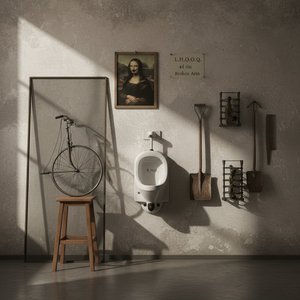
Marcel Duchamp: Challenging Conventions & Redefining Art in the 20th Century
Explore the revolutionary art of Marcel Duchamp! Discover how his Dadaist readymades challenged artistic conventions & redefined modern art. A deep dive into 'Fountain', conceptual shifts, and his lasting impact.

후기인상주의를 정의한 10대 걸작: 예술과 홈데코의 새로운 영감
후기인상주의를 빛낸 10대 명작! 고흐, 세잔 등 거장의 작품 비하인드 스토리와 예술적 의미를 만나보세요. ArtsDot에서 최고급 미술 복제 및 인테리어 영감을 얻고, 당신의 공간을 예술로 채워보세요. 지금 바로 확인하세요!

Beyond Impressionism: Exploring the Emotional Depth of Post-Impressionist Painting
Explore the profound emotional depth & innovative techniques of Post-Impressionism with ArtsDot. Discover Cézanne, Van Gogh, Gauguin & more – and their lasting impact on modern art.


