


 실제 크기로 보기
 보내기
보내기 공유하기
공유하기
 상세 보기
상세 보기 가이드 보기

 이미지 다운로드
 유사 작품 더 보기
 X-레이
X-레이 슬라이드 쇼 보기
 통계 정보
통계 정보Untitled
 38.0 x 46.0 cm
 상세 보기
상세 보기
이 페이지에 표시된 작품은 저작권법의 보호를 받으며, 이에 따라 동일한 복제품을 제작하거나 판매하는 것은 법으로 금지되어 있습니다. 이러한 권리 보호는 다음과 같은 국제 협약에 따라 시행됩니다. 베른 협약 또한 다음에서 명시하는 법률을 포함한 국내법에 의해 보호됩니다. 미국 저작권법 제17조.
저희는 존중을 담은 합법적인 대안으로서, 원작에서 영감을 받은 맞춤형 수제 유화 작품을 제공합니다. 저희의 숙련된 전문 화가들은 원작의 스타일, 분위기, 예술적 정수를 면밀히 연구하여, 그 자체로 독창적인 창작물이면서도 원작과 동일한 감동을 불러일으키는 새로운 작품을 만들어냅니다.
이 방식은 저작권 보호를 받는 예술 작품을 복제하거나 그대로 재현하는 것이 아니기에 저작권 규정을 완벽히 준수합니다. 대신, 이는 창의적인 재해석의 과정을 거칩니다. 즉, 원작에서 영감을 받되 원작과 동일하지 않은 새로운 회화 작품을 의미합니다.
핸드메이드 유화 복제화
작가가 직접 캔버스에 손으로 그린 유화 작품으로, 원하는 크기와 액자로 맞춤 제작해 드립니다. ( 프린트 판매로 전환 디지털 이미지 판매 채널로 전환)




































작품의 원본 비율을 그대로 유지하는 프리셋 사이즈 중에서 선택해 보세요.

액자나 벽면 크기에 맞춰 필요한 가로와 세로 길이를 입력해 주세요. 본 작품은 수작업으로 제작되므로, 요청하신 비율에 따라 작가가 그림의 가장자리를 조금 더 넓게 그리거나 일부를 조정하여 작업할 수 있습니다. 작업 시작 전, 최종 확인을 위해 디지털 목업 이미지를 보내드립니다. 이 페이지에 표시된 이미지는 실제 결과물과 다를 수 있으며, 오직 목업 이미지만이 정확한 결과물을 보여줍니다.
주문 완료 후 ArtsDot.com 팀에서 상세 안내를 위해 고객님께 이메일을 보내드리며, 미리보기 시안을 함께 제공해 드립니다.


 유리 옵션은 110cm 미만 크기에서만 선택 가능합니다.

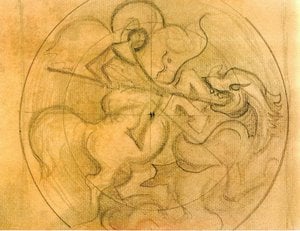
Untitled
재현 매체
복제본 규격
-


총 결제 금액
₩ 358934
관련 작품들



작가 소개
A Legacy Forged in Color and Resilience
The story of Manabu Mabe is one of profound transformation, a narrative that begins far from the bright galleries of São Paulo and moves through the shadows of hardship into the luminous heights of international abstraction. Born in Japan in 1924 to a family once graced by prosperity, Mabe’s early years were defined by a sudden and devastating financial collapse that forced his family to emigrate to Brazil in 1934. This journey, a grueling fifty-day voyage in steerage, marked the beginning of a life shaped by immense physical labor and an unyielding creative spirit. As a young boy on a São Paulo coffee plantation, Mabe labored amidst the coffee trees, tending to rice and vegetables, yet even in the midst of such demanding toil, his mind remained tether of paper scraps and the quiet pursuit of self-taught literacy. It was under the dim glow of a kerosene lamp that he mastered Portuguese, a linguistic bridge that would eventually connect his Japanese heritage with his Brazilian home.
Before ascending to the pinnacle of the fine arts, Mabe’s creative journey took a more tactile, artisanal path. In the late 1950s, he established himself in São Paulo as a craftsman specializing in the delicate art of hand-painted ties. This period of meticulous detail and color application served as a precursor to his later mastery of much larger, more expansive canvases. The transition from the small-scale precision of silk to the sweeping gestures of oil on canvas was nothing short of meteoric. By the late 1950s, Mabe had emerged as a formidable force in the contemporary art scene, securing the top prize at São Paulo’s Contemporary Art Salon and earning Brazil's highest honor at the São Paulo Bienal. His talent even caught the eye of the international community, earning him prestigious accolades as one of the "artists under 35" at the inaugural Paris Biennial, signaling the arrival of a truly global voice.
The Vibrancy of Lyrical Abstraction
Mabe’s mature style is characterized by an extraordinary command of Color Field painting, a technique that allowed him to explore the emotional weight of pure pigment. Drawing inspiration from the monumental works of Mark Rothko and the expressive energy of Willem de Kooning, Mabe developed a visual language that prioritized texture, tonal gradation, and luminous hues. His canvases often became vast landscapes of light, dominated by warm yellows, deep reds, and striking teals. In works such as Esperança du Jouém, one can witness his ability to blend Pop Art sensibilities with the fluid, organic movements of lyrical abstraction, creating compositions that feel both dynamic and serene.
Central to his artistic evolution was his involvement with Grupo Seibi, a collective founded in 1963. This group provided a vital sanctuary for artists dedicated to exploring abstract forms and engaging in deep dialogues regarding the future of modernism in Brazil. Through this collective, Mabe helped shape a movement that sought to transcend representational boundaries, pushing toward an art that spoke directly to the soul through color and form. His work during this era was not merely about decoration; it was an attempt to capture the essence of light and emotion, using thick, expressive brushstrokes to create a sense of depth and movement that invited the viewer into a meditative state.
A Tragic Loss and Enduring Triumph
The trajectory of Mabe’s career is inextricably linked to one of the most heartbreaking mysteries in art history. In 1979, a catastrophic event involving Varig Flight 707—a cargo plane carrying fifty of his significant paintings en route from Tokyo to Rio de Janeiro—resulted in the total disappearance of much of his work. This loss was more than a theft of objects; it was a rupture in the historical record of his development. Yet, rather than allowing this tragedy to silence his voice, Mabe’s legacy endured through the works that remained and the profound impact he had already left on the Brazilian landscape.
Today, the significance of Manabu Mabe is preserved in the permanent collections of the world's most esteemed institutions. His presence can be felt in the halls of:
- The São Paulo Museum of Contemporary Art (MASP)
- The Museum of Modern Art (MoMA) in Rio de Janeiro
- The Beaux-Arts Museum of Dallas
- The Boston Contemporary Art Museum
Mabe remains a pivotal figure whose life serves as a testament to the resilience of the human spirit. From the coffee plantations of Brazil to the prestigious biennials of Paris, his journey was one of constant reinvention. He transformed the hardship of displacement into a vibrant, abstract language that continues to resonate with anyone moved by the power of color and the enduring beauty of light.

Manabu Mabe
1924 - 1997
작가 정보 요약
- Full Name: Manabu Mabe
- Nationality: Japanese
- Date Of Birth: 1924
- Date Of Death: 1997
- Place Of Birth: Japan
- Notable Artworks:
- TA SO GA RE
- Esperança du Jouém
- Artistic Movement Or Style: Abstract Painting / Grupo Seibi
- Artists Or Movements Influenced By This Artist: ['Color Field']