

 미리보기
미리보기
 공유하기
공유하기 공유하기
공유하기
 상세 정보
상세 정보

 다운로드
다운로드
 유사 작품
유사 작품 X-레이
X-레이 슬라이드 쇼
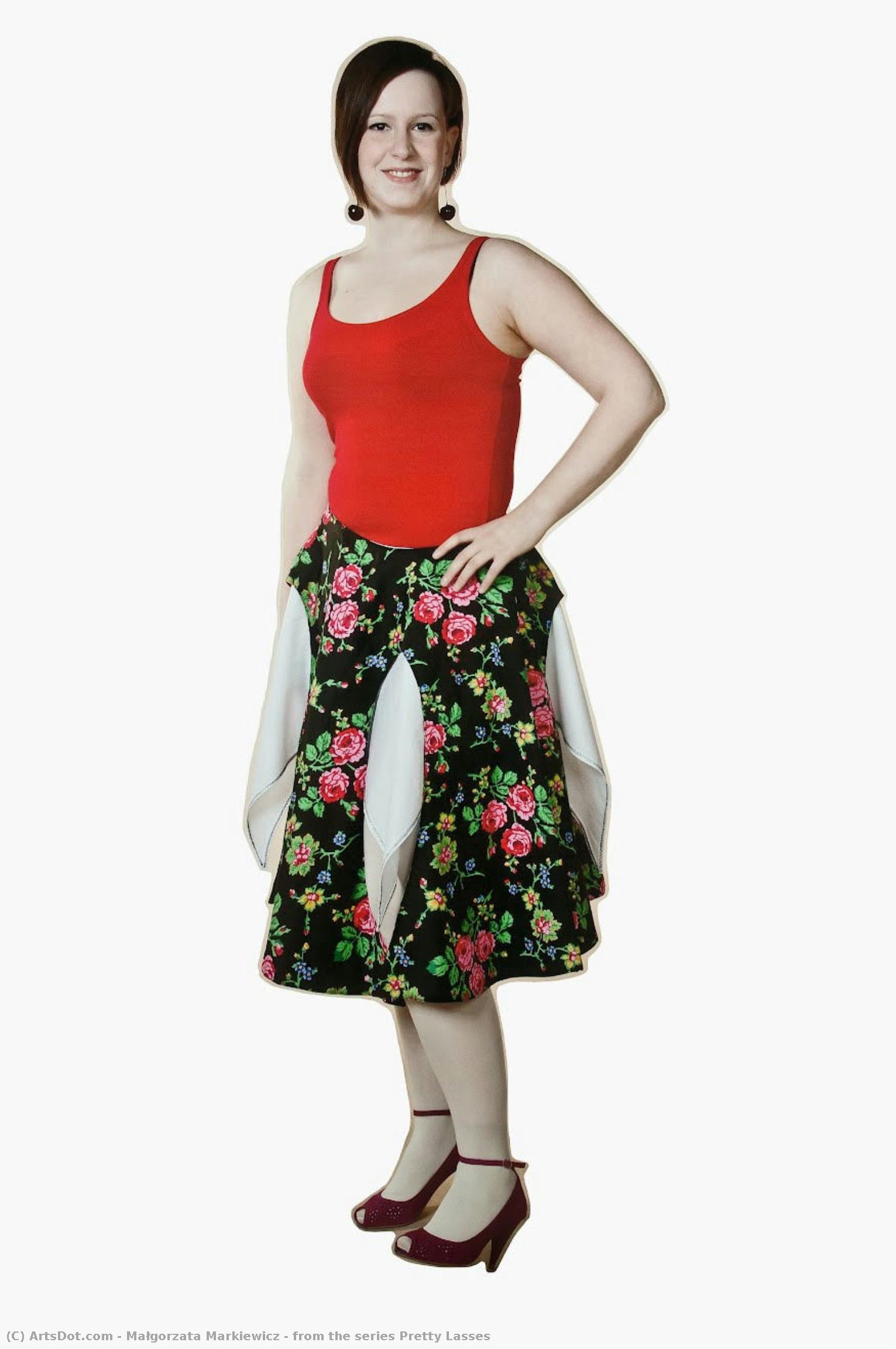
from the series Pretty Lasses


 더 보기
더 보기
지클레 / 아트 프린트
빠른 제작과 다양한 마감 옵션을 제공하는 박물관 품질의 지클레이 또는 캔버스 프린트. ( 수제 페인팅으로 전환하기 이미지로 전환)




































작품의 원본 비율을 유지하는 미리 설정된 크기 중에서 선택하세요.

특정 프레임이나 공간에 맞춰 직접 치수를 입력하실 수 있습니다. 선택하신 사이즈가 원본 이미지의 비율과 일치하지 않을 경우, 작품을 크롭(자르기)하거나 이미지를 대칭 또는 단색 채우기로 확장하여 제작합니다. 제작 시작 전, 최종 확인을 위해 디지털 목업이 전송됩니다.
화면상의 미리보기는 실제 크롭이나 확장 상태를 반영하지 않으므로, 최종 구도는 오직 목업을 통해서만 정확하게 확인하실 수 있습니다.
맞춤 사이즈 제작도 가능하지만, 원본 비율을 유지하기 위해서는 사전 정의된 목록에서 치수를 선택하시는 것을 권장합니다.


 유리 옵션은 110cm 미만 크기에서만 선택 가능합니다.

from the series Pretty Lasses
지클레 / 아트 프린트
복제본 크기
-


최종 결제 금액
$ 62
작품 상세 설명
작가 약력
Małgorzata Markiewicz: Weaving Narratives of Gender and Textile
Born in Kraków, Poland, in 1979, Małgorzata Markiewicz’s artistic journey is deeply rooted in the traditions of Polish textile art while simultaneously challenging conventional notions of femininity and societal roles. Her work, encompassing sculpture, photography, and film, frequently utilizes fabric as its primary medium – not merely as a material, but as a potent symbol laden with cultural significance. From her early studies at the Faculty of Sculpture at the Academy of Fine Arts in Kraków, where she graduated with honors, Markiewicz’s practice has consistently interrogated the complex interplay between personal identity and broader social structures, particularly those surrounding gender dynamics within the domestic sphere.
Early influences were undoubtedly shaped by Poland's rich history of textile production and the enduring role of women as skilled craftswomen. However, Markiewicz transcends mere replication of traditional techniques; she actively subverts them, imbuing her creations with layers of meaning that explore themes of eroticism, memory, and the burden of cultural expectations. Her work frequently references stereotypical female roles – knitting, family life, and the domestic realm – but does so not with sentimentality or nostalgia, rather with a critical eye, exposing the constraints and often-invisible labor associated with these traditions.
Fabric as Language: Symbolism and Technique
Markiewicz’s strategic use of fabric is central to her artistic vision. She doesn't simply drape or sew; she meticulously manipulates textures, patterns, and colors to create evocative narratives. Often drawing upon techniques like embroidery, quilting, and patchwork – traditionally associated with women’s work – she elevates them into sophisticated forms of visual communication. Her pieces frequently incorporate elements that subtly challenge conventional notions of beauty and sexuality. Works such as “Zabawki dla Dużych Chłopców” (Toys for Big Boys), created in 2000, are particularly striking examples of this approach, utilizing textiles to construct playful yet provocative representations of the female body – breasts, vaginas, and penises – offering a humorous commentary on male fantasy and societal expectations.
The artist’s choice of materials is equally deliberate. She often juxtaposes luxurious fabrics with industrial elements like concrete and metal, creating a tension between the delicate and the robust, the ephemeral and the enduring. This contrast mirrors her exploration of the inherent contradictions within traditional gender roles – the softness and vulnerability associated with femininity alongside the strength and resilience required to navigate societal pressures.
Exploring Domestic Spaces and Performance
Markiewicz’s artistic practice extends beyond static objects, incorporating performance art as a crucial element. Her installation “Ciepło-Zimno” (Warm-Cold), created in 2004 for the Goethe Institute courtyard in Kraków, is a powerful example of this approach. The work confronted the stark contrast between the cold stone surfaces and the warmth implied by the draped fabrics, prompting viewers to consider the emotional landscape of domestic spaces – the comfort, the constraints, and the unspoken tensions that often reside within them.
Her engagement with public space further solidified her commitment to challenging social norms. The “Kwiaty” (Flowers) series, created in 2004, utilized discarded clothing fragments arranged on the floor, evoking a sense of nascent growth and simultaneously referencing the consumption and disposability inherent in traditional notions of femininity. These pieces, presented alongside photographs, blurred the lines between art and everyday life, inviting viewers to contemplate the hidden narratives embedded within seemingly mundane objects.
Recognition and Legacy
Małgorzata Markiewicz’s work has been exhibited extensively both nationally and internationally, including at MOCAK in Kraków, Botkyrka Konsthall in Stockholm, and the Center for Contemporary Art Ujazdowski Castle in Warsaw. Her pieces have garnered critical acclaim for their innovative use of materials, their insightful exploration of gender dynamics, and their ability to provoke thoughtful reflection on societal norms. She continues to be a vital voice within contemporary Polish art, pushing boundaries and challenging viewers to reconsider the symbolic power of fabric and its enduring connection to human experience.

małgorzata markiewicz
1979 - , Poland
주요 정보
- Artistic Movement Or Style: Fabric sculpture/film
- Artists Or Movements Influenced By This Artist: ['Feminist art']
- Artists Who Influenced This Artist: ['']
- Date Of Birth: 1979
- Full Name: Małgorzata Markiewicz
- Nationality: Polish
- Notable Artworks:
- Market Woman
- Patchwork Families
- Grzyby (Mushrooms)
- Place Of Birth: Krakow, Poland

