


 미리보기
미리보기
 프린트 구매
 공유하기
공유하기 공유하기
공유하기
 상세 정보
상세 정보

 다운로드
다운로드
 유사 작품
유사 작품 X-레이
X-레이 슬라이드 쇼
Portrait


 더 보기
더 보기




































작품의 원본 비율을 유지하는 미리 설정된 크기 중에서 선택하세요.

특정 프레임이나 공간에 맞도록 직접 크기를 입력할 수 있습니다. 선택하신 크기가 원본 이미지의 비율과 일치하지 않는 경우, 작품을 자르거나 추가적인 손으로 그린 요소를 사용하여 그림을 확장합니다. 제작 시작 전 승인을 위해 디지털 목업을 보내드립니다.
화면 미리 보기는 실제 자르기 또는 확장을 반영하지 않습니다. 최종 구성은 목업을 통해서만 정확하게 확인하실 수 있습니다.
맞춤 크기 제작도 가능하지만, 원본 비율을 유지하기 위해 사전 정의된 목록에서 크기를 선택하시는 것을 권장합니다.
주문 후 ArtsDot.com 팀에서 상세 안내를 위해 고객님께 이메일을 보내드리며, 미리보기 시안을 제공해 드립니다.


 유리 옵션은 110cm 미만 크기에서만 선택 가능합니다.

Portrait
재현 기법
복제본 크기
-


최종 결제 금액
$ 263
유사한 작품들


작가 약력
A Nagasaki Portraitist Bridging East and West
In the vibrant, salt-aired atmosphere of 17th and 18th-century Nagasaki, a unique cultural alchemy was taking place. As Japan's primary gateway for interaction with the outside world during the Edo period, Nagasaki served as a rare window through which Chinese traditions and Western influences could seep into the isolated archipelago. It was within this crucible of global exchange that Kita Genki emerged, a painter whose very existence serves as a testament to the dynamic artistic currents flowing through Japan's westernmost port. A figure of profound technical skill, Genki did not merely observe these shifting tides; he wove them together into a singular, evocative style that bridged the gap between the established traditions of the East and the burgeoning aesthetics of the West.
Genki’s professional identity was deeply rooted in the local landscape of Nagasaki. Historical records, such as the Nagasaki Senmin Gen—a meticulous census of the city's artisans—identify him as a portraitist specializing in both Chinese and Nanban (Western) styles. This designation is particularly significant, as it reveals a painter capable of navigating two distinct visual languages. While many of his contemporaries remained tethered to strictly domestic traditions, Genki embraced the burgeoning demand among the Japanese elite for art that reflected the exotic and the new. His work was not just an act of representation but an act of cultural synthesis, capturing the spiritual gravity of Buddhist subjects through a lens that incorporated foreign artistic innovations.
The Mastery of Ink and Light
The essence of Genki’s artistry lies in his ability to harmonize the delicate precision of Chinese ink wash painting with the dramatic potential of Western techniques. His most celebrated works, such as his portraits of Ōbaku Zen Monks, demonstrate a profound mastery of the brush. In these pieces, one can observe the traditional influence of Chinese monochrome aesthetics—a style deeply intertwined with Buddhist iconography and the pursuit of spiritual truth. Yet, beneath the fluid, meditative strokes of ink, there exists a subtle introduction of Western-inspired chiaroscuro. By utilizing light and shadow to create a sense of volume and presence, Genki breathed a new, tactile dimension into the traditionally flat planes of East Asian portraiture.
This technical duality is most evident in his notable commissions:
- The Portrait of Ōbaku Zen Monk Jifei Ruyi: A work that captures the spiritual authority of the master, featuring inscriptions that connect the subject to the broader lineage of Zen Buddhism.
- The Portrait of Obaku Monk Mokuan: An achievement in capturing the essence and dignity of the monastic life through meticulous detail and atmospheric depth.
Through these portraits, Genki achieved more than mere likeness; he captured the spiritual stature of his subjects. The interplay of fine line work and soft shading allowed him to convey the weight of wisdom and the serenity of enlightenment, making his portraits venerated symbols of both religious devotion and artistic excellence.
A Lasting Legacy in Japanese Art History
Though the specific dates of Genki’s life remain partially shrouded in the mists of history, his impact on the Nagasaki School of painting is undeniable. He belonged to a pivotal era when the influx of Chinese monks and Western traders brought new ideas regarding Confucianism, Zen Buddhism, and even scientific observation to Japan. By integrating these disparate elements, Genki helped shape a burgeoning Japanese artistic identity that was both deeply rooted in tradition and remarkably open to the world.
Today, the legacy of Kita Genki lives on through the preserved treasures held in institutions such as the Indianapolis Museum of Art. To stand before his works is to witness a moment of profound transformation—a time when the boundaries of art were being redrawn by the hands of masters who saw no conflict between the ancient ink of the East and the transformative light of the West. His contribution remains a vital chapter in the story of how Japan navigated its place in a changing global landscape, proving that true innovation often arises from the most unexpected encounters.

kita genki
Japan
주요 정보
- Artistic Movement Or Style: Chinese & Western Painting Techniques
- Date Of Birth: (Nagasaki)
- Date Of Death: (Living)
- Full Name: Kita Genki
- Nationality: Japanese
- Notable Artworks:
- Portrait of the Ōbaku Zen Monk Jifei Ruyi
- Portrait of Obaku Monk Mokuan
- Place Of Birth: Nagasaki, Japan
관련 기사 더 보기

Ephemeral Expressions: Exploring the Nuances of Ink on Paper Through History & Contemporary Art
Explore the captivating world of ink wash painting – from its ancient origins to contemporary masters. Discover techniques, symbolism & conservation insights with ArtsDot.com.

The Beauty of Ink Wash: Discover Serene & Soulful Art for Your Home
Discover the tranquil beauty of ink wash painting. Explore how Sumi-e and monochrome landscapes bring Zen-inspired serenity and soulful elegance to your home decor through expert curation and timeless East Asian aesthetics.

Xie Zhiliu: A Legacy of Ink Wash Painting & Modern Chinese Literati Tradition
Explore the legacy of Xie Zhiliu, a master of Chinese ink wash painting & prominent figure in modern art. Discover his techniques, influences, and contributions to literati tradition. A guide for discerning collectors.

Ephemeral Lines: Exploring Emotional Resonance in Ink Sketching Traditions
Explore the profound art of ink sketching! Discover techniques to express emotion, master line work, and cultivate artistic sensitivity. Learn from historical masters & unlock your creative potential.
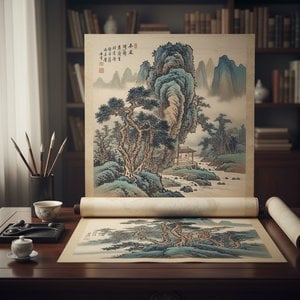
Pu Xinyu's 'Puru': A Legacy of Literati Painting & Emotional Resonance
Explore the captivating world of Pu Xinyu (Puru), the last great literati painter. Discover his imperial heritage, masterful ink wash techniques & enduring legacy – a valuable addition to any discerning art collection.