


 미리보기
미리보기
 공유하기
공유하기 공유하기
공유하기
 상세 정보
상세 정보 가이드 보기

 다운로드
다운로드
 유사 작품
유사 작품 X-레이
X-레이 슬라이드 쇼
 통계 정보
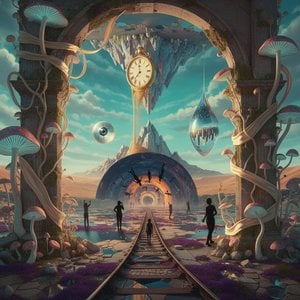
통계 정보Untitled 2, Rustam Series
 Contemporary Surrealism
 2010
2010 49.0 x 42.0 cm
 더 보기
더 보기
수제 유화 복제품
원하는 크기와 액자로 주문 제작되는, 작가들이 직접 캔버스에 손으로 그린 유화 작품입니다. ( 프린트 판매로 전환 디지털 이미지로 전환)




































작품의 원본 비율을 유지하는 미리 설정된 크기 중에서 선택하세요.

특정 프레임이나 공간에 맞도록 직접 크기를 입력할 수 있습니다. 선택하신 크기가 원본 이미지의 비율과 일치하지 않는 경우, 작품을 자르거나 추가적인 손으로 그린 요소를 사용하여 그림을 확장합니다. 제작 시작 전 승인을 위해 디지털 목업을 보내드립니다.
화면 미리 보기는 실제 자르기 또는 확장을 반영하지 않습니다. 최종 구성은 목업을 통해서만 정확하게 확인하실 수 있습니다.
맞춤 크기 제작도 가능하지만, 원본 비율을 유지하기 위해 사전 정의된 목록에서 크기를 선택하시는 것을 권장합니다.
주문 후 ArtsDot.com 팀에서 상세 안내를 위해 고객님께 이메일을 보내드리며, 미리보기 시안을 제공해 드립니다.


 유리 옵션은 110cm 미만 크기에서만 선택 가능합니다.

Untitled 2, Rustam Series
재현 기법
복제본 크기
-


최종 결제 금액
$ 263
유사한 작품들


작가 약력
The Tapestry of Memory: The Art of Khadim Ali
Born in 1978 in the rugged landscape of Quetta, Pakistan, Khadim Ali carries within his brushstrokes the profound weight of displacement and the enduring strength of heritage. As a member of the Hazara ethnic group, his early years were shaped by the proximity to the Afghan border and the oral traditions that flowed through his family. The rhythmic chanting of the Shahnameh—the Persian epic poem known as the Book of Kings—sung by his grandfather, served as his first encounter with a world where myth and reality intertwine. This childhood immersion in epic storytelling provided the spiritual foundation for an artistic career that would eventually bridge the gap between ancient Mughal traditions and the urgent political realities of the modern era.
Ali’s formal education was a journey through the great centers of Islamic art and calligraphy. His studies at the Lahore National College of Arts allowed him to master the meticulous, painstaking techniques of Mughal miniature painting, while his time at Tehran University refined his command over the fluid elegance of calligraphy. This rigorous training in classical methods became more than just a technical skill; it became a vessel for preservation. By adopting the disciplined precision of the miniature tradition, Ali found a way to honor a cultural identity that has often been threatened by conflict and erasure.
Resilience Amidst the Ruins
The migration of Ali’s life—from the borderlands of Pakistan to a guest residency in Japan, and eventually to the urban landscape of Sydney, Australia—is mirrored in the thematic depth of his work. His move to Australia in 2010 and his subsequent postgraduate studies at the University of New South Wales provided him with a global perspective from which to critique contemporary suffering. His art is far from mere decoration; it is a visceral confrontation with the scars of war, the persecution of the Hazara people, and the devastating loss of cultural landmarks. One of his most poignant recurring motifs involves the Buddhas of Bamiyan, those colossal statues destroyed by the Taliban in 2001, which serve as haunting symbols of both monumental beauty and catastrophic destruction.
In his practice, Ali utilizes the layered textures and intense colors characteristic of the Rustam Series to evoke a sense of transformation and mystery. He weaves together disparate elements—Islamic calligraphy, avian figures, and historical imagery—to create a surreal landscape where the past is never truly gone. Through this synthesis, he explores themes such as:
- Cultural Erasure: The use of historical motifs to lament the destruction of physical and intangible heritage.
- The Refugee Experience: Translating the psychological state of exile and displacement into visual metaphors.
- Mythological Continuity: Reimagining the legends of the Shahnameh to reflect contemporary struggles for justice and survival.
A Global Voice in Contemporary Art
Khadim Ali’s significance extends far beyond the boundaries of personal memoir, as his work has been featured in some of the world's most prestigious contemporary art forums. His participation in the Venice Biennale (2006) and Documenta Kassel (2012) signaled his emergence as a vital voice in the international dialogue regarding identity and politics. By bringing the delicate, often overlooked language of Mughal miniature painting to these massive global stages, he forces the viewer to confront the human cost of geopolitical shifts through a lens of exquisite beauty.
His recent contributions, including exhibitions such as Waqt al-tagheer: Time of change in Adelaide and his involvement in major group shows like Voice Against Reason at Museum MACAN, demonstrate an artist who remains deeply engaged with the pulse of the present. Ali does not merely document history; he breathes life into it, ensuring that the echoes of the Shahnameh and the resilience of the displaced continue to resonate in the collective consciousness of a global audience.

Khadim Ali
1978 - , Pakistan
주요 정보
- Artistic Movement Or Style: Mughal Miniature Art
- Artists Or Movements Influenced By This Artist: ['Islamic calligraphy']
- Artists Who Influenced This Artist: ['Shahnameh illustrators']
- Date Of Birth: 1978
- Full Name: Khadim Ali
- Nationality: Australian
- Notable Artworks:
- Untitled 2, Rustam Series
- Untitled 1, Rustam Series
- Place Of Birth: Quetta, Pakistan
관련 기사 더 보기

The Magic of Collage: How to Layer Texture and Story into Your Home Decor
Elevate your interiors with the magic of collage. Discover expert tips on layering texture, 3D elements, and personal narratives through mixed media art to create a soulful, sophisticated home decor experience.
Dreamscapes & Disrupted Realities: Exploring Surrealism's Enduring Influence
Explore the fascinating world of Surrealism! Discover its origins, key artists like Dalí & Magritte, and enduring influence on art & culture. Expert insights & high-quality reproductions at ArtsDot.

초현실주의를 정의한 10대 걸작: 꿈과 현실의 경계를 넘어서
초현실주의 미술의 정수를 담은 10대 걸작을 만나보세요! 마그리트, 달리 등 거장의 작품 비하인드 스토리와 예술적 의미를 탐구하고, 꿈결 같은 분위기를 당신의 공간에. ArtsDot.com에서 명품 아트 프린트를 찾아 지금 바로 경험하세요.

맥스 어른스트 최고 걸작 25선: 꿈과 무의식의 화가, 공간에 예술을 더하다
맥스 어른스트 최고 걸작 25선을 만나보세요. 초현실주의 화가 어른스트의 꿈, 무의식, 혁신적인 기법이 담긴 명화들을 감상하고, 공간에 예술적 영감을 불어넣으세요. ArtsDot.com에서 고품질 미술 작품을 컬렉션하세요.

Pop Surrealism: A Collision of Culture, Dreams & the Subconscious in Post-War Art
Explore the captivating world of Pop Surrealism with ArtsDot. Discover key artists like George Condo & Robert Williams, investment potential, and the movement's cultural impact. Expert insights for collectors.