


 미리보기
미리보기
 프린트 구매
 공유하기
공유하기 공유하기
공유하기
 상세 정보
상세 정보

 다운로드
다운로드
 유사 작품
유사 작품 X-레이
X-레이 슬라이드 쇼
중국 이야기

 더 보기
더 보기




P118B $10

P118H $10

P118W $10

P438Z $10

P508JH $12

P508YH $12

P805H $10

P805Z $10

P919BZ $10

P919G $10

P919XJ $10

P959ZH $10

P968JZ $12

W106C $8

W218G $10

W218JH $8

W218Y $10

W307PJ $10

W316G $10

W316PJ $8

W316Y $10

W398PJ $8

W4111J $10

W500HY $15

W500JH $15

W692G $12

W849H $8

W940BG $15

W953PJ $8




작품의 원본 비율을 유지하는 미리 설정된 크기 중에서 선택하세요.

특정 프레임이나 공간에 맞도록 직접 크기를 입력할 수 있습니다. 선택하신 크기가 원본 이미지의 비율과 일치하지 않는 경우, 작품을 자르거나 추가적인 손으로 그린 요소를 사용하여 그림을 확장합니다. 제작 시작 전 승인을 위해 디지털 목업을 보내드립니다.
화면 미리 보기는 실제 자르기 또는 확장을 반영하지 않습니다. 최종 구성은 목업을 통해서만 정확하게 확인하실 수 있습니다.
맞춤 크기 제작도 가능하지만, 원본 비율을 유지하기 위해 사전 정의된 목록에서 크기를 선택하시는 것을 권장합니다.
주문 후 ArtsDot.com 팀에서 상세 안내를 위해 고객님께 이메일을 보내드리며, 미리보기 시안을 제공해 드립니다.


 유리 옵션은 110cm 미만 크기에서만 선택 가능합니다.

중국 이야기
재현 기법
복제본 크기
-


최종 결제 금액
$ 263
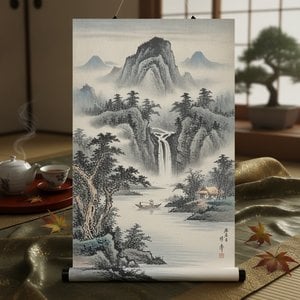
Exploring Tranquility and Tradition: Katsushika Hokusai’s “Chinese Stories”
Katsushika Hokusai (1760 – 1849), arguably Japan's most celebrated printmaker, transcends the simple categorization of artist; he was a visionary who fundamentally reshaped Japanese artistic expression. Born in Edo, during a period of significant social and cultural transformation—the Meiji Restoration ushered in rapid modernization—Hokusai’s oeuvre embodies both the enduring spirit of classical aesthetics and an unprecedented engagement with contemporary observation. His masterpiece, “Chinese Stories,” exemplifies this duality perfectly, offering viewers a glimpse into a world steeped in mythic grandeur yet grounded in meticulous detail.A Symphony of Ink and Watercolor: Technique and Style
“Chinese Stories” is executed in Hokusai’s signature *ukiyo-e* style—woodblock printing with watercolor pigment—a technique honed over decades of experimentation and refinement. The artist skillfully employed multiple blocks, each meticulously carved to transfer tonal variations onto paper, achieving breathtaking depth and luminosity. Watercolor washes delicately layered upon the inked impressions create a mesmerizing interplay of color and texture, capturing the ethereal beauty characteristic of Japanese landscape art. Unlike Western painting’s emphasis on illusionistic perspective, *ukiyo-e* prioritized conveying atmosphere and emotion through stylized representations—a deliberate choice that aligns seamlessly with the narrative intent of “Chinese Stories.” The subtle blending of colors achieved through watercolor creates a luminous effect, mirroring the serene quality of the depicted scene.Echoes of Mythology: Historical Context and Symbolism
The artwork draws heavily upon Chinese folklore and mythology, specifically tales recounting heroic deeds and moral lessons. The central image depicts a man cradling a dog – a motif frequently appearing in Japanese art symbolizing loyalty and filial piety—while positioned beside a reclining figure. Surrounding them are other individuals engaged in contemplative poses, reflecting the importance of harmony and contemplation within Japanese culture during Hokusai’s lifetime. The inclusion of cats adds another layer of symbolism; cats were considered guardians of prosperity and good fortune, reinforcing the artwork's optimistic outlook. Furthermore, the composition itself mirrors traditional Chinese landscape paintings—a deliberate homage to artistic precedents that underscores Hokusai’s profound understanding of visual language. This stylistic choice speaks to a broader cultural fascination with idealized representations of nature and human virtue.Capturing Emotion: Artistic Impact and Legacy
“Chinese Stories” transcends mere depiction; it strives to evoke a feeling of serene contemplation. The muted palette – predominantly blues and greens – contributes to this tranquil atmosphere, mirroring the natural beauty of Japan’s mountainous regions. Hokusai’s masterful use of tonal gradation—the subtle blending of colors—creates an illusion of depth and movement, drawing viewers into the scene. More than just a beautiful image, “Chinese Stories” encapsulates the core values of Japanese culture: respect for tradition, appreciation for nature, and belief in moral virtue. Its enduring popularity testifies to Hokusai’s ability to capture not only visual splendor but also the very essence of human experience—a legacy that continues to inspire artists and collectors alike. The artwork's quiet grandeur invites reflection on themes of compassion and interconnectedness.A Timeless Reflection on Human Connection
The artwork’s subtle narrative invites viewers to ponder themes of companionship, responsibility, and inner peace. It serves as a poignant reminder that even amidst grand narratives and symbolic representations, the simplest gestures – caring for another being—can hold profound significance. “Chinese Stories” stands as a testament to Hokusai’s genius: an artwork that speaks volumes without uttering a word, captivating audiences across generations with its timeless beauty and enduring message of harmony. Consider framing this exquisite print in a minimalist setting to maximize its impact and honor the artist's intention to convey tranquility and contemplation.


작가 약력
葛飾北斎: 파도를 넘어 영원한 예술로
에도 시대, 격동의 삶 속에서 끊임없이 변화하며 혁신을 거듭했던 화가, 葛飾北斎(카츠시카 호쿠사이)는 단순한 판화가가 아니었습니다. 그는 약 1760년 에도(오늘날 도쿄)에서 태어나 거의 90세에 이르기까지 예술적 탐구를 멈추지 않았으며, 그의 작품은 오늘날 전 세계 수많은 이들에게 영감을 주고 있습니다. 어린 시절부터 그림 그리기에 대한 열정을 불태웠던 호쿠사이의 삶은, 아버지 中島 ISE(나카지마 이에)의 지지와 격려 속에서 시작되었습니다. 비록 부유한 환경은 아니었지만, 그의 예술적 재능은 끊임없는 노력과 헌신으로 빛을 발하며 일본 미술계에 혁명적인 변화를 가져왔습니다.浮世絵의 거장, 새로운 시각을 열다
호쿠사이의 공식적인 예술 교육은 12세에 시작되었으며, 浮世絵(우키요에) 장인 勝川春松(카츠가와 슌쇼)의 제자가 되었습니다. 우키요에는 당시 에도 시대의 일상생활, 배우, 게이샤, 풍경 등을 담아낸 판화 예술로, 호쿠사이 역시 초기에는 이 전통을 따랐습니다. 그러나 그는 단순히 스승의 스타일을 모방하는 데 만족하지 않았습니다. 끊임없는 실험과 새로운 시도를 통해 자신만의 독특한 예술 세계를 구축해 나갔습니다. 책 삽화부터 단일판화까지 다양한 작품 활동을 펼치며, 그의 기술은 빠르게 발전했고, 점차 浮世絵의 틀을 깨는 혁신적인 시도를 선보였습니다. 특히 그는 서양 회화 기법, 예를 들어 원근법과 명암법 등을 적극적으로 도입하여 일본 판화에 새로운 차원을 더했습니다.富嶽三十六景: 영원한 파도의 이미지
호쿠사이의 예술적 업적 중 가장 빛나는 것은 단연 富嶽三十六景(후가쿠 산주로쿠케이), 즉 ‘후지산 36경’ 시리즈입니다. 이 시리즈는 1830년대에 제작되었으며, 그중에서도 神奈川沖浪裏(카나가와 오키나미우라), 일명 ‘偉大なる波(위대한 파도)’는 전 세계적으로 가장 유명한 작품 중 하나가 되었습니다. 거대한 파도가 배들을 덮치려는 순간을 역동적으로 표현한 이 작품은 단순한 풍경화 이상의 의미를 지닙니다. 자연의 위대함과 인간의 나약함을 동시에 보여주며, 삶의 희망과 절망, 그리고 끊임없이 변화하는 세상에 대한 깊은 성찰을 담고 있습니다. 호쿠사이의 富嶽三十六景 시리즈는 단순한 풍경 묘사를 넘어 일본인의 정신세계를 반영하고 있으며, 서양 미술에도 지대한 영향을 미쳤습니다.
- 주요 영향: 우키요에 전통, 중국 산수화, 에도 시대의 일상생활
- 핵심 특징: 대담한 선, 생생한 색채, 역동적인 구도, 자연에 대한 예리한 관찰력
호쿠사이의 영향력은 일본을 넘어 전 세계로 퍼져나갔습니다. 19세기 후반, 일본이 서양에 문호를 개방하면서 우키요에 판화가 유럽 시장으로 대거 유입되었고, 이는 ‘Japonisme(자포니즘)’이라는 새로운 예술 사조를 탄생시켰습니다. 클로드 모네, 에드가 드가, 빈센트 반 고흐 등 수많은 서양 화가들이 호쿠사이의 작품에서 영감을 얻었으며, 그의 대담한 구도와 독특한 색채는 인상주의 미술에 큰 영향을 미쳤습니다. 특히 반 고흐는 ‘偉大なる波’를 자신의 그림으로 재해석하며 호쿠사이의 예술적 정신을 기렸습니다.
호쿠사이의 삶은 끊임없는 변화와 혁신의 연속이었습니다. 그는 생애 동안 30번 이상의 필명을 바꾸었으며, 각 이름에는 새로운 예술적 단계나 신념이 담겨 있었습니다. “狂って筆を持つ老人(狂って筆を持つ老人)”, 즉 ‘미치광이처럼 붓을 잡은 노인’이라는 자칭은 그의 예술에 대한 열정과 끊임없는 탐구를 잘 보여줍니다. 그는 80대에도 그림 그리기를 멈추지 않았으며, 그의 작품은 시대를 초월하여 전 세계 사람들에게 감동과 영감을 선사하며 영원히 기억될 것입니다.

호쿠사이
1760 - 1849 , 일본
주요 정보
- 국적: 일본인
- 대표 작품:
- 겐다이 에도의 불꽃놀이
- 후지산 36경
- 고야의 만화
- 가마쿠라 해안의 큰 파도
- 사망일: 1849년 5월 10일
- 영향을 받은 예술 사조: ['인상주의']
- 영향을 준 예술가: ['중국 풍경화']
- 예술 사조: 우키요에 (浮世絵)
- 전체 이름: 葛飾北斎 (카츠시카 호쿠사이)
- 출생일: 1760년 10월 31일
- 출생지: 도쿄, 일본
관련 기사 더 보기

가츠시카 호쿠사이 최고 걸작 25선: 우키요에의 정수를 만나다 | ArtsDot
가츠시카 호쿠사이의 최고 걸작 25선을 만나보세요. 우키요에, 대판화 기법과 후지산 풍경의 아름다움을 담은 명작들을 감상하고, ArtsDot에서 고품질 아트 프린트와 인테리어 액자를 찾아보세요. 지금 바로 컬렉션을 탐험하세요!

생명의 공간으로: 예술 속 동물 형상의 지속적인 존재와 인테리어 디자인 탐구
예술 속 동물 형상의 깊은 의미와 인테리어 디자인 활용법을 탐구합니다. 기독교 미술의 상징주의부터 현대적인 공간 연출까지, ArtsDot에서 전문가의 통찰력을 만나보세요.

Ephemeral Expressions: Exploring the Nuances of Ink on Paper Through History & Contemporary Art
Explore the captivating world of ink wash painting – from its ancient origins to contemporary masters. Discover techniques, symbolism & conservation insights with ArtsDot.com.

The Beauty of Ink Wash: Discover Serene & Soulful Art for Your Home
Discover the tranquil beauty of ink wash painting. Explore how Sumi-e and monochrome landscapes bring Zen-inspired serenity and soulful elegance to your home decor through expert curation and timeless East Asian aesthetics.
Serenity on Canvas: A Guide to the Timeless Beauty of Japanese Landscape Painting
Discover the serene beauty of Japanese landscape painting. From Hokusai's iconic woodblock prints to meditative sumi-e ink washes, explore a visual journey through the 'floating world' and learn how to bring this timeless Zen aesthetic into your modern home decor.


