


 작품 구매하기
 공유하기
공유하기 공유하기
공유하기
 Details

 다운로드
다운로드
 유사 작품
유사 작품 X-Ray
X-Ray 슬라이드 쇼
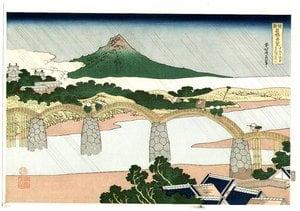
Crossing A Bridge With Iris

 더 알아보기



P118B $10

P118H $10

P118W $10

P438Z $10

P508JH $12

P508YH $12

P805H $10

P805Z $10

P919BZ $10

P919G $10

P919XJ $10

P959ZH $10

P968JZ $12

W106C $8

W218G $10

W218JH $8

W218Y $10

W307PJ $10

W316G $10

W316PJ $8

W316Y $10

W398PJ $8

W4111J $10

W500HY $15

W500JH $15

W692G $12

W849H $8

W940BG $15

W953PJ $8




작품의 원본 비율을 유지하는 미리 설정된 크기 중에서 선택하세요.

특정 프레임이나 공간에 맞춰 직접 치수를 입력하실 수 있습니다. 선택하신 사이즈가 원본 이미지의 비율과 일치하지 않을 경우, 작품을 크롭(자르기)하거나 이미지를 대칭 또는 단색 채우기로 확장하여 제작합니다. 제작 시작 전, 최종 확인을 위해 디지털 목업이 전송됩니다.
화면상의 미리보기는 실제 크롭이나 확장 상태를 반영하지 않으므로, 최종 구도는 오직 목업을 통해서만 정확하게 확인하실 수 있습니다.
맞춤 사이즈 제작도 가능하지만, 원본 비율을 유지하기 위해서는 사전 정의된 목록에서 치수를 선택하시는 것을 권장합니다.


 유리 옵션은 110cm 미만 크기에서만 선택 가능합니다.

Crossing A Bridge With Iris
지클레 / 아트 프린트
복제본 크기
-


최종 결제 금액
-
작품 상세 설명
A Moment of Playful Journey: Exploring Hokusai’s ‘Crossing A Bridge With Iris’
- Subject and Composition: This captivating *ukiyo-e* woodblock print by Katsushika Hokusai presents a lively scene of everyday life in Edo-period Japan. We observe figures – a young boy joyfully riding atop a buffalo, accompanied by two adults – traversing what appears to be a simple wooden bridge or platform amidst a lush landscape of reeds. The composition is skillfully divided into horizontal bands: the foreground dominated by the buffalo and its riders, a midground filled with swaying reeds, and a distant background featuring a serene mountain range beneath an expansive sky. This layered approach creates depth while maintaining the characteristic flattened perspective of Ukiyo-e.
- Style and Technique: ‘Crossing A Bridge With Iris’ exemplifies Hokusai's mastery of the *ukiyo-e* style – “pictures of the floating world.” The artwork is defined by its bold, graphic lines, flat planes of color, and stylized representation of forms. Hokusai employed woodblock carving techniques, meticulously transferring his design onto wooden blocks which were then inked and pressed onto paper. Layering different colored inks allowed for subtle variations in tone and texture, creating a slightly grainy surface that adds to the print’s visual appeal. The use of strong black outlines is particularly striking, defining shapes with clarity and precision.
Historical Context & Symbolism within Edo Japan
- A Glimpse into Daily Life: Hokusai’s work provides a valuable window into the daily lives of people during the Edo period (1603-1868). *Ukiyo-e* prints were immensely popular, serving as affordable art for the burgeoning merchant class. They depicted scenes from history, mythology, landscapes, and – crucially – everyday life, offering entertainment and a reflection of contemporary society.
- Symbolic Resonance: While seemingly simple, ‘Crossing A Bridge With Iris’ likely carries symbolic weight. The buffalo, a powerful animal often associated with strength and prosperity in Asian cultures, could represent resilience or good fortune. The distant mountain embodies permanence and tradition – a grounding element within the dynamic scene. The inclusion of irises is also significant; historically, the Eight Bridges (Yatsuhashi) was famed for its iris blooms, becoming a celebrated motif in Japanese art and poetry, representing beauty and fleeting moments.
Emotional Impact & Artistic Legacy
- A Sense of Lightheartedness: The overall emotional tone of the artwork is one of joy and lightheartedness. The playful interaction between the figures, combined with the vibrant colors and dynamic composition, evokes a sense of carefree enjoyment. It’s a scene that invites viewers to share in this moment of simple pleasure.
- Hokusai's Enduring Influence: Katsushika Hokusai (1760-1849) remains one of Japan’s most celebrated artists, and his influence extends far beyond the borders of his homeland. His innovative approach to composition, color, and subject matter profoundly impacted Western art, particularly Impressionism and Post-Impressionism. ‘Crossing A Bridge With Iris’, like many of Hokusai's works, continues to inspire awe and admiration for its artistic merit and cultural significance.
유사한 작품들




작가 약력
葛飾北斎: 파도를 넘어 영원한 예술로
에도 시대, 격동의 삶 속에서 끊임없이 변화하며 혁신을 거듭했던 화가, 葛飾北斎(카츠시카 호쿠사이)는 단순한 판화가가 아니었습니다. 그는 약 1760년 에도(오늘날 도쿄)에서 태어나 거의 90세에 이르기까지 예술적 탐구를 멈추지 않았으며, 그의 작품은 오늘날 전 세계 수많은 이들에게 영감을 주고 있습니다. 어린 시절부터 그림 그리기에 대한 열정을 불태웠던 호쿠사이의 삶은, 아버지 中島 ISE(나카지마 이에)의 지지와 격려 속에서 시작되었습니다. 비록 부유한 환경은 아니었지만, 그의 예술적 재능은 끊임없는 노력과 헌신으로 빛을 발하며 일본 미술계에 혁명적인 변화를 가져왔습니다.浮世絵의 거장, 새로운 시각을 열다
호쿠사이의 공식적인 예술 교육은 12세에 시작되었으며, 浮世絵(우키요에) 장인 勝川春松(카츠가와 슌쇼)의 제자가 되었습니다. 우키요에는 당시 에도 시대의 일상생활, 배우, 게이샤, 풍경 등을 담아낸 판화 예술로, 호쿠사이 역시 초기에는 이 전통을 따랐습니다. 그러나 그는 단순히 스승의 스타일을 모방하는 데 만족하지 않았습니다. 끊임없는 실험과 새로운 시도를 통해 자신만의 독특한 예술 세계를 구축해 나갔습니다. 책 삽화부터 단일판화까지 다양한 작품 활동을 펼치며, 그의 기술은 빠르게 발전했고, 점차 浮世絵의 틀을 깨는 혁신적인 시도를 선보였습니다. 특히 그는 서양 회화 기법, 예를 들어 원근법과 명암법 등을 적극적으로 도입하여 일본 판화에 새로운 차원을 더했습니다.富嶽三十六景: 영원한 파도의 이미지
호쿠사이의 예술적 업적 중 가장 빛나는 것은 단연 富嶽三十六景(후가쿠 산주로쿠케이), 즉 ‘후지산 36경’ 시리즈입니다. 이 시리즈는 1830년대에 제작되었으며, 그중에서도 神奈川沖浪裏(카나가와 오키나미우라), 일명 ‘偉大なる波(위대한 파도)’는 전 세계적으로 가장 유명한 작품 중 하나가 되었습니다. 거대한 파도가 배들을 덮치려는 순간을 역동적으로 표현한 이 작품은 단순한 풍경화 이상의 의미를 지닙니다. 자연의 위대함과 인간의 나약함을 동시에 보여주며, 삶의 희망과 절망, 그리고 끊임없이 변화하는 세상에 대한 깊은 성찰을 담고 있습니다. 호쿠사이의 富嶽三十六景 시리즈는 단순한 풍경 묘사를 넘어 일본인의 정신세계를 반영하고 있으며, 서양 미술에도 지대한 영향을 미쳤습니다.
- 주요 영향: 우키요에 전통, 중국 산수화, 에도 시대의 일상생활
- 핵심 특징: 대담한 선, 생생한 색채, 역동적인 구도, 자연에 대한 예리한 관찰력
호쿠사이의 영향력은 일본을 넘어 전 세계로 퍼져나갔습니다. 19세기 후반, 일본이 서양에 문호를 개방하면서 우키요에 판화가 유럽 시장으로 대거 유입되었고, 이는 ‘Japonisme(자포니즘)’이라는 새로운 예술 사조를 탄생시켰습니다. 클로드 모네, 에드가 드가, 빈센트 반 고흐 등 수많은 서양 화가들이 호쿠사이의 작품에서 영감을 얻었으며, 그의 대담한 구도와 독특한 색채는 인상주의 미술에 큰 영향을 미쳤습니다. 특히 반 고흐는 ‘偉大なる波’를 자신의 그림으로 재해석하며 호쿠사이의 예술적 정신을 기렸습니다.
호쿠사이의 삶은 끊임없는 변화와 혁신의 연속이었습니다. 그는 생애 동안 30번 이상의 필명을 바꾸었으며, 각 이름에는 새로운 예술적 단계나 신념이 담겨 있었습니다. “狂って筆を持つ老人(狂って筆を持つ老人)”, 즉 ‘미치광이처럼 붓을 잡은 노인’이라는 자칭은 그의 예술에 대한 열정과 끊임없는 탐구를 잘 보여줍니다. 그는 80대에도 그림 그리기를 멈추지 않았으며, 그의 작품은 시대를 초월하여 전 세계 사람들에게 감동과 영감을 선사하며 영원히 기억될 것입니다.

호쿠사이
1760 - 1849 , 일본
주요 정보
- 국적: 일본인
- 대표 작품:
- 겐다이 에도의 불꽃놀이
- 후지산 36경
- 고야의 만화
- 가마쿠라 해안의 큰 파도
- 사망일: 1849년 5월 10일
- 영향을 받은 예술 사조: ['인상주의']
- 영향을 준 예술가: ['중국 풍경화']
- 예술 사조: 우키요에 (浮世絵)
- 전체 이름: 葛飾北斎 (카츠시카 호쿠사이)
- 출생일: 1760년 10월 31일
- 출생지: 도쿄, 일본
관련 기사 더 보기

가츠시카 호쿠사이 최고 걸작 25선: 우키요에의 정수를 만나다 | ArtsDot
가츠시카 호쿠사이의 최고 걸작 25선을 만나보세요. 우키요에, 대판화 기법과 후지산 풍경의 아름다움을 담은 명작들을 감상하고, ArtsDot에서 고품질 아트 프린트와 인테리어 액자를 찾아보세요. 지금 바로 컬렉션을 탐험하세요!


Alexei Bogolyubov: Bridging Realism & Romanticism in the Russian Landscape Tradition
Explore the captivating world of Alexei Bogolyubov, a master of Russian Realism & Romanticism. Discover his stunning landscapes, maritime scenes, and lasting influence on 19th-century art. Learn more at ArtsDot.

Alfred Worthington: Bridging Victorian Realism & Early Modern Landscape Painting
Explore the captivating landscapes of Alfred Worthington (1834-1927), a pivotal figure bridging Victorian realism & early Impressionism. Discover his Welsh hunting scenes, artistic evolution, and collecting guide.

Ukiyo-e's Poetic Visionary: Hiroshige Ando & the Transformation of Landscape in 19th-Century Japan
Explore the life & art of Ando Hiroshige, Japan's last great ukiyo-e master. Discover his iconic landscapes, poetic style, and profound influence on Western Impressionism. Learn about The Fifty-Three Stations & more!

Eanger Irving Couse: Bridging Tradition & Modernity in American Southwest Art
Explore the life & art of Eanger Irving Couse, a pivotal figure in Southwestern Impressionism and founder of the Taos Society of Artists. Discover his captivating paintings & legacy.



