


 미리보기
미리보기
 공유하기
공유하기 공유하기
공유하기
 상세 정보
상세 정보 가이드 보기

 다운로드
다운로드
 유사 작품
유사 작품 X-레이
X-레이 슬라이드 쇼
 통계 정보
통계 정보Untitled (D2X7EH)
 Buddhist Painting
 301
301 124.0cm x 74.0cm
 더 보기
더 보기
수제 유화 복제품
원하는 크기와 액자로 주문 제작되는, 작가들이 직접 캔버스에 손으로 그린 유화 작품입니다. ( 프린트 판매로 전환 디지털 이미지로 전환)




































작품의 원본 비율을 유지하는 미리 설정된 크기 중에서 선택하세요.

특정 프레임이나 공간에 맞도록 직접 크기를 입력할 수 있습니다. 선택하신 크기가 원본 이미지의 비율과 일치하지 않는 경우, 작품을 자르거나 추가적인 손으로 그린 요소를 사용하여 그림을 확장합니다. 제작 시작 전 승인을 위해 디지털 목업을 보내드립니다.
화면 미리 보기는 실제 자르기 또는 확장을 반영하지 않습니다. 최종 구성은 목업을 통해서만 정확하게 확인하실 수 있습니다.
맞춤 크기 제작도 가능하지만, 원본 비율을 유지하기 위해 사전 정의된 목록에서 크기를 선택하시는 것을 권장합니다.
주문 후 ArtsDot.com 팀에서 상세 안내를 위해 고객님께 이메일을 보내드리며, 미리보기 시안을 제공해 드립니다.


 유리 옵션은 110cm 미만 크기에서만 선택 가능합니다.

Untitled (D2X7EH)
재현 기법
복제본 크기
-


최종 결제 금액
$ 288
유사한 작품들


작가 약력
A Brush with Eternity: The World of Kasuga Motomitsu
Kasuga Motomitsu remains a figure shrouded in the mists of early Japanese art history, yet his influence resonates through centuries of Kamakura period (1185-1333) painting. Unlike many artists whose lives are meticulously documented, details surrounding Motomitsu’s existence are scarce. He wasn't a court painter celebrated with official commissions or extensive biographical records; instead, he emerged as a pivotal figure in the development of *yamato-e*, a distinctly Japanese style of landscape and narrative painting that prioritized intimate observation and emotional resonance over strict adherence to Chinese conventions. Born sometime in Japan during the late 10th or early 11th century, his story is largely reconstructed through analysis of his surviving works—most notably, the exquisite Portrait of Xuanzang (Genjō) with Attendant. This painting isn’t merely a portrait; it's a window into the spiritual world of the period and a testament to Motomitsu’s mastery of silk as a medium.Early Influences and Artistic Training
The artistic landscape in which Motomitsu matured was undergoing significant transformation. Prior to the Kamakura period, Japanese painting had been heavily influenced by Chinese styles—particularly Song Dynasty landscapes and figure paintings. However, a growing desire for uniquely Japanese expression began to take root. Buddhist art played a crucial role in shaping Motomitsu’s early aesthetic sensibilities. The emphasis on intricate detail, symbolic representation, and the use of gold leaf and vibrant colors within religious iconography profoundly impacted his approach. He received training in traditional Japanese art forms, absorbing techniques passed down through generations of artisans. This foundation allowed him to skillfully blend established conventions with a burgeoning sense of individuality. It’s believed that Motomitsu's early work focused on Buddhist themes, preparing him for the complex task of depicting religious figures and narratives with both technical precision and spiritual depth.The Portrait of Xuanzang: A Masterpiece Unveiled
Portrait of Xuanzang (Genjō) with Attendant, created in the 14th century, stands as Motomitsu’s most celebrated achievement—and arguably a defining work within *yamato-e*. The painting depicts the Chinese Buddhist monk Xuanzang, revered in Japan as Genjō, alongside an attendant. Measuring 123.8cm x 74.3cm, the silk canvas is imbued with a serene atmosphere and remarkable attention to detail. Motomitsu’s use of color is striking—not through bold extravagance but through subtle harmonies and delicate gradations. The rendering of Xuanzang himself is particularly noteworthy; his face conveys wisdom, compassion, and an inner tranquility that transcends mere physical representation. The landscape surrounding the figures isn't a realistic depiction of nature but rather a symbolic evocation of the spiritual realm—a space conducive to contemplation and enlightenment.Style and Technique: A Delicate Balance
Motomitsu’s artistic style is characterized by a delicate balance between precision and expressiveness. His lines are fluid yet controlled, creating a sense of movement and vitality within his compositions. He skillfully employed traditional Japanese motifs, such as cherry blossoms—symbols of impermanence and renewal—and dragons, representing power and good fortune. The choice of silk as his medium was crucial to his artistic vision. Silk allowed him to achieve an unparalleled level of detail and luminosity, enhancing the ethereal quality of his paintings. His technique involved layering colors meticulously, creating depth and texture that draws the viewer into the artwork’s world. This painstaking process reflects a deep reverence for materials and a commitment to craftsmanship.Legacy and Impact: Shaping Japanese Aesthetics
While concrete details about Motomitsu's life remain elusive, his impact on the development of Japanese art is undeniable. He helped pave the way for a more distinctly Japanese aesthetic—one that prioritized emotional resonance, intimate observation, and symbolic representation over strict adherence to Chinese conventions. His work influenced generations of artists who followed, inspiring them to explore new forms of expression within *yamato-e*. The Portrait of Xuanzang (Genjō) with Attendant continues to be revered as a masterpiece of Japanese art—a testament to Motomitsu’s skill, vision, and enduring legacy. He represents a pivotal moment in the transition from Chinese-influenced styles towards a uniquely Japanese artistic identity, leaving an indelible mark on the cultural landscape of Japan.
kasuga motomitsu
Japan
주요 정보
- Artistic Movement Or Style: World Goes Pop
- Artists Or Movements Influenced By This Artist: ['Influences various contemporary artists']
- Artists Who Influenced This Artist: ['Influenced by diverse artists within the World Goes Pop movement']
- Date Of Death: Living
- Notable Artworks: ['Various works featured in The World Goes Pop exhibition']
- Place Of Birth: WahooArt
관련 기사 더 보기

가츠시카 호쿠사이 최고 걸작 25선: 우키요에의 정수를 만나다 | ArtsDot
가츠시카 호쿠사이의 최고 걸작 25선을 만나보세요. 우키요에, 대판화 기법과 후지산 풍경의 아름다움을 담은 명작들을 감상하고, ArtsDot에서 고품질 아트 프린트와 인테리어 액자를 찾아보세요. 지금 바로 컬렉션을 탐험하세요!

Floating World: The Captivating Art and Legacy of Japanese Ukiyo-e
Explore the profound beauty of Japanese Ukiyo-e. Discover the history, masters like Hokusai, and the enduring legacy of the 'Floating World' through an expert art-historical lens.

Léonard Foujita: A Poetic Synthesis of Japanese Sensibility & European Modernism
Discover the captivating world of Léonard Foujita, a master bridging Japanese aesthetics & European Modernism. Explore his signature style, diverse works, and enduring legacy – essential reading for discerning art collectors.
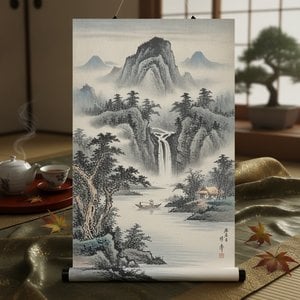
Serenity on Canvas: A Guide to the Timeless Beauty of Japanese Landscape Painting
Discover the serene beauty of Japanese landscape painting. From Hokusai's iconic woodblock prints to meditative sumi-e ink washes, explore a visual journey through the 'floating world' and learn how to bring this timeless Zen aesthetic into your modern home decor.

Utagawa Kuniyoshi: A Master of Japanese Ukiyo-e – Narrative Innovation & the Fusion of Tradition with Popular Culture
Explore the captivating world of Utagawa Kuniyoshi, a master of Japanese ukiyo-e woodblock prints. Discover his innovative warrior scenes, vibrant landscapes & lasting legacy in 19th-century art history.