

 미리보기
미리보기
 공유하기
공유하기 공유하기
공유하기
 상세 정보
상세 정보 가이드 보기

 다운로드
다운로드
 유사 작품 더 보기
 X-레이
X-레이 슬라이드 쇼 보기
 질의응답
질의응답 통계 정보
통계 정보Linn (City)

- 125.0 x 175.0 cm


 더 보기
더 보기
이 페이지에 표시된 작품은 저작권법의 보호를 받으며, 이에 따라 동일한 복제품을 제작하거나 판매하는 것은 법으로 금지되어 있습니다. 이러한 권리 보호는 다음과 같은 국제 협약에 따라 시행됩니다. 베른 협약 또한 다음에서 명시하는 법률을 포함한 국내법에 의해 보호됩니다. 미국 저작권법 제17조.
이 방식은 저작권 보호를 받는 예술 작품을 복제하거나 그대로 재현하는 것이 아니기에 저작권 규정을 완벽히 준수합니다. 대신, 이는 창의적인 재해석의 과정을 거칩니다. 즉, 원작에서 영감을 받되 원작과 동일하지 않은 새로운 회화 작품을 의미합니다.
지클레 / 아트 프린트
빠른 제작과 다양한 마감 옵션을 제공하는 박물관 수준의 지클레이 및 캔버스 프린트. ( 수작업 채색 복제본 주문하기 디지털 이미지로 전환)




P118B ₩10

P118H ₩10

P118W ₩10

P438Z ₩10

P508JH ₩12

P508YH ₩12

P805H ₩10

P805Z ₩10

P919BZ ₩10

P919G ₩10

P919XJ ₩10

P959ZH ₩10

P968JZ ₩12

W106C ₩8

W218G ₩10

W218JH ₩8

W218Y ₩10

W307PJ ₩10

W316G ₩10

W316PJ ₩8

W316Y ₩10

W398PJ ₩8

W4111J ₩10

W500HY ₩15

W500JH ₩15

W692G ₩12

W849H ₩8

W940BG ₩15

W953PJ ₩8




작품의 원본 비율을 그대로 유지하는 프리셋 사이즈 중에서 선택해 보세요.

액자나 벽면 크기에 맞춰 필요한 가로와 세로 길이를 입력해 주세요. 프린트는 원본 이미지보다 크게 제작할 수 없으며 오직 자르는 것만 가능하므로, 비율이 다른 사이즈를 선택할 경우 이미지의 일부가 잘려 나갈 수 있습니다. 인쇄 작업에 들어가기 전, 최종 확인을 위해 디지털 목업을 보내드립니다. 이 페이지에 표시된 이미지는 실제 잘리는 영역을 나타내지 않으며, 오직 목업을 통해서만 정확한 확인이 가능합니다.


 유리 옵션은 110cm 미만 크기에서만 선택 가능합니다.

Linn (City)
지클레 / 아트 프린트
복제본 크기
-


최종 결제 금액
₩ 84526
The Nocturnal Tapestry of Jüri Palm
In the quiet, shadowed corridors of Estonian modernism, few artists captured the pulse of the urban night as intimately as Jüri Palm. His 1977 masterpiece, Linn (City), serves as a profound window into the soul of Tallinn, acting not merely as a depiction of architecture, but as a psychological map of urban existence. Measuring an imposing 125 x 175 cm, this large-scale work invites the viewer to lose themselves in a labyrinth of light and shadow. The painting functions through a mesmerizing series of at least thirteen distinct window panes, each acting as a miniature stage where life unfolds in silent, nocturnal vignettes. Through these apertures, we glimpse fragments of humanity—people, animals, and enigmatic objects—all suspended in the amber glow of an urban twilight.
The technique employed by Palm is nothing short of cinematic. He utilizes a complex, multi-layered approach that blends elements of realism with a deeply symbolic, almost surrealist sensibility. Each window is meticulously rendered, creating a mosaic effect that demands slow, contemplative observation. As the eye wanders across the canvas, the boundaries between the interior and exterior worlds begin to blur. The artist masterfully manipende the interplay of light, using it to draw focus to specific, poignant details while allowing others to recede into the velvety darkness of the Estonian night. This rhythmic movement of light and shadow creates a sense of depth that makes the canvas feel less like a flat surface and more like a living, breathing entity.
To understand Linn (City), one must look toward the cultural landscape of the 1970s Estonian SSR. This era was defined by an explosion of urban literature and a fascination with the "nocturnal city" as a site of both alienation and profound connection. Palm’s work exists in a beautiful, symbiotic relationship with the literary movements of his time, particularly the urban novels that explored the complexities of modern life. His frequent collaborations with the writer Mati Unt further enriched this thematic depth, infusing his canvases with a narrative weight that mirrors the introspective prose of the era. The painting is a visual companion to the literature of its time, capturing the same sense of mystery and existential inquiry found in the works of the great Estonian intellectuals.
For the discerning collector or interior designer, this reproduction offers more than just aesthetic beauty; it provides a focal point of immense intellectual and emotional gravity. The artwork’s intricate composition makes it an ideal centerpiece for spaces that value storytelling and depth. Whether placed in a contemporary gallery setting or a sophisticated residential study, Linn (City) brings with it an atmosphere of quiet contemplation and historical resonance. It is a piece that rewards the viewer with every glance, offering new secrets within its many windows, and serves as a timeless tribute to the enduring magic of the city after dark.
질의응답
Jüri Palm의 "Linn (City)"의 저작권으로 복제가 가능한가요?
에스토니아 미술관에 소장된 Jüri Palm의 "Linn (City)"은(는) 저작권 보호 대상입니다 상태입니다. 이 상태에 따라 해당 이미지의 복제 가능 여부가 결정됩니다.
"Linn (City)"은(는) 어느 시대의 작품인가요?
"Linn (City)"은(는) Modern 시대의 작품입니다.
Jüri Palm의 "Linn (City)"은 어떤 종류의 작품인가요?
Jüri Palm의 "Linn (City)"은(는) WallArt로 분류됩니다. 이 카테고리는 해당 작품의 예술적 형식을 나타냅니다.
유사한 작품들


작가 정보
The Nocturnal Soul of Tallinn: The Artistry of Jüri Palm
Jüri Palm (1937–2002) stands as a pivotal figure in the landscape of Estonian art history, a master whose brushstrokes captured the very pulse of Tallinn’s nocturnal existence. Born in Estonia during a period of profound artistic and social transformation, Palm developed a vision that was deeply intertwined with the intellectual currents of his time. His work is not merely a collection of landscapes but a psychological exploration of the urban experience, shaped significantly by the burgeoning urban literature of the 1960s. Notably, his creative journey was enriched by collaborations with influential writers such as Mati Unt, whose explorations of identity and societal change mirrored Palm’s own fascination with the shifting textures of city life.
The essence of Palm’s oeuvre lies in its ability to blend meticulous realism with a hauntingly beautiful symbolic representation. He possessed a rare gift for portraying the nocturnal cityscape not just as a collection of buildings and streets, but as a living, breathing entity. Through his eyes, the shadows of Tallinn became a canvas for exploring themes of memory, mortality, and the ephemeral nature of human connection. His technique often involved a sophisticated interplay of light and shadow, using subtle color palettes to evoke the mysterious, almost dreamlike atmosphere of the Estonian capital after dark.
Urban Visions and the Symphony of Light
Palm’s artistic output is characterized by an unwavering dedication to portraying the urban landscape with exceptional sensitivity. His works often function as a window into a world where the boundaries between reality and hallucination begin to dissolve. In his masterpiece Meie elufragment (Our Life Fragment), created in 1973, the viewer is swept into a kaleidoscopic energy that feels like a visual symphony. The painting utilizes vibrant hues and complex layering to distill the multifaceted experience of urban existence into a single, evocative image. Within this expansive canvas, one might encounter the rhythmic movement of a bustling carnival or the unexpected, surreal presence of an elephant, all serving to celebrate the beautiful unpredictability of life.
Beyond the celebratory, Palm was unafraid to delve into the more turbulent aspects of urban life. His work Tulede vool (Flow of Lights), produced between 1973 and 1974, presents a cinematic collision of light and chaos. Here, he captures a moment of violent intersection—a car and motorcycle collision—with a precision that recalls photojournalism, yet it is filtered through a lens of psychological depth. This ability to navigate between the visceral reality of an accident and the fever dream of a nocturnal city highlights his range as a storyteller. Similarly, pieces like Linn (City) act as psychological maps, using intricate compositions—such as a series of distinct window panes—to invite the viewer into a labyrinth of light and shadow.
Legacy and Historical Significance
The historical significance of Jüri Palm extends far beyond the borders of Estonia. He was an artist who successfully interrogated the profound existential questions of his era through the medium of the cityscape. His work provides a vital record of the aesthetic and intellectual shifts occurring in Estonian modernism, capturing a sense of identity that resonates with the mystery of the Baltic region. By confronting themes of mortality, as seen in Nekroloog kodanik N. surma puhul, he elevated the urban genre to a level of profound philosophical inquiry.
Today, Palm’s legacy is preserved within the hallowed halls of institutions such as the Tallinn City Museum, where his paintings continue to cast light on the city's identity. His ability to capture the ethereal essence of Tallinn’s streets ensures that his work remains a cornerstone of Estonian modern art. For collectors and historians alike, Palm offers more than just aesthetic beauty; he provides a profound emotional resonance, inviting every viewer to lose themselves in the enduring magic of the nocturnal city.

Jüri Palm
1937 - 2002 , Estonia
작가 정보 요약
- Artistic Movement Or Style: Urban Painting
- Artists Or Movements Influenced By This Artist: ['Urban Literature']
- Artists Who Influenced This Artist: ['Mati Unt']
- Date Of Birth: 1937
- Date Of Death: 2002
- Full Name: jüri palm
- Nationality: Estonian
- Notable Artworks:
- Lõunatund
- Meie elufragment
- Nekroloog kodanik N. surma puhul
- Place Of Birth: Estonia
관련 콘텐츠

Concrete Visions: Exploring the Urban Landscape in Painting – From Realism to Contemporary Art
Explore the evolution of cityscape painting from Realism to contemporary art with ArtsDot. Discover key artists & invest in timeless urban visions. Expert guidance, museum-quality reproductions.

Urban Visions: A Historical & Artistic Exploration of the Cityscape in Painting
Explore the evolution of cityscape painting from historical maps to Impressionist masterpieces. Discover artists like Caillebotte & Utrillo. Find museum-quality reproductions at ArtsDot.
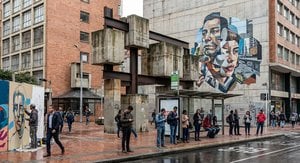
Concrete Narratives: Exploring Urban Life in Modern & Contemporary Art
Explore the evolution of cityscape painting with ArtsDot. Discover key artists from Realism to contemporary movements & invest in timeless urban visions. Expert guidance, museum-quality reproductions.

Urban Visions: A Historical & Artistic Exploration of the Cityscape in Painting
Explore the evolution of cityscape painting from historical maps to Impressionist masterpieces. Discover artists like Caillebotte, Utrillo & Matsumoto Shunsuke. Find museum-quality reproductions at ArtsDot.

Concrete Visions: Exploring Representations of Urban Life in Modern & Contemporary Art
Explore the evolution of cityscape painting from Realism to contemporary art. Discover key artists & invest in timeless urban visions with ArtsDot's expert guidance and museum-quality reproductions.