
- 홈

- 유화 복제화
- józsef vágó
- Screen

 프린트 구매하기
 공유하기
공유하기 공유하기
공유하기
 상세 정보
상세 정보

 다운로드
다운로드
 유사 작품
유사 작품 X-레이
X-레이 슬라이드 쇼
Screen
 Mixed Materials
- Sculpture
- Art Nouveau
 1905
1905 5.0 x 207.0 cm
 Museum of Applied Arts
 더 보기
더 보기




































작품의 원본 비율을 유지하는 미리 설정된 크기 중에서 선택하세요.

특정 프레임이나 공간에 맞도록 직접 크기를 입력할 수 있습니다. 선택하신 크기가 원본 이미지의 비율과 일치하지 않는 경우, 작품을 자르거나 추가적인 손으로 그린 요소를 사용하여 그림을 확장합니다. 제작 시작 전 승인을 위해 디지털 목업을 보내드립니다.
화면 미리 보기는 실제 자르기 또는 확장을 반영하지 않습니다. 최종 구성은 목업을 통해서만 정확하게 확인하실 수 있습니다.
맞춤 크기 제작도 가능하지만, 원본 비율을 유지하기 위해 사전 정의된 목록에서 크기를 선택하시는 것을 권장합니다.
주문 후 ArtsDot.com 팀에서 상세 안내를 위해 고객님께 이메일을 보내드리며, 미리보기 시안을 제공해 드립니다.


 유리 옵션은 110cm 미만 크기에서만 선택 가능합니다.

Screen
재현 기법
복제본 크기
-


최종 결제 금액
-
작품 상세 설명
The Allure of Hungarian Art Nouveau Craftsmanship
To stand before this magnificent folding screen is to step directly into the opulent, dreamlike atmosphere of early twentieth-century Central Europe. Dating from 1905, this piece transcends mere furniture; it is a narrative in wood, glass, and mother-of-pearl. The subject matter, featuring elongated, graceful female figures adorned with flowing garments that terminate in delicate heart motifs, speaks to the period's fascination with idealized femininity and organic form. It embodies the exquisite confluence of artistic movements—a dialogue between the structured elegance of the Wiener Werkstätte and a distinct, passionate 'Hungarian taste.'
A Symphony of Materials and Techniques
The sheer technical mastery displayed here is breathtaking. The screen’s structure itself suggests its function as an elegant partition, capable of dividing space while simultaneously enhancing it with its artistry. Observe the marquetry on the two outermost panels; these inlays, crafted from a rich tapestry of various woods, gleaming metals, and iridescent mother-of-pearl, are nothing short of jewel-like. The incorporation of cut glass panes adds an ethereal quality, allowing light to interact with the carved details—the suggested birds and blooming flowers visible in the photo description—in a mesmerizing dance. This combination of hard, structural materials with delicate, organic inlay work speaks to the highest level of decorative art practice.
Echoes of Artistic Movements
The provenance hints at an intellectual milieu where artistic boundaries were fluid and exciting. The comparison drawn between this piece and the works of Charles Rennie Mackintosh suggests a shared commitment to stylized naturalism, while the mention of the Gödöllő Artist Colony roots it firmly within a specific cultural moment. József Vágó’s joint creations with his brother, László, are celebrated for their ability to marry formal European vocabulary with deeply personal national motifs. This screen is a tangible artifact of that creative tension—a perfect marriage of international modernism and localized, heartfelt artistry.
Bringing Salon Grandeur Home
For the collector or designer seeking an anchor piece imbued with history and unparalleled craftsmanship, this reproduction offers an extraordinary opportunity. Imagine its presence in a grand salon or library; it does not merely decorate—it elevates the entire space. The emotional impact of such a piece is one of nostalgic romance mixed with sophisticated modernity. It invites contemplation on beauty, artistry, and the passage of time, making any room feel instantly curated, storied, and deeply personal.
유사한 작품들


작가 약력
Fritz Lang: A Master of Woodcut and the Echoes of Japan
Born in Stuttgart, Germany, on March 15th, 1877, Fritz Lang emerged as a significant figure in late 19th and early 20th-century European art. While often overshadowed by some of his contemporaries, Lang’s dedication to the craft of woodcut, linocut, lithograph, and book illustration reveals a meticulous artist deeply influenced by Japanese aesthetics and a keen observer of the natural world. His work offers a unique window into a period of artistic experimentation and shifting cultural perspectives.
Lang's early artistic training began with an apprenticeship as a decorative painter in Stuttgart, providing him with foundational skills in composition and color. However, it was his subsequent studies at the Königlich-Württembergische Kunstschule and the Karlsruher Akademie that truly shaped his artistic trajectory. These institutions exposed him to various techniques and styles, but it was his encounter with Japanese woodblock prints – a burgeoning trend in Europe at the time – that proved transformative. The precise lines, bold compositions, and evocative depictions of nature within these prints ignited a passion for simplification and directness in Lang’s own work.
During the late 1890s and early 1900s, Lang established himself as a freelance artist, producing numerous woodcuts, linocuts, and lithographs. These works often depicted scenes of rural life, animals, and landscapes – subjects that resonated with his growing appreciation for the natural world. His early pieces demonstrate a clear influence from Japanese masters like Hiroshige and Hokusai, evident in their flattened perspectives, use of negative space, and emphasis on capturing atmospheric effects. Notably, his work was acquired by prestigious institutions such as the British Museum, the Königliche Kupferstichkabinett of Stuttgart, and the Hofbibliothek in Vienna, solidifying his reputation within the art world.
The Impact of World War I and a Shift in Focus
The outbreak of World War I dramatically altered Lang’s artistic life. Conscription forced him to interrupt his creative pursuits and serve with the armed forces. The post-war period proved challenging, marked by economic hardship and political instability in Germany. Consequently, his output during this time was limited, a stark contrast to the prolificacy of his earlier years.
However, amidst these difficulties, Lang found renewed inspiration in 1928 when he embarked on a journey to German East Africa (present-day Tanzania). This experience profoundly impacted his artistic vision. The vibrant colors, exotic flora and fauna, and rich cultural traditions of the region fueled a new series of woodcuts and paintings that celebrated the diversity and beauty of African landscapes and wildlife. These works represent a significant departure from his earlier, more restrained style, embracing bolder color palettes and dynamic compositions.
Technique and Style: A Synthesis of Tradition and Innovation
Lang’s artistic technique was characterized by a remarkable command of woodcut and linocut processes. He meticulously prepared his blocks, carefully considering the grain and texture of the materials to achieve desired effects. His prints are distinguished by their sharp lines, precise details, and skillful use of shading – techniques honed through years of practice and informed by his study of Japanese masters.
Despite drawing inspiration from Japanese art, Lang’s work never became a mere imitation. He skillfully adapted these influences to create a distinctly personal style. His compositions often feature simplified forms, strong diagonals, and a sense of movement – elements that contribute to the dynamic energy of his prints. Furthermore, he demonstrated an exceptional ability to capture the essence of his subjects, conveying not just their appearance but also their spirit and character.
Legacy and Historical Significance
Fritz Lang’s artistic career spanned several decades, during which he established himself as a respected master of woodcut and linocut. While he may not be as widely recognized as some of his contemporaries, his work holds significant historical value. His prints offer valuable insights into the evolving relationship between European and Japanese art in the late 19th and early 20th centuries.
Moreover, Lang’s exploration of African themes – particularly during his travels to German East Africa – represents an important contribution to the representation of non-Western cultures within Western art. His depictions of African landscapes and wildlife were both aesthetically compelling and culturally sensitive, challenging conventional European perspectives on the continent. Fritz Lang died in Stuttgart on October 26th, 1961, leaving behind a substantial body of work that continues to be appreciated for its technical skill, artistic vision, and historical significance.

józsef vágó
1877 - 1947 , Romania
주요 정보
- Artistic Movement Or Style: Woodcuts, Linocuts, Lithographs
- Artists Or Movements Influenced By This Artist:
- German Artists
- Austrian Artists
- Artists Who Influenced This Artist: ['Japanese Woodcut Masters']
- Date Of Birth: 15 March 1877
- Date Of Death: 26 October 1961
- Full Name: Fritz Lang
- Nationality: German
- Notable Artworks:
- Athlete Wrestling
- Pool of Bethesda
- African Studies
- Place Of Birth: Stuttgart, Germany
관련 기사 더 보기

뉴욕 메트로폴리탄 미술관 최고 걸작 25선: 예술의 정수를 만나다 | ArtsDot
뉴욕 메트로폴리탄 미술관 최고 걸작 25선을 만나보세요. 반 고흐, 모네 등 거장들의 숨겨진 이야기와 예술의 정수를 감상하세요. 홈 데코를 위한 명화 복제 작품은 ArtsDot에서! 지금 바로 컬렉션을 탐험하세요.

아르누보를 빛낸 10대 걸작: 예술과 인테리어의 조화로운 혁신
아르누보 미술의 정수를 담은 10대 걸작을 만나보세요! 무하, 클림트 등 거장의 작품부터 유기적 곡선과 자연주의 색감이 돋보이는 예술 세계를 탐험하고, ArtsDot.com에서 고품질 아트 프린트를 찾아 당신의 공간에 예술적인 영감을 더하세요.
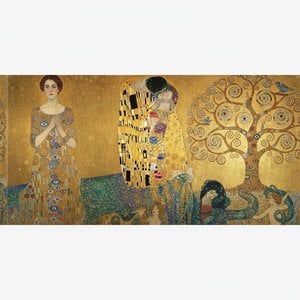
구스타프 클림트 명작 25선: 황금빛 예술의 정수, 당신의 공간에 영감을 불어넣다
구스타프 클림트의 황홀한 명작 25선을 만나보세요. '키스'부터 '주디트'까지, 빈 분리주의를 대표하는 예술가의 삶과 작품 세계를 탐험합니다. 오스트리아 화가 클림트의 걸작으로 공간에 특별한 감성을 더하세요. ArtsDot.com에서 고품질 유화 복제를 만나보세요.

앙리 마티스의 걸작 25선: 색채와 감각의 혁신을 만나다 | ArtsDot
앙리 마티스의 시대를 초월하는 걸작 25선을 만나보세요. 색채주의, 야수파를 대표하는 그의 삶과 예술 세계를 탐험하고, ArtsDot에서 명화 복제본으로 거실 인테리어에 감동을 더하세요. 지금 바로 컬렉션을 확인하세요!
워싱턴 내셔널 갤러리 명작 25선: 예술의 정수를 담은 컬렉션 | ArtsDot
워싱턴 내셔널 갤러리의 숨겨진 명작 25점을 만나보세요. 모네, 세잔, 피카소 등 거장들의 예술 세계와 감동적인 스토리를 ArtsDot에서 경험하세요. 고품질 아트 프린트 & 인테리어 디자인 영감을 얻고, 당신의 공간에 예술을 더하세요! 지금 바로 ArtsDot.com에서 컬렉션을 탐험하세요.

