

- 105.0 x 131.0 cm


선택하신 옵션에 따른 작품 정보입니다: , .
수집품 상세 설명
Discover 'The Bridge' by Joseph Vickers Deville – a serene Impressionist landscape painting of twilight forests & castles. Explore its warm colors & textured brushwork.
 더 보기
더 보기
작가 프로필
Discover Joseph Vickers Deville’s evocative landscapes & coastal scenes (1856-1925). Explore his serene depictions of England's countryside & waterways – a master of tonal realism.
핸드메이드 유화 복제화
작가가 직접 캔버스에 손으로 그린 유화 작품으로, 원하는 크기와 액자로 맞춤 제작해 드립니다. ( 프린트 판매로 전환 디지털 이미지로 전환)
이 작품에 대해 더 알아보기
 미리보기
미리보기
 공유하기
공유하기 공유하기
공유하기
 상세 정보
상세 정보 가이드 보기

 다운로드
다운로드
 유사 작품 더 보기
 X-레이
X-레이 슬라이드 쇼 보기
 질의응답
질의응답 통계 정보
통계 정보단 네 단계로 완성되는 간편한 작품 주문 방법
천천히 진행하셔도 좋습니다. 답변은 언제든 변경할 수 있으며, 선택 사항에 따라 주문 카드 내의 가격이 실시간으로 반영됩니다.
1 4단계 중 1단계
원하시는 사이즈를 선택해 주세요.
이 사이즈들은 원작의 비율을 그대로 유지합니다. 그림 속 예시는 2미터 길이의 소파 위 벽면에 선택하신 작품을 배치했을 때의 모습입니다.
또는 직접 치수 입력하기
작품의 원본 비율을 그대로 유지하는 프리셋 사이즈 중에서 선택해 보세요.

액자나 벽면 크기에 맞춰 필요한 가로와 세로 길이를 입력해 주세요. 본 작품은 수작업으로 제작되므로, 요청하신 비율에 따라 작가가 그림의 가장자리를 조금 더 넓게 그리거나 일부를 조정하여 작업할 수 있습니다. 작업 시작 전, 최종 확인을 위해 디지털 목업 이미지를 보내드립니다. 이 페이지에 표시된 이미지는 실제 결과물과 다를 수 있으며, 오직 목업 이미지만이 정확한 결과물을 보여줍니다.
2 4단계 중 2단계
어떤 방식으로 준비해 드릴까요: 롤 형태로, 캔버스에 씌워서, 또는 액자에 넣어?
아래 가격은 첫 번째 단계에서 선택하신 크기를 기준으로 합니다.
캔버스 옆면 스타일 선택
프레임을 선택하세요

화이트 테두리 ₩1

블러사이드 ₩1

옆면 확장형 ₩1

P118B ₩10

P118H ₩10

P118W ₩10

P438Z ₩10

P508JH ₩12

P508YH ₩12

P805H ₩10

P805Z ₩10

P919BZ ₩10

P919G ₩10

P919XJ ₩10

P959ZH ₩10

P968JZ ₩12

W106C ₩8

W218G ₩10

W218JH ₩8

W218Y ₩10

W307PJ ₩10

W316G ₩10

W316PJ ₩8

W316Y ₩10

W398PJ ₩8

W4111J ₩10

W500HY ₩15

W500JH ₩15

W692G ₩12

W849H ₩8

W940BG ₩15

W953PJ ₩8

H24-GOLD ₩30

H24-SILVER ₩30

H36-GOLD ₩45

H36-SILVER ₩45
액자형
몰딩: . 액자 포함 전체 크기: .
3 4단계 중 3단계
그림에서 변경하고 싶은 부분이 있으신가요?
대부분의 사람들은 아니라고 답합니다. 모든 작품은 수작업으로 제작되기에, 저희 작가는 고객님의 요청에 맞춰 작품을 변경해 드릴 수도 있습니다.
주문 완료 후, ArtsDot.com 팀에서 상세 안내를 위해 고객님께 이메일을 보내드리며, 시안 미리보기를 제공해 드립니다.
4 4단계 중 4단계
몇 가지 마감 옵션
모두 선택 사항입니다. 이미 선택된 답변에 대해서는 추가 비용이 발생하지 않습니다.
작가는 누구인가요?
박물관에 있는 것과 같은 명판을 원하시나요?
동판 각인 상세 정보
This elegant plaque features the artist's name and the title of the artwork, finely engraved for a timeless presentation.
It is made from bronze with a refined, elegant finish. The text is precisely laser-engraved for a sharp and permanent result. Measuring 9x2 cm, the plaque is compact yet easy to read. It's built to be durable and scratch-resistant, offering a professional, museum-quality look. Mounting is simple thanks to the included adhesive backing.
투명 아크릴 명판 상세 정보
The plaque includes essential engraved details such as the artist's name, the title of the artwork, the date it was created, the type of media used-like oil on canvas or watercolor-a brief description of the piece, and a QR code that links to the complete artwork information.
It is crafted from clear acrylic, offering a sleek, modern appearance. The text is UV-engraved in black to ensure strong visual contrast. With a size of 10x15 cm, it ensures optimal readability. It comes equipped with two metal hooks for secure wall mounting. The plaque is designed to be weather-resistant, making it suitable for various environments, and it includes interactive features that work seamlessly with smartphone scanning.
블랙 아크릴 명판 상세 정보
This elegant plaque includes engraved information such as the artist's name, the title of the artwork, the date it was created, the type of media used (like oil on canvas or watercolor), a short description of the artwork, and a QR code for quick access to more information.
The plaque itself is made from refined black acrylic with a premium finish. The text is laser-engraved in white for high contrast and readability. Its size is 10x15 cm, designed to be easy to read. It comes with two metal hooks for professional mounting. The design is sleek and fits any interior style. It is also weather-resistant and durable, with built-in digital integration for mobile compatibility.
보호용 바니시를 선택하시겠습니까?
언제 받기를 원하시나요?
✓ 확인 및 주문하기
주문하신 그대로의 작품

The Bridge
재현 기법
복제본 크기
-

엄선된 시니어 아티스트
더욱 세밀한 묘사와 정교함, 그리고 충분한 제작 시간
-

복제화 액자 구성
-
-
가로 또는 세로 중 어느 한 면이라도 105cm(약 41인치)를 초과하는 작품이나 복제화의 경우, 프레임은 분해된 키트 형태로 배송됩니다. 이는 안전한 배송을 보장하고 운송 중 발생할 수 있는 손상을 방지하기 위함입니다.
전문가 조립 권장 - 본 제품은 DIY용이 아닙니다.
해당 키트는 숙련된 전문 프레임 제작자가 목공용 풀(별도 구매), 캔버스 스트레칭 플라이어 및 풀이 마르는 동안 나무 틀의 수평을 유지할 클램프를 사용하여 캔버스를 팽팽하게 고정하고 조립해야 합니다. 잘못된 조립이나 불균형한 캔버스 장력은 작품에 영구적인 손상을 입힐 수 있으며, 이로 인한 손상은 보증 범위에 포함되지 않습니다.
 가로 또는 세로 중 어느 한 면이라도 105cm(약 41인치)를 초과하는 작품이나 복제화의 경우, 프레임은 분해된 키트 형태로 배송됩니다. 이는 안전한 배송을 보장하고 운송 중 발생할 수 있는 손상을 방지하기 위함입니다.
모든 원목 부재가 포함되어 있으며, 조립에 딱 맞게 정밀하게 재단되었습니다.
제공된 나사와 함께, 별도로 준비해야 하는 모서리 접합부용 목공용 풀을 사용하여 조립합니다. (목공용 풀은 포함되어 있지 않으므로 제작자께서 직접 준비해 주셔야 합니다.)
전문가용 도구가 필요하며 키트에 포함되어 있지 않습니다: 캔버스 스트레칭 플라이어(텐셔너)와 접착제가 마르는 동안 나무 틀의 수평을 유지하기 위한 클램프가 필요합니다.
주의사항:
모서리 접합부에는 목공용 풀이 필요하며, 풀이 완전히 마를 때까지 클램프로 바(bar)를 고정해야 합니다. 또한 조립된 프레임에 캔버스를 팽팽하게 당기려면 캔버스 스트레칭 플라이어가 필요합니다. 이 제품들 중 어느 것도 키트에 포함되어 있지 않습니다. 이 사이즈를 주문하시기 전에 숙련된 전문 액자 제작업체를 미리 섭외하시기 바랍니다.

작품 설명문
-
-

보호용 바니시
유광 바니시(색감을 선명하게 하며 빛과 습기로부터 보호함)
-

내 작품 맞춤 설정
변경 가능한 예시: 얼굴을 고객의 사진으로 교체, 반려동물 추가(예: 고양이를 강아지로 변경), 배경에 숨겨진 메시지 삽입, 배경 풍경 또는 요소 변경.
-

빠른 배송
전 세계 배송()은 기존 5주의 표준 기간 대신 3~4주 내에 완료됩니다. (10 11월). 품질에는 어떠한 타협도 하지 않습니다.
-
특급 배송
전 세계 배송(): 약 5주 소요 (17 11월).
포함됨
최종 결제 금액
₩ 352668
유리 옵션은 110cm 미만 크기에서만 선택 가능합니다.
모든 주문에 포함되는 혜택
- 전 세계 무료 특급 배송
- 프리미엄 린넨 캔버스
- 배송 전 과정 보험 적용
- 관세 및 수입세 환급 보장 서비스
- 원본과 동일한 색상 구현 보장
- 100일 이내 반품 정책 (결함 발생 시)
- 100% 환불 보장
- 다량 구매 할인 혜택


Artistic Style and Technique
The artist's use of color and light is notable, with the warm tones of the setting sun casting a golden glow over the entire scene. The trees in the foreground are depicted with a sense of depth, while the bridge and roadway provide a sense of scale and perspective. The painting appears to be an oil on canvas, showcasing the artist's skill and attention to detail. Key Features of the painting include:- The use of warm colors to create a sense of tranquility
- The depiction of trees and foliage in the foreground
- The inclusion of a bridge and roadway to provide scale and perspective
The McLean Museum and Art Gallery is a notable institution in Scotland, housing a collection of artworks including The Bridge by Joseph Vickers Deville. For more information on the museum and its collection, visit ArtsDot.com.
Conclusion
The painting The Bridge by Joseph Vickers Deville is a beautiful example of a serene landscape. With its use of warm colors, depiction of trees and foliage, and inclusion of a bridge and roadway, this piece is a notable work of art. For those interested in learning more about the artist and his style, visit ArtsDot.com to explore their collection of handmade oil painting reproductions.질의응답
Joseph Vickers Deville의 "The Bridge"에는 어떤 소재가 등장하나요?
Joseph Vickers Deville의 "The Bridge"에 담긴 주제: landscape painting, sunset scene”, “forest path”, “twilight mood”, “bridge artwork”, “golden light”, “scenic view”
"The Bridge"은(는) Joseph Vickers Deville의 반복되는 주제들 사이에서 어떤 위치를 차지하고 있나요?
Joseph Vickers Deville의 주요 주제인 corot's landscapes", romantic light, atmospheric perspective, rural life depiction, "subdued, peaceful scene", "serene 중에서도, "The Bridge"은 landscape painting, sunset scene”, “forest path”, “twilight mood”, “bridge artwork”, “golden light”, “scenic view”에 독자적인 초점을 맞추고 있습니다.
"The Bridge"은(는) 어떤 화풍에 속하나요?
"The Bridge"은(는) Impressionism 양식의 작품입니다. 이 사조는 해당 작품이 속한 예술적 전통을 나타냅니다.
유사한 작품들


Joseph Vickers Deville
1856 - 1925
작가 정보
Joseph Vickers Deville: A Master of Tranquil Landscape Painting
Joseph Vickers Deville (1856–1925) stands as a quietly influential figure in British landscape painting, particularly renowned for his masterful execution of tonal realism and his evocative depictions of the Shropshire countryside and coastal scenes. Born in Eaton, Derbyshire, he established himself as an artist primarily based in Wolverhampton, where he cultivated a studio amidst Tettenhall Wood and garnered considerable acclaim for his artistic sensibilities. Though lacking formal training, Deville’s innate talent shone through, securing membership to prestigious institutions like the Royal Academy and cementing his legacy as a respected chronicler of England's natural beauty.- Early Life & Influences: Born in 1856, Deville’s formative years were shaped by a rural upbringing in Derbyshire, fostering an enduring connection with the landscapes that would dominate his artistic output. While biographical details remain sparse, anecdotal evidence suggests he was drawn to Impressionistic ideals—particularly the subtle interplay of light and shadow—influenced by artists like Claude Monet and Frederic Church.
- Career Highlights & Exhibitions: Deville’s professional journey commenced in Wolverhampton around 1881, where he diligently pursued his artistic vocation. He rapidly gained recognition within Birmingham's art community, becoming a Fellow of the Royal Society of Artists in Birmingham in 1917 and exhibiting extensively throughout Britain and internationally. Notably, sixty eight of his works graced the halls of the Royal Academy between 1876 and 1920, demonstrating his commitment to artistic excellence.
Style & Technique: Tonal Realism Embodied
Deville’s distinctive style hinged upon tonal realism—a technique prioritizing capturing the essence of a scene through nuanced gradations of color and light. Unlike Impressionists who sought to convey fleeting impressions, Deville meticulously rendered landscapes with painstaking detail, emphasizing atmospheric conditions and textural qualities. His canvases often presented muted palettes dominated by earthy tones—greens, browns, blues—creating an atmosphere of serenity and contemplation. The artist’s meticulous brushwork achieved remarkable subtlety, conveying the mood of melancholy and solitude – exemplified in his iconic painting “The Moonlight,” which accompanied Beethoven's Sonata No. 14.Notable Works & Locations
Among Deville’s celebrated compositions is "Beach by Conway Castle," a breathtaking watercolor capturing the rugged beauty of North Wales coastline. This artwork exemplifies his ability to distill complex visual information into harmonious tonal harmonies, reflecting the grandeur and tranquility of the natural world. Furthermore, Deville's landscapes of Shropshire—particularly Porthwen Bay—have been preserved at Wolverhampton Art Gallery and McLean Museum & Art Gallery, offering visitors a poignant glimpse into his artistic vision. His paintings are also housed in Sheffield Museum and Art Gallery.Legacy & Recognition
Joseph Vickers Deville’s contribution to British landscape painting is marked by understated elegance and profound sensitivity. Despite lacking formal training, he achieved considerable renown within the Birmingham art circle and garnered international acclaim for his evocative depictions of rural England. His enduring influence can be discerned in subsequent generations of artists who embraced tonal realism as a means of conveying emotional depth and atmospheric nuance—a testament to Deville’s unwavering dedication to artistic craftmanship and his profound appreciation for the sublime beauty of the natural world.References
Algernon Graves, The Royal Academy of Arts. A Complete Dictionary of Contributors. Vol.1 Morris S. and Morris K. A Catalogue of Birmingham & West Midlands Painters of the Nineteenth Century. 1974. Grant M. Waters. Dictionary of British Artists Working 1900-1950. 1975.관련 콘텐츠

Evocations of Place: A Historical Journey Through Landscape Art
Explore the rich history of landscape art with ArtsDot. Discover renowned artists, movements like Impressionism & Romanticism, and expert guidance for collecting timeless pieces. Find your perfect serene escape today!
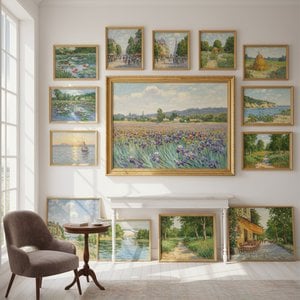
인상주의 풍경화의 황홀한 순간들: 10대 걸작에 담긴 예술혼
인상주의 풍경화의 정수를 담은 10대 걸작! 모네, 르누아르 등 거장의 작품 비하인드 스토리와 예술혼을 만나보세요. ArtsDot에서 고품격 미술 복제 및 인테리어 영감을 얻고, 당신의 공간에 예술적 감성을 더하세요. 지금 바로 ArtsDot.com에서 모든 걸작을 발견해보세요!

Joseph Clover: A Study in Luminosity & Transient Beauty – Exploring the Ephemeral Landscapes of a British Impressionist
Explore the captivating landscapes of Joseph Clover, a pioneering British Impressionist & innovator in anaesthesia. Discover his unique artistic vision, subtle colour palettes, and enduring legacy with ArtsDot.