


 실제 크기로 보기
 보내기
보내기 공유하기
공유하기
 상세 보기
상세 보기 가이드 보기

 이미지 다운로드
 유사 작품 더 보기
 X-레이
X-레이 슬라이드 쇼 보기
 통계 정보
통계 정보'Galileo'
 Oil On Canvas
- WallArt
- Realist Romanticism
 19th Century
 41.0 x 63.0 cm
 상세 보기
상세 보기
핸드메이드 유화 복제화
작가가 직접 캔버스에 손으로 그린 유화 작품으로, 원하는 크기와 액자로 맞춤 제작해 드립니다. ( 프린트 판매로 전환 디지털 이미지 판매 채널로 전환)




P118B ₩10

P118H ₩10

P118W ₩10

P438Z ₩10

P508JH ₩12

P508YH ₩12

P805H ₩10

P805Z ₩10

P919BZ ₩10

P919G ₩10

P919XJ ₩10

P959ZH ₩10

P968JZ ₩12

W106C ₩8

W218G ₩10

W218JH ₩8

W218Y ₩10

W307PJ ₩10

W316G ₩10

W316PJ ₩8

W316Y ₩10

W398PJ ₩8

W4111J ₩10

W500HY ₩15

W500JH ₩15

W692G ₩12

W849H ₩8

W940BG ₩15

W953PJ ₩8




작품의 원본 비율을 그대로 유지하는 프리셋 사이즈 중에서 선택해 보세요.

액자나 벽면 크기에 맞춰 필요한 가로와 세로 길이를 입력해 주세요. 본 작품은 수작업으로 제작되므로, 요청하신 비율에 따라 작가가 그림의 가장자리를 조금 더 넓게 그리거나 일부를 조정하여 작업할 수 있습니다. 작업 시작 전, 최종 확인을 위해 디지털 목업 이미지를 보내드립니다. 이 페이지에 표시된 이미지는 실제 결과물과 다를 수 있으며, 오직 목업 이미지만이 정확한 결과물을 보여줍니다.
주문 완료 후 ArtsDot.com 팀에서 상세 안내를 위해 고객님께 이메일을 보내드리며, 미리보기 시안을 함께 제공해 드립니다.


 유리 옵션은 110cm 미만 크기에서만 선택 가능합니다.

'Galileo'
재현 매체
복제본 규격
-


총 결제 금액
₩ 355997
A Tempestuous Vision: John Henry Mohrmann’s ‘Galileo’
John Henry Mohrmann's “Galileo” is more than just a depiction of a sailing ship; it’s a visceral immersion into the heart of maritime adventure, rendered with a masterful command of realism and an undeniable emotional resonance. Painted in 1916, this oil on canvas work captures a moment of raw power – a large vessel battling against the formidable forces of nature, its white sails straining against the wind while dark waves crash relentlessly around it. Measuring 41 x 63 cm, the painting’s intimate scale draws the viewer into the scene, fostering a sense of immediate engagement with this dramatic tableau.
- The Ship as Symbol: The central figure, undoubtedly a passenger or cargo ship, transcends its literal representation. It embodies themes of travel, exploration, and the enduring human spirit’s confrontation with the unknown. Mohrmann's meticulous attention to detail – from the intricate rigging to the weathered planks of the hull – elevates the vessel beyond a mere subject matter, transforming it into a potent symbol of ambition and resilience.
- A Masterful Use of Light and Shadow: The artist’s skillful manipulation of light is crucial to the painting's impact. A slightly overcast sky casts subtle shadows across the deck and hull, highlighting the textures of the sails and water with remarkable precision. This interplay of light and dark not only enhances the realism but also contributes significantly to the work’s dramatic mood.
Technique and Materials: Layers of Realism
Mohrmann's technique is characterized by a deliberate layering and glazing, evident in the visible brushstrokes that define the choppy surface of the water and the billowing fabric of the sails. The dark gray or black hull provides a stark contrast to the brilliant white of the sails, further emphasizing their movement and dynamism. The artist employed oil pigments bound with linseed oil, a common practice at the time, allowing for rich color saturation and a luminous quality. The canvas itself, likely stretched tightly, provided an ideal surface for capturing the nuances of light and texture.
- Brushwork and Texture: Noticeable brushstrokes create a sense of movement and turbulence in the water, while subtle variations in paint application mimic the textures of fabric and wood.
- Atmospheric Perspective: The use of atmospheric perspective – where distant elements appear lighter and less distinct – adds depth to the composition, drawing the viewer’s eye towards the ship and reinforcing its dominance within the scene.
Historical Context and Artistic Influences
Born in Estebrügge, Germany, in 1857, John Henry Mohrmann's life was inextricably linked to the sea. His early seafaring experiences profoundly shaped his artistic vision, imbuing his work with a deep understanding of maritime conditions and a keen eye for detail. His time in San Francisco before settling in Antwerp allowed him to develop a unique style blending realism with a romantic sensibility – a common trait among artists working during this period who sought to capture the grandeur and drama of the natural world. “Galileo” reflects Mohrmann’s dedication to portraying the power and beauty of maritime life, solidifying his reputation as a master of these evocative scenes.
Emotional Impact and Collector's Value
"Galileo" is not simply a beautiful painting; it’s an experience. The dramatic composition, masterful technique, and historical context combine to create a work that evokes a sense of awe, wonder, and perhaps even a touch of apprehension. This piece would be a stunning addition to any collection focused on maritime art, 19th-century realism, or the works of John Henry Mohrmann himself. A hand-painted reproduction offers an unparalleled opportunity to bring this captivating vision into your home or office – a testament to the enduring power of artistic skill and the timeless allure of the sea.
질의응답
"'Galileo'"은(는) John Henry Mohrmann의 작품 세계에서 어떤 위치를 차지하고 있나요?
"'Galileo'"은(는) John Henry Mohrmann의 다른 작품들과 마찬가지로 Realist Romanticism 양식과 더불어 maritime realism, seafaring themes, german romanticism, travel art, ship portraits, artistic legacy, mohrmann’s signature style”, “early 20th-century maritime라는 작가의 반복되는 주제 의식을 공유합니다.
"'Galileo'"의 색감을 고려했을 때, 어느 공간에 전시하는 것이 가장 좋을까요?
Neutrals 색조를 담은 John Henry Mohrmann의 "'Galileo'"는 Living Room에 배치하시길 추천드립니다. 이 작품의 색감이 이러한 제안의 이유이기도 합니다.
John Henry Mohrmann의 "'Galileo'"의 디지털 이미지는 어디에서 구매할 수 있나요?
"'Galileo'"은(는) 디지털 이미지 페이지에서 직접 구매 가능한 고해상도 디지털 이미지 다운로드 형태로 제공됩니다.
관련 작품들


작가 소개
John Henry Mohrmann: A Master of Maritime Visions
John Henry Mohrmann (1857-1916) was a remarkably prolific and influential painter, whose career spanned continents and encompassed diverse artistic pursuits before he ultimately established himself as a leading figure in the genre of ship portraits. Born in Estebrügge, Germany, his early life was marked by seafaring adventures – a period that profoundly shaped both his technical skills and his artistic sensibilities. This formative experience, coupled with a keen eye for detail and an appreciation for the dramatic interplay of light on water, would become hallmarks of his distinctive style. His journey ultimately led him to San Francisco, where he honed his craft before settling in Antwerp, Belgium, where he spent the latter part of his career.Early Life and Artistic Beginnings
Mohrmann’s initial path wasn't solely dedicated to painting. He began as a sailor, gaining invaluable experience navigating the world’s oceans and observing the intricacies of ship design and operation. This practical knowledge proved crucial to his later work, allowing him to accurately depict vessels and their surroundings. Beyond seafaring, he also pursued stage design and restoration, skills that undoubtedly contributed to his meticulous attention to detail and his ability to capture the textures and nuances of both man-made structures and natural landscapes. These varied experiences instilled in him a deep respect for craftsmanship and a keen understanding of visual composition – elements that would later inform his celebrated ship portraits.The Rise of the Ship Portrait
Mohrmann’s career truly blossomed during the late 19th century, coinciding with a surge in interest in maritime history and the romantic idealization of seafaring life. He quickly gained recognition for his evocative depictions of ships, particularly those engaged in trade and exploration. Unlike earlier ship paintings that often focused on grand battles or heroic voyages, Mohrmann’s work emphasized the everyday realities of maritime commerce – the bustling decks, the skilled sailors, and the vastness of the ocean itself. His approach was revolutionary; he deliberately inclined the vessels towards the viewer, creating a sense of intimacy and drawing the audience into the heart of the scene. This technique allowed for greater detail to be visible on deck, offering a remarkably realistic portrayal of life aboard these magnificent ships.Influences and Artistic Style
Mohrmann’s artistic style is often described as a synthesis of several influences. The most prominent was undoubtedly Jean-François Millet, the renowned French realist painter known for his depictions of rural laborers. Mohrmann shared Millet's commitment to portraying ordinary people in their working environments, albeit transposed onto the decks of merchant ships. There’s also a clear connection to the Barbizon school of landscape painting, evident in his masterful use of light and shadow and his ability to capture the atmospheric effects of sea and sky. His paintings are characterized by rich colors, meticulous detail, and a palpable sense of movement – conveying both the power of the ocean and the energy of human endeavor.Notable Works and Legacy
Among Mohrmann’s most celebrated works are “Castleton,” depicting a bustling harbor scene, "The Ship 'Melpomene'," and "Ship Samaria Under Full Sail," each showcasing his remarkable ability to capture the essence of maritime life. His paintings frequently featured vessels like the *Albyn*, *Rhône*, and *Craigwhinnie*, demonstrating his versatility in portraying different types of ships. Today, Mohrmann’s work is held in prestigious collections such as the Musée Thomas-Henry in Cherbourg, France, ensuring that his legacy continues to inspire and captivate audiences worldwide. His meticulous attention to detail, combined with a deep understanding of maritime history and a keen artistic sensibility, firmly establishes John Henry Mohrmann as a significant figure in 19th-century painting – a master of capturing the beauty and drama of the sea.
John Henry Mohrmann
1857 - 1916
작가 정보 요약
- Full Name: John Henry Mohrmann
- Nationality: American-Belgian-Canadian
- Date Of Birth: 1857
- Date Of Death: 1916
- Place Of Birth: Estebrügge, Germany
- Notable Artworks:
- Castleton
- The Ship Melpomene
- Ship Samaria Under Full Sail
- Artistic Movement Or Style: Ship portraiture
- Artists Who Influenced This Artist: ['Jean-François Millet']
관련 기사

Echoes of Time: Exploring the Enduring Appeal & Historical Context of Vintage Art Prints
Explore the captivating world of vintage art prints! Discover their history, collecting tips & enduring appeal. Expert insights on chromolithography and building a legacy collection with ArtsDot.

배송 및 반품
APS는 박물관급 수준의 관리로 전 세계 미술품 배송을 전문적으로 제공합니다. 전체 추적 가능성과 100일 환불 보장을 제공합니다. 세관 지원에서 Priority Production에 이르기까지, 투명한 서비스, 안전한 포장, 그리고 수집가, 디자이너, 갤러리를 위한 신뢰할 수 있는 배송을 믿으세요.

Giclée Prints: Archival Quality & Aesthetic Nuances for the Discerning Collector
Explore the world of giclée prints with ArtsDot. Learn about archival quality, aesthetic nuances & investment potential. Expert guidance for discerning art collectors seeking museum-quality reproductions and lasting value.
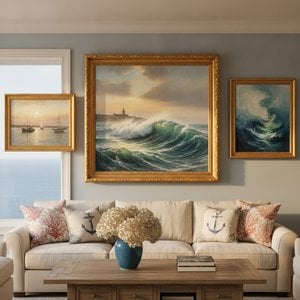
Bring the Ocean Home: Captivating Maritime Paintings to Transform Your Space with Timeless Elegance
Transform your home with breathtaking maritime oil paintings. From serene seascapes to dramatic nautical scenes, discover hand-painted reproductions that bring the ocean's soul to your space. Expertly crafted for collectors seeking timeless elegance and coastal tranquility.

The Enduring Legacy of Fine Art Prints: Technique, History & Aesthetic Impact
Explore the rich history & techniques of fine art prints. Discover investment potential, assess authenticity, and learn how to preserve your collection with expert guidance. Trusted insights for discerning collectors.