


 실제 크기로 보기
 보내기
보내기 공유하기
공유하기
 상세 보기
상세 보기 가이드 보기

 이미지 다운로드
 유사 작품 더 보기
 X-레이
X-레이 슬라이드 쇼 보기
 통계 정보
통계 정보Church

 상세 보기
상세 보기
핸드메이드 유화 복제화
작가가 직접 캔버스에 손으로 그린 유화 작품으로, 원하는 크기와 액자로 맞춤 제작해 드립니다. ( 프린트 판매로 전환 디지털 이미지 판매 채널로 전환)




































작품의 원본 비율을 그대로 유지하는 프리셋 사이즈 중에서 선택해 보세요.

액자나 벽면 크기에 맞춰 필요한 가로와 세로 길이를 입력해 주세요. 본 작품은 수작업으로 제작되므로, 요청하신 비율에 따라 작가가 그림의 가장자리를 조금 더 넓게 그리거나 일부를 조정하여 작업할 수 있습니다. 작업 시작 전, 최종 확인을 위해 디지털 목업 이미지를 보내드립니다. 이 페이지에 표시된 이미지는 실제 결과물과 다를 수 있으며, 오직 목업 이미지만이 정확한 결과물을 보여줍니다.
주문 완료 후 ArtsDot.com 팀에서 상세 안내를 위해 고객님께 이메일을 보내드리며, 미리보기 시안을 함께 제공해 드립니다.


 유리 옵션은 110cm 미만 크기에서만 선택 가능합니다.

Church
재현 매체
복제본 규격
-


총 결제 금액
₩ 357021
관련 작품들


작가 소개
A Life Forged in Conflict and Creation
The life of Jerzy Faczynski was a profound testament to the resilience of the human spirit amidst the wreckage of the twentieth century. Born in 1917 in Yenakiieve, Ukraine, to Polish parents, his early years were steeped in an atmosphere of artistic appreciation, nurtured by his mother, Marian, a dedicated artist and teacher. This foundational connection to beauty would later become his sanctuary during the darkest chapters of his life. When the shadows of World War II descended upon Europe, Faczynaryski’s path took a dramatic turn from the studio to the cockpit, as he enlisted in the Polish Air Force. His journey was marked by the harrowing realities of war, including capture by Nazi forces and a daring, resolute escape that mirrored the very strength found in his later architectural designs. As a refugee in Britain, he did not merely survive; he sought to rebuild the cultural identity of a displaced nation, joining the Polish School of Architecture in Liverpool—a vital beacon of intellectual life for the Polish diaspora.
The Architecture of Faith and Modernity
Faczynski’s architectural legacy is defined by a singular mission: to translate the eternal essence of the Catholic faith into the language of modern form. His work represents a masterful intersection of Art Deco elegance and the rigorous, functional principles of Modernism. Drawing deep inspiration from the Bauhaus movement, he sought to strip away the superfluous, focusing instead on how light, space, and structure could evoke spiritual transcendence. This pursuit led him to design more than fifty churches, works that stand as monuments to both his technical precision and his liturgical devotion. His architectural vocabulary was not merely about stone and mortar but about creating sacred spaces that resonated with the contemporary era, blending historical reverence with an innovative, forward-looking aesthetic that sought to capture the very soul of the liturgy.
A Versatile Hand: From Ink to Expressionism
While his architectural achievements provided a structural legacy, his graphic works offered a window into his emotional landscape. Faczynski’s artistry was remarkably diverse, ranging from the delicate precision of monochrome sketches to the raw, emotive power of watercolor and ink. In pieces such as Manor House, one observes a captivating, almost nostalgic exploration of historical themes through impressionistic detail. Conversely, his more experimental works reveal a fascination with the psychological depths of the human condition. His haunting watercolor, Man With A Cigarette, utilizes expressive distortion and vibrant color to evoke profound feelings of isolation and vulnerability, bordering on the realms of Surrealism. Similarly, his ink drawings, such as the Reclining Woman, utilize the dynamic, fragmented lines of Abstract Expressionism to capture raw emotion. Through these varied mediums, Faczynski remained a lifelong witness to the beauty and the turbulence of the world, leaving behind a body of work that continues to resonate with historical depth and artistic brilliance.

Jerzy Faczynski
1917 - 1943 , Poland
작가 정보 요약
- Full Name: Jerzy Faczynski
- Nationality: Polish
- Date Of Birth: 1917
- Date Of Death: 1943
- Place Of Birth: Poland
- Notable Artworks:
- Nude
- Reclining Woman
- Artistic Movement Or Style: Catholic Church Design
- Artists Who Influenced This Artist: ['Lionel Bailey Budden']
- Artists Or Movements Influenced By This Artist: ['European Modernism']
관련 기사

The Eloquent Line: Exploring the Artistic Significance of Sketches Across Movements and Media
Explore the profound artistic significance of sketches throughout history. From Renaissance masters to modern innovators like Van Gogh & Guston, discover how these foundational works reveal technique, emotion, and vision. Learn more at ArtsDot.

White on Canvas: 10 Masterpieces & Timeless Elegance for Your Home Decor
Explore 10 iconic white paintings by Monet, Whistler & Rothko! Discover the stories behind these serene masterpieces and their impact on art history. Find museum-quality reproductions for your home decor at .

Dark Masterpieces: 10 Iconic Paintings Dominated by Black Tones |
Explore 10 iconic paintings dominated by black tones, from Rembrandt’s chiaroscuro to Goya's dark expressions. Discover the stories behind these masterpieces & find museum-quality art reproductions for your home at .
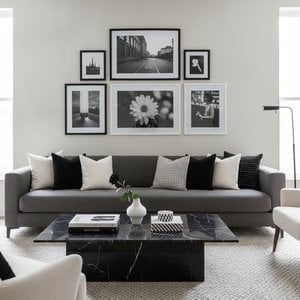
Timeless & Chic: Elevating Your New Home with the Sophistication of Black and White Photography
Transform your new home with the timeless allure of black and white photography. ArtsDot.com specializes in elegant monochrome decor and custom hand-painted wedding portraits that turn cherished milestones into lasting, soulful masterpieces. Elevate your space with ease.

Monochrome Visions: Exploring the Aesthetic & Historical Significance of Black & White Photography
Explore the rich history & artistic power of black and white photography. From early techniques to iconic masters like Ansel Adams, discover why monochrome continues to captivate art lovers today. Expert insights for collectors.