


 작품 구매하기
 공유하기
공유하기 공유하기
공유하기
 Details

 다운로드
다운로드
 유사 작품
유사 작품 X-Ray
X-Ray 슬라이드 쇼
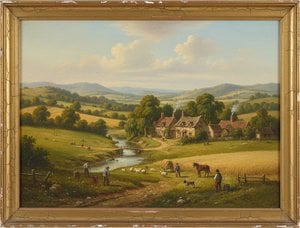
The Nun's Parrot
 Acrylic On Canvas
- WallArt
- Contemporary Realism
 1840
1840 32.0 x 40.0 cm
 더 알아보기



P118B $10

P118H $10

P118W $10

P438Z $10

P508JH $12

P508YH $12

P805H $10

P805Z $10

P919BZ $10

P919G $10

P919XJ $10

P959ZH $10

P968JZ $12

W106C $8

W218G $10

W218JH $8

W218Y $10

W307PJ $10

W316G $10

W316PJ $8

W316Y $10

W398PJ $8

W4111J $10

W500HY $15

W500JH $15

W692G $12

W849H $8

W940BG $15

W953PJ $8




작품의 원본 비율을 유지하는 미리 설정된 크기 중에서 선택하세요.

특정 프레임이나 공간에 맞춰 직접 치수를 입력하실 수 있습니다. 선택하신 사이즈가 원본 이미지의 비율과 일치하지 않을 경우, 작품을 크롭(자르기)하거나 이미지를 대칭 또는 단색 채우기로 확장하여 제작합니다. 제작 시작 전, 최종 확인을 위해 디지털 목업이 전송됩니다.
화면상의 미리보기는 실제 크롭이나 확장 상태를 반영하지 않으므로, 최종 구도는 오직 목업을 통해서만 정확하게 확인하실 수 있습니다.
맞춤 사이즈 제작도 가능하지만, 원본 비율을 유지하기 위해서는 사전 정의된 목록에서 치수를 선택하시는 것을 권장합니다.


 유리 옵션은 110cm 미만 크기에서만 선택 가능합니다.

The Nun's Parrot
지클레 / 아트 프린트
복제본 크기
-


최종 결제 금액
-
작품 상세 설명
A Window into Rural Dignity: Jean-François Millet’s “The Nun’s Parrot”
Jean-François Millet's "The Nun's Parrot," completed in 1840, isn’t merely a depiction of a Norman village scene; it’s a profound meditation on the human condition viewed through the lens of agricultural labor. Born in Gruchy, France, Millet experienced firsthand the hardships and quiet beauty inherent in rural existence—a formative influence that would permeate his artistic vision and solidify his place as one of Realism's foremost champions. This painting captures precisely this essence: a snapshot of everyday life rendered with remarkable accuracy and imbued with an understated emotional resonance.- Subject Matter: The artwork portrays a group of villagers gathered around a building, likely a church or chapel. Notably prominent is a parrot perched on a windowsill—a seemingly insignificant detail that carries considerable symbolic weight.
- Style & Technique: Millet’s approach aligns perfectly with the tenets of Realism. Rejecting Romantic idealism and academic conventions, he sought to portray subjects as they actually appeared, prioritizing observation over embellishment. The painting utilizes a muted palette dominated by earthy tones—browns, ochres, and greens—reflecting the colors of the landscape and mirroring the humble garb of the figures depicted.
Historical Context: The Rise of Realism
“The Nun’s Parrot” emerged during a pivotal moment in French art history – the ascendancy of Realism. Following the turbulent Romantic era, artists like Millet were driven by a desire to depict life authentically, confronting social realities often ignored by previous generations. Influenced by thinkers such as Eugène Sue and Gustave Flaubert, who championed unflinching portrayals of poverty and provincial life, Millet aimed to capture the dignity of rural workers—individuals whose lives were frequently overlooked in artistic discourse. The painting serves as a testament to this intellectual movement’s commitment to portraying truth without sentimentality.Symbolism Beyond Observation
Beyond its meticulous realism, “The Nun’s Parrot” is rich in symbolic significance. The parrot itself—a creature known for mimicking sounds—represents the voices of the common people, their struggles and aspirations subtly conveyed through their interactions. Its presence on the windowsill symbolizes contemplation and observation – mirroring Millet's own artistic process. Furthermore, the simple objects scattered throughout the scene—the bowl, cup, bottles—suggest a communal meal and underscore the importance of human connection within the rural community.Emotional Impact & Legacy
The painting’s enduring appeal lies in its ability to evoke empathy and admiration for ordinary individuals. Millet doesn't glorify heroism or grandeur; instead, he presents us with a portrait of quiet resilience—a depiction of people striving to sustain themselves amidst challenging circumstances. “The Nun’s Parrot” continues to inspire artists and collectors alike, reminding us that beauty can be found in the simplest forms of human experience and that art possesses the power to illuminate the complexities of everyday life. It stands as a cornerstone of Realist painting and a poignant reminder of Millet's unwavering dedication to portraying the world with honesty and compassion.유사한 작품들


작가 약력
흙의 삶: 장 프랑수아 밀레의 세계
장 프랑수아 밀레(Jean-François Millet, 1814년 10월 4일 – 1875년 1월 20일)는 19세기 프랑스 예술계에 깊은 흔적을 남긴 화가입니다. 그는 농촌의 삶과 노동하는 사람들의 모습을 진솔하게 그려내며 사실주의(Realism) 운동의 선구자 역할을 했습니다. 밀레의 그림들은 단순한 기록이 아닌, 인간의 존엄성과 자연과의 조화를 노래하는 시적인 작품들로 평가받고 있습니다. 그의 삶은 노르망디 지방 그루시(Gruchy)라는 작은 마을에서 농부의 아들로 태어나면서 시작되었습니다. 어린 시절부터 밭에서 일하며 자연과 함께 살아가는 경험은 밀레에게 깊은 영감을 주었고, 이는 그의 작품 전반에 걸쳐 나타나는 중요한 주제가 되었습니다. 정규 미술 교육을 받으며 재능을 키워나갔지만, 파리 아카데미의 권위적인 분위기와 형식주의적 그림 방식에 반발하며 자신만의 길을 개척하고자 했습니다.예술적 여정과 사실주의로의 전환
밀레는 처음에는 초상화를 그리며 생계를 유지했지만, 곧 자신의 진정한 예술적 소명을 깨닫게 됩니다. 그는 이상화된 풍경이나 신화 속 인물 대신, 농부들의 고된 노동과 일상적인 삶을 그리기 시작했습니다. 이러한 변화는 개인적인 비극 – 아내 폴린-위르진니 오노의 죽음 – 와 함께 사회에 대한 깊은 성찰에서 비롯되었습니다. 1848년 혁명 이후 밀레는 파리에서의 불안정한 생활을 떠나 바비종(Barbizon) 마을로 이주합니다. 이곳에서 그는 콘스탕트 트루용(Constant Troyon), 나르시스 디아즈(Narcisse Diaz), 샤를 자크(Charles Jacque), 테오도르 루소(Théodore Rousseau) 등과 함께 자연을 직접 관찰하며 그림을 그리는 ‘바비종 학파’의 중심 인물이 됩니다. 야외에서 작업하는 방식은 밀레에게 빛과 색채에 대한 새로운 이해를 가져다주었고, 그의 작품은 더욱 사실적이고 생동감 넘치는 표현으로 발전하게 되었습니다.노동의 서정시: 주제와 기법
밀레의 그림들은 농촌 사회의 현실을 가감 없이 보여주는 동시에, 노동하는 사람들의 삶에 대한 깊은 공감과 존경심을 담고 있습니다. 그는 단순한 노동 묘사를 넘어, 인간의 노력과 자연과의 조화 속에서 발견되는 아름다움을 표현하고자 했습니다. 대표작인 <만종>(The Gleaners)은 수확이 끝난 들판에서 남은 곡식을 거두는 여성들의 모습을 통해 가난하지만 묵묵히 살아가는 사람들의 강인함을 보여줍니다. <천사의 기도>(The Angelus)는 해질 무렵 농부 부부가 잠시 멈춰 기도하는 순간을 담아냈으며, 일상적인 행위를 신성한 의식으로 승화시키는 듯한 인상을 줍니다. <파종자>(The Sower)는 씨앗을 뿌리는 농부를 통해 자연의 순환과 인간의 희망을 상징적으로 표현하고 있습니다. 밀레는 네덜란드 화가들의 빛과 그림자의 활용 기법, 그리고 고대 조각의 균형미에서 영감을 받아 자신의 작품에 반영했습니다. 그는 제한된 색상 팔레트를 사용하면서도 흙의 질감과 자연의 풍경을 섬세하게 표현했으며, 여러 겹의 물감을 쌓아 올려 깊이 있는 화면을 만들어냈습니다.영원한 유산: 밀레의 영향과 역사적 의의
장 프랑수아 밀레는 1875년 바비종에서 세상을 떠났지만, 그의 작품은 예술계에 지대한 영향을 미쳤습니다. 그는 사실주의를 주도하며 아카데미 미술의 권위를 타파하고 인상주의와 사회적 현실주의 등 후대 사조에 영감을 제공했습니다. 밀레의 그림들은 평범한 사람들의 삶과 사회 문제에 대한 관심을 불러일으켰으며, 문학가, 시인, 사회 운동가들에게도 큰 영향을 미쳤습니다. 오늘날 그의 작품은 전 세계 미술관에서 전시되고 있으며, 여전히 많은 이들에게 감동과 영감을 선사하고 있습니다. 밀레의 그림들은 인간의 존엄성과 자연과의 조화라는 보편적인 가치를 담고 있어 시대를 초월하여 사랑받고 있습니다.주요 작품
- 만종(The Gleaners): 수확 후 남은 곡식을 거두는 여성들의 모습
- 천사의 기도(The Angelus): 농촌의 신앙심과 일상의 경건함
- 파종자(The Sower): 자연의 순환과 인간의 희망을 상징하는 작품
- 쟁기질하는 사람(Man with a Hoe): 육체 노동의 고된 현실과 인간의 인내
- 휴식을 취하는 농부들(Harvesters Resting): 수확 후 잠시 쉬는 농부들의 모습
- 빵을 굽는 여인(Woman Baking Bread): 가정 생활의 소중함과 여성의 역할

장 프랑수아 밀레
1814 - 1875 , 프랑스
주요 정보
- 국적: 프랑스
- 대표 작품:
- 구르는 여자들
- 천사의 전령
- 파종자
- 낫을 든 사람
- 사망일: 1875년 1월 20일
- 영향을 받은 예술 사조:
- 인상주의
- 사회적 사실주의
- 영향을 준 예술가:
- 네덜란드 화가
- 폴 들라로슈
- 예술 사조: 사실주의, 바비종파
- 전체 이름: 장 프랑수아 밀레
- 출생일: 1814년 10월 4일
- 출생지: 그루시, 프랑스
관련 기사 더 보기

Cultivating Visions: A Historical Exploration of Rural Life in Painting
Explore the rich history of rural life in painting! Discover masterpieces from Dutch Masters to Courbet & Watteau. Uncover the artistic and social significance of idyllic landscapes and peasant scenes.


Rosa Bonheur: Realism, Rural Life & Redefining Women's Roles in 19th-Century Art
Explore the life & art of Rosa Bonheur, a pioneering Realist painter who redefined women's roles in 19th-century France. Discover her iconic animal paintings and lasting influence on art history. Learn more at ArtsDot.

Echoes of Rural Life: Nostalgia, Labor & Identity in Art History
Explore the rich history of rural life in art! Discover how Realism captured labor & identity through masterpieces by Van Gogh, Millet & more. Expert analysis for collectors and enthusiasts.
Evocations of Rural Life: A Historical Journey Through Landscape Painting
Explore the rich history of rural life in painting! Discover Impressionist masterpieces, Italian Macchiaioli scenes & the enduring appeal of pastoral landscapes. Find your perfect artwork at ArtsDot.

Cultivating Visions: Rural Life & Social Commentary in Art History
Explore the rich history of rural life in art! Discover masterpieces from Dutch Masters to Van Gogh & Courbet. Uncover artistic movements, social significance & expert collecting insights at ArtsDot.



