

- 61.0 x 81.0 cm


The picture follows your choices: , .
컬렉션 상세 정보
Discover 'Evening Landscape' by Jean Fleming – an atmospheric impressionistic painting of a nocturnal village reflected in water. Explore its moody palette & dynamic brushstrokes.
작가 소개
Discover the evocative landscapes & portraits of Jean Fleming (1937-1988). A Scottish artist known for her atmospheric paintings, capturing light & emotion in rural scenes.
 상세 보기
상세 보기
핸드메이드 유화 복제화
작가가 직접 캔버스에 손으로 그린 유화 작품으로, 원하는 크기와 액자로 맞춤 제작해 드립니다. ( 프린트 판매로 전환 디지털 이미지 판매 채널로 전환)
본 작품은 저작권법의 보호를 받습니다.
이 페이지에 표시된 작품은 저작권법의 보호를 받으며, 이에 따라 동일한 복제품을 제작하거나 판매하는 것은 법으로 금지되어 있습니다. 이러한 권리 보호는 다음과 같은 국제 협약에 따라 시행됩니다. 베른 협약 또한 다음에서 명시하는 법률을 포함한 국내법에 의해 보호됩니다. 미국 저작권법 제17조.
저희는 존중을 담은 합법적인 대안으로서, 원작에서 영감을 받은 맞춤형 수제 유화 작품을 제공합니다. 저희의 숙련된 전문 화가들은 원작의 스타일, 분위기, 예술적 정수를 면밀히 연구하여, 그 자체로 독창적인 창작물이면서도 원작과 동일한 감동을 불러일으키는 새로운 작품을 만들어냅니다.
이 방식은 저작권 보호를 받는 예술 작품을 복제하거나 그대로 재현하는 것이 아니기에 저작권 규정을 완벽히 준수합니다. 대신, 이는 창의적인 재해석의 과정을 거칩니다. 즉, 원작에서 영감을 받되 원작과 동일하지 않은 새로운 회화 작품을 의미합니다.
More about this painting
 실제 크기로 보기
 보내기
보내기 공유하기
공유하기
 상세 보기
상세 보기 가이드 보기

 이미지 다운로드
 유사 작품 더 보기
 X-레이
X-레이 슬라이드 쇼 보기
 Q&A
Q&A 통계 정보
통계 정보Order your painting in four simple steps
Take your time. You can change any answer; the price in your order card follows each choice.
1 Step one of four
Which size would you like?
These sizes keep the proportions of the original painting. The drawing shows your choice on a wall, above a two-metre sofa.
Or give your own measurements
작품의 원본 비율을 그대로 유지하는 프리셋 사이즈 중에서 선택해 보세요.

액자나 벽면 크기에 맞춰 필요한 가로와 세로 길이를 입력해 주세요. 본 작품은 수작업으로 제작되므로, 요청하신 비율에 따라 작가가 그림의 가장자리를 조금 더 넓게 그리거나 일부를 조정하여 작업할 수 있습니다. 작업 시작 전, 최종 확인을 위해 디지털 목업 이미지를 보내드립니다. 이 페이지에 표시된 이미지는 실제 결과물과 다를 수 있으며, 오직 목업 이미지만이 정확한 결과물을 보여줍니다.
2 Step two of four
How should it be prepared: rolled, stretched or framed?
The prices below are for the size you chose in step one.
Choose the edges of the stretched canvas
Choose your frame

White ₩1

Blurside ₩1

Extended ₩1

P118B ₩10

P118H ₩10

P118W ₩10

P438Z ₩10

P508JH ₩12

P508YH ₩12

P805H ₩10

P805Z ₩10

P919BZ ₩10

P919G ₩10

P919XJ ₩10

P959ZH ₩10

P968JZ ₩12

W106C ₩8

W218G ₩10

W218JH ₩8

W218Y ₩10

W307PJ ₩10

W316G ₩10

W316PJ ₩8

W316Y ₩10

W398PJ ₩8

W4111J ₩10

W500HY ₩15

W500JH ₩15

W692G ₩12

W849H ₩8

W940BG ₩15

W953PJ ₩8

H24-GOLD ₩30

H24-SILVER ₩30

H36-GOLD ₩45

H36-SILVER ₩45
액자형
Moulding: . Overall size with the frame: .
3 Step three of four
Would you like anything changed in the painting?
Most people answer no. Because each painting is made by hand, our artist can also adapt it for you.
After order, ArtsDot.com team will email client for instructions and provide a mockup preview
4 Step four of four
A few finishing options
All of them are optional. The answers already selected cost nothing extra.
Who paints it?
A nameplate, as in a museum?
동판 각인 상세 정보
This elegant plaque features the artist's name and the title of the artwork, finely engraved for a timeless presentation.
It is made from bronze with a refined, elegant finish. The text is precisely laser-engraved for a sharp and permanent result. Measuring 9x2 cm, the plaque is compact yet easy to read. It's built to be durable and scratch-resistant, offering a professional, museum-quality look. Mounting is simple thanks to the included adhesive backing.
투명 아크릴 명판 상세 정보
The plaque includes essential engraved details such as the artist's name, the title of the artwork, the date it was created, the type of media used-like oil on canvas or watercolor-a brief description of the piece, and a QR code that links to the complete artwork information.
It is crafted from clear acrylic, offering a sleek, modern appearance. The text is UV-engraved in black to ensure strong visual contrast. With a size of 10x15 cm, it ensures optimal readability. It comes equipped with two metal hooks for secure wall mounting. The plaque is designed to be weather-resistant, making it suitable for various environments, and it includes interactive features that work seamlessly with smartphone scanning.
블랙 아크릴 명판 상세 정보
This elegant plaque includes engraved information such as the artist's name, the title of the artwork, the date it was created, the type of media used (like oil on canvas or watercolor), a short description of the artwork, and a QR code for quick access to more information.
The plaque itself is made from refined black acrylic with a premium finish. The text is laser-engraved in white for high contrast and readability. Its size is 10x15 cm, designed to be easy to read. It comes with two metal hooks for professional mounting. The design is sleek and fits any interior style. It is also weather-resistant and durable, with built-in digital integration for mobile compatibility.
A protective varnish?
When do you need it?
✓ Check and order
Your painting, as you ordered it

Evening Landscape
재현 매체
복제본 규격
-

최정상급 시니어 아티스트
더욱 세밀한 묘사와 정교함, 그리고 충분한 제작 시간
-

복제화 액자 옵션
-
-
가로 또는 세로 중 어느 한 면이라도 105cm(약 41인치)를 초과하는 작품이나 복제화의 경우, 프레임은 분해된 키트 형태로 배송됩니다. 이는 안전한 배송을 보장하고 운송 중 발생할 수 있는 손상을 방지하기 위함입니다.
전문가 조립 권장 - 본 제품은 DIY용이 아닙니다.
해당 키트는 숙련된 전문 프레임 제작자가 목공용 풀(별도 구매), 캔버스 스트레칭 플라이어 및 풀이 마르는 동안 나무 틀의 수평을 유지할 클램프를 사용하여 캔버스를 팽팽하게 고정하고 조립해야 합니다. 잘못된 조립이나 불균형한 캔버스 장력은 작품에 영구적인 손상을 입힐 수 있으며, 이로 인한 손상은 보증 범위에 포함되지 않습니다.
 가로 또는 세로 중 어느 한 면이라도 105cm(약 41인치)를 초과하는 작품이나 복제화의 경우, 프레임은 분해된 키트 형태로 배송됩니다. 이는 안전한 배송을 보장하고 운송 중 발생할 수 있는 손상을 방지하기 위함입니다.
모든 고형목재 부재가 포함되어 있으며, 정확한 크기로 정밀하게 재단되었습니다.
제공된 나사를 사용하여 조립하며, 모서리 접합부용 목공용 풀은 포함되어 있지 않으므로 제작자께서 별도로 준비해 주셔야 합니다.
전문가용 도구가 필요하며 키트에 포함되어 있지 않습니다: 캔버스 스트레칭 플라이어(텐셔너)와 접착제가 마르는 동안 나무 틀의 수평을 유지하기 위한 클램프가 필요합니다.
주의사항:
모서리 접합부에는 목공용 풀이 필요하며, 풀이 완전히 마를 때까지 클램프로 바(bar)를 고정해야 합니다. 또한 조립된 프레임에 캔버스를 팽팽하게 당기려면 캔버스 스트레칭 플라이어가 필요합니다. 이 제품들 중 어느 것도 키트에 포함되어 있지 않습니다. 이 사이즈를 주문하시기 전에 숙련된 전문 액자 제작업체를 미리 섭외하시기 바랍니다.

캡션
-
-

보호용 바니시
유광 바니시(색감을 선명하게 하며 빛과 습기로부터 보호함)
-

내 작품 맞춤 설정
변경 가능한 예시: 얼굴을 고객의 사진으로 교체, 반려동물 추가(예: 고양이를 강아지로 변경), 배경에 숨겨진 메시지 삽입, 배경 풍경 또는 요소 변경.
-

긴급 배송
전 세계 배송()은 기존 5주의 표준 기간 대신 3~4주 내에 완료됩니다. (2 11월). 품질에는 어떠한 타협도 하지 않습니다.
-
빠른 배송
지역 일반 배송: 약 5주 소요 (9 11월).
기본 배송비 포함
총 결제 금액
₩ 354683
유리 옵션은 110cm 미만 크기에서만 선택 가능합니다.
Included with every order
- 전 세계 무료 특급 배송
- 고품질 린넨 캔버스
- 배송 전 과정 보험 적용
- 관세 환급 보장 서비스
- 원본 색상 일치 보장
- 제조 결함 발견 시 100일 이내 반품 가능
- 100% 환불 보장
- 다량 구매 할인 혜택


관련 작품들


Jean Fleming
1937 - 1988
작가 소개
Jean Fleming: A Scottish Vision of Light and Landscape
Born in Glasgow in 1937, Jean Fleming’s artistic journey was one profoundly shaped by her upbringing amidst the rugged beauty of Scotland’s countryside. Her early life instilled a deep connection to the land – a reverence for its ever-changing light, its dramatic skies, and the quiet dignity of its rural scenes. This intimate relationship with nature would become the cornerstone of her distinctive style, informing every brushstroke and color choice throughout her career.
Fleming’s formal artistic training began at the Glasgow School of Art in 1953, where she honed her skills in drawing and painting. However, it was her time at Patrick Allan-Fraser School of Art, a renowned institution focused on landscape painting, that truly shaped her approach. Here, she learned to capture not just the outward appearance of a scene but also its emotional resonance – the feeling of solitude, the warmth of sunlight, the melancholy of rain. This emphasis on atmosphere and mood would distinguish her work from more representational styles.
Following her studies, Fleming established herself as a professional artist, exhibiting regularly at prestigious venues such as the Royal Glasgow Institute of the Fine Arts and the RSW (Royal Scottish Watercolour Society). Her early works were characterized by a meticulous attention to detail and a vibrant palette, reflecting the bright colors of the Scottish Highlands. However, it was in the late 1960s and 70s that Fleming’s style truly began to evolve, embracing a looser, more expressive approach. She experimented with layering techniques, creating luminous surfaces that seemed to shimmer with reflected light – a signature element of her distinctive vision.
The Influence of Color and Light
Fleming's mastery lay in her ability to capture the ephemeral qualities of light and color. She was particularly fascinated by the way sunlight transformed landscapes throughout the day, casting dramatic shadows and creating pools of intense brilliance. Her paintings are not merely depictions of scenes; they are meditations on the experience of being present within a particular place at a specific moment. She frequently worked outdoors, directly observing and responding to the changing conditions of light and weather.
Her use of color was equally deliberate and evocative. Fleming avoided overly bright or saturated hues, instead favoring subtle gradations of tone and delicate washes of pigment. She employed a sophisticated understanding of color theory, using complementary colors to create visual harmony and contrast, and employing atmospheric perspective to suggest depth and distance. Critics often noted her ability to evoke the feeling of warmth and intimacy in her paintings, even when depicting vast or imposing landscapes.
Themes and Subjects
Fleming’s work is predominantly focused on rural Scottish landscapes – rolling hills, lochs, moorlands, and small villages. She was particularly drawn to scenes that evoked a sense of solitude and tranquility, capturing the quiet beauty of everyday life in the countryside. Her subjects often included farmhouses, sheep grazing in fields, and solitary figures walking along country lanes. These seemingly simple scenes were imbued with a profound emotional depth, reflecting Fleming’s own deep connection to her homeland.
Beyond landscapes, Fleming also painted portraits – primarily of women – capturing their dignity, strength, and vulnerability. These portraits are characterized by a remarkable sensitivity to the subject's personality and mood, conveying a sense of intimacy and understanding. Her ability to capture the essence of her subjects through subtle gestures and expressions was highly regarded.
Later Years and Legacy
Despite facing personal challenges, including a difficult marriage and a battle with cancer, Fleming continued to paint prolifically until her untimely death in 1988 at the age of 50. Her work gained increasing recognition during her lifetime, and she is now considered one of Scotland’s most important landscape artists.
Fleming's paintings are held in numerous public and private collections throughout the UK and internationally. Her distinctive style – characterized by its luminous surfaces, evocative use of color, and profound sense of atmosphere – continues to inspire artists today. She left behind a rich legacy of work that celebrates the beauty and resilience of the Scottish landscape and the human spirit.
Notable Works
- Tuscan Landscape: A vibrant depiction of rolling hills bathed in golden sunlight, showcasing her mastery of color and light.
- Glasgow Window: An intimate study of a window overlooking the city, capturing the interplay of light and shadow within the interior space.
- Houses at Arbroath (verso): A poignant portrayal of a small village nestled amidst the Scottish countryside, reflecting her deep connection to her homeland.
Critical Reception
Fleming’s work received consistently positive critical attention throughout her career. Art critics praised her technical skill, her emotional sensitivity, and her unique vision. She was particularly admired for her ability to capture the essence of Scottish landscapes and convey a sense of place that resonated deeply with viewers. Her paintings were frequently described as “atmospheric,” “luminous,” and “evocative.”
관련 기사

Beyond the Horizon: A Curated Guide to Integrating Post-Impressionist Landscapes into Modern Interiors
Transform your home with the emotive power of Post-Impressionist landscapes. Discover expert tips on selecting hand-painted oil reproductions to create a soulful, vibrant interior that reflects your unique style and connection to nature.

낭만 풍경화의 황홀! 예술사에 빛난 10대 걸작 탐구 | 와후아트
낭만주의 시대, 예술혼을 불태운 10대 풍경화 걸작! 터너부터 프리드리히까지, 시대를 초월하는 아름다움을 와후아트에서 만나보세요. 고흐의 색채와 코로의 섬세함이 당신의 공간에 영감을 더합니다. 지금 바로 와후아트에서 명품 미술 작품을 감상하고 구매하세요!
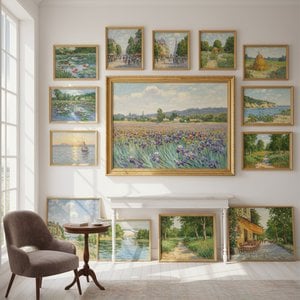
인상주의 풍경화의 황홀한 순간들: 10대 걸작에 담긴 예술혼
인상주의 풍경화의 정수를 담은 10대 걸작! 모네, 르누아르 등 거장의 작품 비하인드 스토리와 예술혼을 만나보세요. ArtsDot에서 고품격 미술 복제 및 인테리어 영감을 얻고, 당신의 공간에 예술적 감성을 더하세요. 지금 바로 ArtsDot.com에서 모든 걸작을 발견해보세요!