
- 홈

- 유화 복제화
- 장 바티스트 카르포
- Ugolino and His Sons (detail)

 프린트 구매하기
 공유하기
공유하기 공유하기
공유하기
 Details

 다운로드
다운로드
 유사 작품
유사 작품 X-Ray
X-Ray 슬라이드 쇼
Ugolino and His Sons (detail)






































 더 알아보기
작품의 원본 비율을 유지하는 미리 설정된 크기 중에서 선택하세요.

특정 프레임이나 공간에 맞도록 직접 크기를 입력할 수 있습니다. 선택하신 크기가 원본 이미지의 비율과 일치하지 않는 경우, 작품을 자르거나 추가적인 손으로 그린 요소를 사용하여 그림을 확장합니다. 제작 시작 전 승인을 위해 디지털 목업을 보내드립니다.
화면 미리 보기는 실제 자르기 또는 확장을 반영하지 않습니다. 최종 구성은 목업을 통해서만 정확하게 확인하실 수 있습니다.
맞춤 크기 제작도 가능하지만, 원본 비율을 유지하기 위해 사전 정의된 목록에서 크기를 선택하시는 것을 권장합니다.
주문 후 ArtsDot.com 팀에서 상세 안내를 위해 고객님께 이메일을 보내드리며, 미리보기 시안을 제공해 드립니다.


 유리 옵션은 110cm 미만 크기에서만 선택 가능합니다.

Ugolino and His Sons (detail)
재현 기법
복제본 크기
-


최종 결제 금액
-
작품 상세 설명
Jean-Baptiste Carpeaux’s Dramatic Confrontation with Suffering: Ugolino and His Sons
Jean-Baptiste Carpeaux's "Ugolino and His Sons" stands as a testament to the Romantic spirit infused within Neoclassical sculpture. Completed in 1865, this monumental marble sculpture delves into Dante Alighieri’s Inferno, capturing the agonizing despair of Ugolino della Gherardesca and his sons—a poignant depiction of betrayal and familial tragedy that continues to resonate with audiences today. More than just a faithful representation of literary inspiration, Carpeaux's work embodies an artistic ambition to convey profound emotion through meticulous craftsmanship and masterful technique.A Synthesis of Classical Form and Romantic Expression
Carpeaux’s approach defies simple categorization; it skillfully blends the formal elegance characteristic of Neoclassical sculpture with the emotive intensity championed by Romantic artists. Trained under François Rude, Carpeaux absorbed the disciplined rigor of the École des Beaux-Arts while simultaneously cultivating a sensitivity to dramatic narrative—a duality that informs every aspect of “Ugolino and His Sons.” The sculpture’s pyramidal composition echoes classical ideals of balance and harmony, grounding its turbulent emotional core in a framework of sculptural tradition. However, unlike many of his contemporaries who prioritized idealized beauty, Carpeaux deliberately embraced realism, striving to capture the palpable anguish etched upon Ugolino's face and the intertwined postures of his sons.Sculptural Technique: Mastering Marble and Line
The execution of “Ugolino and His Sons” exemplifies Carpeaux’s unparalleled skill in manipulating marble—a medium he treated with reverence and precision. The sculptor painstakingly carved the stone, utilizing a combination of chisels and hammers to achieve astonishing anatomical detail while simultaneously conveying an overwhelming sense of movement and tension. Crucially, Carpeaux employed flowing, curved lines to delineate the musculature of Ugolino and his sons, creating contours that mimic human anatomy with remarkable accuracy. These lines aren’t merely decorative; they actively contribute to the sculpture's dramatic impact, suggesting a struggle for survival against insurmountable odds. Furthermore, sharp, angular lines accentuate areas of emotional distress—particularly in Ugolino’s gaze—heightening the viewer’s experience of suffering and despair. The subtle interplay between polished surfaces and visible tool marks adds textural depth, reinforcing the realism of the piece and hinting at the arduous process of artistic creation.Symbolism Within Desolation: Dante's Inferno Revisited
“Ugolino and His Sons” is inextricably linked to Dante Alighieri’s *Inferno*, specifically canto XXXIII—a harrowing account of Ugolino’s imprisonment and agonizing death alongside his sons after the siege of Pisa. The sculpture doesn’t merely depict a historical event; it embodies its symbolic core: the crushing weight of betrayal, the unbearable pain of familial loss, and the inescapable grip of despair. Carpeaux deliberately positions Ugolino and his sons in an embrace that symbolizes both physical confinement and emotional interdependence—a visual metaphor for the shared agony of their predicament. The sculpture’s darkened marble hue further underscores the bleakness of its subject matter, mirroring the desolate landscape of Hell as envisioned by Dante.A Legacy of Emotional Resonance
Jean-Baptiste Carpeaux's "Ugolino and His Sons" remains a powerfully evocative artwork—a testament to his ability to transform literary inspiration into sculptural grandeur. Its enduring appeal lies in its unflinching portrayal of human suffering, coupled with masterful technique and a harmonious blend of classical form and Romantic emotion. As evidenced by the Metropolitan Museum of Art’s online feature ("Ugolino and His Sons"), this sculpture continues to captivate viewers who appreciate art's capacity to communicate profound psychological truths—a legacy cemented by its place within the broader canon of 19th-century French sculpture.유사한 작품들


작가 약력
열정으로 조각된 삶: 장 바티스트 카르포의 세계
19세기 프랑스 조각에서 역동성과 정서적 깊이의 대명사로 통하는 이름, 장 바티스트 카르포는 미천한 시작을 딛고 당대 가장 찬란하게 빛난 예술가 중 한 명으로 거듭났습니다. 1827년 발랑시엔에서 석공의 아들로 태어난 카르포의 유년 시절은 장인 정신의 물리적 실체와 깊이 맞닿아 있었으며, 이러한 환경은 그의 예술적 감수성을 형성하는 데 결정적인 영향을 미쳤습니다. 만질 수 있는 실체를 만들어내는 과정에 뿌리를 둔 이 경험은 재료와 형태에 대한 깊은 이해를 가능케 했고, 이는 훗날 촉각적 사실주의와 표현력 넘치는 힘으로 정의되는 그의 예술적 경력을 위한 토대가 되었습니다. 에투알 개선문의 극적인 부조로 유명한 프랑수아 뤼드의 지도 아래 받은 초기 교육은 고전적 기법의 탄탄한 기초를 마련해주었으나, 카르포가 진정으로 자신만의 독창적인 비전을 갈고닦기 시작한 곳은 바로 에콜 데 보자르였습니다. 학교의 엄격한 학문적 규율과 그의 타고난 재능이 결합하여, 그는 1854년 영예로운 로마 대상을 거머쥐게 되었으며, 이는 그를 이탈리아로 향하는 변혁적인 여정으로 이끄는 중대한 전환점이 되었습니다.로마의 몽상과 새로운 양식의 탄생
카르포가 로마에서 보낸 시간은 그의 예술적 발전에 있어 매우 결정적이었습니다. 미켈란젤로, 도나텔로, 베로키오와 같은 거장들의 걸작 속에 몰입하며 그는 해부학적 숙련도와 구도, 그리고 정서적 강렬함을 흡수했습니다. 그러나 카르포는 단순히 이 르네상스의 거인들을 모방하는 데 그치지 않고, 신고전주의 조각의 특징이었던 경직된 형식미를 거부하며 자신만의 길을 개척하기 시작했습니다. 그는 생명력 그 자체의 에너지와 활기를 포착할 수 있는 더욱 유동적이고 즉흥적인 접근 방식을 갈구했습니다. 이러한 변화는 이 시기에 제작된 Pêcheur napolitain à la coquille(조개껍데기를 든 나폴리 어부)와 같은 작품에서 극명하게 드러납니다. 소라껍데기를 든 어린 소년을 묘사한 이 조각은 자연주의와 움직임의 감각이 매우 뛰어나며, 이는 곧 카르포 스타일의 상징이 되었습니다. 그것은 단순히 인물을 재현한 것이 아니라, 젊음의 활기와 근심 없는 즐거움을 형상화한 것이었습니다. 파리 전시를 통해 큰 주목을 받은 이 작품은 카르포를 떠오르는 스타로 각인시켰으며, 유제니 황후로부터 직접 작품 의뢰를 받는 계기가 되었습니다.승리와 격동: 제2제정 시대의 나날들 카르포의 재능은 예술적 혁신과 거대한 공공 프로젝트가 특징이었던 나폴레옹 3세 치하의 제2제정 시대에 만개했습니다. 그는 황실의 총애를 받는 예술가가 되어 초상화와 기념비적 조각을 위한 수많은 의뢰를 받았습니다. 파리 오페라 가르니에의 파사드를 장식한 그의 작품 La Danse(무도)는 여전히 그의 가장 상징적인 업적으로 남아 있습니다. 이 고부조 조각은 소용돌이치는 에너지 속에 갇힌 인물들을 묘사하며 역동적인 움직임과 우아한 형태의 경이로운 전시를 보여줍니다. 하지만 이 걸작이 논란에서 자유로웠던 것은 아닙니다. 작품에 드러난 노골적인 관능미는 일부 보수적인 비평가들 사이에서 외설적이라는 분노를 불러일으키기도 했습니다. 이러한 비판에도 불구하고, La Danse는 경계를 허물고 관습에 도전하기를 두려워하지 않았던 대담하고 혁신적인 예술가로서 카르포의 명성을 공고히 했습니다. 이 시기의 또 다른 중요한 작품으로는 단테의 비극적인 굶주림과 절망의 이야기를 처절하게 묘록한 Ugolino and His Sons(우골리노와 그의 아들들)가 있으며, 이는 조각된 형태를 통해 심오한 정서적 깊이를 전달하는 그의 능력을 여실히 보여줍니다.
움직임과 감정으로 빚어낸 유산
말년의 경제적 어려움과 건강상의 시련에도 불구하고, 카르포는 1875년 갑작스러운 죽음을 맞이하기 전까지 창작 활동을 멈추지 않았습니다. 후대 조각가들에게 미친 그의 영향력은 부정할 수 없는 사실입니다. 그는 아카데믹한 전통의 제약에서 벗어나 더욱 자연주의적이고 표현적인 양식을 수용함으로써 오귀스트 로댕과 같은 예술가들이 나아갈 길을 닦았습니다. 현대 조각의 아버지로 불리는 로댕은 카르포를 핵심적인 선구자로 인정하며, 3차원 공간 속에 움직임과 감정을 포착해낸 그의 개척자적 노력을 높이 평가했습니다. 사실주의에 대한 카르포의 강조는 작품에 심리적 깊이를 불어넣는 능력과 결합하여, 단순한 모방을 넘어 인간 경험의 복잡성을 탐구하고자 했던 예술가들에게 깊은 울림을 주었습니다. 쥘 달루, 장 루이 포랭, 올린 레비 워너를 포함한 그의 제자들은 그의 유산을 이어받아 조각적 표현의 경계를 더욱 확장했습니다. 오늘 der 카르포의 조각들은 전 세계 주요 박물관에 전시되어 그의 영원한 예술적 비전과 조각사에 남긴 깊은 발자취를 증명하고 있습니다. 그의 작품은 가공되지 않은 날 것 그대로의 감정과 역동적인 에너지, 그리고 시대를 초월한 아름다움으로 오늘날의 관객들을 계속해서 매료시키고 있습니다.
장 바티스트 카르포
1827 - 1875 , 프랑스
주요 정보
- Artistic Movement Or Style: 자연주의, 사실주의
- Artists Or Movements Influenced By This Artist: ['오귀스트 로댕']
- Artists Who Influenced This Artist:
- 미켈란젤로
- 도나텔로
- 베로키오
- 프랑수아 뤼드
- Date Of Birth: 1827년
- Date Of Death: 1875년
- Full Name: 장 바티스트 카르포
- Nationality: 프랑스
- Notable Artworks:
- 우골리노와 그의 아들들
- 나폴리의 낚시꾼 소년
- 춤
- 흑인 여성
- Place Of Birth: 프랑스 발랑시엔
관련 기사 더 보기

Paul Gustave Doré: A Master of Romantic Realism & the Illustrated Imagination
Explore the captivating world of Gustave Doré, master of Romantic realism & iconic illustrator. Discover his dramatic wood engravings, paintings, and sculptures – a legacy shaping art history. Learn more at ArtsDot.


Jean-Baptiste Pater: Rococo Charm & Ephemeral Beauty of 18th-Century France
Explore the captivating world of Jean-Baptiste Pater, a master of Rococo painting. Discover his elegant *fête galante* scenes and shimmering portraits – a glimpse into 18th-century French aristocracy. Learn about his legacy & find high-quality reproductions.

Jean-Baptiste Debret: Witnessing Brazil’s Emergence Through Art & Identity
Explore the captivating art of Jean-Baptiste Debret, a key witness to Brazil’s imperial era. Discover his iconic portraits, historical scenes & insightful depictions of Brazilian life. Learn about his legacy and find museum-quality reproductions at ArtsDot.
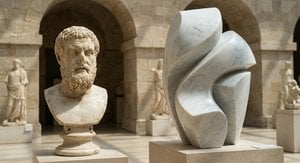
The Enduring Allure of Marble in Art History: From Classical Sculpture to Modern Abstraction
Explore the captivating history of marble sculpture from ancient Greece to modern art. Discover renowned artists like Canova & Michelangelo, carving techniques, and investment insights at ArtsDot.

The Enduring Form: Sculpture Across History, Technique & Emotional Resonance
Explore the rich history of sculpture with ArtsDot. Discover key techniques, influential artists & investment potential for discerning collectors. Expert insights into valuing and collecting timeless masterpieces.

