


 미리보기
미리보기
 공유하기
공유하기 공유하기
공유하기
 상세 정보
상세 정보 가이드 보기

 다운로드
다운로드
 유사 작품
유사 작품 X-레이
X-레이 슬라이드 쇼
 통계 정보
통계 정보Untitled (976)
 더 보기
더 보기
수제 유화 복제품
원하는 크기와 액자로 주문 제작되는, 작가들이 직접 캔버스에 손으로 그린 유화 작품입니다. ( 프린트 판매로 전환 디지털 이미지로 전환)




































작품의 원본 비율을 유지하는 미리 설정된 크기 중에서 선택하세요.

특정 프레임이나 공간에 맞도록 직접 크기를 입력할 수 있습니다. 선택하신 크기가 원본 이미지의 비율과 일치하지 않는 경우, 작품을 자르거나 추가적인 손으로 그린 요소를 사용하여 그림을 확장합니다. 제작 시작 전 승인을 위해 디지털 목업을 보내드립니다.
화면 미리 보기는 실제 자르기 또는 확장을 반영하지 않습니다. 최종 구성은 목업을 통해서만 정확하게 확인하실 수 있습니다.
맞춤 크기 제작도 가능하지만, 원본 비율을 유지하기 위해 사전 정의된 목록에서 크기를 선택하시는 것을 권장합니다.
주문 후 ArtsDot.com 팀에서 상세 안내를 위해 고객님께 이메일을 보내드리며, 미리보기 시안을 제공해 드립니다.


 유리 옵션은 110cm 미만 크기에서만 선택 가능합니다.

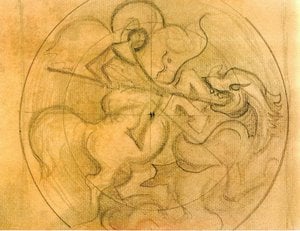
Untitled (976)
재현 기법
복제본 크기
-


최종 결제 금액
$ 263
유사한 작품들


작가 약력
제임스 글리슨: 호주 초현실주의의 설계자
제임스 티모시 글리슨(1915-2008)은 단순한 예술가 그 이상이었습니다. 그는 풍경을 불러내는 마술사였고, 악몽과 꿈을 엮어내는 직조가였으며, 명실상로 호주 최초의 진정한 초현실주의자라고 할 수 있습니다. 전후(戰後)의 예술적 지형 속에서 등장한 글리슨은 원초적인 불안이 깊게 배어 있고 신화와 정신분석학의 목소리가 메아리치는 독보적인 세계관을 구축하였으며, 이는 오늘날까지도 깊은 울림을 주고 있습니다. 그의 작품은 하나의 범주로 쉽게 정의되지 않습니다. 호주적 정체성과 유럽의 영향력, 그리고 지극히 개인적인 상징주의가 강력하게 결합되어 있으며, 시선을 사로잡고 명상을 유도하는 대담하고 두터운 임파스토 기법의 캔버스를 통해 구현됩니다.
뉴사우스웨일스의 혼스비에서 태어난 글리슨의 유년 시절은 깊은 상실감과 이질감으로 점철되어 있었습니다. 가족이 운영하던 호텔은 호주 사회의 어두운 단면을 엿볼 수 있는 창이 되었고, 그의 예술적 성향은 메이 마즈던과 같은 영향력 있는 인물들과의 만남을 통해 길러졌습니다. 마즈던은 그가 커져가는 불안을 해소할 분출구로서 회화를 선택하도록 이끌어주었습니다. 이 형성기는 그에게 무의식에 대한 매료와 불편한 진실에 맞서고자 하는 열망을 심어주었으며, 이는 훗날 그의 작품 세계를 관통하는 핵심 주제가 되었습니다. 이스트 시드니 테크니컬 칼리지에서의 초기 교육은 기초를 다지는 계기가 되었으나, 그의 초현실주의적 감각에 진정한 불을 지핀 것은 달리, 마송, 프로이트, 그리고 융의 작품 속에 몰입했던 경험이었습니다.
비전의 탄생
글리슨의 예술적 여정은 관습적인 재현을 의도적으로 거부하는 것에서 시작되었습니다. 유럽 초현실주의자들, 특히 꿈의 이미지를 탐구한 달리와 유기적 추상을 선보인 마송의 영향을 받아, 그는 시각적 지각의 한계를 넘어 무의식의 가공되지 않은 에너지를 포착하고자 했습니다. 1944년 작 ‘씨 뿌리는 사람(The Sower)’과 같은 초기작들은 이미 이러한 야망을 암시하고 있었습니다. 소용돌이치는 색채와 형태 속에서 나타나는 수수께끼 같은 인물들이 배치된 왜곡된 풍경은 당시 전형적인 호주 예술의 흐름과는 궤를 달리했습니다. 목가적인 장면과 이상화된 풍경에 집중하던 전통적 방식에서 벗어나, 글리슨은 자신만의 독특한 경로를 개척하고 있었던 것입니다.
파시즘에 대한 불안과 세계적 갈등의 위협이 도사리던 전후 시대는 그의 예술적 관심사를 깊게 형성했습니다. 그는 이러한 공포를 강력하고 종말론적인 이미지로 승화시켰습니다. 거대한 암석 지형, 물에 잠긴 인물들, 그리고 불안한 병치가 지배하는 광활하고 황량한 풍경이 그것입니다. 이는 단순한 자연의 묘사가 아니었습니다. 혼돈스러운 우주 속에서 인류가 처한 위태로운 위치를 상징적으로 나타낸 것이었습니다. 그의 작업은 죽음, 존재의 취약성, 그리고 원초적 본능이 지닌 영속적인 힘에 대한 시각적 명상이 되었습니다.
상징의 언어
글리슨의 회화는 신화, 민담, 정신분석학 이론을 끌어와 층층이 쌓인 의미를 만들어내는 상징주의로 가득 차 있습니다. 격동하는 물이나 무너져 내리는 폐허 속에서 홀로 나타나는 남성 누드의 반복적인 모티프는 취약성, 필멸성, 그리고 자아 인식을 향한 투쟁을 상징합니다. 또한 호주 아웃백을 연상시키는 황토색 톤의 사용은 친숙함과 소외감을 동시에 불러일치시키며, 그의 초현실적 비전을 고국의 풍경 속에 뿌리 내리게 하는 동시에 시대를 초월한, 마치 성서적인 듯한 분위기를 자아냅니다.
그의 후기 작품들, 특히 1970년대의 ‘우부(Ubu)’ 디프티크는 이러한 상징적 언어의 정수를 보여줍니다. 이 기념비적인 캔버스들은 침수된 인물들과 부패해가는 구조물들을 묘사하며 문명의 붕괴와 원초적 혼돈으로의 필연적인 회귀를 암시합니다. 그러나 그 파괴의 한가운데에는 기묘한 아름다움, 즉 생존과 재생을 향한 인간의 역량과 불굴의 정신을 말해주는 회복력의 정서가 깃들어 있습니다.
유산과 인정
호주 예술계에 미친 제임스 글리슨의 영향력은 부정할 수 없습니다. 그는 초현실주의를 호주 내에서 실행 가능한 예술 운동으로 확립한 선구자였으며, 아름다움과 재현에 대한 관습적인 관념에 도전했습니다. 그의 작품은 정서적 강렬함, 상징적 깊이, 그리고 독창적인 시각 언어로 인해 오늘날까지도 연구되고 찬사를 받고 있습니다.
2004년 호주 국립 미술관(National Gallery of Australia)에서 개최된 대규모 회고전 ‘시선의 스크린 너머(Beyond the Screen of Sight)’는 그를 호주에서 가장 중요한 예술가 중 한 명으로 각인시켰습니다. 이 전시는 그의 작품에 대한 대중의 관심을 집중시켰을 뿐만 아니라, 그 가치가 시대를 초월하여 유효함을 증명했습니다. 그의 유산은 회화에만 머물지 않습니다. 그는 존경받는 미술 비평가이자 강연가, 큐레이터, 작가로서 호주 미술사의 발전에 크게 기여했습니다. 2007년 그의 컬렉션이 호주 국립 미술관에 기증됨으로써, 그의 선구적인 작품들은 앞으로도 수많은 예술가와 관객들에게 영감을 주는 원천으로 남게 되었습니다.
영원한 각인
제임스 글리슨의 회화는 단순한 아름다운 이미지가 아닙니다. 그것은 인간 조건에 대한 심오한 선언입니다. 그의 작품은 우리의 공포, 불안, 그리고 죽음을 직면하게 만드는 동시에 무의식의 숨겨진 심연을 엿볼 수 있게 해줍니다. 그의 예술은 도전하고, 자극하며, 궁극적으로 존재의 신비를 밝혀내는 예술의 영원한 힘을 보여주는 강력한 증거로 남아 있습니다.

제임스 글리슨
1915 - 2008 , 호주
주요 정보
- Artistic Movement Or Style: 초현실주의
- Artists Or Movements Influenced By This Artist:
- 로버트 클리플
- 호주 초현실주의
- Artists Who Influenced This Artist:
- 살바도르 달리
- 막스 에른스트
- 지그문트 프로이트
- 칼 융
- Date Of Birth: 1915년 11월 21일
- Date Of Death: 2008년 10월 20일
- Full Name: 제임스 티모시 글리슨
- Nationality: 호주인
- Notable Artworks:
- 무제 (530)
- 무제 (723)
- 무제 (973)
- Place Of Birth: 호주 시드니