
- 홈

- 유화 복제화
- 제임스 애벗 맥닐 휘슬러
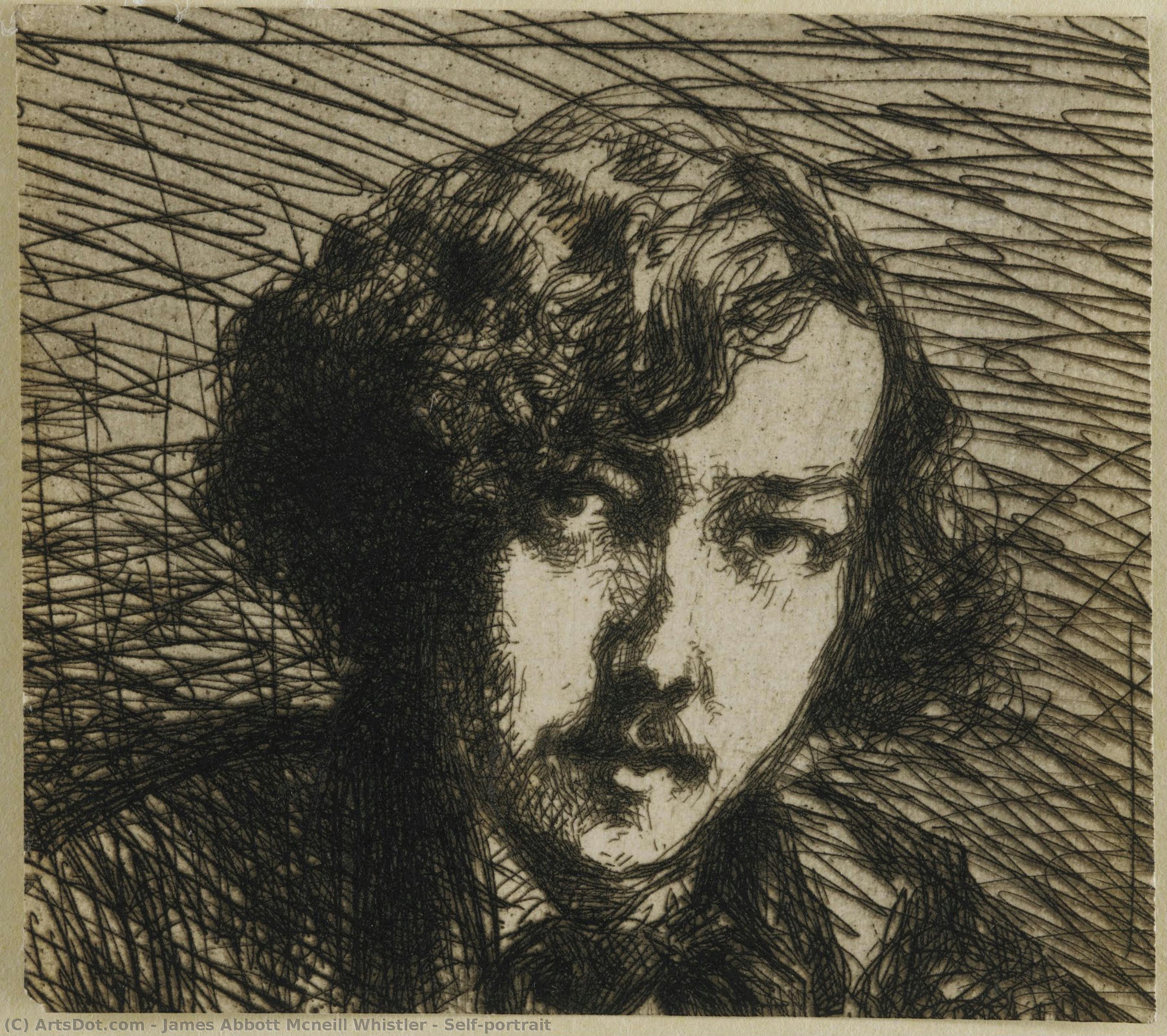
- Self-portrait
 프린트 구매하기
 공유하기
공유하기 공유하기
공유하기
 Details

 다운로드
다운로드
 유사 작품
유사 작품 X-Ray
X-Ray 슬라이드 쇼
Self-portrait






































 더 알아보기
작품의 원본 비율을 유지하는 미리 설정된 크기 중에서 선택하세요.

특정 프레임이나 공간에 맞도록 직접 크기를 입력할 수 있습니다. 선택하신 크기가 원본 이미지의 비율과 일치하지 않는 경우, 작품을 자르거나 추가적인 손으로 그린 요소를 사용하여 그림을 확장합니다. 제작 시작 전 승인을 위해 디지털 목업을 보내드립니다.
화면 미리 보기는 실제 자르기 또는 확장을 반영하지 않습니다. 최종 구성은 목업을 통해서만 정확하게 확인하실 수 있습니다.
맞춤 크기 제작도 가능하지만, 원본 비율을 유지하기 위해 사전 정의된 목록에서 크기를 선택하시는 것을 권장합니다.
주문 후 ArtsDot.com 팀에서 상세 안내를 위해 고객님께 이메일을 보내드리며, 미리보기 시안을 제공해 드립니다.


 유리 옵션은 110cm 미만 크기에서만 선택 가능합니다.

Self-portrait
재현 기법
복제본 크기
-


최종 결제 금액
-
작품 상세 설명
A Study in Shadow and Silence: Whistler’s Self-Portrait of 1858
James Abbott McNeill Whistler's "Self-portrait," etched in 1858, isn’t merely a likeness; it’s a carefully constructed meditation on perception, light, and the very nature of artistic expression. This deceptively simple image, rendered in stark black and white, immediately draws the viewer into a world of quiet contemplation – a world that reflects Whistler's burgeoning aesthetic philosophy. The portrait depicts a man with short hair, gazing downward, his features etched with a subtle melancholy. A neatly trimmed mustache adds to an air of restrained formality, while the tie suggests a connection to the social conventions of the time, yet he subtly resists their full embrace.
- The Etching Technique: Whistler was a pioneer in etching, meticulously controlling every line and tonal value. The delicate lines of this portrait demonstrate his mastery of the medium, creating an astonishingly detailed surface despite its monochrome palette. Notice how he uses hatching – closely spaced parallel lines – to build up areas of shadow, suggesting depth and volume with remarkable subtlety.
- Compositional Restraint: The subject occupies a significant portion of the frame, anchoring the image while allowing ample negative space around him. This deliberate emptiness invites the viewer to focus entirely on the figure itself, fostering a sense of intimacy and solitude.
Echoes of Aestheticism
Whistler’s “Self-portrait” is deeply rooted in the aesthetic movement that was gaining momentum throughout Europe during this period. Rejecting the prevailing Victorian emphasis on moralistic narratives and historical subject matter, aesthetes like Whistler sought to elevate art to its purest form – an end in itself. They believed that art should be judged solely on its beauty and sensory impact, divorced from didactic or narrative content. This portrait embodies that philosophy perfectly; it’s not a story being told, but rather an experience of visual contemplation.
The year 1858 was pivotal for Whistler. He was beginning to establish his artistic identity, experimenting with tonal values and exploring the interplay between light and shadow – techniques he would later refine into his signature “Nocturnes.” This self-portrait can be seen as a preliminary study for these future works, a focused investigation of how color (represented here through value) could evoke mood and atmosphere.
Symbolism in Subtlety
While the portrait avoids overt symbolism, there are subtle clues that enrich its meaning. The downward gaze suggests introspection, perhaps even a degree of sadness or weariness. It’s not a triumphant or assertive pose; rather, it conveys a sense of quiet observation and self-awareness. The tie, while present, isn't overly emphasized – it hints at societal expectations without demanding adherence to them. Whistler was deliberately blurring the lines between art and life, suggesting that beauty could be found in the everyday, even in the act of simply looking.
Furthermore, consider the stark contrast between light and shadow. Whistler masterfully uses chiaroscuro – the dramatic interplay of light and dark – to sculpt the man’s face and create a sense of three-dimensionality. This technique not only enhances the visual impact but also contributes to the overall mood of quiet contemplation.
A Timeless Reflection
Whistler's "Self-portrait" of 1858 remains a powerfully evocative work, offering a glimpse into the mind of an artist grappling with his own identity and artistic vision. It’s a testament to Whistler’s innovative approach to etching and his commitment to aesthetic principles. A reproduction of this piece offers more than just a visual representation; it provides a window into a pivotal moment in art history – a moment when the pursuit of beauty was championed above all else. Its quiet intensity continues to resonate with viewers today, inviting us to pause, reflect, and appreciate the subtle power of a carefully crafted image.
유사한 작품들


작가 약력
제임스 애벗 맥닐 위슬러: 아름다움을 향한 고독한 여정
제임스 애벗 맥닐 위슬러(James Abbott McNeill Whistler, 1834-1903)는 미국 태생으로 영국에서 주로 활동하며, 19세기 미술계에 깊은 흔적을 남긴 화가이자 판화가입니다. 그는 단순한 재현을 거부하고 ‘예술은 예술을 위해 존재한다’라는 미학주의를 옹호하며, 당시의 도덕적이고 사회적인 메시지를 담은 그림들에 대한 반발로 등장했습니다. 위슬러는 끊임없이 변화하는 환경 속에서 자신의 예술 세계를 구축해 나갔으며, 그의 삶과 작품은 아름다움을 향한 고독하고도 열정적인 여정을 보여줍니다. 어린 시절, 그는 미국 로웰에서 태어나 아버지의 직책으로 인해 러시아 상트페테르부르크로 이주하며 그림에 대한 재능을 일찍 발견했습니다. 서부군사학교에서의 짧은 군 생활과 지질조사 업무는 그의 예술적 열정을 꺾지 못했고, 결국 그는 파리로 건너가 세바스티앙 부레에게 그림 기법을 연마하며 본격적인 화가의 길을 걷게 됩니다.파리에서의 성장과 독창적인 스타일의 탄생
1850년대 파리는 다양한 예술 사조가 공존하는 역동적인 도시였습니다. 위슬러는 이곳에서 프랑스 사실주의와 바비종파 화가들의 영향을 받았지만, 단순한 모방에 머무르지 않고 자신만의 독특한 스타일을 구축해 나갔습니다. 그는 색채의 대비보다는 섬세한 명암과 분위기를 중시하며, 빛과 그림자의 조화를 통해 화면 전체에 몽환적인 느낌을 부여했습니다. 이러한 그의 시도는 곧 ‘톤(tone)’이라는 새로운 화풍으로 발전되었고, 이는 위슬러를 대표하는 특징이 되었습니다. 그는 자연을 있는 그대로 재현하기보다는 순간의 감정과 인상을 포착하여 그림 속에 담아내고자 했습니다. 특히, 템스 강변의 풍경을 소재로 한 ‘노크턴(Nocturne)’ 연작은 그의 독창적인 예술 세계를 가장 잘 보여주는 작품들입니다. 노크턴은 밤의 정적과 고요함을 표현하며, 음악에서 영감을 받은 조화로운 색채와 섬세한 붓질이 돋보입니다.‘예술은 예술을 위해’ : 미학주의 선언과 논쟁
위슬러는 자신의 작품에 ‘어레인지먼트(Arrangement)’라는 제목을 붙이며, 그림을 단순히 보이는 것을 재현하는 것이 아니라 색채와 형태의 조화로운 구성이라는 점을 강조했습니다. 이러한 그의 예술관은 당시 미술계에 큰 파장을 일으켰습니다. 특히, 그는 1878년 존 러스킨과의 명예훼손 소송에서 승소했지만, 막대한 변호사 비용으로 인해 경제적인 어려움을 겪게 됩니다. 이 사건은 위슬러를 더욱 대중의 시선으로부터 멀어지게 만들었지만, 동시에 그의 예술적 신념을 더욱 확고하게 다지는 계기가 되었습니다. 그는 ‘예술은 예술을 위해 존재한다’라는 미학주의를 옹호하며, 그림에 도덕적인 의미나 사회적인 메시지를 담는 것을 거부했습니다. 이러한 그의 태도는 당시 미술계의 주류였던 사실주의와 강렬한 대조를 이루었지만, 이후 현대 미술 발전에 큰 영향을 미쳤습니다.영향과 유산: 현대미술의 선구자
위슬러는 일본 판화(우키요에)로부터 많은 영감을 얻어 그의 작품에 동양적인 요소들을 적극적으로 활용했습니다. 간결하고 절제된 구도, 평면적인 표현 방식, 그리고 독특한 색채 감각은 그의 그림에 새로운 활력을 불어넣었습니다. 또한, 그는 초상화에서도 전통적인 재현 방식을 벗어나 모델의 개성보다는 화면 전체의 조형적인 아름다움을 추구했습니다. 대표작인 ‘회색과 흑인의 배치 제1번 (위슬러의 어머니)’는 그의 이러한 예술관을 잘 보여주는 작품입니다. 이 그림은 단순한 가족 초상화를 넘어, 색채와 형태의 조화로운 구성으로 이루어진 걸작으로 평가받고 있습니다. 위슬러는 생전에 많은 논쟁과 비판에 직면했지만, 그의 독창적인 예술 세계는 후대 화가들에게 큰 영향을 미쳤습니다. 그는 현대 미술의 선구자로서, 형식주의와 추상미술 발전에 중요한 역할을 담당했으며, 오늘날까지도 그의 작품은 전 세계적으로 사랑받고 있습니다.- 주요 작품: 더 포지(The Forge), 찰스 랭 프리어의 초상화, 갈색과 금빛: 코니 길크리스트, 회색과 흑인의 배치 제1번 (위슬러의 어머니), 노크턴: 떨어지는 로켓.
- 영향을 받은 예술가: 벨라스케스.

제임스 애벗 맥닐 휘슬러
1834 - 1903 , 미국
주요 정보
- Artistic Movement Or Style: 환상주의, 미학주의
- Artists Or Movements Influenced By This Artist:
- 미학 운동
- 근대 미술
- Artists Who Influenced This Artist:
- 벨라스케스
- 일본 판화
- Date Of Birth: 1834년 7월 10일
- Date Of Death: 1903년 7월 17일
- Full Name: 제임스 애벗 맥닐 위슬러
- Nationality: 미국 국적
- Notable Artworks:
- 회색과 흑의 배열 제1번(위슬러의 어머니)
- 검정과 금빛의 야경 - 떨어지는 로켓
- 단조로운 화로
- 孔雀室
- Place Of Birth (City And Country): 미국 로웰
관련 기사 더 보기
개인의 서사를 담아내는 예술: 맞춤형 초상화가 더욱 깊이 울리는 심리적, 미학적 차원 (Gaeinui seosa-reul damaneuneun yesul: matchumhyeong chosanghwa-ga deouk gipi ullineun simlijok, mihakjeok chaweon)
개인의 서사를 담아내는 맞춤 초상화 제작 전문 ArtsDot. 심리적 깊이와 예술적 가치를 더한 유화, 수채화 등 다양한 스타일로 특별한 순간을 영원히 기록하세요. 고품질 작품과 100% 만족 보장.


Etching Masters: 10 Legendary Prints That Revolutionized Art | ArtsDot
Journey through 10 legendary etching masterpieces by Rembrandt, Dürer & Goya. Explore the history of printmaking and discover timeless art for your home. Find museum-quality reproductions at ArtsDot.com.

Walter Crane: Aestheticism, Socialism & the Evolution of British Decorative Art
Explore the life & work of Walter Crane, a pivotal figure in Aestheticism & the Arts & Crafts movement. Discover his socialist ideals, stunning illustrations, and lasting impact on British art & design.

Ivory Black Masters: 10 Paintings That Define Dramatic Art |
Delve into the power of 'Ivory Black' with 10 iconic paintings by masters like Rembrandt & Caravaggio. Explore dramatic chiaroscuro, gothic moods & timeless art history. Find museum-quality reproductions and elevate your home decor at
Mars Black Masterpieces: 10 Iconic Paintings & Timeless Art Decor Ideas
Delve into the power of 'Mars Black' with 10 iconic paintings by masters like Rembrandt & Caravaggio. Explore dramatic chiaroscuro, gothic art, and timeless beauty. Find museum-quality reproductions & elevate your home decor on .



