

 공유하기
공유하기 공유하기
공유하기
 상세 정보
상세 정보 가이드 보기

 다운로드
다운로드
 유사 작품 더 보기
 슬라이드 쇼 보기
 질의응답
질의응답 통계 정보
통계 정보Figure


 더 보기
더 보기
웹 미리보기 화면을 훨씬 뛰어넘는 인쇄용 파일을 만나보세요. 저희가 판매하는 모든 디지털 이미지는 스톡 데이터베이스 내의 고해상도 마스터 파일(일반적으로 가로 5,000~15,000픽셀)을 기반으로 합니다. 따라서 대형 인쇄나 정밀한 크롭 작업 시에도 세밀한 디테일을 자신 있게 구현할 수 있습니다.
저희 스튜디오를 거치는 모든 파일은 정교한 손길을 거칩니다. 디지털 전문가가 원작과 대조하여 색상을 점검하고 필요 시 보정하며, 전문 리터칭 도구를 사용하여 선명도와 디테일을 높입니다. 이 과정에서 작가의 붓 터치와 화풍을 충실히 유지하는 것을 원칙으로 합니다. 그 결과, 단순한 스캔본에 필터를 입힌 듯한 느낌이 아닌, 마치 실제 회화 작품을 보는 듯한 이미지를 구현해냅니다.
최종 완료 전 확인 단계가 있습니다. 전문가가 검토하실 수 있도록 72시간 이내에 이미지를 이메일로 보내드립니다. 결과물이 만족스럽지 않으신가요? 수정이나 보완을 요청하시거나, 품질이 기대에 미치지 못할 경우 환불을 요청하실 수 있습니다.
출판사, 디자인 스튜디오, 갤러리 및 인쇄소가 신뢰하는 바로 그 품질입니다.
디지털 이미지
개인 소장 및 전시, 인쇄, 창작 프로젝트를 위한 고해상도 파일을 다운로드하세요. ( 프린트 판매로 전환 수작업 채색 복제본 주문하기)
모든 디지털 이미지 주문 시 포함되는 혜택
전문적인 디지털 이미지 전송 보장
ArtsDot.com를 선택하시면 단순히 이미지를 받는 것을 넘어, 정밀한 보정 과정을 거쳐 완성된 전문적인 디지털 예술 작품을 만나보실 수 있습니다. 모든 주문에는 만족 보장 서비스가 포함되어 있으며, 다음과 같은 사항들이 자동으로 제공됩니다:

빠른 이메일 전송
주문 후 72시간 이내에 고해상도 디지털 이미지 파일이 이메일로 발송되며, 즉시 사용하실 수 있습니다.

AI 기술로 최적화된 디지털 파일
귀하의 작품은 첨단 AI 기술과 정교한 수동 편집 과정을 거쳐 전문적으로 최적화되며, 이를 통해 디테일과 선명도, 색상의 정확도를 극대화합니다.

평생 무료 재전송 서비스
파일을 실수로 삭제하거나 분실하셨나요? 걱정 마세요. 언제든 무료로 다시 보내드립니다.

추가 수입 비용 없음 - 언제나
관세, 부가세, 배송비 부담 없이 작품을 즉시 소장하세요 - 디지털 다운로드는 언제나 면세 혜택이 적용됩니다.

정확한 색상 보장
전문적인 도구와 색상 관리 시스템을 통해 디지털 이미지가 원본의 색상을 최대한 정확하게 구현하도록 보장합니다.

100일 만족 보장제
구매하신 디지털 이미지에 만족하지 못하실 경우, 100일 이내에 별도의 조건 없이 수정 또는 100% 환불을 진행해 드립니다.

100% 환불 보장
만족스럽지 않으신가요? 디지털 파일을 받으신 후 100일 이내라면 어떤 이유로든 조건 없이 전액 환불해 드립니다.

대량 주문 할인
이미지 3매 구매 시 10% 할인 - 5매 구매 시 15% 할인 - 10매 이상 구매 시 20% 할인. 크리에이티브 프로젝트, 갤러리, 에이전시에 매우 유용합니다.
A Fragmented Vision of Humanity
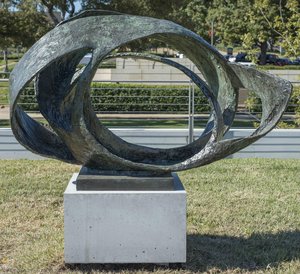
Jacques Lipchitz's "Figure," sculpted in 1930, stands as a profound testament to the transformative power of Cubism and its enduring fascination with exploring the fundamental concepts of form and perception. This bronze masterpiece transcends mere representation; it invites a deep, meditative contemplation on the very essence of human existence through a deliberately abstracted aesthetic. In an era defined by rapid societal shifts, Lipchitz utilized a fragmented language to capture the complexity of the modern soul. The sculpture presents a captivating interplay of geometric precision and organic fluidity, where the human form is not merely depicted but reconstructed through a lens of intellectual rigor and emotional depth.
The composition is a masterclass in the Cubist approach, pioneered by luminaries such as Picasso and Braque. Rather than striving for a realistic or anatomical depiction, Lipchitz dismantles the human figure into interlocking planes, presenting multiple viewpoints simultaneously. The head is rendered with striking simplicity—two oval eyes positioned above a small, triangular nose—which disrupts traditional notions of facial harmony to create a sense of enigmatic presence. Below this stylized visage, undulating vertical forms intersect with curved openings, creating a rhythmic tension between movement and stillness. This structural complexity ensures that the viewer's eye is constantly traveling across the surface, discovering new contours and depths within the bronze.
The Alchemy of Bronze and Form
The materiality of the piece is essential to its enduring impact. The choice of bronze allows for an exquisite level of detail and a rich, tactile quality that stone or wood could not achieve. Through the intricate process of bronze casting, Lipchitz was able to capture subtle variations in surface texture, from the sharp, clean edges of his geometric planes to the softer, more rounded contours of the figure's limbs. The rough, uneven patina resulting from natural oxidation lends the sculpture an ancient, weathered character, suggesting a sense of permanence and historical weight. This textured surface catches the light in a way that emphasizes the sculpture's three-dimensionality, making it a dynamic object that changes appearance depending on the surrounding illumination.
For the discerning collector or interior designer, "Figure" offers an unparalleled opportunity to introduce a piece of art history into a contemporary space. The sculpture’s neutral, earthy tones and sophisticated silhouette allow it to integrate seamlessly into various high-end environments, from minimalist modern galleries to richly textured classical studies. It serves as a powerful focal point, commanding attention through its structural integrity and the quiet strength of its presence. Owning a high-quality reproduction of this work is not merely about acquiring an object; it is about bringing a piece of the avant-garde revolution into one's personal sanctuary, fostering an atmosphere of intellectual curiosity and timeless elegance.
질의응답
자크 립시츠의 "Figure"의 기법은 무엇인가요?
자크 립시츠은(는) "Figure" 작품에 Bronze 기법을 사용했습니다. 이 기법은 원작의 재료적 특성을 잘 보여줍니다.
자크 립시츠의 "Figure"은 어떤 소재와 분위기를 담고 있나요?
"Figure"은(는) sculpture, abstraction, bronze, geometric form, cubism style, human figure, texture, modern art을(를) 담아내며, Modern한 분위기를 자아냅니다.
"Figure"에 대한 가이드는 어디에서 확인할 수 있나요?
"Figure"에 대한 안내는 작품의 학습 가이드 페이지에서 확인하실 수 있습니다. 이 페이지는 작품의 캡션, 크레딧, 그리고 상세 정보 표(작가, 제작 연도, 재료, 원본 크기, 소장처)를 포함하여 출력 가능한 형태의 팩트시트로 제공됩니다.
유사한 작품들




작가 소개
변화로 조각된 삶: 자크 리프시츠의 여정
1891년 리투아니아의 드루스키닌카이에서 하임 야콥 리프시츠라는 이름으로 태어난 자크 리프시츠의 예술적 행보는 이주와 혁신에 의해 극적으로 형성되었습니다. 건설업자로 일하던 아버지 덕분에 유대인 가문에서 보낸 그의 어린 시절은 처음에는 그를 공학 공부로 이끌었습니다. 하지만 어머니의 지지 속에서 피어난 창조적 열망은 1ระ909년 그를 예술적 혁명이 요동치던 도시, 파리로 이끌었습니다. 그는 에콜 데 보자르와 아카데미 줄리안에 입학하여 몽마르트르와 몽파르나스의 활기찬 예술 공동체에 몰입했습니다. 이러한 교류 속에서 그는 후안 그리스, 파블로 피카소, 그리고 리프시츠와 그의 아내 베르트를 가슴 뭉클한 이인 초상화로 남긴 아메데오 모딜리아니와 같은 거장들과 우정을 쌓았습니다. 이러한 초기 인연은 결정적이었으며, 리프시츠만의 독특한 감수성이 투영된 입체주의(Cubism)를 받아들이는 토대가 되었습니다.형태의 결정화: 리프시츠와 입체파 조각
리프시츠는 단순히 회화를 3차원으로 옮기는 데 그치지 않고, 입체주의를 조각해냈습니다. 피카소와 브라크의 파편화된 시점에 깊은 영향을 받았음에도 불구하고, 리프시츠는 1915-16년경까지 작품 속에 놀라운 수준의 구상성을 유지했습니다. 그의 조각은 완전히 추상적이지 않았으며, 정서적 무게감을 담아내며 인지 가능한 형태를 암시했습니다. 이는 면 분할과 투명성이 특징인 이른바 ‘수정 입체주의(Crystal Cubism)’로 진화했는데, 이는 단 하나의 형태 안에 여러 관점을 동시에 포착하려는 시도였습니다. 그는 공간을 파편화하는 실험을 통해 내면의 빛으로 일렁이는 듯한 역동적인 구성을 만들어냈습니다. 1920년 파리 레옹 로젠버그의 갤러리 로포르 모데른(Galerie L'Effort Moderne)에서 열린 그의 개인전은 파리파의 선도적 인물로서 그의 위치를 공고히 했으며, 이 독창적인 조각 언어를 세상에 보여주었습니다. “클라리넷을 든 할리퀸”과 같은 작품들은 파편화된 형태 속에서도 유희적인 에너지와 인간적인 존재감을 전달하는 이 시기의 정수를 잘 보여줍니다. 그는 단순히 형태를 해체한 것이 아니라, 새로운 시각적 논리에 따라 형태를 재구축하고 있었습니다.후기 성찰: 신앙, 유산, 그리고 토스카나의 은신처
말년에 리프츠시츠는 유대 신앙과의 연결을 심화하며, 루바비치 레베인 랍비 메나헴 슈네어손의 권유에 따라 매일 경전을 공부하고 테필린을 착용하는 등 종교적 의례를 새로운 열정으로 받아들였습니다. 이러한 영적 각성은 그의 작품에 새로운 의미의 층위를 불어넣었습니다. 그는 유럽을 자주 방문하며 이탈리아 피에트라산타에서 안식과 영감을 얻었고, 그곳에서 동료 조각가 피오레 데 엔리케스와 깊은 우정을 나누었습니다. H. 하버드 아나손과 공동 집필하여 1972년 메트로폴리탄 미술관 전시와 함께 출간된 그의 자서전은 그의 삶과 예술적 여정에 대한 가슴 아픈 성찰을 담고 있습니다. 자크 리프시츠는 1973년 이탈리아 카프리에서 세상을 떠났으나, 그의 유해는 자신의 뿌리와의 깊은 연결을 증명하듯 유해를 안치하기 위해 예루살렘으로 옮겨졌습니다. 그의 토스카나 별장인 보지오는 현재 유대인 여름 캠프로 사용되며 그의 유산이 미래 세대에 계속해서 영감을 줄 수 있도록 하고 있습니다. 그는 단순히 놀라운 조각 작품들뿐만 아니라, 예술적 회복력과 불멸하는 인간 정신의 강력한 본보기를 남겼습니다.
자크 립시츠
1891 - 1973 , 리투아니아
주요 정보
- Artistic Movement Or Style: 입체주의, 결정적 입체주의
- Artists Who Influenced This Artist:
- 파블로 피카소
- 후안 그리스
- Date Of Birth: 1891
- Date Of Death: 1973
- Full Name: 자크 립시츠
- Nationality: 리투아니아-프랑스-미국
- Notable Artworks:
- 말을 탄 곡예사
- 악기
- 기타리스트
- 피에로
- 클라리넷을 든 할리퀸
- 기타를 든 남자
- 뮤즈의 탄생
- Place Of Birth: 리투아니아, 드루스키나이