


 미리보기
미리보기
 프린트 구매
 공유하기
공유하기 공유하기
공유하기
 상세 정보
상세 정보

 다운로드
다운로드
 유사 작품
유사 작품 X-레이
X-레이 슬라이드 쇼
Deesis

 더 보기
더 보기




































작품의 원본 비율을 유지하는 미리 설정된 크기 중에서 선택하세요.

특정 프레임이나 공간에 맞도록 직접 크기를 입력할 수 있습니다. 선택하신 크기가 원본 이미지의 비율과 일치하지 않는 경우, 작품을 자르거나 추가적인 손으로 그린 요소를 사용하여 그림을 확장합니다. 제작 시작 전 승인을 위해 디지털 목업을 보내드립니다.
화면 미리 보기는 실제 자르기 또는 확장을 반영하지 않습니다. 최종 구성은 목업을 통해서만 정확하게 확인하실 수 있습니다.
맞춤 크기 제작도 가능하지만, 원본 비율을 유지하기 위해 사전 정의된 목록에서 크기를 선택하시는 것을 권장합니다.
주문 후 ArtsDot.com 팀에서 상세 안내를 위해 고객님께 이메일을 보내드리며, 미리보기 시안을 제공해 드립니다.


 유리 옵션은 110cm 미만 크기에서만 선택 가능합니다.

Deesis
재현 기법
복제본 크기
-


최종 결제 금액
$ 338
유사한 작품들


작가 약력
A Luminary of the Late Medieval Roman Mosaic Tradition: Jacopo Torriti
Jacopo Torriti, or Turriti as he was sometimes known, remains a somewhat enigmatic figure in the annals of 13th-century Italian art. Unlike many artists whose lives are documented through extensive biographical detail, our understanding of Torriti is largely constructed from his surviving works – magnificent mosaics that adorn two of Rome’s most important basilicas: San Giovanni in Laterano and Santa Maria Maggiore. He flourished during a period of significant artistic transition, bridging the Byzantine traditions with emerging Gothic sensibilities, and leaving an indelible mark on the visual landscape of the Eternal City. While precise dates for his birth and death remain elusive, we know he was active between approximately 1287 and 1295, a relatively short but intensely productive period that cemented his reputation as a master mosaicist. There are no written documents about his life beyond official records pertaining to commissions; the art itself speaks volumes, revealing a skilled hand deeply versed in both technical prowess and symbolic language.The Decoration of San Giovanni in Laterano: A Collaborative Vision
Torriti’s earliest documented work is found within the apse of the Basilica di San Giovanni in Laterano, Rome's cathedral. This monumental undertaking was not a solitary effort; he collaborated closely with Jacopo Camerino, a Franciscan friar, suggesting a strong connection between artistic patronage and religious orders during this era. The mosaics, executed between 1287 and 1292, represent a deliberate stylistic choice – an emulation of the renowned painter Cimabue. This wasn’t merely imitation, however, but rather a conscious attempt to invoke a sense of established authority and spiritual gravitas. The Lateran mosaics depict scenes from the life of Christ and the Virgin Mary, rendered with a refined elegance and vibrant color palette characteristic of Byzantine art. The figures possess a dignified stillness, their expressions conveying solemnity and devotion. While later extensively restored in 1878, these early works provide crucial insight into Torriti’s developing style and his ability to synthesize diverse artistic influences. The collaboration with Camerino also highlights the importance of theological understanding in shaping the visual narrative; each scene was carefully chosen to reinforce core Christian doctrines.Santa Maria Maggiore: A Masterpiece of Roman Mosaic Art
It is at Santa Maria Maggiore, however, that Torriti’s genius truly shines. Commissioned in 1295, the apse mosaics represent his most significant achievement and a landmark example of late medieval Roman mosaic art. The central medallion depicts the Coronation of the Virgin by Christ, a powerful image of divine grace and maternal authority. Surrounding this majestic scene is an elaborate sprawling floral ornament – remarkably preserved – incorporating flowers, birds, and animals, some elements believed to originate from 4th-century prototypes discovered during renovations. This integration of ancient motifs demonstrates Torriti’s awareness of classical traditions and his skill in repurposing them within a contemporary context. Below the central medallion stand figures of saints: Peter, Paul, John the Baptist, James the Great, Antony, and Jacopo Colonna, each rendered with individual character and meticulous detail. The walls surrounding the apse are adorned with scenes from the life of Mary, creating a cohesive visual narrative that unfolds across the entire space. The sheer scale and complexity of this project, coupled with its exceptional artistic quality, firmly established Torriti as one of the leading artists of his time.Influences and Artistic Development
Torriti’s art is deeply rooted in the Byzantine tradition, evident in the use of gold backgrounds, stylized figures, and hierarchical compositions. However, he wasn't simply a replicator of existing styles. His deliberate emulation of Cimabue suggests an awareness of developments occurring in Florentine painting, while his incorporation of ancient Roman motifs points to a broader engagement with classical art.- Byzantine Tradition: The foundation of Torriti’s style lies in the rich artistic heritage of Byzantium, characterized by its emphasis on spiritual symbolism and refined craftsmanship.
- Cimabue's Influence: His conscious adoption of Cimabue’s aesthetic demonstrates a desire to connect with contemporary artistic trends and invoke a sense of established authority.
- Classical Roman Art: The inclusion of ancient motifs in the Santa Maria Maggiore mosaics reveals an awareness of classical traditions and a skill in repurposing them within a medieval context.
Historical Significance and Legacy
Jacopo Torriti’s historical significance lies not only in the exceptional quality of his mosaics but also in their role as a bridge between artistic traditions. He successfully synthesized Byzantine, Cimabuean, and classical elements to create a uniquely Roman style that profoundly influenced subsequent generations of artists. The apse of Santa Maria Maggiore remains the most important surviving example of Roman mosaic art from the late Middle Ages, offering invaluable insight into the religious, cultural, and artistic landscape of 13th-century Italy. His work represents a high point in the tradition of monumental mosaic decoration, showcasing the power of art to convey complex theological ideas and inspire spiritual devotion. While his personal life remains shrouded in mystery, Jacopo Torriti’s legacy endures through the breathtaking beauty and enduring symbolism of his masterpieces – testaments to the skill and vision of a true luminary of the late medieval period.
주요 정보
- Artistic Movement Or Style: Late Duecento
- Artists Or Movements Influenced By This Artist:
- Duccio
- Giotto
- Artists Who Influenced This Artist:
- Cimabue
- Giotto
- Full Name: Jacopo Torriti
- Nationality: Italian
- Notable Artworks:
- Deesis
- Nativity
- The Marriage at Cana
- Place Of Birth: Rome
관련 기사 더 보기

틴토레토의 걸작 25선: 베네치아 회화 거장의 드라마와 빛의 향연 | ArtsDot
틴토레토의 드라마틱한 빛과 색채가 살아 숨쉬는 걸작 25선을 만나보세요. 베네치아 회화 거장의 명작 속 역사, 기법, 그리고 영감을 느껴보세요. ArtsDot에서 고품질 유화와 아트 프린트를 감상하고 특별한 인테리어를 완성하세요. 지금 바로 컬렉션을 탐험하세요!

Slate Blue Masterpieces: 10 Iconic Paintings & Timeless Home Decor Ideas
Immerse yourself in the captivating world of slate blue! Explore 10 iconic paintings by Monet, Van Gogh & Renoir. Discover their stories, techniques & find museum-quality art reproductions for your home at .

Serene Blue Backgrounds: Discover Soulful Art to Transform Your Space with Timeless Elegance
Transform your home with soulful blue art. From serene Monet impressions to modern textured sculptures, discover curated masterpieces designed to inspire calm. Explore expert art consultations and bespoke hand-painted reproductions to create your personal sanctuary.

The Allure of Gold in Art History: Symbolism, Technique & Cultural Significance
Explore the rich history of gold in art! Discover symbolism, techniques & cultural significance from ancient civilizations to Klimt's masterpieces. Expert insights for collectors at ArtsDot.
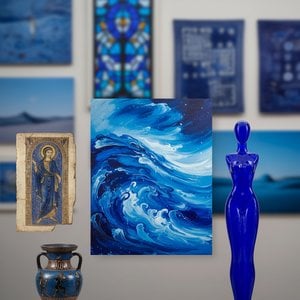
The Allure of Azure: Exploring the Symbolic & Aesthetic Depths of Blue in Art History
Explore the rich history of blue in art! Discover its symbolism, from ancient pigments to modern masterpieces by Kandinsky & Seurat. Uncover the psychological impact and cultural meanings behind this captivating hue.

