
- 홈

- 유화 복제화
- 아이반 콘스탄티노비치 아바조프스키
- Jesus walks on water

 프린트 구매하기
 공유하기
공유하기 공유하기
공유하기
 Details

 다운로드
다운로드
 유사 작품
유사 작품 X-Ray
X-Ray 슬라이드 쇼
Jesus walks on water






P118B $10

P118H $10

P118W $10

P438Z $10

P508JH $12

P508YH $12

P805H $10

P805Z $10

P919BZ $10

P919G $10

P919XJ $10

P959ZH $10

P968JZ $12

W106C $8

W218G $10

W218JH $8

W218Y $10

W307PJ $10

W316G $10

W316PJ $8

W316Y $10

W398PJ $8

W4111J $10

W500HY $15

W500JH $15

W692G $12

W849H $8

W940BG $15

W953PJ $8




 더 알아보기
작품의 원본 비율을 유지하는 미리 설정된 크기 중에서 선택하세요.

특정 프레임이나 공간에 맞도록 직접 크기를 입력할 수 있습니다. 선택하신 크기가 원본 이미지의 비율과 일치하지 않는 경우, 작품을 자르거나 추가적인 손으로 그린 요소를 사용하여 그림을 확장합니다. 제작 시작 전 승인을 위해 디지털 목업을 보내드립니다.
화면 미리 보기는 실제 자르기 또는 확장을 반영하지 않습니다. 최종 구성은 목업을 통해서만 정확하게 확인하실 수 있습니다.
맞춤 크기 제작도 가능하지만, 원본 비율을 유지하기 위해 사전 정의된 목록에서 크기를 선택하시는 것을 권장합니다.
주문 후 ArtsDot.com 팀에서 상세 안내를 위해 고객님께 이메일을 보내드리며, 미리보기 시안을 제공해 드립니다.


 유리 옵션은 110cm 미만 크기에서만 선택 가능합니다.

Jesus walks on water
재현 기법
복제본 크기
-


최종 결제 금액
-
작품 상세 설명
Aivazovsky's "Jesus Walks on Water": A Tempest of Faith
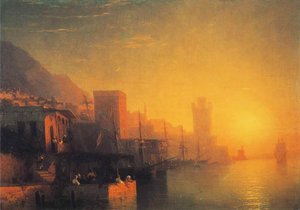
- Ivan Konstantinovich Aivazovsky’s “Jesus Walks on Water,” painted in 1888, is more than a depiction of a biblical scene; it’s an immersive experience of raw power and spiritual awe. Born in Feodosia, Russia, Aivazovsky dedicated his life to capturing the soul of the Black Sea – its capricious moods, its breathtaking grandeur, and its inherent danger. This painting exemplifies his mastery, transporting the viewer directly into the heart of the miracle itself.
- The artwork’s composition immediately draws attention to Jesus at the center, bathed in an almost impossibly brilliant white light that cuts through the oppressive darkness. The disciples, huddled within their small boat in the foreground, serve as a grounding element, emphasizing both the scale of the event and the vulnerability of human faith. Aivazovsky skillfully employs a pyramidal structure, directing the eye upwards towards the luminous figure of Christ – a hallmark of Romanticism’s desire to evoke the sublime.
A Symphony of Color and Light
- The color palette is deliberately dramatic, dominated by deep blues, grays, and blacks that evoke the turbulent night sea. This darkness isn't merely a backdrop; it represents doubt, fear, and the overwhelming power of nature. The stark contrast between these dark tones and the radiant light surrounding Jesus creates an almost hallucinatory effect, intensifying the spiritual significance of the scene. Aivazovsky’s use of white is not simply representational; it symbolizes divine presence and hope amidst despair.
- The technique employed – layering thin washes of oil paint – allows for a remarkable luminosity. The brushstrokes are deliberately soft and blended, contributing to an ethereal quality that mimics the shimmering surface of the water. This meticulous attention to detail creates an illusion of movement and depth, drawing the viewer into the heart of the storm.
Romanticism’s Embrace of the Sublime
- “Jesus Walks on Water” is a quintessential example of Romantic art. The style prioritizes emotion, drama, and the awe-inspiring power of nature – elements deeply resonant with Aivazovsky's own experience of the Black Sea. This painting reflects the Romantic fascination with the sublime: that feeling of both terror and exhilaration experienced when confronted with something vast and overwhelming, like a raging storm or a divine miracle.
- Aivazovsky’s masterful use of perspective – linear and atmospheric – further enhances this sense of scale and drama. The receding boat, softened by atmospheric haze, creates an illusion of infinite depth, while the horizontal lines of the horizon emphasize the vastness of the ocean. The subtle textures, achieved through careful brushwork, add to the realism and tactile quality of the scene.
Symbolism and Emotional Resonance
- Beyond its religious subject matter, the painting is rich in symbolic meaning. The turbulent sea represents the challenges and uncertainties of life, while Jesus’s act of walking on water symbolizes faith, hope, and divine intervention. The darkness surrounding him underscores the doubts and fears that often accompany belief.
- Ultimately, “Jesus Walks on Water” evokes a profound sense of awe, wonder, and reverence. It's a powerful meditation on faith, doubt, and the enduring human need for meaning in a chaotic world – a timeless masterpiece that continues to captivate viewers over a century after its creation.
유사한 작품들




작가 약력
Ivan Konstantinovich Aivazovsky (Hovhannes Aivazian): Embodies the Romantic Movement’s Emphasis on Emotion and Imagination
Ivan Konstantinovich Aivazovsky, born Hovhannes Aivazian in 1817, was more than just a painter of seascapes; he was a conduit to the ocean's soul. His very existence seemed inextricably linked to the Black Sea—a vast, unpredictable expanse that would forever dominate his artistic vision and fuel an extraordinary career spanning nearly six decades. Born in the Crimean port city of Feodosia, Aivazovsky didn’t merely observe the sea; he felt it – its raw energy, sublime beauty, and inherent danger becoming the very essence of his art. From a young age, this connection was nurtured, initially by local architect Jacob Koch who recognized the boy’s talent, then blossoming within the rigorous academic environment of the Imperial Academy of Arts in Saint Petersburg. Yet, formal training alone couldn't account for the depth of Aivazovsky’s understanding; it was the constant presence of salt-laced air and the cries of gulls that truly shaped his artistic sensibility. His Armenian heritage also played a significant role, as he was baptized at St. Sargis Armenian Church in Feodosia and maintained strong cultural ties throughout his life, occasionally incorporating Armenian themes into his expansive body of work. ## Early Life and Artistic Beginnings: A Crimean Connection Aivazovsky’s formative years were steeped in the atmosphere of Feodosia—a city renowned for its maritime traditions and breathtaking coastal landscapes. Recognizing his prodigious talent at a young age, Jacob Koch encouraged him to pursue artistic endeavors, laying the groundwork for his future success. This early exposure to the sea profoundly influenced his aesthetic sensibilities, shaping his lifelong fascination with capturing its grandeur and turbulence. His enrollment in Saint Petersburg’s Imperial Academy of Arts provided him with formal training but crucially complemented it with firsthand experience—a crucial element in developing his distinctive style. The Academy's curriculum instilled a disciplined approach to artmaking, yet Aivazovsky’s artistic vision transcended academic conventions, driven by an intuitive understanding of color and composition that would become hallmarks of his oeuvre. ## The Influence of Romanticism and European Travels Aivazovsky’s artistic journey took him beyond Russia's borders in the early 1840s, immersing him in the vibrant cultural landscape of Italy. This period proved transformative, exposing him to new artistic influences and honing his skills through observation of Italian landscapes bathed in warm sunlight. He absorbed the spirit of Romanticism—a movement characterized by an intense preoccupation with emotion, imagination, and the sublime power of nature—finding inspiration in artists like Turner and Friedrich. These encounters profoundly impacted his approach to painting, encouraging him to prioritize expressive intensity over meticulous detail. Returning to Saint Petersburg, he accepted a prestigious commission from the Russian Navy, granting him access to ships, sailors, naval battles, and unparalleled opportunities for observation. This patronage fueled his prolific output—he claimed to have created approximately six thousand paintings during his lifetime—and solidified his reputation as Russia’s foremost marine artist. ## Mastering Marine Art: Technique and Style Aivazovsky's artistic technique was revolutionary for its time. He championed the practice of painting *en plein air*, directly from nature, capturing fleeting light effects with remarkable accuracy. This method demanded a profound understanding of atmospheric perspective—the illusion that objects appear smaller as they recede into the distance—and Aivazovsky skillfully employed this principle to create breathtaking vistas of stormy seas and tranquil coastal scenes alike. His brushstrokes were bold and energetic, conveying movement and dynamism while simultaneously achieving textural richness. He utilized thin layers of paint—a technique known as glazing—to build up luminous colors and imbue his canvases with an ethereal glow. This meticulous attention to detail combined with a masterful grasp of expressive color contributed significantly to the enduring beauty and emotional impact of his paintings. ## Legacy and Enduring Influence: A Titan Among Artists Ivan Konstantinovich Aivazovsky’s legacy extends far beyond his artistic achievements—he remains one of Russia's most celebrated painters, revered for his unwavering dedication to capturing the sublime grandeur of the sea. His influence on subsequent generations of Russian artists is undeniable, shaping aesthetic sensibilities and inspiring stylistic innovations. Works like *The Ninth Wave* continue to captivate audiences worldwide with their visceral depiction of human vulnerability confronted by the overwhelming force of nature—a testament to Aivazovsky’s ability to translate emotion into visual form. He cemented his place in art history as a pioneer of Romanticism, demonstrating that artistic excellence could coexist with profound spiritual conviction. His paintings serve as enduring reminders of Russia's maritime heritage and its connection to the natural world—a legacy destined to inspire awe and admiration for centuries to come.
아이반 콘스탄티노비치 아바조프스키
1817 - 1900 , 러시아
주요 정보
- Artistic Movement Or Style: 낭만주의 및 극적인 구성의 해상 미술
- Artists Who Influenced This Artist: ['제임스 매튜 웨버 터너']
- Date Of Birth: 1817년 7월 29일
- Date Of Death: 1900년 5월 2일
- Full Name: Ivan Konstantinovich Aivazovsky
- Nationality: 러시아-아르메니아인
- Notable Artworks:
- 바바예프 스튜디오 제작 작품: 제9파동
- 폭풍해상 그림
- Place Of Birth: 크림리아 페도시아
관련 기사 더 보기

From Snapshot to Canvas: The Art of Transforming Travel Photography into Timeless Oil Paintings
Transform your cherished travel photos into timeless oil paintings with expert artists at ArtsDot.com. Museum-quality reproductions & custom portraits – preserve your memories beautifully.


Sacred Narratives on Canvas: Exploring Biblical Art Across Centuries
Explore the rich history of biblical art from Giotto to the Renaissance masters. Discover symbolism, techniques & enduring legacies with ArtsDot – your source for museum-quality reproductions and expert art insights.

From Imagination to Canvas: Commissioning Bespoke Fantasy Art with Traditional Oil Painting Techniques
Commission breathtaking bespoke fantasy art with skilled oil painters. Explore techniques, artist selection & preservation tips. Invest in a unique masterpiece today!

Oil on Canvas Masters: 10 Paintings That Redefined Art History |
Journey through art history with our guide to 10 legendary oil on canvas masterpieces! Explore iconic works by Van Gogh, Monet & Rembrandt. Find museum-quality reproductions and elevate your home decor at . Discover all masterpieces online.

Ivan Aivazovsky: Mastering Light & Emotion in 19th-Century Marine Painting
Explore the captivating world of Ivan Aivazovsky, a master of 19th-century marine painting. Discover his techniques, iconic artworks & lasting legacy in this expert guide.



