미리보기
미리보기
 공유하기
공유하기 공유하기
공유하기
 상세 정보
상세 정보

 다운로드
다운로드
 유사 작품
유사 작품 X-레이
X-레이 슬라이드 쇼
untitled (720)

 더 보기
더 보기
수제 유화 복제품
원하는 크기와 액자로 주문 제작되는, 작가들이 직접 캔버스에 손으로 그린 유화 작품입니다. ( 프린트 주문으로 전환 이미지로 전환)




P118B $10

P118H $10

P118W $10

P438Z $10

P508JH $12

P508YH $12

P805H $10

P805Z $10

P919BZ $10

P919G $10

P919XJ $10

P959ZH $10

P968JZ $12

W106C $8

W218G $10

W218JH $8

W218Y $10

W307PJ $10

W316G $10

W316PJ $8

W316Y $10

W398PJ $8

W4111J $10

W500HY $15

W500JH $15

W692G $12

W849H $8

W940BG $15

W953PJ $8




작품의 원본 비율을 유지하는 미리 설정된 크기 중에서 선택하세요.

특정 프레임이나 공간에 맞도록 직접 크기를 입력할 수 있습니다. 선택하신 크기가 원본 이미지의 비율과 일치하지 않는 경우, 작품을 자르거나 추가적인 손으로 그린 요소를 사용하여 그림을 확장합니다. 제작 시작 전 승인을 위해 디지털 목업을 보내드립니다.
화면 미리 보기는 실제 자르기 또는 확장을 반영하지 않습니다. 최종 구성은 목업을 통해서만 정확하게 확인하실 수 있습니다.
맞춤 크기 제작도 가능하지만, 원본 비율을 유지하기 위해 사전 정의된 목록에서 크기를 선택하시는 것을 권장합니다.
주문 후 ArtsDot.com 팀에서 상세 안내를 위해 고객님께 이메일을 보내드리며, 미리보기 시안을 제공해 드립니다.


 유리 옵션은 110cm 미만 크기에서만 선택 가능합니다.

untitled (720)
재현 기법
복제본 크기
-


최종 결제 금액
$ 263
작품 상세 설명
The Enigmatic Figure: Unpacking Henri Matisse’s “Untitled (720)”
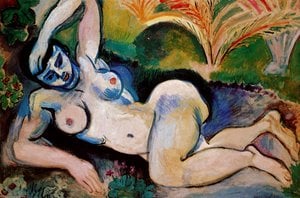
Henri Matisse's "Untitled (720)," a captivating study in form, color, and the very essence of human presence, stands as a testament to his revolutionary approach to painting. This work, rendered with the characteristic boldness that defined his mature style, isn’t merely a depiction of a woman; it’s an exploration of gesture, space, and the emotional resonance of simplified shapes. The photograph itself reveals a striking simplicity – a nude figure posed before a brick wall, bathed in a serene blue light. Yet, within this apparent restraint lies a profound dynamism, inviting viewers to contemplate the subject's posture, her gaze (implied rather than explicitly shown), and the subtle interplay between form and background.
Matisse’s journey to this iconic style was far from straightforward. Initially trained as a lawyer, his path dramatically shifted after an illness in 1889, leading him to embrace painting as a deeply personal and liberating pursuit. This early convalescence ignited a passion for color – a passion that would become the cornerstone of his artistic identity. His formative years at the Académie Julian and École Nationale des Beaux-Arts provided a foundation, but it was through experimentation with Impressionism and the influence of artists like Van Gogh and Cézanne that he began to forge his own unique vocabulary. The work’s brushstrokes, visible throughout the image, speak to an immediate, almost tactile approach – a deliberate rejection of meticulous detail in favor of capturing the essence of the subject.
A Fauvist Revelation: Color as Language
“Untitled (720)” is firmly rooted within the Fauvist movement, a period of intense artistic experimentation that emerged around 1905. The Fauves – meaning “wild beasts” – sought to liberate color from its traditional role and use it expressively, often employing jarring juxtapositions and vibrant hues divorced from naturalistic representation. Matisse’s masterful manipulation of blue creates a sense of both tranquility and mystery; it's not the cool, restful blue of a clear sky, but rather a richer, more saturated tone that seems to emanate its own light. This deliberate chromatic choice immediately draws the eye and establishes a mood of quiet contemplation.
The brick wall serves as a crucial element within the composition, acting as both a grounding force and a visual counterpoint to the figure’s lightness. Its rough texture and muted tones provide a stark contrast to the woman's smooth skin and vibrant color palette. This juxtaposition highlights her presence—she is not simply *in* space, but actively shaping it with her posture and gesture. The simplicity of the wall also directs the viewer's attention solely onto the subject, emphasizing her form and inviting introspection.
Symbolism and the Essence of the Human Form
While seemingly straightforward in its depiction, “Untitled (720)” is rich in symbolic potential. The nude figure herself embodies a timeless quality—a representation of female strength, vulnerability, and perhaps even defiance. Her hands on her hips are not merely a pose; they convey a sense of self-assuredness and quiet power. There’s an inherent dignity in her stance, suggesting a connection to the earth and a profound awareness of her own being.
Matisse's deliberate simplification of form—reducing the figure to its essential elements—is key to understanding his artistic vision. He wasn’t interested in creating a realistic portrait; he was striving to capture the *feeling* of the subject, the underlying energy that animated her presence. This approach aligns with Matisse’s broader philosophy of art as a means of expressing joy and beauty – a belief deeply ingrained in his work throughout his career.
A Legacy of Color and Form
“Untitled (720)” is more than just a painting; it's a pivotal moment in the history of modern art. It exemplifies Matisse’s groundbreaking use of color, his innovative approach to composition, and his unwavering commitment to capturing the essence of human experience. Reproductions of this work offer an exceptional opportunity to bring this vibrant and emotionally resonant image into any space, allowing viewers to engage with Matisse's genius and appreciate the enduring power of art to inspire and uplift.
유사한 작품들




작가 약력
색채의 거장, 앙리 마티스: 삶과 예술
앙리 에밀 베노와 마티스는 1869년 프랑스 북부 작은 마을 레 카토-캄브레시에서 태어났습니다. 법학을 공부하려던 그는 우연히 병으로 입원하며 그림에 눈뜨게 되었고, 어머니에게 받은 물감 세트가 그의 삶의 전환점이 되었습니다. 보앵-앙-베르망두아에서 성장하며 상인의 아들로 평범한 삶을 살았지만, 예술가의 길을 걷기로 결심한 순간부터 그는 색채와 형태로 표현되는 새로운 세계를 향해 나아갔습니다. 파리 학원과 에콜 데 보자르에서 전통적인 기법을 익혔지만, 그의 작품은 곧 자신만의 독특한 목소리를 찾아나갈 준비가 되어 있었습니다.야수파의 탄생과 대담한 실험
1896년 존 러셀과의 Belle Île 방문이 마티스의 예술 세계에 결정적인 영향을 미쳤습니다. 러셀을 통해 인상주의를 접하고, 더욱 중요한 것은 빈센트 반 고흐의 강렬한 색채와 감정을 담은 작품들을 보며 충격을 받았습니다. 이는 그의 팔레트를 변화시키고, 엄격한 재현 대신 감정과 어우러지는 색채를 탐구하도록 이끌었습니다. 이러한 탐색의 결과로 1905년 야수파가 등장했습니다. ‘야수’라는 이름은 비평가들이 그들의 강렬하고 비전통적인 작품에 붙인 조롱이었지만, 마티스와 앙드레 데랭, 모리스 드 블라멩크 등은 색채를 독립적인 표현 수단으로 활용하며 미술계에 새로운 바람을 일으켰습니다. 호박들(1905)과 같은 작품에서 볼 수 있듯이, 그는 전통적인 원근법을 무시하고 순수한 색면을 사용하여 강렬한 시각적 효과를 만들어냈습니다. 야수파는 짧은 기간 동안 존재했지만, 현대 미술의 흐름을 바꾸는 데 중요한 역할을 했습니다.장식과 조화: 예술의 진화
야수파 운동 이후 마티스는 더욱 세련된 스타일로 나아갔습니다. 색채에 대한 사랑을 포기하지 않으면서도, 그의 작품은 장식적인 아름다움을 강조하고 형태를 단순화하는 경향을 보였습니다. 프랑스 리비에라의 니스에서 정착하면서 지중해의 햇살과 여유로운 분위기가 그의 예술에 반영되었고, 평온함과 고전적인 균형미가 느껴지는 작품들을 탄생시켰습니다. 그는 회화뿐만 아니라 도자기, 직물 등 다양한 매체를 통해 자신의 예술적 비전을 확장했습니다. 단순한 장면 묘사를 넘어, 특정한 감정을 불러일으키는 환경을 구축하고자 했습니다.제한 속의 혁신: 종이 콜라주
건강 악화로 인해 전통적인 회화 기법을 사용하기 어려워지자, 마티스는 종이 콜라주라는 새로운 예술 영역을 개척했습니다. 1947년부터 시작된 이 작업은 필연에 의해 촉발되었지만, 곧 그의 예술적 탐구의 중요한 단계가 되었습니다. 그는 넓은 종이를 다채로운 색상으로 칠한 후, 가위로 잘라낸 형태들을 캔버스 위에 배열하여 역동적이면서도 간결한 작품을 창조했습니다. 이러한 콜라주들은 단순히 회화의 대체재가 아니라, 색과 형태에 대한 새로운 사고방식을 제시하며 그의 예술적 유산을 더욱 풍성하게 만들었습니다. 종이 콜라주는 그에게 순수한 형태와 색채를 얻는 데 유리했을 뿐만 아니라, 이전 작품들의 주제와 모티프를 새롭고 혁신적인 방식으로 재해석할 수 있는 기회를 제공했습니다.현대 미술에 미친 영향: 마티스의 유산
1954년 니스에서 세상을 떠난 앙리 마티스는 현대 미술사에 지대한 영향을 미쳤습니다. 그는 전통적인 표현 방식을 거부하고 색채의 힘을 옹호하며, 후대 예술가들에게 영감을 주었습니다. 파블로 피카소와 함께 20세기 미술을 정의한 주요 인물 중 한 명으로 평가받으며, 그의 작품은 전 세계 박물관과 개인 소장품에서 감상할 수 있습니다. 마티스는 단순한 그림쟁이가 아니라, 색채, 조화, 그리고 무한한 가능성으로 가득 찬 세상을 창조하고자 했던 예술가였습니다. 그는 우리가 세상을 보는 방식을 바꾸었고, 그의 유산은 오늘날까지도 현대 미술에 깊은 영향을 미치고 있습니다.
앙리 마티스
1869 - 1954 , 프랑스
주요 정보
- 국적: 프랑스
- 대표 작품:
- 호박들
- 흰 터번을 쓴 로레트
- 사망일: 1954년 11월 3일
- 영향을 받은 예술가:
- 모던 미술
- 표현주의
- 영향을 준 예술가:
- 반 고흐
- 샤르댕
- 러스
- 예술 사조: 포비즘 (Fauvism)
- 전체 이름: 앙리 에밀 베노와 마티스
- 출생일: 1869년 12월 31일
- 출생지: 르 카토-캄브레시, 프랑스
관련 기사 더 보기
fauve 미술을 정의한 10대 걸작: 강렬한 색채와 혁신적인 표현의 세계
fauve 미술의 심장을 뛰게 하는 10대 걸작! 모리스 드니, 마티스 등 거장의 강렬한 색채와 혁신적인 표현을 만나보세요. 예술 작품 감상부터 인테리어 디자인 영감까지, ArtsDot.com에서 명품 아트 프린트를 찾아보세요.

호안 미로 최고 걸작 25선: 꿈과 상상의 화가, 공간에 예술을 더하다
호안 미로의 최고 걸작 25선을 만나보세요. 꿈과 상상의 세계를 담은 추상 미술 작품들의 탄생 비화와 예술적 의미를 탐구합니다. ArtsDot.com에서 고품질 미로 그림을 감상하고, 공간에 특별한 색채를 더해보세요! 지금 바로 컬렉션을 확인하세요.

앙리 마티스의 걸작 25선: 색채와 감각의 혁신을 만나다 | ArtsDot
앙리 마티스의 시대를 초월하는 걸작 25선을 만나보세요. 색채주의, 야수파를 대표하는 그의 삶과 예술 세계를 탐험하고, ArtsDot에서 명화 복제본으로 거실 인테리어에 감동을 더하세요. 지금 바로 컬렉션을 확인하세요!

Slate Blue Masterpieces: 10 Iconic Paintings & Timeless Home Decor Ideas
Immerse yourself in the captivating world of slate blue! Explore 10 iconic paintings by Monet, Van Gogh & Renoir. Discover their stories, techniques & find museum-quality art reproductions for your home at .
Henri Matisse: A Revolutionary Use of Color and Form in Modern Art
Explore the revolutionary art of Henri Matisse! Discover his bold use of color, Fauvist origins, and lasting impact on modern painting. A comprehensive guide for art enthusiasts.