


 미리보기
미리보기
 공유하기
공유하기 공유하기
공유하기
 상세 정보
상세 정보

 다운로드
다운로드
 유사 작품
유사 작품 X-레이
X-레이 슬라이드 쇼
Kailash Kora

 더 보기
더 보기
지클레 / 아트 프린트
빠른 제작과 다양한 마감 옵션을 제공하는 박물관 품질의 지클레이 또는 캔버스 프린트. ( 손으로 그린 그림 구매 이미지 구매)




































작품의 원본 비율을 유지하는 미리 설정된 크기 중에서 선택하세요.

특정 프레임이나 공간에 맞춰 직접 치수를 입력하실 수 있습니다. 선택하신 사이즈가 원본 이미지의 비율과 일치하지 않을 경우, 작품을 크롭(자르기)하거나 이미지를 대칭 또는 단색 채우기로 확장하여 제작합니다. 제작 시작 전, 최종 확인을 위해 디지털 목업이 전송됩니다.
화면상의 미리보기는 실제 크롭이나 확장 상태를 반영하지 않으므로, 최종 구도는 오직 목업을 통해서만 정확하게 확인하실 수 있습니다.
맞춤 사이즈 제작도 가능하지만, 원본 비율을 유지하기 위해서는 사전 정의된 목록에서 치수를 선택하시는 것을 권장합니다.


 유리 옵션은 110cm 미만 크기에서만 선택 가능합니다.

Kailash Kora
지클레 / 아트 프린트
복제본 크기
-


최종 결제 금액
$ 62
유사한 작품들


작가 약력
The Art of the Footstep: Hamish Fulton and the Poetics of Walking
Hamish Fulton, born in London in 1946, occupies a unique position within contemporary art—a position forged not in studios or workshops, but on the open road. He is, fundamentally, a walking artist. Since 1972, his artistic practice has been inextricably linked to the act of walking itself, transforming personal journeys into compelling works that challenge conventional notions of creation and representation. Fulton doesn’t *create* objects so much as he documents experiences, translating the sensory and intellectual encounters of his walks into a diverse range of media including photography, illustrations, and, perhaps most powerfully, wall texts. His work isn't about reaching a destination; it is the journey—the very act of walking—that constitutes the art form. This radical approach has earned him recognition in major museum collections worldwide, from Tate Britain to MoMA, establishing him as a pivotal figure in conceptual and land art movements.Early Influences and the Genesis of a Walking Practice
Fulton’s artistic education began at Hammersmith College of Art before progressing to St. Martin's School of Art in London (1966-1968) and then the Royal College of Art (1968-1969). It was during his time at St. Martin’s that the seeds of his walking practice were sown, with early group walks undertaken as explorations of both physical space and artistic collaboration. These initial forays weren't conceived as ends in themselves but rather as a questioning of traditional art-making processes. He began to feel constrained by the limitations of studio work, seeking instead an engagement with the world directly—a direct experience unfiltered by mediation. This desire led him away from sculpture and painting towards a practice centered on movement and observation. The influence of conceptual artists like Sol LeWitt, who emphasized the idea behind the artwork over its physical manifestation, is palpable in Fulton’s early work. However, Fulton diverges significantly from LeWitt's systematic approach, embracing instead the unpredictable nature of walking and the unique qualities of each landscape encountered.Translating Experience: From Walk to Artwork
The core tenet of Fulton’s practice lies in his refusal to collect materials during his walks. He doesn’t bring back stones, leaves, or other souvenirs; rather, he meticulously records the experience through text-based descriptions and photographic documentation. These elements are then combined to create works that convey not a literal representation of the walk but an *impression* of it—a distillation of its sensory qualities, intellectual reflections, and emotional resonance. His wall texts, often rendered in precise, minimalist lettering, function as both records and invitations, prompting viewers to contemplate the journey alongside him. The photographs serve not as illustrations but as anchors for the text, grounding the experience in a specific time and place. Fulton’s work is characterized by an economy of means; he deliberately avoids embellishment or overt symbolism, allowing the power of the walk itself to speak through his carefully chosen words and images. He describes these walks as “invisible objects”, existing primarily within his own consciousness but made accessible through artistic translation.Expanding the Boundaries: Group Walks and Political Engagement
From 1994 onwards, Fulton began incorporating group walks into his practice, extending the experience beyond his individual journey to encompass collective participation. These public walks, often organized around specific themes or locations, became a powerful means of fostering shared experiences and challenging conventional notions of authorship. A notable example is *Slowalk (in Support of Ai Weiwei)* in 2011 at the Tate Modern’s Turbine Hall, a gesture of solidarity with the artist Ai Weiwei who was then facing restrictions on his freedom. These group walks are not simply about walking together; they are artworks created and observed by the participants themselves, blurring the boundaries between creator and audience. Furthermore, Fulton's work has increasingly engaged with political issues, particularly concerning environmental degradation and the situation in Tibet, using his walks as a form of quiet protest and advocacy. He emphasizes the inherent political nature of walking—a reclaiming of space and a resistance to control.Legacy and Historical Significance
Hamish Fulton’s contribution to contemporary art is profound. He has fundamentally expanded the definition of artistic practice, demonstrating that art can exist not in tangible objects but in ephemeral experiences. His work resonates with a growing awareness of environmental concerns and a desire for more sustainable ways of living. By prioritizing walking—a simple, fundamental human act—Fulton challenges us to reconsider our relationship with the landscape and with each other. He argues persuasively that “walking is an art form in its own right,” advocating for wider acknowledgement of this often-overlooked practice. His influence can be seen in a diverse range of contemporary artists who explore themes of movement, place, and participation. Fulton’s legacy lies not only in his unique body of work but also in his unwavering commitment to the poetics of walking—a testament to the power of slow observation, mindful engagement, and the transformative potential of putting one foot in front of the other.- Born: London, United Kingdom, 1946
- Education: Hammersmith College of Art; St. Martin’s School of Art, London; Royal College of Art, London.
- Key Themes: Walking, Land Art, Conceptual Art, Environmentalism, Political Activism.
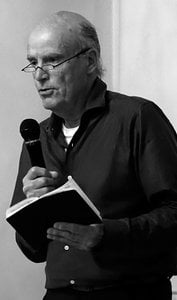
hamish fulton
1946 - , United Kingdom
주요 정보
- Artistic Movement Or Style: Walking Art, Conceptual Art
- Artists Who Influenced This Artist: ['David Hall']
- Date Of Birth: 1946
- Full Name: Hamish Fulton
- Nationality: English
- Notable Artworks:
- Mountain Time, Human Time
- Slowalk (in Support of Ai Weiwei)
- A Walking Artist
- Place Of Birth: London, UK

