

 프린트 구매하기
 공유하기
공유하기 공유하기
공유하기
 Details

 다운로드
다운로드
 유사 작품
유사 작품 X-Ray
X-Ray 슬라이드 쇼
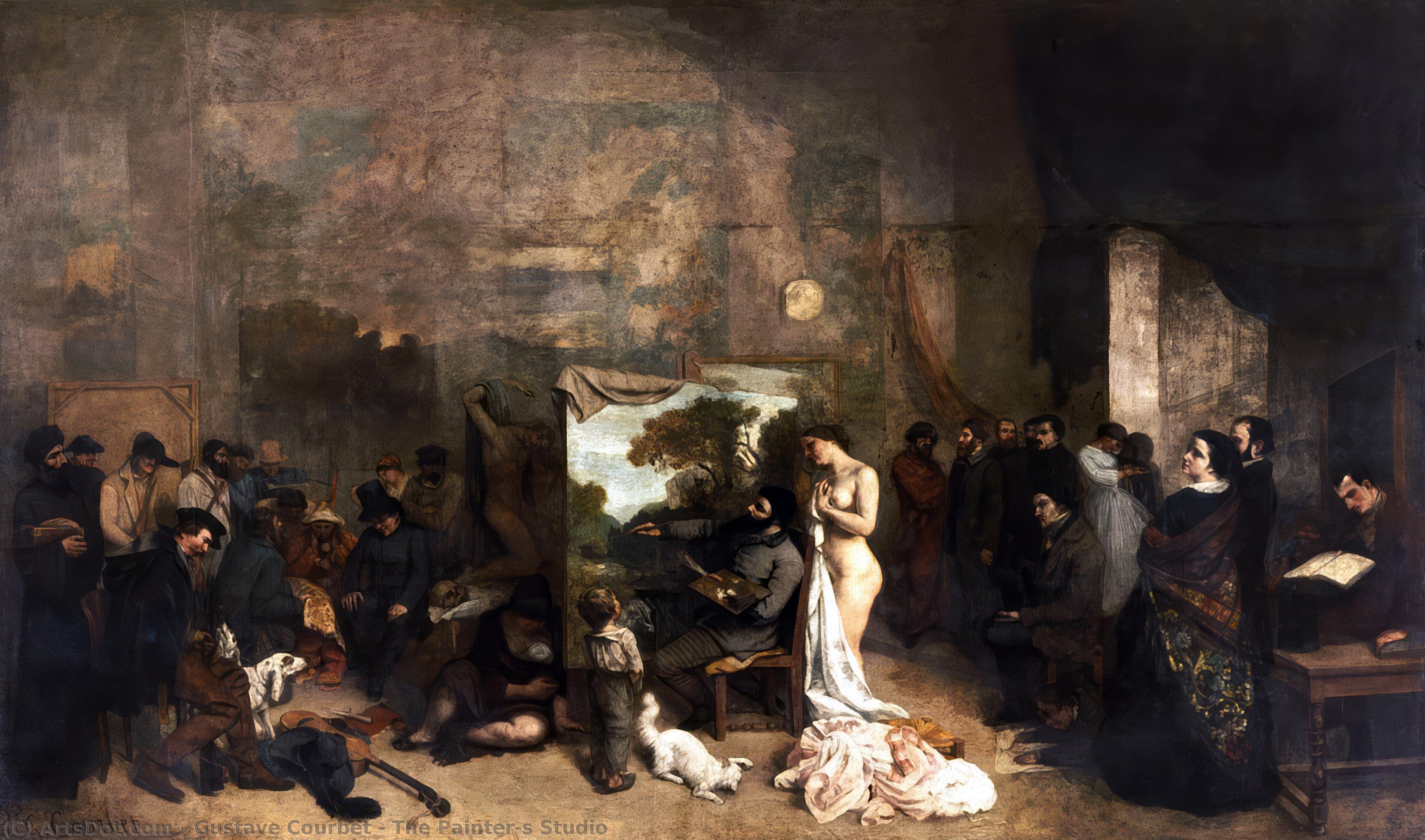
The Painter's Studio
 Oil On Canvas
- WallArt
- Contemporary Realism
 1855
1855 361.0 x 598.0 cm
 오르세 미술관




P118B $10

P118H $10

P118W $10

P438Z $10

P508JH $12

P508YH $12

P805H $10

P805Z $10

P919BZ $10

P919G $10

P919XJ $10

P959ZH $10

P968JZ $12

W106C $8

W218G $10

W218JH $8

W218Y $10

W307PJ $10

W316G $10

W316PJ $8

W316Y $10

W398PJ $8

W4111J $10

W500HY $15

W500JH $15

W692G $12

W849H $8

W940BG $15

W953PJ $8




 더 알아보기
작품의 원본 비율을 유지하는 미리 설정된 크기 중에서 선택하세요.

특정 프레임이나 공간에 맞도록 직접 크기를 입력할 수 있습니다. 선택하신 크기가 원본 이미지의 비율과 일치하지 않는 경우, 작품을 자르거나 추가적인 손으로 그린 요소를 사용하여 그림을 확장합니다. 제작 시작 전 승인을 위해 디지털 목업을 보내드립니다.
화면 미리 보기는 실제 자르기 또는 확장을 반영하지 않습니다. 최종 구성은 목업을 통해서만 정확하게 확인하실 수 있습니다.
맞춤 크기 제작도 가능하지만, 원본 비율을 유지하기 위해 사전 정의된 목록에서 크기를 선택하시는 것을 권장합니다.
주문 후 ArtsDot.com 팀에서 상세 안내를 위해 고객님께 이메일을 보내드리며, 미리보기 시안을 제공해 드립니다.


 유리 옵션은 110cm 미만 크기에서만 선택 가능합니다.

The Painter's Studio
재현 기법
복제본 크기
-


최종 결제 금액
-
작품 상세 설명
A Bold Declaration of Realism: Gustave Courbet’s “The Painter’s Studio”
Dr. Steven Zucker begins his exploration of Gustave Courbet's monumental canvas, "The Painter’s Studio," at the Musée d’Orsay in Paris, highlighting its significance as a pivotal moment in artistic history and rejecting from the official exposition. This expansive oil painting—measuring 361 x 598 cm—immediately commands attention with its sheer scale and uncompromising depiction of everyday life, marking a decisive break from the idealized landscapes and mythological narratives favored by earlier generations of artists.- Subject Matter: The scene portrays a bustling studio inhabited by Courbet himself and several prominent figures representing diverse social strata – intellectuals, artists, and patrons. These individuals engage in conversation and activity, creating an atmosphere of intellectual ferment and artistic ambition.
- Style & Technique: Courbet’s masterful brushwork characterizes the painting's style, employing a technique known as Impasto—thickly applied paint—to imbue the canvas with palpable texture and depth. This deliberate disregard for academic conventions underscores his commitment to portraying reality without embellishment or romantic sentimentality.
- Historical Context: Created in 1855 during the Second Industrial Revolution, “The Painter’s Studio” reflects the broader societal shifts of its time. The painting's rejection from the Paris World Fair served as a catalyst for Courbet to organize his own exhibition, "The Pavilion of Realism," demonstrating defiance against artistic hierarchies and asserting the primacy of observation.
Allegorical Layers: Decoding Symbolism
Beyond its immediate visual impact, “The Painter’s Studio” is laden with symbolic representations that delve into themes of artistic struggle, social hierarchy, and the role of inspiration. At the center stands Courbet himself, absorbed in his work while facing away from a nude model—a deliberate gesture signifying his rejection of Academic art's preoccupation with idealized beauty. This compositional choice powerfully communicates Courbet’s belief that true artistry stems from confronting uncomfortable truths and embracing the complexities of human experience.- The Model: The nude figure embodies Academic ideals – purity, grace, and perfection—representing precisely what Courbet sought to dismantle through his unflinching realism.
- The Figures Around the Table: The intellectuals and artists gathered around the table represent the influential figures who championed Courbet’s vision. Their presence underscores the importance of intellectual discourse and artistic collaboration in shaping cultural values.
A Legacy of Influence
Courbet's audacious act of self-promotion solidified his position as a champion of Realism, profoundly impacting subsequent art movements. Artists like Impressionists and Cubists drew inspiration from Courbet’s pioneering approach to depicting the world around them—abandoning illusion for direct observation and prioritizing expressive brushwork over meticulous detail. “The Painter’s Studio” remains an enduring testament to Courbet's artistic conviction and continues to inspire artists and collectors alike, reminding us that art can serve as a powerful vehicle for social commentary and intellectual exploration.Emotional Resonance
Ultimately, "The Painter’s Studio" transcends mere visual representation; it evokes a palpable sense of atmosphere—one brimming with ambition, contemplation, and perhaps even defiance. Courbet's masterful use of color and texture invites viewers to immerse themselves in the scene, fostering an emotional connection to the artist’s unwavering commitment to portraying reality without compromise. It stands as a timeless masterpiece, capturing not only the visual splendor of 19th-century Paris but also the enduring spirit of artistic rebellion.유사한 작품들


작가 약력
생애와 예술 세계: 구스타브 쿠르베
1819년 프랑스 오르낭에서 태어난 장 데지레 구스타브 쿠르베는 19세기 미술계에 혁명적인 변화를 가져온 인물입니다. 부유한 농부의 아들로 태어나 풍요로운 환경 속에서 예술적 재능을 키워나갔지만, 그는 전통적인 회화 양식과 사회적 관습에 끊임없이 도전하며 자신만의 독특한 예술 세계를 구축했습니다. 쿠르베는 미술 교육을 받으며 기존의 화가들에게 영향을 받았지만, 낭만주의와 역사화 중심의 미술계에서 벗어나 현실 그 자체를 충실히 반영하는 ‘사실주의’라는 새로운 예술 사조를 개척했습니다. 그의 작품들은 당시 사회의 모습을 가감 없이 드러내며 큰 논쟁을 불러일으켰고, 이는 현대 미술의 흐름에 지대한 영향을 미쳤습니다.사실주의 선언: 기존 관습과의 단절
쿠르베는 이상화된 표현이나 신화적 주제 대신 평범한 사람들의 일상과 노동 현장을 화폭에 담았습니다. 그의 초기 작품들은 풍경화와 초상화를 통해 자신의 예술적 재능을 드러냈지만, 점차 노동 계급의 삶을 사실적으로 묘사하는 데 집중했습니다. 특히 <돌 깨는 사람들>(1849)은 당시 미술계에 큰 충격을 안겨주었습니다. 이 작품은 역사화나 종교화에 사용되던 거대한 캔버스 위에 두 명의 돌깨는 노동자를 묘사했는데, 그들의 얼굴은 고된 노동으로 인해 지쳐 보였고, 배경 또한 화려하게 꾸며지지 않은 현실적이었습니다. 이는 당시 미술계가 추구하던 이상적인 아름다움과는 극명히 대조되는 것이었으며, 쿠르베의 사실주의적 예술관을 명확하게 보여주는 작품이었습니다. <오르낭 묘지>(1849-50) 역시 마찬가지로 평범한 사람들의 장례식을 사실적으로 묘사하여 당시 미술계의 비판을 받았지만, 동시에 새로운 예술 사조의 가능성을 제시했습니다.주요 작품과 예술 철학
쿠르베는 단순히 현실을 모방하는 데 그치지 않고, 자신의 예술 철학을 작품에 담아내고자 했습니다. <화가의 작업실>(1855)은 그의 예술관을 가장 잘 보여주는 대표작 중 하나입니다. 이 작품은 쿠르베 자신을 중심으로 당시 사회의 다양한 인물들을 배치하여 자신의 예술 세계를 표현했습니다. 왼쪽에는 노동자, 농부 등 평범한 사람들이 묘사되어 있으며, 오른쪽에는 친구들과 후원자들이 등장합니다. 이러한 구도는 쿠르베가 중요하게 생각했던 가치를 보여줍니다. 그는 평범한 사람들의 삶과 현실을 예술의 중요한 주제로 삼았으며, 이를 통해 사회적 불평등에 대한 비판 의식을 드러냈습니다. 또한 <퐁텐블로 숲의 풍경>(1855)은 자연을 이상화하지 않고 있는 그대로 묘사하여 사실주의 화가로서의 면모를 보여줍니다. 그는 붓터치를 통해 나무의 질감과 빛의 변화를 섬세하게 표현하며, 자연의 아름다움을 진솔하게 담아냈습니다.미술사에 미친 영향과 역사적 의의
구스타브 쿠르베는 사실주의 미술을 창시하여 19세기 미술계에 큰 영향을 미쳤습니다. 그의 작품은 인상주의와 후기인상주의 화가들에게 새로운 영감을 제공했으며, 그들의 예술 세계를 형성하는 데 중요한 역할을 했습니다. 또한 쿠르베는 사회 비판적인 메시지를 담은 작품들을 통해 현대 미술의 방향을 제시했습니다. 그는 자신의 예술 활동을 통해 사회적 약자와 소외된 사람들의 목소리를 대변하고, 불평등한 현실에 대한 문제 의식을 고취했습니다. 1871년 파리 코뮌 사건에 참여하여 정치적인 탄압을 받기도 했지만, 그의 예술 정신은 꺾이지 않았습니다. 스위스 망명 생활 동안에도 그는 끊임없이 그림을 그렸으며, 자신의 예술 세계를 확장해 나갔습니다. 쿠르베의 삶과 작품은 오늘날까지도 많은 사람들에게 영감을 주고 있으며, 미술사에서 중요한 위치를 차지하고 있습니다.- 사실주의 미술 창시
- 인상주의 및 후기인상주의 화가에게 영향
- 사회 비판적인 메시지 전달

구스타브 쿠르베
1819 - 1877 , 프랑스
주요 정보
- 국적: 프랑스인
- 대표 작품:
- 돌 깨는 사람들
- 오르낭의 장례식
- 화가의 작업실
- 사망일: 1877년 12월 31일
- 영향을 받은 예술 사조:
- 인상주의
- 후기 인상주의
- 영향을 준 예술가:
- 레오나르도 다 빈치
- 루벤스
- 카라바조
- 예술 사조: 사실주의
- 전체 이름: 장 데지레 구스타브 쿠르베
- 출생일: 1819년 6월 10일
- 출생지: 오르낭, 프랑스
관련 기사 더 보기
Henri Martin: A Synthesis of Impressionism & Symbolism in the French Landscape Tradition
Explore the captivating world of Henri Martin, a French Post-Impressionist bridging Impressionism & Symbolism. Discover his unique style, influential landscapes, and lasting legacy with ArtsDot.


Amédée Masclef: Navigating Symbolism & Sentiment in Late 19th-Century French Landscape Painting
Explore the evocative landscapes of Amédée Masclef, a key figure bridging Barbizon realism & Symbolist sentiment. Discover his exquisite botanical watercolors and artistic legacy with ArtsDot.

The Barbizon School: Pioneering Realism & the Pastoral Vision in 19th-Century French Painting
Explore the Barbizon School's pivotal role in 19th-century French painting. Discover how these artists revolutionized landscape art with their commitment to Realism and a profound connection to nature. Learn about key figures like Rousseau, Millet & Corot.

Capturing Fleeting Light: A Comprehensive Exploration of Impressionistic Landscape Painting
Explore the captivating world of Impressionistic landscape painting! Discover techniques, key artists like Monet & Renoir, and its lasting influence on art history. A comprehensive guide for enthusiasts.

Henri Le Sidaner: Evoking Atmosphere & Intimacy in Post-Impressionist Landscapes
Discover the evocative world of Henri Le Sidaner, a master of Intimist painting. Explore his tranquil landscapes & atmospheric interiors – a celebration of light and intimacy. Learn about his life, style, and lasting legacy.



