


 실제 크기로 보기
 보내기
보내기 공유하기
공유하기
 상세 보기
상세 보기 가이드 보기

 이미지 다운로드
 유사 작품 더 보기
 X-레이
X-레이 슬라이드 쇼 보기
 통계 정보
통계 정보Adele Bloch-Bauer


 상세 보기
상세 보기
핸드메이드 유화 복제화
작가가 직접 캔버스에 손으로 그린 유화 작품으로, 원하는 크기와 액자로 맞춤 제작해 드립니다. ( 프린트 판매로 전환 디지털 이미지 판매 채널로 전환)




P118B ₩10

P118H ₩10

P118W ₩10

P438Z ₩10

P508JH ₩12

P508YH ₩12

P805H ₩10

P805Z ₩10

P919BZ ₩10

P919G ₩10

P919XJ ₩10

P959ZH ₩10

P968JZ ₩12

W106C ₩8

W218G ₩10

W218JH ₩8

W218Y ₩10

W307PJ ₩10

W316G ₩10

W316PJ ₩8

W316Y ₩10

W398PJ ₩8

W4111J ₩10

W500HY ₩15

W500JH ₩15

W692G ₩12

W849H ₩8

W940BG ₩15

W953PJ ₩8




작품의 원본 비율을 그대로 유지하는 프리셋 사이즈 중에서 선택해 보세요.

특정 프레임이나 공간에 맞춰 원하는 크기를 직접 입력하실 수 있습니다. 선택하신 크기가 원본 이미지의 비율과 일치하지 않을 경우, 작품을 자르거나 추가적인 수작업 요소를 더해 그림을 확장하여 제작합니다. 제작 시작 전, 최종 확인을 위해 디지털 목업을 보내드립니다.
화면상의 미리 보기는 실제 크롭(자르기)이나 확장된 상태를 완벽히 반영하지 않을 수 있습니다. 최종 구도는 오직 목업을 통해서만 정확하게 확인하실 수 있습니다.
맞춤 크기 제작도 가능하지만, 원본의 비율을 그대로 유지하기 위해서는 미리 정의된 목록에서 크기를 선택하시는 것을 권장합니다.
주문 완료 후 ArtsDot.com 팀에서 상세 안내를 위해 고객님께 이메일을 보내드리며, 미리보기 시안을 함께 제공해 드립니다.


 유리 옵션은 110cm 미만 크기에서만 선택 가능합니다.

Adele Bloch-Bauer
재현 매체
복제본 규격
-


총 결제 금액
₩ 352716
The Enigmatic Gaze of Adele Bloch-Bauer
Gustav Klimt’s “Portrait of Adele Bloch-Bauer I,” a seminal work from the early 20th century, transcends mere portraiture to become an embodiment of Viennese Secession and a profound exploration of female identity. Completed between 1903 and 1907, this arresting image captures not just a likeness but a carefully constructed persona—a woman poised on the cusp of modernity, radiating both quiet strength and subtle vulnerability. The painting’s monochrome palette, dominated by shades of gray, immediately establishes an atmosphere of contemplative seriousness, inviting viewers to linger in its stark beauty. It's a deliberate departure from the vibrant hues that would later characterize Klimt’s “Golden Phase,” offering instead a glimpse into the artist’s early experimentation with form and texture.
The genesis of this portrait lies within the opulent world of Vienna’s burgeoning Jewish bourgeoisie, a class rapidly accumulating wealth through industrial enterprises. Adele Bloch-Bauer, the subject, was the wife of Ferdinand Bloch-Bauer, a prominent sugar magnate who became a significant patron of the arts. Klimt, deeply influenced by the artistic currents swirling around him—including Japanese prints and the emerging Art Nouveau movement—was commissioned to immortalize her within this context. The painting isn’t simply a depiction of a wealthy woman; it's an astute observation of her social standing, her role as hostess, and perhaps even a subtle commentary on the constraints placed upon women in that era.
A Dance of Lines and Light
Klimt’s technique is immediately striking. He eschews meticulous detail in favor of expressive lines—loose, dynamic strokes that define the figure's form with remarkable sensitivity. Hatching and cross-hatching are employed not to create a realistic illusion of light and shadow but rather to suggest volume and texture through variations in tone. The artist’s hand is visible in every mark, lending the work an intimate quality, as if we are witnessing the very act of creation. The composition itself is remarkably simple: Adele stands centrally within the frame, her arms gracefully crossed—a pose that conveys both composure and a hint of reserve. This deliberate restraint mirrors the overall mood of the painting, fostering a sense of quiet introspection.
Notably, Klimt utilizes a technique reminiscent of a preparatory sketch, a characteristic that adds to the work’s immediacy and emotional resonance. The lack of polished finish suggests an ongoing process, as if Adele were merely paused in a moment of contemplation. This deliberate choice invites viewers to connect with the subject on a deeper level, recognizing her as a living, breathing individual rather than a static representation.
Symbolism Woven into Form
Beyond its formal qualities, “Portrait of Adele Bloch-Bauer I” is rich in symbolic meaning. The most prominent element—the gold leaf adorning Adele’s dress and the background—references Klimt's later "Golden Phase," but here it serves a more nuanced purpose. Gold, historically associated with divinity and wealth, subtly elevates Adele’s status while simultaneously hinting at the ephemeral nature of beauty and material possessions. The geometric patterns that frame her figure are reminiscent of Byzantine mosaics, further emphasizing her position as a woman of refined taste and cultural awareness.
The crossed arms, a recurring motif in Klimt's work, can be interpreted as a symbol of strength, self-possession, or perhaps even a subtle resistance to societal expectations. Adele’s gaze is direct yet enigmatic—it invites the viewer into her world while simultaneously maintaining an air of mystery. The overall effect is one of captivating complexity, inviting repeated contemplation and interpretation.
A Legacy of Beauty and Loss
“Portrait of Adele Bloch-Bauer I” holds a particularly poignant significance in art history due to its subsequent fate. Following the Nazi annexation of Austria, the painting—along with other works by Klimt and her husband—was stolen and ultimately ended up in the Belvedere Museum in Vienna. The story of this artwork is inextricably linked to the broader narrative of cultural restitution and the enduring impact of the Holocaust. The eventual return of the portrait to the Bloch-Bauer family, culminating in its acquisition by Maria Altmann, Adele’s niece, represents a powerful symbol of justice and remembrance. Today, it stands as a testament to Klimt's artistic genius and a poignant reminder of the complexities of art, history, and human experience.
ArtsDot offers meticulously crafted hand-painted reproductions of this iconic masterpiece, allowing you to bring its timeless beauty into your own space. Each reproduction is created with the same attention to detail and reverence for the original, capturing the essence of Klimt’s vision while providing a stunning addition to any collection.
질의응답
클림트의 "Adele Bloch-Bauer"의 프린트 제품은 어디에서 구매할 수 있나요?
"Adele Bloch-Bauer" 작품은 코튼 캔버스 또는 아카이브용 캔버스지에 인쇄된 파인 아트 프린트로 만나보실 수 있습니다. 주문은 현재 페이지에서 원하시는 사이즈를 선택하여 진행하실 수 있습니다.
주문하기 전에 클림트의 "Adele Bloch-Bauer"를 미리 볼 수 있나요?
"Adele Bloch-Bauer"의 미리보기 페이지에서는 주문 전 작품을 미리 확인할 수 있습니다.
클림트의 "Adele Bloch-Bauer"의 색감은 선명한가요, 아니면 차분한가요?
클림트의 "Adele Bloch-Bauer"의 색채는 Muted의 채도와 Monochromatic의 강도를 보여줍니다.
클림트의 "Adele Bloch-Bauer"의 수작업 복제화를 어디에서 구매할 수 있나요?
클림트의 "Adele Bloch-Bauer"의 수작업 복제화는 현재 페이지에서 주문 제작 방식으로 직접 주문하실 수 있습니다: 리넨 캔버스 위에 손으로 직접 그린 유화 복제화
클림트의 "Adele Bloch-Bauer"의 디지털 이미지는 어디에서 구매할 수 있나요?
클림트의 "Adele Bloch-Bauer"의 디지털 이미지는 현재 페이지인 고해상도 디지털 이미지 다운로드에서 구매하실 수 있습니다.
"Adele Bloch-Bauer"은(는) 어느 작가의 작품인가요?
"Adele Bloch-Bauer"의 작가는 클림트입니다.
"Adele Bloch-Bauer"은(는) 클림트의 예술 활동기 중 어느 시기에 해당하나요?
"Adele Bloch-Bauer"은(는) 클림트의 예술적 생애 중 Golden Phase 시기에 해당합니다. 이 분류는 해당 작품을 작가의 예술적 발전 과정과 연결해 줍니다.
관련 작품들


작가 소개
초창기와 예술적 시작
구스타프 클림트는 1862년 7월 14일 빈 근처 바움가르텐에서 태어났으며, 예술적 재능과 경제적 어려움을 동시에 가진 집안에서 성장했습니다. 그의 아버지 에른스트 클림트는 금 세공인이었는데, 이 직업은 젊은 구스타프의 미적 감수성에 미묘하면서도 깊이 있는 영향을 미쳤습니다. 금박의 매혹, 정교한 디테일, 그리고 웅장함은 클림트 예술 세계의 중요한 요소가 되었습니다. 가문의 어려움으로 인해 빈에서 여러 차례 이사를 다녔는데, 이러한 방랑 생활은 아마도 주변 환경에 대한 날카로운 관찰력과 인간 경험에 대한 섬세함을 키웠을 것입니다. 어린 시절부터 그의 그림 실력은 놀라울 정도로 뛰어나 아버지의 직업과 타고난 재능 덕분에 빠르게 드러났습니다. 1876년, 그는 빈 응용 미술학교(Kunstgewerbeschule)에 입학하여 페르디난트 라우프베르거에게 건축 회화 수업을 받으며 정식으로 예술 교육을 시작했습니다. 이는 그에게 견고한 기술적 기반을 제공했지만, 동시에 당시 유행하던 학파 스타일에도 노출시켰습니다. 이곳에서 그는 형 에른스트와 프란츠 폰 마츠치와 중요한 예술적 파트너십을 형성하여 초기 장식 벽화 및 천장 의뢰를 확보하며 미래의 성공을 위한 기반을 다졌습니다.빈 분리주의 운동의 부상
1890년대에 클림트는 빈의 보수적인 미술계에 점점 환멸을 느끼기 시작했습니다. 그는 더 큰 창작의 자유, 전통의 제약 없이 혁신이 번성할 수 있는 공간을 갈망했습니다. 이러한 열망은 1897년 오스트리아 미술사에서 중요한 순간인 빈 분리주의 운동 결성에 이르렀습니다. 클림트는 이 운동의 첫 번째 회장으로 선출되어 새로운 예술적 흐름, 즉 아르누보, 상징주의, 일본주의를 포용하려는 움직임의 대표가 되었습니다. 요제프 마리아 올브리히가 설계한 분리주의 전시관 건물은 이러한 반항을 상징하며, 현대 미술에 헌정된 신전이 되었습니다. 클림트의 작품은 분리주의 운동의 핵심이었으며, 기존 미학을 거부하고 장식적인 요소, 대담한 색상, 상징적 이미지를 포용하는 것을 구현했습니다. 그의 그림들은 사랑, 죽음, 성적인 주제를 전례 없이 솔직하게 탐구하며 사회 규범에 도전하고 찬사와 분노를 동시에 불러일으켰습니다.황금기 및 예술적 성숙
1900년경 클림트는 '황금기'로 알려진 시기를 맞이했는데, 이는 비잔틴 모자이크와 중세 필사본에서 영감을 얻은 금박의 호화로운 사용으로 특징지어집니다. 이 기술은 그의 그림을 빛나는 듯한 초현실적인 환상으로 변화시켜 영적 깊이와 감각적인 매력을 불어넣었습니다. 그의 가장 유명한 작품 중 하나인 *키스* (1907-1908)는 이 스타일을 완벽하게 보여주는데, 두 사람이 포옹하고 있으며 황금빛 후광에 싸여 있고 복잡한 패턴으로 장식된 몸체를 가지고 있습니다. 이 시기에는 또한 *아델레 블로흐 바우어 1세* (1907)를 포함하여 유명한 비엔나의 후원자들의 초상화를 연이어 제작하며 신체적 유사성뿐만 아니라 피사체의 심리적 복잡성을 포착하는 능력을 보여주었습니다. 그는 그림과 장식 사이의 경계를 점차 흐려 통합된 구성 요소를 통해 형태와 내용의 조화로운 융합을 만들어냈습니다. 일본 미술, 특히 일본주의의 영향은 그의 평면적인 관점, 선에 대한 강조, 장식적인 패턴 사용에서 분명하게 드러났습니다.논란, 영향 및 지속적인 유산
클림트의 경력은 논란이 없는 것은 아니었습니다. 1900년 그는 빈 대학교 대강당 천장 벽화를 그리는 권위 있는 의뢰를 받았는데, 철학, 법률, 신학을 나타냅니다. 그러나 이러한 작품, 특히 *철학*은 보수적인 비평가들로부터 외설적이라는 비난을 받아 공공의 반발을 불러일으켰고 결국 클림트가 더 이상 정부 의뢰를 거부하도록 만들었습니다. 이 사건은 그의 경력에 전환점을 가져왔으며 그를 더욱 사적인 후원자에게로 몰아넣어 더 큰 예술적 자유를 누리게 했습니다. 평생 동안 클림트는 한스 마카르의 역사화부터 비잔틴과 일본의 장식 미술까지 다양한 예술가와 스타일로부터 영향을 받았습니다. 그는 또한 상징주의 운동으로부터 영감을 얻어 신화, 우화 및 무의식의 주제를 탐구했습니다. 구스타프 클림트는 1918년 2월 6일 스페인 독감 팬데믹으로 인한 뇌졸중으로 사망할 때까지 다작 활동을 이어갔습니다. 그의 후기 작품은 더욱 추상적인 형태와 풍경을 탐구하며 지속적인 예술적 진화를 보여주었습니다. 그는 이제 오스트리아 미술사에서 가장 중요한 인물 중 한 명이자 빈 분리주의 운동의 선두 주자이며 아르누보 우아함의 지속적인 상징으로 인정받고 있습니다. 그의 그림들은 경매에서 높은 가격을 기록하며 그의 영향력은 오늘날 현대 미술과 디자인에 계속해서 울려 퍼지고 있습니다.주요 특징 및 예술적 스타일
- 상징주의: 클림트의 작품은 사랑, 죽음, 성욕, 인간 조건 등 다양한 주제를 탐구하는 깊은 상징성을 지니고 있습니다.
- 아르누보: 그는 유기적인 선, 장식적인 패턴 및 아름다움에 대한 강조로 특징지어지는 아르누보 운동의 주요 인물이었습니다.
- 황금기: 금박을 사용한 그의 방식은 빛나는 듯한 화려한 표면을 만들어 그의 대표적인 스타일이 되었습니다.
- 장식적 요소: 클림트는 그림과 장식을 융합하여 형태와 내용의 조화로운 융합을 만들었습니다.
- 여성형: 여성의 몸은 그의 작품에서 중심 주제였으며, 종종 관능과 심리적 깊이로 묘사되었습니다.

클림트
1862 - 1918 , 오스트리아
작가 정보 요약
- 국적: 오스트리아
- 대표 작품:
- 키스
- 아델레 블로흐-바우어 1세
- 수생
- 철학
- 사망일: 1918년 2월 6일
- 영향을 받은 예술가:
- 에곤 실레
- 표현주의
- 초현실주의
- 영향을 준 예술가:
- 한스 마카트
- 일본 미술
- 예술 사조: 상징주의, 아르누보
- 전체 이름: 구스타프 클림트
- 출생일: 1862년 7월 14일
- 출생지: 오스트리아, Baumgarten
관련 기사

아르누보를 빛낸 10대 걸작: 예술과 인테리어의 조화로운 혁신
아르누보 미술의 정수를 담은 10대 걸작을 만나보세요! 무하, 클림트 등 거장의 작품부터 유기적 곡선과 자연주의 색감이 돋보이는 예술 세계를 탐험하고, ArtsDot.com에서 고품질 아트 프린트를 찾아 당신의 공간에 예술적인 영감을 더하세요.

The Allure of Gold in Art History: Symbolism, Technique & Cultural Significance
Explore the rich history of gold in art! Discover symbolism, techniques & cultural significance from ancient civilizations to Klimt's masterpieces. Expert insights for collectors at ArtsDot.
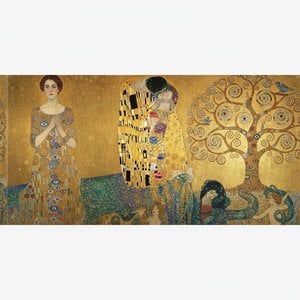
구스타프 클림트 명작 25선: 황금빛 예술의 정수, 당신의 공간에 영감을 불어넣다
구스타프 클림트의 황홀한 명작 25선을 만나보세요. '키스'부터 '주디트'까지, 빈 분리주의를 대표하는 예술가의 삶과 작품 세계를 탐험합니다. 오스트리아 화가 클림트의 걸작으로 공간에 특별한 감성을 더하세요. ArtsDot.com에서 고품질 유화 복제를 만나보세요.

Gustav Klimt: A Golden Legacy of Sensuality & Symbolism in Viennese Art
Explore the captivating world of Gustav Klimt with ArtsDot. Discover his iconic paintings, the Vienna Secession movement, & enduring legacy. High-quality reproductions available.

The Vienna Secession: A Rebellion of Form & Spirit in Fin-de-Siècle Art
Discover the revolutionary Vienna Secession art movement! Explore Klimt, Olbrich & more. Learn about its history, characteristics & lasting influence on modern art. High-quality reproductions available.


