

 프린트 구매하기
 공유하기
공유하기 공유하기
공유하기
 상세 정보
상세 정보

 다운로드
다운로드
 유사 작품
유사 작품 X-레이
X-레이 슬라이드 쇼
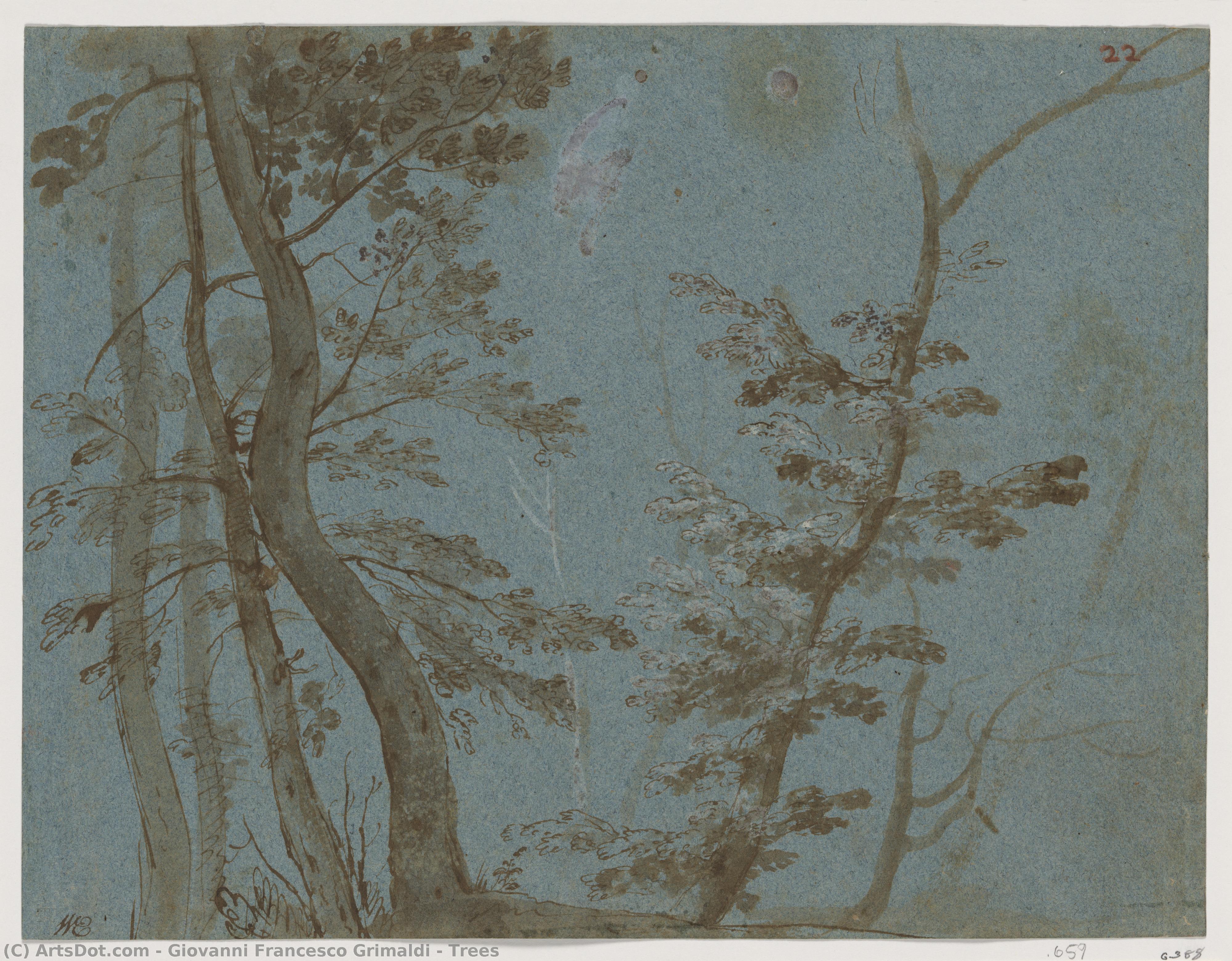
Trees


 더 보기
더 보기




P118B $10

P118H $10

P118W $10

P438Z $10

P508JH $12

P508YH $12

P805H $10

P805Z $10

P919BZ $10

P919G $10

P919XJ $10

P959ZH $10

P968JZ $12

W106C $8

W218G $10

W218JH $8

W218Y $10

W307PJ $10

W316G $10

W316PJ $8

W316Y $10

W398PJ $8

W4111J $10

W500HY $15

W500JH $15

W692G $12

W849H $8

W940BG $15

W953PJ $8




작품의 원본 비율을 유지하는 미리 설정된 크기 중에서 선택하세요.

특정 프레임이나 공간에 맞도록 직접 크기를 입력할 수 있습니다. 선택하신 크기가 원본 이미지의 비율과 일치하지 않는 경우, 작품을 자르거나 추가적인 손으로 그린 요소를 사용하여 그림을 확장합니다. 제작 시작 전 승인을 위해 디지털 목업을 보내드립니다.
화면 미리 보기는 실제 자르기 또는 확장을 반영하지 않습니다. 최종 구성은 목업을 통해서만 정확하게 확인하실 수 있습니다.
맞춤 크기 제작도 가능하지만, 원본 비율을 유지하기 위해 사전 정의된 목록에서 크기를 선택하시는 것을 권장합니다.
주문 후 ArtsDot.com 팀에서 상세 안내를 위해 고객님께 이메일을 보내드리며, 미리보기 시안을 제공해 드립니다.


 유리 옵션은 110cm 미만 크기에서만 선택 가능합니다.

Trees
재현 기법
복제본 크기
-


최종 결제 금액
-
유사한 작품들


작가 약력
A Bolognese Brush in the Roman Baroque: The Life and Art of Giovanni Francesco Grimaldi
Giovanni Francesco Grimaldi, born in Bologna in 1606, emerged as a significant voice within the vibrant artistic landscape of the Italian Baroque. His career, spanning nearly seven decades until his death in Rome in 1680, was one marked by both stylistic evolution and consistent dedication to capturing the beauty of the natural world, particularly through idealized landscapes. Grimaldi’s formative years were deeply influenced by the prestigious Carracci family—Annibale, Agostino, and Ludovico—whose emphasis on classical principles blended with a keen observation of nature laid the foundation for his artistic approach. This early training instilled in him a reverence for anatomical accuracy and compositional harmony, qualities that would define his work throughout his life. Later, he benefited from the patronage and tutelage of Cardinal Francesco Albani, broadening his horizons and solidifying his skills before venturing to Rome, the epicenter of artistic innovation during this period.From Roman Commissions to French Courts
Rome proved a fertile ground for Grimaldi’s talents. He quickly established himself as a skilled artist, securing appointments as an architect under Pope Paul V and enjoying continued favor with subsequent pontiffs. This patronage translated into substantial commissions for fresco projects adorning both religious institutions and palatial residences. However, it was his ability to depict classical landscapes that truly distinguished him and garnered the attention of Rome’s elite families. These weren't merely topographical representations; they were carefully constructed visions of idyllic beauty, populated with ruins evocative of antiquity and imbued with a sense of tranquil harmony. Around 1648, Grimaldi received an invitation that would further expand his artistic reach—a summons from Cardinal Mazarin to travel to France. For approximately two years, he contributed his talents to architectural projects for Mazarin and King Louis XIV, including fresco paintings within the Louvre Palace itself. This sojourn exposed him to French aesthetic preferences and broadened his international reputation, demonstrating a versatility that extended beyond the Italian peninsula.A Style Defined by Light and Color
Grimaldi’s artistic style is immediately recognizable for its distinctive characteristics. While rooted in the classical tradition of the Carracci, he developed a personal approach marked by a vibrant—some critics might say excessive—use of color, particularly shades of green that lend his landscapes an almost ethereal quality. His touch was light and fluid, allowing him to render foliage and architectural details with meticulous precision. He excelled across several genres – history painting, portraiture, and landscape – but it was in the realm of landscape where he truly shone. These weren’t simply depictions of nature; they were idealized visions, carefully composed arrangements featuring classical ruins, pastoral scenes, and a palpable sense of atmospheric perspective. His landscapes often served as backdrops for narrative scenes or allegorical figures, seamlessly integrating human activity into the natural world. He was also a prolific draughtsman and printmaker, creating numerous studies and etchings that further disseminated his artistic vision.Legacy and Lasting Influence
Throughout his career, Grimaldi completed an impressive array of significant commissions. His works can be found in prestigious locations such as the Palazzo del Quirinale, the Vatican, and the church of San Martino ai Monti, with a notable series of landscapes housed within the Palazzo Colonna. He was not only respected for his artistic skill but also for his upright character, qualities that led to his appointment as *Principe* (Director) of the Accademia di San Luca—a testament to his standing within the Roman art world. This prestigious position, which he held until his death in 1680, underscored his commitment to fostering artistic knowledge and practice. His son, Alessandro, continued the family’s artistic tradition, assisting him in both painting and engraving. While perhaps not as widely celebrated as some of his contemporaries, Giovanni Francesco Grimaldi left an indelible mark on Baroque landscape painting, influencing subsequent generations with his refined technique, classical sensibilities, and enduring vision of idealized beauty. His work remains a captivating testament to the power of art to transport us to worlds of tranquility and harmony.
Giovanni Francesco Grimaldi
1606 - 1680 , Italy
주요 정보
- Artistic Movement Or Style: Baroque
- Artists Or Movements Influenced By This Artist: ['Later landscape painters']
- Artists Who Influenced This Artist:
- Carracci family
- Francesco Albani
- Date Of Birth: 1606
- Date Of Death: 1680
- Full Name: Giovanni Francesco Grimaldi
- Nationality: Italian
- Notable Artworks:
- River Landscape with Fishermen
- Paysages Avec Fortifications
- Place Of Birth: Bologna, Italy
관련 기사 더 보기

Masterpieces of the 17th Century: Art, History & Decor Inspiration | ArtsDot
Journey through 17th century art with masterpieces by Rembrandt, Vermeer & Caravaggio. Explore Baroque paintings, Dutch Golden Age techniques & timeless beauty. Find museum-quality reproductions and elevate your home decor on ArtsDot.com.
Baroque Realism: Illusion, Emotion & the Dramatic Transformation of 17th-Century Art
Explore the dramatic world of Baroque Realism! Discover iconic artists like Caravaggio & Rubens, their techniques, and the movement's lasting impact on art history. Expert insights for collectors & enthusiasts.

The Dramatic Flourish: Exploring Themes of Power, Faith & Emotion in Baroque Artworks
Explore the dramatic world of Baroque art! Discover masters like Zurbarán & the powerful influence of religious zeal on painting techniques. Expert insights for collectors and enthusiasts.

Arboreal Echoes: A Historical & Artistic Exploration of Trees in Painting
Explore the rich history of trees in painting! Discover symbolism, Romantic masterpieces by Caspar David Friedrich & beyond. A curated journey for art enthusiasts.

Arboreal Echoes: A Historical & Artistic Exploration of Trees in Painting
Explore the rich history of trees in painting! Discover symbolism, Romantic masterpieces by Caspar David Friedrich & beyond. A curated journey for art enthusiasts.

