


The picture follows your choices: , .
컬렉션 상세 정보
Explore Giorgio Vasari’s "Winter" fresco – a Baroque masterpiece featuring a reclining figure in opulent detail. Discover dynamic composition & rich symbolism of strength & transformation.
 상세 보기
상세 보기
작가 소개
조르조 바사리(1511-1574): 이탈리아 르네상스 화가, 건축가, 미술사가. '예술가의 삶' 저자로 미술사 초석을 다지고 우피치 미술관 설계를 담당했습니다.
핸드메이드 유화 복제화
작가가 직접 캔버스에 손으로 그린 유화 작품으로, 원하는 크기와 액자로 맞춤 제작해 드립니다. ( 프린트 판매로 전환 디지털 이미지 판매 채널로 전환)
More about this painting
 보내기
보내기 공유하기
공유하기
 상세 보기
상세 보기 가이드 보기

 이미지 다운로드
 유사 작품 더 보기
 슬라이드 쇼 보기
 Q&A
Q&A 통계 정보
통계 정보Order your painting in four simple steps
Take your time. You can change any answer; the price in your order card follows each choice.
1 Step one of four
Which size would you like?
These sizes keep the proportions of the original painting. The drawing shows your choice on a wall, above a two-metre sofa.
Or give your own measurements
작품의 원본 비율을 그대로 유지하는 프리셋 사이즈 중에서 선택해 보세요.

액자나 벽면 크기에 맞춰 필요한 가로와 세로 길이를 입력해 주세요. 본 작품은 수작업으로 제작되므로, 요청하신 비율에 따라 작가가 그림의 가장자리를 조금 더 넓게 그리거나 일부를 조정하여 작업할 수 있습니다. 작업 시작 전, 최종 확인을 위해 디지털 목업 이미지를 보내드립니다. 이 페이지에 표시된 이미지는 실제 결과물과 다를 수 있으며, 오직 목업 이미지만이 정확한 결과물을 보여줍니다.
2 Step two of four
How should it be prepared: rolled, stretched or framed?
The prices below are for the size you chose in step one.
Choose the edges of the stretched canvas
Choose your frame

White ₩1

Blurside ₩1

Extended ₩1

P118B ₩10

P118H ₩10

P118W ₩10

P438Z ₩10

P508JH ₩12

P508YH ₩12

P805H ₩10

P805Z ₩10

P919BZ ₩10

P919G ₩10

P919XJ ₩10

P959ZH ₩10

P968JZ ₩12

W106C ₩8

W218G ₩10

W218JH ₩8

W218Y ₩10

W307PJ ₩10

W316G ₩10

W316PJ ₩8

W316Y ₩10

W398PJ ₩8

W4111J ₩10

W500HY ₩15

W500JH ₩15

W692G ₩12

W849H ₩8

W940BG ₩15

W953PJ ₩8

H24-GOLD ₩30

H24-SILVER ₩30

H36-GOLD ₩45

H36-SILVER ₩45
액자형
Moulding: . Overall size with the frame: .
3 Step three of four
Would you like anything changed in the painting?
Most people answer no. Because each painting is made by hand, our artist can also adapt it for you.
After order, ArtsDot.com team will email client for instructions and provide a mockup preview
4 Step four of four
A few finishing options
All of them are optional. The answers already selected cost nothing extra.
Who paints it?
A nameplate, as in a museum?
동판 각인 상세 정보
This elegant plaque features the artist's name and the title of the artwork, finely engraved for a timeless presentation.
It is made from bronze with a refined, elegant finish. The text is precisely laser-engraved for a sharp and permanent result. Measuring 9x2 cm, the plaque is compact yet easy to read. It's built to be durable and scratch-resistant, offering a professional, museum-quality look. Mounting is simple thanks to the included adhesive backing.
투명 아크릴 명판 상세 정보
The plaque includes essential engraved details such as the artist's name, the title of the artwork, the date it was created, the type of media used-like oil on canvas or watercolor-a brief description of the piece, and a QR code that links to the complete artwork information.
It is crafted from clear acrylic, offering a sleek, modern appearance. The text is UV-engraved in black to ensure strong visual contrast. With a size of 10x15 cm, it ensures optimal readability. It comes equipped with two metal hooks for secure wall mounting. The plaque is designed to be weather-resistant, making it suitable for various environments, and it includes interactive features that work seamlessly with smartphone scanning.
블랙 아크릴 명판 상세 정보
This elegant plaque includes engraved information such as the artist's name, the title of the artwork, the date it was created, the type of media used (like oil on canvas or watercolor), a short description of the artwork, and a QR code for quick access to more information.
The plaque itself is made from refined black acrylic with a premium finish. The text is laser-engraved in white for high contrast and readability. Its size is 10x15 cm, designed to be easy to read. It comes with two metal hooks for professional mounting. The design is sleek and fits any interior style. It is also weather-resistant and durable, with built-in digital integration for mobile compatibility.
A protective varnish?
When do you need it?
✓ Check and order
Your painting, as you ordered it

Winter
재현 매체
복제본 규격
-

최정상급 시니어 아티스트
더욱 세밀한 묘사와 정교함, 그리고 충분한 제작 시간
-

복제화 액자 옵션
-
-
가로 또는 세로 중 어느 한 면이라도 105cm(약 41인치)를 초과하는 작품이나 복제화의 경우, 프레임은 분해된 키트 형태로 배송됩니다. 이는 안전한 배송을 보장하고 운송 중 발생할 수 있는 손상을 방지하기 위함입니다.
전문가 조립 권장 - 본 제품은 DIY용이 아닙니다.
해당 키트는 숙련된 전문 프레임 제작자가 목공용 풀(별도 구매), 캔버스 스트레칭 플라이어 및 풀이 마르는 동안 나무 틀의 수평을 유지할 클램프를 사용하여 캔버스를 팽팽하게 고정하고 조립해야 합니다. 잘못된 조립이나 불균형한 캔버스 장력은 작품에 영구적인 손상을 입힐 수 있으며, 이로 인한 손상은 보증 범위에 포함되지 않습니다.
 가로 또는 세로 중 어느 한 면이라도 105cm(약 41인치)를 초과하는 작품이나 복제화의 경우, 프레임은 분해된 키트 형태로 배송됩니다. 이는 안전한 배송을 보장하고 운송 중 발생할 수 있는 손상을 방지하기 위함입니다.
모든 고형목재 부재가 포함되어 있으며, 정확한 크기로 정밀하게 재단되었습니다.
제공된 나사를 사용하여 조립하며, 모서리 접합부용 목공용 풀은 포함되어 있지 않으므로 제작자께서 별도로 준비해 주셔야 합니다.
전문가용 도구가 필요하며 키트에 포함되어 있지 않습니다: 캔버스 스트레칭 플라이어(텐셔너)와 접착제가 마르는 동안 나무 틀의 수평을 유지하기 위한 클램프가 필요합니다.
주의사항:
모서리 접합부에는 목공용 풀이 필요하며, 풀이 완전히 마를 때까지 클램프로 바(bar)를 고정해야 합니다. 또한 조립된 프레임에 캔버스를 팽팽하게 당기려면 캔버스 스트레칭 플라이어가 필요합니다. 이 제품들 중 어느 것도 키트에 포함되어 있지 않습니다. 이 사이즈를 주문하시기 전에 숙련된 전문 액자 제작업체를 미리 섭외하시기 바랍니다.

캡션
-
-

보호용 바니시
유광 바니시(색감을 선명하게 하며 빛과 습기로부터 보호함)
-

내 작품 맞춤 설정
변경 가능한 예시: 얼굴을 고객의 사진으로 교체, 반려동물 추가(예: 고양이를 강아지로 변경), 배경에 숨겨진 메시지 삽입, 배경 풍경 또는 요소 변경.
-

긴급 배송
전 세계 배송()은 기존 5주의 표준 기간 대신 3~4주 내에 완료됩니다. (2 11월). 품질에는 어떠한 타협도 하지 않습니다.
-
빠른 배송
지역 일반 배송: 약 5주 소요 (9 11월).
기본 배송비 포함
총 결제 금액
₩ 354683
유리 옵션은 110cm 미만 크기에서만 선택 가능합니다.
Included with every order
- 전 세계 무료 특급 배송
- 고품질 린넨 캔버스
- 배송 전 과정 보험 적용
- 관세 환급 보장 서비스
- 원본 색상 일치 보장
- 제조 결함 발견 시 100일 이내 반품 가능
- 100% 환불 보장
- 다량 구매 할인 혜택


A Baroque Vision of Mythic Contemplation: Giorgio Vasari’s “Winter”
Giorgio Vasari's "Winter," painted in 1557, is not merely a decorative ceiling fresco; it’s a profound meditation on human experience rendered with the dramatic intensity characteristic of the High Renaissance and blossoming into the Baroque. This monumental work, likely commissioned for a grand palazzo or religious institution, immediately captivates with its layered composition and masterful manipulation of light and shadow – hallmarks of Vasari's innovative approach to ceiling painting. The central figure, draped in luxurious fabrics and posed in a state of apparent repose, evokes a sense of both vulnerability and immense power, instantly drawing the viewer into a world of mythic drama. The sheer scale of the fresco, combined with its intricate details, speaks to the ambition and patronage that fueled artistic endeavors during this pivotal period.
- Subject Matter & Narrative Complexity: The scene depicts a reclining figure – traditionally interpreted as Hercules or another heroic deity – engaged in a moment of profound contemplation. The inclusion of smaller framed scenes flanking the central figure adds layers to the narrative, suggesting a complex mythological story unfolding across multiple registers. This deliberate layering was a key feature of Baroque ceiling designs, intended to overwhelm and inspire awe.
- Baroque Style & Dramatic Lighting: Vasari’s command of Baroque style is evident in the dynamic use of light and shadow. Strong highlights accentuate the central figure's form, while deep shadows create a sense of depth and volume, enhancing the dramatic effect. The curvilinear lines throughout the composition contribute to a feeling of movement and fluidity – essential elements of the Baroque aesthetic.
Technique & Materials: A Masterclass in Fresco Painting
“Winter” exemplifies Vasari’s groundbreaking techniques for ceiling painting, pushing beyond the limitations of earlier Renaissance approaches. The fresco technique itself is central to its impact; pigments were applied directly onto wet plaster, creating a durable and luminous surface that has endured for over four centuries. Vasari meticulously blended colors – primarily warm tones of browns, ochres, reds, and golds – accented with cooler blues and greens – achieving a rich and nuanced palette. The subtle texture of the finished surface, a direct result of the fresco process, adds to the painting’s tactile quality and sense of realism. Notably, Vasari incorporated gold leaf for decorative elements, further amplifying the work's opulence and grandeur.
- Pigments & Plaster: The pigments used were likely oil-based, a departure from traditional tempera paints, allowing for greater color saturation and blending capabilities. The plaster itself was carefully prepared to ensure optimal adhesion and durability.
- Gold Leaf: The strategic use of gold leaf – particularly in the wreath-like structure above the figure – served not only as decoration but also symbolized divine favor and immortality, a common motif in Renaissance art.
Symbolism & Historical Context
Beyond its aesthetic qualities, “Winter” is rich in symbolic meaning. The fire burning nearby could represent passion, transformation, or even the destructive power of fate – themes frequently explored in classical mythology. The wreath, often associated with victory and immortality, reinforces this interpretation. Painted in 1557, during a period of intense artistic innovation and religious fervor, “Winter” reflects the broader cultural currents of the late Renaissance. Vasari’s work aligns with the humanist ideals that emphasized human potential and celebrated classical antiquity, while simultaneously embracing the dramatic and emotional intensity characteristic of the emerging Baroque style. The piece stands as a testament to Vasari's role in shaping artistic conventions and his enduring legacy within the history of Western art.
질의응답
조르조 바사리의 "Winter"은 어떤 분위기와 감정을 전달하나요?
조르조 바사리의 "Winter"에 담긴 분위기는 Dramatic이며, 정서적 어조는 Melancholic입니다.
구매하기 전에 조르조 바사리의 "Winter"을(를) 제 벽에 미리 배치해 볼 수 있나요?
호환 가능한 기기에서 증강 현실(AR) 기능을 사용하면, 작품의 AR 미리보기 페이지를 통해 조르조 바사리의 "Winter"을(를) 고객님의 벽에 미리 배치해 볼 수 있습니다.
Baroque 사조의 작품 "Winter"은 어떤 감정을 전달하나요?
Baroque 사조 안에서, "Winter"은(는) Melancholic한 어조로 기록되어 있습니다.
관련 작품들


조르조 바사리
1511 - 1574, 이탈리아
작가 소개
르네상스 정신을 담아낸 삶
1511년 7월 30일 토스카나의 아레초에서 태어난 조르조 바사리는 단순한 화가를 넘어 이탈리아 르네상스의 정수를 구현한 인물이었습니다. 그의 삶은 예술 창작, 건축 혁신, 통찰력 있는 역사 기록, 그리고 선구자들의 업적을 기리는 확고한 헌신이라는 실로 다채로운 태피스트리로 펼쳐졌습니다. 어린 시절 스테인드글라스 장인 구글리엘모 다 마르실리아에게 기초를 다진 조르조는 16세에 피렌체로 이주하면서 예술적 잠재력을 본격적으로 발휘하기 시작했습니다. 안드레아 델 사르토의 역동적인 집단 속에서, 로소 피오렌티노와 야코포 폰토르모의 영향을 흡수하며 그는 시대를 대표하는 영향력 있는 인물로 성장해 나갔습니다. 그의 젊은 시절은 강력한 메디치 가문의 후원과 우정으로 깊이 각인되었고, 이러한 관계는 그의 경력과 예술의 사회적 역할에 대한 관점에 지대한 영향을 미쳤습니다.화가의 손길과 시선
바사리의 예술 스타일은 16세기 중반 유행했던 마니에리스모로 분류됩니다. 그의 그림은 길쭉한 인물, 역동적인 구도, 세련된 색채 사용을 특징으로 하며, 당대 회화계에서 높은 평가를 받았습니다. 비록 그가 기록한 예술가들만큼 명성을 얻지는 못했지만, 바사리의 기량은 의심할 여지가 없었습니다. 아레초의 카사 바사리에 소장된 <화가의 작업실>과 같은 주목할 만한 작품들은 당시의 예술적 관행을 엿볼 수 있는 흥미로운 통찰력을 제공합니다. 1555년부터 1572년까지 피렌체 팔라초 베키오를 위해 제작한 대규모 프레스코화는 그의 대형 장식 기법에 대한 숙달을 보여줍니다. 그의 마지막 기념비적인 작업인 <최후의 심판>은 페데리코 추카리가 사후 완공했지만, 플로렌스 대성당 돔을 장식하며 그의 변함없는 예술적 비전에 대한 증거로 남아 있습니다. 회화 외에도 바사리의 건축적 기여 또한 매우 중요했습니다. 그는 우피치 미술관의 우아한 로지아를 설계하여 공공 광장으로 탈바꿈시키고 피렌체 도시 경관 내에서 중요한 연결 고리를 만들었습니다. 무엇보다도 그는 우피치 미술관과 팔라초 피티를 연결하는 비밀 통로인 바사리 회랑을 구상하고 건설했는데, 이는 오늘날에도 방문객들을 사로잡는 놀라운 공학적 기교와 건축적 독창성을 보여줍니다.역사가로서의 유산
그러나 조르조 바사리가 가장 오래 지속되는 유산을 남긴 것은 아마도 미술 역사가로서였을 것입니다. 1550년(개정판은 1568년)에 출간된 그의 기념비적인 저서 <최고의 화가, 조각가, 건축가들의 삶>은 예술 이해와 감상 방식을 혁신했습니다. 이 획기적인 텍스트는 단순한 전기 모음집이 아니라 이탈리아 르네상스 미술의 발전을 초기 거장 치마부에와 지오토부터 동시대의 미켈란젤로, 라파엘로까지 추적하는 서사적 틀을 확립했습니다. 바사리의 저서는 “르네상스”라는 개념—고전 이상의 부활—을 도입하고 현대 미술사의 기초를 놓았습니다. 비록 바사리의 기록이 그의 편견과 부정확성을 지니고 있으며, 특히 자신의 이전 시대 예술가들에 대한 내용은 인정해야 하지만, <삶>의 영향력은 심오합니다. 이 책은 예술 창작에 대한 중요한 역사적 맥락을 제공하고 숙련된 장인에서 학문적 연구 가치가 있는 지식인으로 예술가의 위상을 높였습니다.영향과 지속적인 중요성
바사리의 예술적 발전은 르네상스 거장들의 작품에 대한 노출에 의해 심오하게 형성되었습니다. 1529년 로마를 방문하여 라파엘로 및 다른 고르네상스 미술가들의 작품을 연구한 것은 결정적인 순간이었습니다. 그는 구도, 해부학적 정확성, 이상화된 아름다움의 원리를 흡수하고 이를 자신의 스타일에 통합했습니다. 바사리가 크게 존경했던 미켈란젤로는 그의 회화와 건축 모두에 강력한 영향을 미쳤습니다. 미켈란젤로 작품의 웅장함과 역동성은 바사리의 많은 프로젝트에서 분명하게 드러납니다. 특정 예술가 외에도 휴머니즘, 고전 학습, 경험적 관찰에 대한 새로운 관심과 같은 광범위한 지적 흐름 또한 바사리의 예술 및 역사 접근 방식에 영향을 미쳤습니다. 조르조 바사리는 1574년 6월 27일 피렌체에서 세상을 떠났고, 오늘날에도 울려 퍼지는 다면적인 유산을 남겼습니다. 그는 재능 있는 예술가이자 건축가였을 뿐만 아니라 서구 미술사의 가장 혁신적인 시대를 이해하는 데 필수적인 선구적인 역사가였습니다. 그의 작품은 이탈리아 르네상스의 풍부한 문화유산을 탐구하려는 모든 사람에게 없어서는 안 될 존재로 남아 있습니다.

관련 기사

The Enduring Legacy of Fresco: Technique, History & Artistic Expression Across Cultures
Explore the rich history & enduring legacy of fresco painting! Discover ancient techniques, Giotto's masterpieces, and modern applications. Expert insights for art lovers & professionals.

내면의 울림을 담은 공간: 감정적 교감을 불러일으키는 맞춤형 인테리어 프레스코 미술의 힘
프레스코 미술의 역사와 제작 기법부터 맞춤형 인테리어 디자인까지, 전문가가 알려주는 감성적인 공간 창조 노하우를 만나보세요. 오래도록 기억에 남는 특별한 공간을 위한 최고의 선택입니다.
가족 유산의 벽화: 대를 잇는 예술적 전통과 기억의 보존
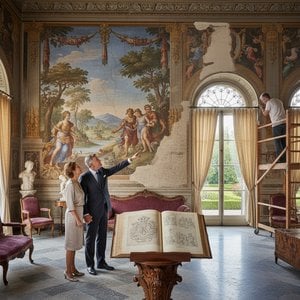
가족 유산의 벽화에 담긴 예술적 전통과 기억 보존의 의미를 탐구합니다. 프레스코 기법의 역사, 제작 과정, 복원 노력을 심층 분석하고 현대적인 응용 가능성을 제시합니다. 전문가의 시각으로 고품격 미술 정보를 제공합니다.