


 실제 크기로 보기
 보내기
보내기 공유하기
공유하기
 상세 보기
상세 보기 가이드 보기

 이미지 다운로드
 유사 작품 더 보기
 X-레이
X-레이 슬라이드 쇼 보기
 통계 정보
통계 정보Interor view


 상세 보기
상세 보기
지클레 / 아트 프린트
빠른 제작과 다양한 마감 옵션을 선택할 수 있는 박물관 수준의 지클레이 및 캔버스 프린트. ( 수작업 채색 복제본 주문하기 디지털 이미지 판매 채널로 전환)




P118B ₩10

P118H ₩10

P118W ₩10

P438Z ₩10

P508JH ₩12

P508YH ₩12

P805H ₩10

P805Z ₩10

P919BZ ₩10

P919G ₩10

P919XJ ₩10

P959ZH ₩10

P968JZ ₩12

W106C ₩8

W218G ₩10

W218JH ₩8

W218Y ₩10

W307PJ ₩10

W316G ₩10

W316PJ ₩8

W316Y ₩10

W398PJ ₩8

W4111J ₩10

W500HY ₩15

W500JH ₩15

W692G ₩12

W849H ₩8

W940BG ₩15

W953PJ ₩8




작품의 원본 비율을 그대로 유지하는 프리셋 사이즈 중에서 선택해 보세요.

액자나 벽면 크기에 맞춰 필요한 가로와 세로 길이를 입력해 주세요. 프린트는 원본 이미지보다 크게 제작할 수 없으며 오직 자르는 것만 가능하므로, 비율이 다른 사이즈를 선택할 경우 이미지의 일부가 잘려 나갈 수 있습니다. 인쇄 작업에 들어가기 전, 최종 확인을 위해 디지털 목업을 보내드립니다. 이 페이지에 표시된 이미지는 실제 잘리는 영역을 나타내지 않으며, 오직 목업을 통해서만 정확한 확인이 가능합니다.


 유리 옵션은 110cm 미만 크기에서만 선택 가능합니다.

Interor view
지클레 / 아트 프린트
복제본 규격
-


총 결제 금액
₩ 83974
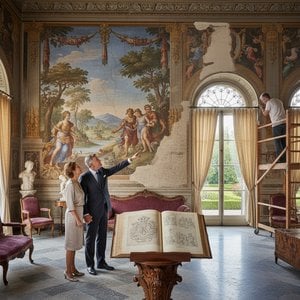
A Glimpse into Florentine Grandeur: The Interor View by Giorgio Vasari
Within the imposing walls of the Palazzo Vecchio in Florence resides a breathtaking fresco, “Interor View” by Giorgio Vasari – a masterpiece that transcends mere decoration and offers a profound window into the artistic and cultural heart of the Renaissance. Completed around 1555, this monumental work isn’t simply a depiction of a room; it's an immersive experience, a carefully constructed illusion designed to evoke a sense of timeless elegance and civic pride. Vasari, already a celebrated artist and historian, was commissioned by the Medici family to embellish the palace, solidifying his position as a key figure in shaping Florentine art and its legacy.
The painting itself is a testament to Vasari’s mastery of *trompe-l'oeil*, or “fooling the eye.” He employs frescoes – a technique favored during this era for its ability to create vibrant, enduring surfaces – to meticulously recreate an interior space. The scene unfolds within a grand chamber, dominated by a towering ceiling adorned with intricate coffers and classical motifs. Below, a substantial wooden table anchors the room, suggesting a setting for important meetings or formal gatherings. Antique busts of Greek philosophers flank the table, subtly reinforcing the intellectual atmosphere, while two chairs invite contemplation. Vasari’s skill isn't merely in replicating form; he captures light, shadow, and texture with remarkable precision, creating an illusion of depth that draws the viewer directly into the scene.
The Language of Renaissance Symbolism
Beyond its technical brilliance, “Interor View” is rich in symbolic meaning. The figures depicted within the fresco are not merely decorative; they represent key values and ideals of the Renaissance. Classical allegorical figures engage in activities that speak to virtue, wisdom, and justice – a deliberate nod to the classical heritage that Vasari so admired. The careful arrangement of these figures suggests a harmonious balance between earthly pursuits and divine inspiration. Note the subtle references to Roman mythology woven throughout the composition; these allusions were not merely aesthetic choices but served as potent reminders of the enduring legacy of ancient Rome, which Renaissance thinkers sought to revive.
The use of color is equally deliberate. Vasari masterfully employs a palette of rich reds, blues, and golds – colors associated with power, wealth, and divinity – to heighten the sense of grandeur and importance. The vibrant hues contrast beautifully with the muted tones of the architectural elements, creating a dynamic visual interplay that captivates the eye.
Vasari: A Renaissance Polymath
Understanding “Interor View” requires appreciating Giorgio Vasari himself. He was more than just an artist; he was a prolific writer and historian, best known for his monumental "Lives of the Most Excellent Painters, Sculptors, and Architects." This biographical work not only documented the lives of Renaissance masters but also shaped our understanding of art history itself. Vasari’s own artistic style reflected this multifaceted nature – he seamlessly blended painting, architecture, and historical scholarship. His meticulous attention to detail, combined with his deep knowledge of classical antiquity, made him a truly exceptional figure of the Renaissance.
A Legacy of Artistic Innovation
“Interor View” stands as a remarkable achievement in Renaissance art, showcasing Vasari’s technical skill, artistic vision, and profound understanding of symbolism. It's a testament to the power of illusion and a celebration of Florentine civic pride. Reproductions of this iconic fresco offer a unique opportunity to bring a piece of Renaissance grandeur into any setting – whether as a focal point in a grand salon or a subtle enhancement to a more intimate space. The painting’s enduring appeal lies not only in its beauty but also in its ability to transport the viewer back in time, offering a glimpse into the vibrant world of 16th-century Florence.
질의응답
"Interor view"의 Panoramic 형식은 어디에 전시하는 것이 가장 좋을까요?
조르조 바사리의 "Interor view"의 Panoramic 형식은 Living Room에 추천합니다. 작품의 형식과 공간의 조화는 복제화 배치에 중요한 가이드가 됩니다.
"Interor view"의 규격은 어떻게 되나요?
조르조 바사리의 "Interor view"은(는) Panoramic 구도로 이루어져 있습니다. 프린트 크기를 결정하시기 전에 비율을 확인해 보시는 것이 좋습니다.
팔라초 베키오에 소장된 조르조 바사리의 "Interor view"를 법적으로 복제할 수 있습니까?
조르조 바사리의 "Interor view"의 저작권 상태는 명확합니다. 이 작품은 퍼블릭 도메인 - 저작권 보호 기간이 만료되었습니다 상태이며, 팔라초 베키오에 소장되어 있다는 사실이 해당 상태를 변경하지 않습니다.
관련 작품들


작가 소개
르네상스 정신을 담아낸 삶
1511년 7월 30일 토스카나의 아레초에서 태어난 조르조 바사리는 단순한 화가를 넘어 이탈리아 르네상스의 정수를 구현한 인물이었습니다. 그의 삶은 예술 창작, 건축 혁신, 통찰력 있는 역사 기록, 그리고 선구자들의 업적을 기리는 확고한 헌신이라는 실로 다채로운 태피스트리로 펼쳐졌습니다. 어린 시절 스테인드글라스 장인 구글리엘모 다 마르실리아에게 기초를 다진 조르조는 16세에 피렌체로 이주하면서 예술적 잠재력을 본격적으로 발휘하기 시작했습니다. 안드레아 델 사르토의 역동적인 집단 속에서, 로소 피오렌티노와 야코포 폰토르모의 영향을 흡수하며 그는 시대를 대표하는 영향력 있는 인물로 성장해 나갔습니다. 그의 젊은 시절은 강력한 메디치 가문의 후원과 우정으로 깊이 각인되었고, 이러한 관계는 그의 경력과 예술의 사회적 역할에 대한 관점에 지대한 영향을 미쳤습니다.화가의 손길과 시선
바사리의 예술 스타일은 16세기 중반 유행했던 마니에리스모로 분류됩니다. 그의 그림은 길쭉한 인물, 역동적인 구도, 세련된 색채 사용을 특징으로 하며, 당대 회화계에서 높은 평가를 받았습니다. 비록 그가 기록한 예술가들만큼 명성을 얻지는 못했지만, 바사리의 기량은 의심할 여지가 없었습니다. 아레초의 카사 바사리에 소장된 <화가의 작업실>과 같은 주목할 만한 작품들은 당시의 예술적 관행을 엿볼 수 있는 흥미로운 통찰력을 제공합니다. 1555년부터 1572년까지 피렌체 팔라초 베키오를 위해 제작한 대규모 프레스코화는 그의 대형 장식 기법에 대한 숙달을 보여줍니다. 그의 마지막 기념비적인 작업인 <최후의 심판>은 페데리코 추카리가 사후 완공했지만, 플로렌스 대성당 돔을 장식하며 그의 변함없는 예술적 비전에 대한 증거로 남아 있습니다. 회화 외에도 바사리의 건축적 기여 또한 매우 중요했습니다. 그는 우피치 미술관의 우아한 로지아를 설계하여 공공 광장으로 탈바꿈시키고 피렌체 도시 경관 내에서 중요한 연결 고리를 만들었습니다. 무엇보다도 그는 우피치 미술관과 팔라초 피티를 연결하는 비밀 통로인 바사리 회랑을 구상하고 건설했는데, 이는 오늘날에도 방문객들을 사로잡는 놀라운 공학적 기교와 건축적 독창성을 보여줍니다.역사가로서의 유산
그러나 조르조 바사리가 가장 오래 지속되는 유산을 남긴 것은 아마도 미술 역사가로서였을 것입니다. 1550년(개정판은 1568년)에 출간된 그의 기념비적인 저서 <최고의 화가, 조각가, 건축가들의 삶>은 예술 이해와 감상 방식을 혁신했습니다. 이 획기적인 텍스트는 단순한 전기 모음집이 아니라 이탈리아 르네상스 미술의 발전을 초기 거장 치마부에와 지오토부터 동시대의 미켈란젤로, 라파엘로까지 추적하는 서사적 틀을 확립했습니다. 바사리의 저서는 “르네상스”라는 개념—고전 이상의 부활—을 도입하고 현대 미술사의 기초를 놓았습니다. 비록 바사리의 기록이 그의 편견과 부정확성을 지니고 있으며, 특히 자신의 이전 시대 예술가들에 대한 내용은 인정해야 하지만, <삶>의 영향력은 심오합니다. 이 책은 예술 창작에 대한 중요한 역사적 맥락을 제공하고 숙련된 장인에서 학문적 연구 가치가 있는 지식인으로 예술가의 위상을 높였습니다.영향과 지속적인 중요성
바사리의 예술적 발전은 르네상스 거장들의 작품에 대한 노출에 의해 심오하게 형성되었습니다. 1529년 로마를 방문하여 라파엘로 및 다른 고르네상스 미술가들의 작품을 연구한 것은 결정적인 순간이었습니다. 그는 구도, 해부학적 정확성, 이상화된 아름다움의 원리를 흡수하고 이를 자신의 스타일에 통합했습니다. 바사리가 크게 존경했던 미켈란젤로는 그의 회화와 건축 모두에 강력한 영향을 미쳤습니다. 미켈란젤로 작품의 웅장함과 역동성은 바사리의 많은 프로젝트에서 분명하게 드러납니다. 특정 예술가 외에도 휴머니즘, 고전 학습, 경험적 관찰에 대한 새로운 관심과 같은 광범위한 지적 흐름 또한 바사리의 예술 및 역사 접근 방식에 영향을 미쳤습니다. 조르조 바사리는 1574년 6월 27일 피렌체에서 세상을 떠났고, 오늘날에도 울려 퍼지는 다면적인 유산을 남겼습니다. 그는 재능 있는 예술가이자 건축가였을 뿐만 아니라 서구 미술사의 가장 혁신적인 시대를 이해하는 데 필수적인 선구적인 역사가였습니다. 그의 작품은 이탈리아 르네상스의 풍부한 문화유산을 탐구하려는 모든 사람에게 없어서는 안 될 존재로 남아 있습니다.
조르조 바사리
1511 - 1574 , 이탈리아
작가 정보 요약
- Artistic Movement Or Style: 마니에리스모
- Artists Or Movements Influenced By This Artist: ['르네상스 미술사']
- Artists Who Influenced This Artist:
- 안드레아 델 사르토
- 라파엘로
- 미켈란젤로
- Date Of Birth: 1511년 7월 30일
- Date Of Death: 1574년 6월 27일
- Full Name: 조르조 바사리
- Nationality: 이탈리아인
- Notable Artworks (List Of Titles):
- 화가의 작업실
- 최후의 심판
- 동방 박사의 경배
- Place Of Birth (City And Country): 이탈리아 아레초
관련 기사

The Enduring Legacy of Fresco: Technique, History & Artistic Expression Across Cultures
Explore the rich history & enduring legacy of fresco painting! Discover ancient techniques, Giotto's masterpieces, and modern applications. Expert insights for art lovers & professionals.

The Enduring Legacy of Fresco Painting: Techniques, History & Contemporary Relevance
Explore the rich history & enduring artistry of fresco painting – from Giotto to Michelangelo! Discover techniques, conservation efforts, & modern applications. Learn how ArtsDot brings this timeless art form to your home.

The Enduring Legacy of Fresco: Technique, History & Artistic Expression
Explore the rich history & enduring artistry of fresco painting. Discover techniques from Giotto to Michelangelo, conservation efforts, & modern applications. Learn how ArtsDot brings this timeless art form to your home.
가족 유산의 벽화: 대를 잇는 예술적 전통과 기억의 보존
가족 유산의 벽화에 담긴 예술적 전통과 기억 보존의 의미를 탐구합니다. 프레스코 기법의 역사, 제작 과정, 복원 노력을 심층 분석하고 현대적인 응용 가능성을 제시합니다. 전문가의 시각으로 고품격 미술 정보를 제공합니다.

내면의 울림을 담은 공간: 감정적 교감을 불러일으키는 맞춤형 인테리어 프레스코 미술의 힘
프레스코 미술의 역사와 제작 기법부터 맞춤형 인테리어 디자인까지, 전문가가 알려주는 감성적인 공간 창조 노하우를 만나보세요. 오래도록 기억에 남는 특별한 공간을 위한 최고의 선택입니다.

