


 보내기
보내기 공유하기
공유하기
 상세 보기
상세 보기 가이드 보기

 이미지 다운로드
 유사 작품 더 보기
 슬라이드 쇼 보기
 통계 정보
통계 정보Ceiling decoration


 상세 보기
상세 보기
핸드메이드 유화 복제화
작가가 직접 캔버스에 손으로 그린 유화 작품으로, 원하는 크기와 액자로 맞춤 제작해 드립니다. ( 프린트 판매로 전환 디지털 이미지 판매 채널로 전환)




































작품의 원본 비율을 그대로 유지하는 프리셋 사이즈 중에서 선택해 보세요.

액자나 벽면 크기에 맞춰 필요한 가로와 세로 길이를 입력해 주세요. 본 작품은 수작업으로 제작되므로, 요청하신 비율에 따라 작가가 그림의 가장자리를 조금 더 넓게 그리거나 일부를 조정하여 작업할 수 있습니다. 작업 시작 전, 최종 확인을 위해 디지털 목업 이미지를 보내드립니다. 이 페이지에 표시된 이미지는 실제 결과물과 다를 수 있으며, 오직 목업 이미지만이 정확한 결과물을 보여줍니다.
주문 완료 후 ArtsDot.com 팀에서 상세 안내를 위해 고객님께 이메일을 보내드리며, 미리보기 시안을 함께 제공해 드립니다.


 유리 옵션은 110cm 미만 크기에서만 선택 가능합니다.

Ceiling decoration
재현 매체
복제본 규격
-


총 결제 금액
₩ 358934
Ceiling Decoration by Giorgio Vasari: A Renaissance Masterpiece
The Sala di Lorenzo il Magnifico at Palazzo Vecchio stands as a testament to the grandeur and intellectual fervor of the Italian Renaissance, largely thanks to the breathtaking fresco cycle executed by Giorgio Vasari between 1556 and 1558. More than just decoration—it’s an immersive narrative tableau that encapsulates humanist ideals and celebrates Florentine history under Cosimo I de' Medici. Vasari wasn’t merely applying pigment; he was crafting a visual manifesto of his time, meticulously designed to inspire awe and convey profound meaning.- Subject Matter: The fresco depicts scenes from Genesis—primarily the Creation of Adam—a cornerstone of Christian theology and symbolizing divine grace and humanity's relationship with God. However, Vasari’s ambition extended far beyond biblical allegory; he sought to portray Lorenzo il Magnifico as a figure embodying virtue and intellect, reflecting the humanist spirit prevalent in Florence during his reign.
- Style: Vasari employed Mannerism—a stylistic movement characterized by elongated figures, dramatic poses, and stylized ornamentation—to elevate the visual experience beyond mere realism. This deliberate departure from High Renaissance conventions aimed to provoke contemplation and convey emotional intensity. The artist skillfully utilized perspective and chiaroscuro (the interplay of light and shadow) to heighten the sense of depth and drama within each panel.
- Technique: Vasari’s mastery lay in his meticulous application of fresco technique—a durable method involving applying pigment onto wet plaster—allowing for exceptional detail and vibrancy. Assistants meticulously prepared the walls, ensuring a smooth surface before Vasari began layering color upon color with painstaking precision. The resulting frescoes retain their luminosity and textural richness centuries later, demonstrating Vasari’s unparalleled skill as an artist.
Historical Context: Patronage and Florentine Identity
The Sala di Lorenzo il Magnifico served as the seat of Florentine governance during Cosimo I's rule—a period marked by ambitious political reforms and a fervent desire to solidify Florence’s position as a dominant force in Italy. Vasari’s commission was thus inextricably linked to the broader cultural landscape of the time, reflecting the Medici family’s commitment to artistic excellence and intellectual discourse. The fresco served as a powerful symbol of Florentine pride—a visual chronicle of Lorenzo's achievements and virtues—intended to reinforce his legacy as a visionary leader and humanist scholar.- Symbolism: Each element within the fresco carries symbolic significance, reinforcing overarching themes of divine providence and human aspiration. The central panel portrays Adam receiving God’s breath—a pivotal moment in Genesis representing humanity's spiritual origin—while surrounding figures embody virtues such as Wisdom, Faith, Justice, and Mercy.
- Composition: Vasari’s masterful compositional choices contribute to the fresco’s emotional impact. The use of pyramidal structures provides stability and grandeur, guiding the viewer’s gaze across the expansive space. Furthermore, Vasari skillfully employed illusionistic techniques—particularly *trompe l'oeil*—to create a convincing sense of depth and realism, immersing viewers in the narrative scene.
Legacy and Influence
Giorgio Vasari’s Ceiling Decoration at Palazzo Vecchio remains an enduring masterpiece of Renaissance art—inspiring admiration for its technical brilliance and intellectual sophistication. It profoundly impacted subsequent generations of artists who sought to emulate Vasari's stylistic innovations and narrative prowess. The fresco continues to captivate audiences today, serving as a poignant reminder of Florence’s cultural heritage and the transformative power of artistic vision. Its meticulous detail and emotive resonance solidify Vasari’s place among the titans of Renaissance art history.Further Exploration
For more information on Giorgio Vasari and his work, consult resources such as:- Web Gallery of Art: http://www.wga.hu/html_m/v/vasari/2/06vecchi.html
- WikiArt: https://www.wikiart.org/en/giorgio-vasari/ceiling-decoration-palazzo-vecchio-florence
질의응답
"Ceiling decoration"의 조회수는 얼마인가요?
조르조 바사리의 "Ceiling decoration"의 통계 페이지에서는 해당 작품의 월간 방문 수, 작가의 가장 많이 조회된 작품과의 비교, 그리고 방문자 유입 경로 등 공개 방문 통계를 제공합니다.
조르조 바사리의 "Ceiling decoration"의 복제본은 어디에 걸면 좋을까요?
조르조 바사리의 "Ceiling decoration"의 Landscape 형식은 Living Room에 추천합니다. 작품의 형식과 공간의 조화는 복제화 배치에 중요한 가이드가 됩니다.
Italian Renaissance Mannerism 양식의 작품 "Ceiling decoration"은 어느 나라에서 유래되었나요?
Italian Renaissance Mannerism 양식의 작품 "Ceiling decoration"은 이탈리아에서 태어난 작가에 의해 제작되었습니다.
관련 작품들


작가 소개
르네상스 정신을 담아낸 삶
1511년 7월 30일 토스카나의 아레초에서 태어난 조르조 바사리는 단순한 화가를 넘어 이탈리아 르네상스의 정수를 구현한 인물이었습니다. 그의 삶은 예술 창작, 건축 혁신, 통찰력 있는 역사 기록, 그리고 선구자들의 업적을 기리는 확고한 헌신이라는 실로 다채로운 태피스트리로 펼쳐졌습니다. 어린 시절 스테인드글라스 장인 구글리엘모 다 마르실리아에게 기초를 다진 조르조는 16세에 피렌체로 이주하면서 예술적 잠재력을 본격적으로 발휘하기 시작했습니다. 안드레아 델 사르토의 역동적인 집단 속에서, 로소 피오렌티노와 야코포 폰토르모의 영향을 흡수하며 그는 시대를 대표하는 영향력 있는 인물로 성장해 나갔습니다. 그의 젊은 시절은 강력한 메디치 가문의 후원과 우정으로 깊이 각인되었고, 이러한 관계는 그의 경력과 예술의 사회적 역할에 대한 관점에 지대한 영향을 미쳤습니다.화가의 손길과 시선
바사리의 예술 스타일은 16세기 중반 유행했던 마니에리스모로 분류됩니다. 그의 그림은 길쭉한 인물, 역동적인 구도, 세련된 색채 사용을 특징으로 하며, 당대 회화계에서 높은 평가를 받았습니다. 비록 그가 기록한 예술가들만큼 명성을 얻지는 못했지만, 바사리의 기량은 의심할 여지가 없었습니다. 아레초의 카사 바사리에 소장된 <화가의 작업실>과 같은 주목할 만한 작품들은 당시의 예술적 관행을 엿볼 수 있는 흥미로운 통찰력을 제공합니다. 1555년부터 1572년까지 피렌체 팔라초 베키오를 위해 제작한 대규모 프레스코화는 그의 대형 장식 기법에 대한 숙달을 보여줍니다. 그의 마지막 기념비적인 작업인 <최후의 심판>은 페데리코 추카리가 사후 완공했지만, 플로렌스 대성당 돔을 장식하며 그의 변함없는 예술적 비전에 대한 증거로 남아 있습니다. 회화 외에도 바사리의 건축적 기여 또한 매우 중요했습니다. 그는 우피치 미술관의 우아한 로지아를 설계하여 공공 광장으로 탈바꿈시키고 피렌체 도시 경관 내에서 중요한 연결 고리를 만들었습니다. 무엇보다도 그는 우피치 미술관과 팔라초 피티를 연결하는 비밀 통로인 바사리 회랑을 구상하고 건설했는데, 이는 오늘날에도 방문객들을 사로잡는 놀라운 공학적 기교와 건축적 독창성을 보여줍니다.역사가로서의 유산
그러나 조르조 바사리가 가장 오래 지속되는 유산을 남긴 것은 아마도 미술 역사가로서였을 것입니다. 1550년(개정판은 1568년)에 출간된 그의 기념비적인 저서 <최고의 화가, 조각가, 건축가들의 삶>은 예술 이해와 감상 방식을 혁신했습니다. 이 획기적인 텍스트는 단순한 전기 모음집이 아니라 이탈리아 르네상스 미술의 발전을 초기 거장 치마부에와 지오토부터 동시대의 미켈란젤로, 라파엘로까지 추적하는 서사적 틀을 확립했습니다. 바사리의 저서는 “르네상스”라는 개념—고전 이상의 부활—을 도입하고 현대 미술사의 기초를 놓았습니다. 비록 바사리의 기록이 그의 편견과 부정확성을 지니고 있으며, 특히 자신의 이전 시대 예술가들에 대한 내용은 인정해야 하지만, <삶>의 영향력은 심오합니다. 이 책은 예술 창작에 대한 중요한 역사적 맥락을 제공하고 숙련된 장인에서 학문적 연구 가치가 있는 지식인으로 예술가의 위상을 높였습니다.영향과 지속적인 중요성
바사리의 예술적 발전은 르네상스 거장들의 작품에 대한 노출에 의해 심오하게 형성되었습니다. 1529년 로마를 방문하여 라파엘로 및 다른 고르네상스 미술가들의 작품을 연구한 것은 결정적인 순간이었습니다. 그는 구도, 해부학적 정확성, 이상화된 아름다움의 원리를 흡수하고 이를 자신의 스타일에 통합했습니다. 바사리가 크게 존경했던 미켈란젤로는 그의 회화와 건축 모두에 강력한 영향을 미쳤습니다. 미켈란젤로 작품의 웅장함과 역동성은 바사리의 많은 프로젝트에서 분명하게 드러납니다. 특정 예술가 외에도 휴머니즘, 고전 학습, 경험적 관찰에 대한 새로운 관심과 같은 광범위한 지적 흐름 또한 바사리의 예술 및 역사 접근 방식에 영향을 미쳤습니다. 조르조 바사리는 1574년 6월 27일 피렌체에서 세상을 떠났고, 오늘날에도 울려 퍼지는 다면적인 유산을 남겼습니다. 그는 재능 있는 예술가이자 건축가였을 뿐만 아니라 서구 미술사의 가장 혁신적인 시대를 이해하는 데 필수적인 선구적인 역사가였습니다. 그의 작품은 이탈리아 르네상스의 풍부한 문화유산을 탐구하려는 모든 사람에게 없어서는 안 될 존재로 남아 있습니다.
조르조 바사리
1511 - 1574 , 이탈리아
작가 정보 요약
- Artistic Movement Or Style: 마니에리스모
- Artists Or Movements Influenced By This Artist: ['르네상스 미술사']
- Artists Who Influenced This Artist:
- 안드레아 델 사르토
- 라파엘로
- 미켈란젤로
- Date Of Birth: 1511년 7월 30일
- Date Of Death: 1574년 6월 27일
- Full Name: 조르조 바사리
- Nationality: 이탈리아인
- Notable Artworks (List Of Titles):
- 화가의 작업실
- 최후의 심판
- 동방 박사의 경배
- Place Of Birth (City And Country): 이탈리아 아레초
관련 기사
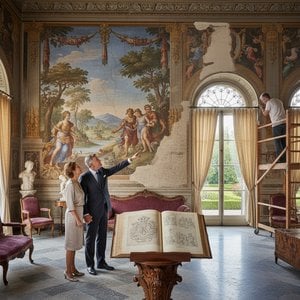
가족 유산의 벽화: 대를 잇는 예술적 전통과 기억의 보존
가족 유산의 벽화에 담긴 예술적 전통과 기억 보존의 의미를 탐구합니다. 프레스코 기법의 역사, 제작 과정, 복원 노력을 심층 분석하고 현대적인 응용 가능성을 제시합니다. 전문가의 시각으로 고품격 미술 정보를 제공합니다.

The Enduring Legacy of Fresco Painting: Techniques, History & Contemporary Relevance
Explore the rich history & enduring artistry of fresco painting – from Giotto to Michelangelo! Discover techniques, conservation efforts, & modern applications. Learn how ArtsDot brings this timeless art form to your home.

The Enduring Legacy of Fresco: Technique, History & Artistic Expression Across Cultures
Explore the rich history & enduring legacy of fresco painting! Discover ancient techniques, Giotto's masterpieces, and modern applications. Expert insights for art lovers & professionals.

내면의 울림을 담은 공간: 감정적 교감을 불러일으키는 맞춤형 인테리어 프레스코 미술의 힘
프레스코 미술의 역사와 제작 기법부터 맞춤형 인테리어 디자인까지, 전문가가 알려주는 감성적인 공간 창조 노하우를 만나보세요. 오래도록 기억에 남는 특별한 공간을 위한 최고의 선택입니다.

현대 공간을 수놓는 르네상스 천장 프레스코의 재해석: 고전적 아름다움과 혁신의 조화
르네상스 시대 프레스코 기법부터 현대 인테리어 디자인까지, 전문가의 시선으로 고전적 아름다움과 혁신을 탐구합니다. 호텔, 상업 공간에 고급스러운 예술 작품을 더하세요.
