


 실제 크기로 보기
 보내기
보내기 공유하기
공유하기
 상세 보기
상세 보기 가이드 보기

 이미지 다운로드
 유사 작품 더 보기
 X-레이
X-레이 슬라이드 쇼 보기
 통계 정보
통계 정보Ema
 Acrylic On Canvas
- WallArt
- Contemporary Realism
 1992
1992- Contemporary
 153.0 x 227.0 cm
 상세 보기
상세 보기
이 페이지에 표시된 작품은 저작권법의 보호를 받으며, 이에 따라 동일한 복제품을 제작하거나 판매하는 것은 법으로 금지되어 있습니다. 이러한 권리 보호는 다음과 같은 국제 협약에 따라 시행됩니다. 베른 협약 또한 다음에서 명시하는 법률을 포함한 국내법에 의해 보호됩니다. 미국 저작권법 제17조.
이 방식은 저작권 보호를 받는 예술 작품을 복제하거나 그대로 재현하는 것이 아니기에 저작권 규정을 완벽히 준수합니다. 대신, 이는 창의적인 재해석의 과정을 거칩니다. 즉, 원작에서 영감을 받되 원작과 동일하지 않은 새로운 회화 작품을 의미합니다.
지클레 / 아트 프린트
빠른 제작과 다양한 마감 옵션을 선택할 수 있는 박물관 수준의 지클레이 및 캔버스 프린트. ( 수작업 채색 복제본 주문하기 디지털 이미지 판매 채널로 전환)




P118B ₩10

P118H ₩10

P118W ₩10

P438Z ₩10

P508JH ₩12

P508YH ₩12

P805H ₩10

P805Z ₩10

P919BZ ₩10

P919G ₩10

P919XJ ₩10

P959ZH ₩10

P968JZ ₩12

W106C ₩8

W218G ₩10

W218JH ₩8

W218Y ₩10

W307PJ ₩10

W316G ₩10

W316PJ ₩8

W316Y ₩10

W398PJ ₩8

W4111J ₩10

W500HY ₩15

W500JH ₩15

W692G ₩12

W849H ₩8

W940BG ₩15

W953PJ ₩8




작품의 원본 비율을 그대로 유지하는 프리셋 사이즈 중에서 선택해 보세요.

액자나 벽면 크기에 맞춰 필요한 가로와 세로 길이를 입력해 주세요. 프린트는 원본 이미지보다 크게 제작할 수 없으며 오직 자르는 것만 가능하므로, 비율이 다른 사이즈를 선택할 경우 이미지의 일부가 잘려 나갈 수 있습니다. 인쇄 작업에 들어가기 전, 최종 확인을 위해 디지털 목업을 보내드립니다. 이 페이지에 표시된 이미지는 실제 잘리는 영역을 나타내지 않으며, 오직 목업을 통해서만 정확한 확인이 가능합니다.


 유리 옵션은 110cm 미만 크기에서만 선택 가능합니다.

Ema
지클레 / 아트 프린트
복제본 규격
-


총 결제 금액
₩ 84854
A Reflection on Movement and Memory: Exploring Gerhard Richter’s Ema
Gerhard Richter's *Ema*, painted in 1992, stands as a masterful distillation of photographic influence combined with Richter’s signature artistic exploration. More than just an image captured on canvas; it’s a meditation on perception itself—a dialogue between stillness and the fleeting impression of motion, mirroring the anxieties and uncertainties that characterized Richter's formative years amidst the turbulent backdrop of post-war Germany. The painting’s genesis lies in a photograph taken by Richter himself of his first wife descending a staircase – an act of deliberate repetition designed to interrogate the very nature of representation. This conceptual underpinning is powerfully reinforced by its connection to Marcel Duchamp’s groundbreaking *Nude Descending a Staircase*, a work rejected by Cubists but subsequently recognized as a pivotal cubo-futurist masterpiece. Richter's response wasn’t merely stylistic imitation; it was an acknowledgement of artistic lineage while forging his own distinctive path, firmly rooted in European Pop Art sensibilities.- Style and Technique: Richter employs a technique known as ‘photogram,’ where he lays the photographic print directly onto canvas and exposes it to ultraviolet light. This process creates a hazy, ethereal image—a ghost of the original photograph—that simultaneously captures and obscures its subject matter. The resulting surface possesses an almost velvety texture, achieved through multiple layers of paint applied with a squeegee, further blurring the boundaries between painting and photography.
- Compositional Analysis: The central figure – a woman – occupies the staircase’s upper section, her back turned to the viewer. This deliberate positioning invites contemplation on vulnerability and unspoken emotion. The steps themselves serve as compositional anchors, guiding the eye upwards while simultaneously emphasizing the woman's solitary journey. Richter skillfully utilizes tonal variations to create depth and atmosphere, subtly conveying a sense of quiet dignity.
- Emotional Impact: *Ema* evokes a profound sense of melancholy and introspection. The painting's muted palette contributes to its contemplative mood, inviting viewers to consider themes of solitude, vulnerability, and the elusive nature of experience. It’s a piece that lingers in the mind long after viewing, prompting reflection on the complexities of human emotion and the enduring power of memory.
질의응답
게르하트 리히터의 "Ema"의 색채 구성은 어떻게 이루어져 있나요?
"Ema"에서는 Bold 대비와 Strong Color Unity 조화가 어우러져 있습니다.
게르하트 리히터의 "Ema"의 실제 크기는 어떻게 되나요?
"Ema"의 원작 크기는 153 x 227 cm입니다. 원작의 규격은 복제본(reproduction) 사이즈를 선택할 때 유용한 참고 자료가 됩니다.
게르하트 리히터의 "Ema" 복제본은 어떤 용도로 사용하기에 좋나요?
게르하트 리히터의 "Ema"의 권장 용도는 Accent입니다. 그 외에도 다양한 용도로 활용하실 수 있습니다.


작가 소개
분단이 빚어낸 삶: 게르하트 리히터의 유년기와 예술적 형성
게르하트 리히터의 이야기는 20세기 독일의 파편화된 역사와 불가분하게 연결되어 있습니다. 1932년 드레스덴에서 태어난 그의 유년기는 떠오르는 국가사회주의 정권의 그림자 아래서 펼쳐졌습니다. 전쟁 기간 중 가족이 여러 차례 이주해야 했던 이 형성기는 그에게 깊은 불확실성과 의구심을 심어주었으며, 이러한 회의적인 시선은 향후 수십 년간 그의 예술적 실천 전반에 스며드는 근간이 되었습니다. 라이헨아우와 발터스도르프에서의 평화로웠던 어린 시절은 곧 전쟁의 참화로 깨어지며 그의 정신에 지울 수 없는 흔적을 남겼습니다. 그의 아버지는 나치당의 열렬한 지지자는 아니었으나 권위주의 체제 아래서 교사로서 삶의 복잡함을 묵묵히 헤쳐 나갔고, 어머니는 가족 내에서 문학과 음악에 대한 사랑을 키워주었습니다. 주어진 환경을 실용적으로 수용하면서도 문화적 표현을 갈망했던 이 이중성은 리히터 예술 접근법의 결정적인 특징이 되었습니다. 그는 1951년 드레스덴 미술 아카데미에서 정식 교육을 시작했으며, 초기에는 동독 정부가 요구하는 사회주의 리얼리즘 전통에 몰입했습니다. 그러나 이러한 제약된 환경 속에서도 이데올로기적 구속에 대한 불만과 더 확장된 창의적 가능성을 탐구하려는 열망은 예술적 자유를 향한 불꽃이 되어 그의 내면에서 끊임없이 타올랐습니다.제약으로부터의 탈출: 뒤셀도르프와 양식의 탐색
1961년은 전환점이 된 해였습니다. 리히터는 아내 마리안 에우핑거와 함께 동독을 탈출하여 급성장하던 뒤셀도르프의 예술계로 망명하는 대담한 결정을 내렸습니다. 이 이동은 그의 예술적 궤적에 근본적인 변화를 가져왔습니다. 서독의 환경은 실험과 혁신이 허용될 뿐만 아니라 적극적으로 권장되는 해방된 공간이었습니다. 뒤셀도르프에서 그는 정체성, 재현, 그리고 역사의 유산이라는 문제와 씨름하던 활기찬 예술가 공동체를 만났습니다. 그는 사회주의 리얼리즘의 경직된 양식적 관습을 빠르게 해체하기 시작했으며, 이는 그의 초기 성숙기 작품을 정의하는 강렬한 탐색의 시대로 이어졌습니다. 이 시대의 그는 사진적 이미지를 놀라운 정밀도로 재현하는 극사실주의부터 대담한 색채와 역동적인 붓터치가 특징인 추상 구성에 이르기까지, 서로 상반되어 보이는 접근 방식 사이를 오갔습니다. 지그마르 폴케와의 협업은 '자본주의 리얼리즘'이라는 용어를 탄생시켰는데, 이는 기존의 예술적 규범에 대한 그들의 공유된 회의론과 광고 및 대중 매체의 이미지를 차용하는 방식을 반영한 의도적으로 모호한 명칭이었습니다. 이 시기는 단순히 하나의 양식을 찾는 과정이 아니라, 양식적 일관성이라는 개념 자체에 의문을 제기하며 모순을 근본적인 원칙으로 받아들이는 과정이었습니다.경계의 흐릿함: 극사실주의, 추상, 그리고 우연의 힘
리히터의 예술적 어휘는 1960년대와 그 이후에 걸쳐 확장되었으며, 놀라운 범위의 기법과 주제를 포괄하게 되었습니다. 주로 가족사진이나 신문 이미지를 바탕으로 한 그의 극사실주의 회화는 단순한 현실의 복제가 아니라 지각과 재현의 본질에 대한 탐구입니다. 그는 이러한 이미지들을 거의 임상적인 무심함으로 정밀하게 묘사함으로써, 관람객이 사진적 진실이 가진 내재적 모호성을 직면하도록 강요합니다. 동시에 리히터는 추상의 영역으로 더 깊이 파고들어, 선명한 색채와 몸짓의 흔적이 층층이 쌓인 캔버스를 만들어냈습니다. 이러한 추상 작업은 주로 유리창을 닦는 도구인 스퀴지를 사용하는 독특한 기법을 통해 완성되는데, 그는 캔버스 표면 위로 스퀴지를 끌어당기며 예측 불가능한 방식으로 물감을 조작합니다. 이러한 우연과 즉흥성의 수용은 그의 예술 철학의 핵심이며, 이를 통해 통제권을 내려놓고 예상치 못한 결과를 받아들일 수 있게 합니다. 색상 사각형을 체계적으로 배열한 그의 '컬러 차트'는 전통적인 예술적 표현 개념에 더욱 도전하며 회화의 정의 자체에 의문을 던집니다. 이 작업들은 개인적인 미적 취향을 드러내는 것이 아니라, 색채가 가진 본연의 속성과 그 조직적 가능성을 탐구하는 데 목적이 있습니다.유산과 영향력: 현대 미술의 거장
현대 미술에 미친 게르하트 리히터의 영향력은 부정할 수 없습니다. 관습에 도전하려는 의지, 기법에 대한 끊임없는 실험, 그리고 역사적·정치적 주제에 대한 깊은 몰입은 그를 우리 시대 가장 중요한 예술가 중 한 명으로 자리매김하게 했습니다. 그는 자신의 작품을 단일한 양식적 틀 안에 가두려는 모든 시도를 거부하며 일관되게 범주화를 저항해 왔습니다. 이러한 정의 거부의 태도는 그의 기술적 탁월함 및 지적 엄격함과 결합되어 광범만큼의 비평적 찬사와 상업적 성공을 안겨주었으며, 그의 작품은 경매에서 정기적으로 기록적인 가격에 낙찰되곤 합니다. 그러나 시장 가치 너머에는 더 깊은 의미가 존재합니다. 리히터의 예술은 파편화된 세상 속에서 기억과 정체성, 그리고 의미를 찾는 문제를 다루며 현대 존재의 복잡성을 이야기합니다. 그는 답을 제시하기보다 질문을 던짐으로써 관람객이 스스로의 선입견에 직면하고 비판적 대화에 참여하도록 유도합니다. 그의 혁신적인 기법과 예술적 탐구에 대한 확고한 헌신에 매료된 수많은 후대 예술가들의 작품 속에서 그의 영향력을 발견할 수 있습니다. 리히터의 유산은 단순히 아름다운 오브제를 만드는 것에 그치지 않습니다. 그것은 회화라는 매체 자체의 가능성을 확장하는 일입니다. 그는 현대 미술의 핵심적인 동력으로서, 도전적이고 깊은 울림을 주는 작품을 통해 계속해서 관객에게 영감을 주고 자극을 주고 있습니다.
게르하트 리히터
1932 - , 독일
작가 정보 요약
- Artistic Movement Or Style: 사진현실주의 및 추상화
- Artists Or Movements Influenced By This Artist: ['현대 화가']
- Artists Who Influenced This Artist:
- 파블로 피카소
- 제인 아르프
- Date Of Birth: 2월 9일 생
- Full Name: Gerhard Richter
- Nationality: 독일인
- Notable Artworks:
- 추상화 610-1
- 길버트
- S.와 아이
- Place Of Birth: 드레스덴 독일
관련 기사
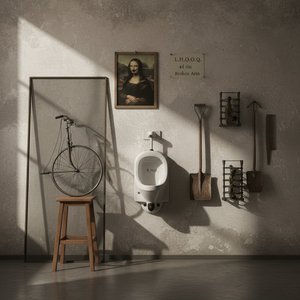
Marcel Duchamp: Challenging Conventions & Redefining Art in the 20th Century
Explore the revolutionary art of Marcel Duchamp! Discover how his Dadaist readymades challenged artistic conventions & redefined modern art. A deep dive into 'Fountain', conceptual shifts, and his lasting impact.

Marcel Dyf: A Study in Belgian Surrealist Landscape and the Poetics of Memory
Explore the captivating landscapes of Marcel Dyf (1899-1985). Discover his Impressionist roots, subtle Surrealism, and enduring legacy. Learn about his life, art, and value with ArtsDot.

The Enduring Allure of the Nude: A Historical & Artistic Exploration of the Human Form
Explore the captivating history of nude art! Discover iconic paintings & artists from classical to modern eras. Uncover symbolism, techniques & find museum-quality reproductions at ArtsDot.

The Eloquent Form: A Historical & Aesthetic Exploration of the Nude in Art
Explore the captivating history of the nude in art! From ancient Greece to modern masters, discover its evolving symbolism, techniques & enduring beauty. Expert insights for collectors and enthusiasts.

Gerhard Richter: A Retrospective on Abstraction, Memory & the Photographic Source
Explore the profound world of Gerhard Richter's abstract paintings. Discover his techniques, influences, and lasting impact on contemporary art – a guide for discerning collectors.


