

 미리보기
미리보기
 공유하기
공유하기 공유하기
공유하기
 상세 정보
상세 정보 가이드 보기

 다운로드
다운로드
 유사 작품 더 보기
 X-레이
X-레이 슬라이드 쇼 보기
 질의응답
질의응답 통계 정보
통계 정보LA RESURRECTION DU CHRIST


 더 보기
더 보기
지클레 / 아트 프린트
빠른 제작과 다양한 마감 옵션을 제공하는 박물관 수준의 지클레이 및 캔버스 프린트. ( 수작업 채색 복제본 주문하기 디지털 이미지로 전환)




P118B ₩10

P118H ₩10

P118W ₩10

P438Z ₩10

P508JH ₩12

P508YH ₩12

P805H ₩10

P805Z ₩10

P919BZ ₩10

P919G ₩10

P919XJ ₩10

P959ZH ₩10

P968JZ ₩12

W106C ₩8

W218G ₩10

W218JH ₩8

W218Y ₩10

W307PJ ₩10

W316G ₩10

W316PJ ₩8

W316Y ₩10

W398PJ ₩8

W4111J ₩10

W500HY ₩15

W500JH ₩15

W692G ₩12

W849H ₩8

W940BG ₩15

W953PJ ₩8




작품의 원본 비율을 그대로 유지하는 프리셋 사이즈 중에서 선택해 보세요.

액자나 벽면 크기에 맞춰 필요한 가로와 세로 길이를 입력해 주세요. 프린트는 원본 이미지보다 크게 제작할 수 없으며 오직 자르는 것만 가능하므로, 비율이 다른 사이즈를 선택할 경우 이미지의 일부가 잘려 나갈 수 있습니다. 인쇄 작업에 들어가기 전, 최종 확인을 위해 디지털 목업을 보내드립니다. 이 페이지에 표시된 이미지는 실제 잘리는 영역을 나타내지 않으며, 오직 목업을 통해서만 정확한 확인이 가능합니다.


 유리 옵션은 110cm 미만 크기에서만 선택 가능합니다.

LA RESURRECTION DU CHRIST
지클레 / 아트 프린트
복제본 크기
-


최종 결제 금액
₩ 84567
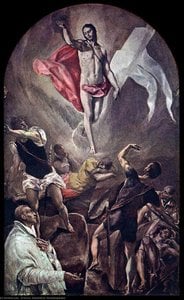
The Resurrection of Christ – A Baroque Masterpiece by Gerard Seghers
Gerard Seghers’s “La Résurrection du Christ” is not merely a depiction of a biblical event; it's a visceral embodiment of faith, triumph, and divine grace. Painted in the early 17th century during a period of intense religious fervor within the Flemish Baroque movement, this monumental work transcends its historical context to resonate powerfully with viewers today. Seghers, deeply influenced by the dramatic innovations of Caravaggio, masterfully employs light, color, and dynamic composition to convey the profound spiritual significance of Christ’s resurrection – a moment that fundamentally reshaped Christian belief.
The painting immediately commands attention through its sheer scale and theatrical intensity. Centered within a pyramidal structure, Christ ascends from an open tomb, his figure bathed in a radiant light that seems to emanate directly from the heavens. This isn’t a gentle, serene ascension; it's a forceful surge upwards, conveying both physical movement and spiritual elevation. The composition is deliberately crowded, teeming with figures – angels bearing banners adorned with crosses, grieving women, and onlookers rendered in varying states of awe and disbelief. Seghers skillfully uses overlapping forms and dramatic foreshortening to create a sense of depth and immediacy, pulling the viewer directly into the heart of the scene.
A Symphony of Color and Light – Baroque Techniques
Seghers’s mastery lies in his command of color and light—elements central to the Baroque aesthetic. He employs a rich, saturated palette dominated by deep reds, earthy browns, and shimmering golds, evoking both earthly passion and divine splendor. The stark contrasts between light and shadow, or *chiaroscuro*, are particularly striking, highlighting Christ’s luminous form while simultaneously casting dramatic shadows across the surrounding figures. This technique not only adds depth and volume but also imbues the scene with a palpable sense of drama and emotional intensity. Notice how the golden hues of the angels' garments contrast sharply with the somber tones of the tomb, further emphasizing Christ’s victory over death.
The artist’s brushwork is deliberately visible, contributing to the painting’s textured surface and conveying a sense of immediacy and energy. Layers of paint are applied in broad strokes, creating a dynamic interplay between smooth areas and rougher textures – particularly evident in the drapery and the stone of the tomb. This technique, characteristic of Baroque art, adds a layer of physicality to the scene, making it feel both monumental and intensely human.
Symbolism and Spiritual Resonance
Beyond its visual drama, “La Résurrection du Christ” is laden with symbolic meaning. The flag bearing the cross is a potent emblem of Christian faith, representing the sacrifice and resurrection of Jesus. The angels, depicted as messengers of divine grace, symbolize God’s intervention in human affairs. The expressions on the faces of the onlookers – ranging from profound grief to ecstatic joy – reflect the diverse range of emotions evoked by this pivotal event. The inclusion of the grieving women, traditionally Mary Magdalene and Mary at the tomb, underscores the personal impact of Christ's resurrection on humanity.
Interestingly, the painting’s roots lie in a complex interplay of artistic influences. Seghers was deeply influenced by Caravaggio’s dramatic use of light and shadow, as well as Bartolomeo Manfredi, another prominent Caravaggisti painter. However, Seghers developed his own distinctive style, characterized by a greater emphasis on composition and a more refined handling of color. The painting's historical context is also significant; it was created during a period of intense religious debate and reform within the Catholic Church, reflecting the era’s fervent spiritual atmosphere.
A Legacy of Dramatic Faith
“La Résurrection du Christ” stands as a testament to Gerard Seghers’s artistic genius and his profound understanding of Christian iconography. It's more than just a historical depiction; it’s an emotionally charged meditation on faith, sacrifice, and the promise of eternal life. The painting continues to captivate viewers with its dramatic intensity, masterful technique, and enduring symbolism – a powerful reminder of the transformative power of Christ’s resurrection.
질의응답
Gerard Seghers의 "LA RESURRECTION DU CHRIST"의 저작권 상태는 어떻게 되나요?
Gerard Seghers의 "LA RESURRECTION DU CHRIST"은(는) 퍼블릭 도메인 - 저작권 보호 기간이 만료되었습니다 상태입니다. 저작권 보호 기간은 작가 사후를 기준으로 산정되며, Gerard Seghers은(는) 1651년에 작고하였습니다.
Gerard Seghers의 "LA RESURRECTION DU CHRIST"의 전체적인 분위기는 밝은 편인가요, 아니면 어두운 편인가요?
전반적으로 "LA RESURRECTION DU CHRIST"의 밝기는 shadow로 기록되었습니다. 인지된 밝기는 작품이 얼마나 밝거나 어둡게 느껴지는지를 나타냅니다.
"LA RESURRECTION DU CHRIST"은(는) Gerard Seghers의 예술적 발전 단계 중 어느 시기를 나타냅니까?
"LA RESURRECTION DU CHRIST"은(는) Gerard Seghers의 Late Period를 잘 보여주는 작품입니다.




작가 정보
Gerard Seghers: A Caravaggisti Pioneer of Flanders
Gerard Seghers, born in Antwerp in 1591 and tragically passing away in 1651, stands as a pivotal figure bridging the dynamic transition between the High Renaissance and the Baroque periods within Flemish art. More than simply a painter, he was an astute art collector, shrewd dealer, and a key representative of the Caravaggisti movement – artists deeply influenced by the dramatic style pioneered by Michelangelo Merisi da Caravaggio. His journey took him from the relative stability of Antwerp to the vibrant, challenging environment of Rome and Spain, ultimately shaping his distinctive artistic voice and leaving behind a legacy of powerful religious scenes, evocative genre paintings, and monumental altarpieces that continue to captivate viewers today.Early Life and Artistic Training
Seghers’s early life remains shrouded in some mystery, though we know he was the son of an innkeeper, Jan Seghers, and Ida de Neve. Remarkably, there's little evidence suggesting a direct familial connection to Daniel Seghers, the renowned Jesuit painter specializing in still lifes – a distinction that adds another layer of intrigue to his story. At the tender age of twelve, he enrolled as a pupil within the prestigious Guild of Saint Luke in Antwerp, an institution crucial for training aspiring artists. The identity of his initial teacher remains uncertain, with speculation pointing towards figures like Abraham Janssens, Hendrick van Balen, or Caspar de Crayer (the father of Gaspar de Crayer). This early period was foundational, providing him with the technical skills and artistic principles necessary to embark on his ambitious career.Rome and the Caravaggisti Influence
In 1608, at just seventeen years old, Seghers achieved master status within the Antwerp Guild, a remarkable accomplishment for someone so young. However, his true artistic development began with a pivotal journey to Italy around 1611. This period in Rome proved transformative, exposing him directly to the fervent followers of Caravaggio – artists who had themselves been deeply affected by the revolutionary style of the Italian master. Among these disciples was Bartolomeo Manfredi, whose dramatic use of light and shadow profoundly impacted Seghers’s early work. He immersed himself in their techniques, studying their compositions and absorbing their intense emotionalism. He also encountered other prominent Caravaggisti residing in Rome, including Gerard van Honthorst, Dirck van Baburen, and Jan Janssens, broadening his artistic horizons and solidifying his commitment to the Caravagist aesthetic.Return to Flanders and a Shift in Style
Returning to Antwerp around 1620, Seghers initially continued to produce works firmly rooted in the Caravaggisti style – characterized by tenebrism (extreme contrasts between light and dark), dynamic compositions, and a focus on realistic depictions of human emotion. However, as his career progressed, he gradually moved away from this purely Caravagist approach. He began to incorporate elements of Peter Paul Rubens’s distinctive style—a master painter who had profoundly influenced the artistic landscape of Antwerp—resulting in a more refined and polished aesthetic. This shift is particularly evident in his later altarpieces for local churches, where he created monumental works imbued with grandeur and emotional depth while retaining a sense of dramatic realism.Major Works and Legacy
Seghers’s artistic output spanned a diverse range of subjects. His paintings are renowned for their powerful depictions of religious scenes, such as “Christ and the Penitent Sinners” (c. 1640-1651), which vividly portrays the suffering of Christ alongside his followers, showcasing his mastery of dramatic lighting and emotional intensity. “The Denial of St. Peter” exemplifies his ability to capture intense human drama through carefully rendered figures and a masterful use of chiaroscuro. “Saint Eloi au pied de la Vierge” demonstrates his skill in portraying religious iconography with both spiritual depth and artistic beauty. Beyond these iconic works, Seghers produced numerous genre scenes—depictions of everyday life—and contributed significantly to the decoration of important civic events, including the lavish celebrations surrounding Cardinal-Infante Ferdinand’s entry into Ghent in 1635. His legacy extends beyond his individual paintings; he was a respected art dealer and collector, contributing to the vibrant artistic culture of Antwerp during a period of significant change. Gerard Seghers remains a compelling figure—a testament to the dynamic interplay between artistic influences, personal evolution, and the enduring power of Baroque painting.
Gerard Seghers
1591 - 1651 , Belgium
작가 정보 요약
- Full Name: Gerard Seghers
- Nationality: Flemish
- Date Of Birth: 1591
- Date Of Death: 1651
- Place Of Birth: Antwerp, Belgium
- Notable Artworks:
- Christ and Penitent Sinners
- The Denial of St. Peter
- Saint Eloi au pied de la Vierge
- Artistic Movement Or Style: Caravaggisti, Baroque
- Artists Who Influenced This Artist:
- Bartolomeo Manfredi
- Caravaggio
- Artists Or Movements Influenced By This Artist:
- Rubens
- Dutch Caravaggisti
관련 콘텐츠

화려함 속에 감춰진 진실! 바로크 미술을 정의한 10대 걸작 탐구
화려함과 극적인 표현이 압권! 바로크 미술을 대표하는 10대 걸작의 숨겨진 이야기를 만나보세요. 베르니니, 루벤스 등 거장의 작품부터 바로크 색감, 예술적 기법까지 – ArtsDot.com에서 명품 복제 & 인테리어 영감을 얻으세요! 지금 바로 컬렉션을 탐험해보세요.

The Dramatic Flourish: Exploring the Baroque Movement's Enduring Legacy in Art History
Explore the dramatic world of Baroque art! Discover iconic artists like Caravaggio & Rubens, defining techniques, and its lasting impact on art history. Expert insights for collectors & enthusiasts at ArtsDot.

The Visceral Stage: Exploring Dramatic Narratives & Emotional Intensity in Baroque Art
Explore the dramatic world of Baroque art! Discover iconic masters like Caravaggio & Rembrandt, their techniques, and the movement's lasting impact. Expert insights for collectors & enthusiasts at ArtsDot.

바로크의 드라마: 현대 인테리어에 풍요로움과 감동을 불어넣기
바로크 예술의 풍요로운 세계를 탐험하고, 현대 인테리어에 감동을 불어넣는 방법을 ArtsDot에서 만나보세요. 카라바조, 렘브란트 등 거장들의 작품과 키아로스쿠로 기법 활용 노하우를 공개합니다.

The Golden Age Reforged: Dramatic Realism & Religious Zeal in Spanish Baroque Art
Explore the dramatic world of Spanish Baroque art! Discover masters like Zurbarán & the powerful influence of religious zeal on painting techniques – a guide for collectors and enthusiasts.