

 미리보기
미리보기
 공유하기
공유하기 공유하기
공유하기
 상세 정보
상세 정보

 다운로드
다운로드
 유사 작품
유사 작품 X-레이
X-레이 슬라이드 쇼
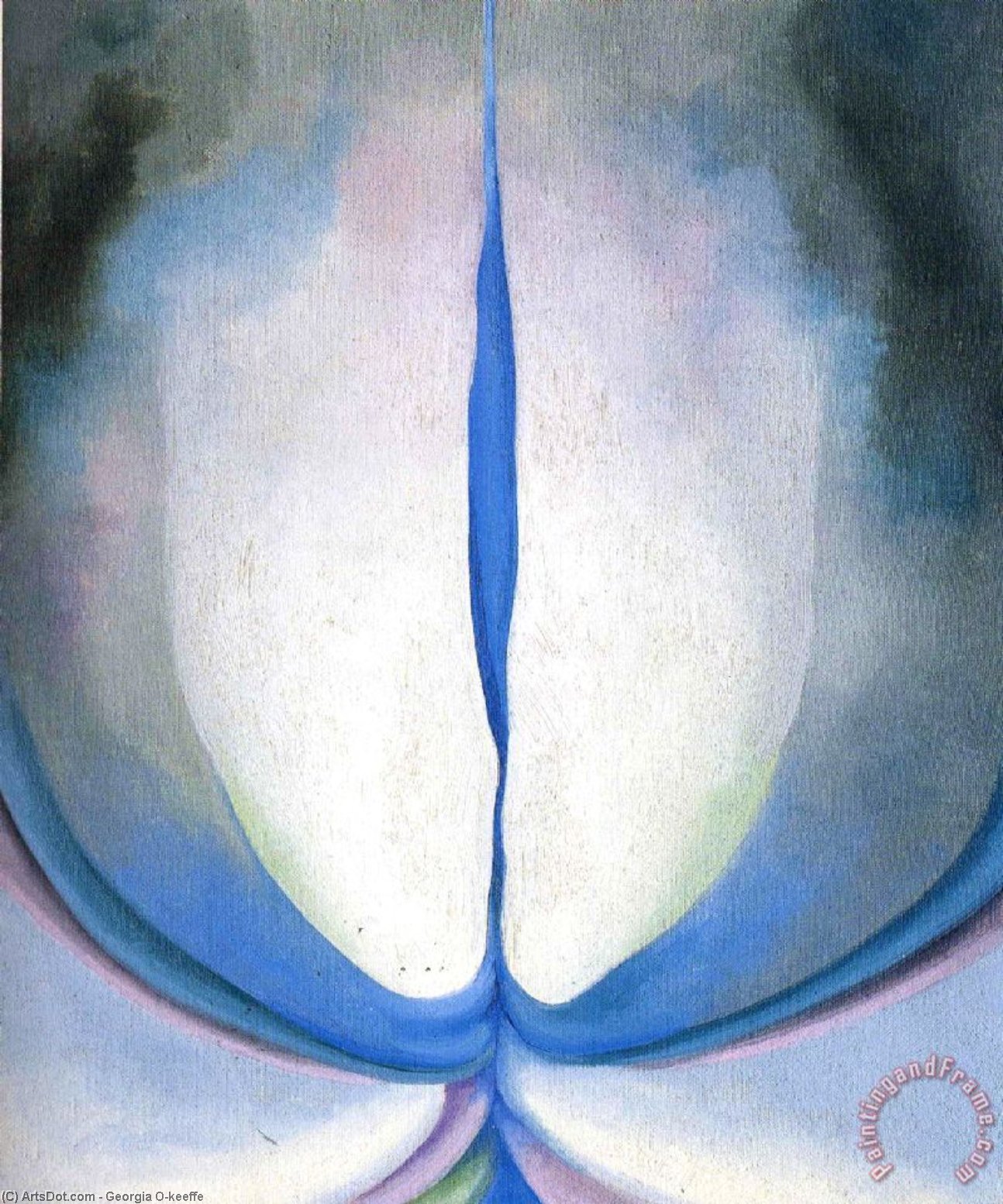
Blue Line

 더 보기
더 보기
지클레 / 아트 프린트
빠른 제작과 다양한 마감 옵션을 제공하는 박물관 품질의 지클레이 또는 캔버스 프린트. ( 손으로 그린 그림 구매 이미지 구매)




P118B $10

P118H $10

P118W $10

P438Z $10

P508JH $12

P508YH $12

P805H $10

P805Z $10

P919BZ $10

P919G $10

P919XJ $10

P959ZH $10

P968JZ $12

W106C $8

W218G $10

W218JH $8

W218Y $10

W307PJ $10

W316G $10

W316PJ $8

W316Y $10

W398PJ $8

W4111J $10

W500HY $15

W500JH $15

W692G $12

W849H $8

W940BG $15

W953PJ $8




작품의 원본 비율을 유지하는 미리 설정된 크기 중에서 선택하세요.

특정 프레임이나 공간에 맞춰 직접 치수를 입력하실 수 있습니다. 선택하신 사이즈가 원본 이미지의 비율과 일치하지 않을 경우, 작품을 크롭(자르기)하거나 이미지를 대칭 또는 단색 채우기로 확장하여 제작합니다. 제작 시작 전, 최종 확인을 위해 디지털 목업이 전송됩니다.
화면상의 미리보기는 실제 크롭이나 확장 상태를 반영하지 않으므로, 최종 구도는 오직 목업을 통해서만 정확하게 확인하실 수 있습니다.
맞춤 사이즈 제작도 가능하지만, 원본 비율을 유지하기 위해서는 사전 정의된 목록에서 치수를 선택하시는 것을 권장합니다.


 유리 옵션은 110cm 미만 크기에서만 선택 가능합니다.

Blue Line
지클레 / 아트 프린트
복제본 크기
-


최종 결제 금액
$ 62
작품 상세 설명
A Delicate Exploration: Georgia O'Keeffe’s “Blue Line”
This intimate work by Georgia O'Keeffe, simply titled “Blue Line,” is a powerful and often-discussed piece within her broader *oeuvre*. While initially appearing abstract, the painting is widely understood to be a close-up depiction of female genitalia. The stark simplicity – a fleshy, organic form bisected by a vibrant blue line – invites both contemplation and discomfort, challenging conventional representations of the body and sexuality in art. O’Keeffe consistently resisted definitive interpretations, famously stating that if people saw flowers in her paintings, they should see them; similarly, she allowed viewers to bring their own understanding to this work.Style & Technique: Modernism and Sensuous Form
“Blue Line” exemplifies O’Keeffe's signature style of American Modernism. She moved away from traditional representational painting, favoring simplified forms and a focus on the essence of her subjects. The technique is characterized by smooth, blended brushstrokes that create a sense of soft volume and tactile quality. The use of color is crucial: the warm tones of the flesh are dramatically contrasted with the cool, assertive blue line. This contrast not only draws the eye but also creates a dynamic tension within the composition. The painting’s scale (unknown, but generally these close-up studies were relatively small) further intensifies the feeling of intimacy and invites viewers to engage with the subject on a deeply personal level.Historical Context & Symbolism
Created sometime between 1916 and 1986, “Blue Line” emerged during a period of significant social and artistic change. The early 20th century witnessed increasing discussions around female sexuality and reproductive rights, though these were often shrouded in societal taboos. O’Keeffe's work can be seen as a bold contribution to this evolving discourse. The blue line itself is open to interpretation. Some view it as representing the artist’s exploration of anatomy, while others see it as a symbol of penetration or division. Regardless of its specific meaning, the line undeniably disrupts the organic form, prompting viewers to confront their own perceptions and anxieties surrounding the female body. It's important to note O'Keeffe's relationship with photographer Alfred Stieglitz; his championing of her work was pivotal in establishing her career, and together they navigated a changing artistic landscape.Emotional Impact & Lasting Legacy
“Blue Line” is not merely a depiction of anatomy; it’s an exploration of sensation, vulnerability, and power. The painting evokes a range of emotions – from curiosity and fascination to discomfort and even arousal. Its enduring appeal lies in its ambiguity and its ability to provoke dialogue. O'Keeffe’s willingness to challenge conventional norms paved the way for future generations of female artists who sought to reclaim control over their own bodies and narratives. Today, “Blue Line” remains a significant work within the canon of American Modernism, continuing to inspire and intrigue viewers with its delicate yet potent imagery. It serves as a reminder of O’Keeffe's groundbreaking contribution to art history and her unwavering commitment to exploring the complexities of human experience.


작가 약력
Early Life and Artistic Foundations
Georgia Totto O’Keeffe, a name synonymous with American modernism, emerged from the unassuming landscape of Sun Prairie, Wisconsin, in 1887. Born into a family of Irish and Hungarian descent engaged in dairy farming, young Georgia displayed an artistic inclination early on, deciding by age ten that she would dedicate her life to art. This determination was nurtured through lessons with local watercolorist Sara Mann, followed by formal studies at the School of the Art Institute of Chicago from 1905 to 1906 and later at the University of Virginia. However, it was her encounter with Arthur Wesley Dow’s principles – emphasizing personal expression and a harmonious balance of color and line – that truly ignited her artistic path. Dow's teachings steered O’Keeffe away from strict realism toward a more subjective and emotionally resonant approach to art, an approach that would define her career. These formative years weren’t without their challenges; periods of illness and dissatisfaction led her to temporarily abandon painting, but the creative impulse always drew her back, evolving with each new experience and influence.New York and the Stieglitz Circle
A pivotal moment arrived in 1916 when O’Keeffe’s abstract charcoal drawings were discovered by Alfred Stieglitz, a renowned photographer and art dealer. He exhibited her work without her prior knowledge, sparking a dialogue that would profoundly shape both their lives and the course of American art. Stieglitz recognized an exceptional talent in O’Keeffe, one that resonated with his own modernist sensibilities. He invited her to New York City in 1918, providing not only professional support but also fostering a deep personal connection. Their relationship blossomed into marriage in 1924, creating a dynamic artistic partnership and intellectual exchange. Stieglitz championed O’Keeffe’s work, showcasing it at his gallery “291” and promoting her as a leading figure in the American avant-garde. During this period, she began to develop her signature style – bold, simplified forms and intensely saturated colors – initially expressed through depictions of New York skyscrapers and, most famously, magnified flower paintings. These floral works, often interpreted (though consistently denied by O’Keeffe herself) as veiled representations of female anatomy, challenged conventional notions of beauty and sexuality in art.The Allure of the Southwest
While New York provided a crucial platform for her early success, it was the landscapes of the American Southwest that truly captivated O’Keeffe’s imagination and profoundly influenced her artistic vision. Her first visit to New Mexico in 1929 marked the beginning of a lifelong love affair with the region’s stark beauty, vibrant colors, and unique cultural heritage. The vastness of the desert, the dramatic rock formations, and the ancient Pueblo architecture resonated deeply within her, inspiring a new series of paintings that reflected the spirit of the land. Works like *Cow’s Skull: Red, White, and Blue* (1931) and *Summer Days* (1936) are powerful testaments to this influence, transforming seemingly mundane objects into iconic symbols of the American West. She eventually settled permanently in New Mexico in 1949 following Stieglitz’s death in 1946, establishing a home and studio in Abiquiu that became integral to her artistic process and identity.Her Artistic Legacy
Georgia O’Keeffe's contribution to American art is undeniable. She bravely challenged societal expectations regarding women’s roles in the arts and asserted her own distinctive voice amidst male dominance—a feat remarkable for its time. Her paintings continue to inspire awe and contemplation, captivating audiences with their audacious simplicity, profound emotional depth, and evocative imagery. O’Keeffe's unwavering devotion to her craft cemented her position as one of the most important artists of the 20th century. She paved the way for subsequent generations of female painters, encouraging them to pursue artistic expression without constraint. Her enduring fascination with nature—particularly flowers and desert landscapes—remains a source of inspiration for artists globally. Moreover, O’Keeffe's pioneering use of abstraction revolutionized visual art, demonstrating that beauty could reside in forms stripped down to their essence. Her influence extends beyond her artistic output; she became an emblem of American individualism and self-reliance, motivating countless individuals with her steadfast commitment to creativity and her singular perception of the world. Her artwork continues to resonate powerfully today, reminding us of the transformative potential of art and celebrating the enduring splendor of our natural surroundings.Notable Achievements & Recognition
- Received the National Medal of Arts in 1985 for her lifetime accomplishments as an artist
- Awarded the Presidential Medal of Freedom in 1977 by President Jimmy Carter
- Honored with the Edward MacDowell Medal in 1972

조지아 오키프
1887 - 1986 , 미국
주요 정보
- Artistic Movement Or Style: 모더니즘
- Artists Who Influenced This Artist:
- 알프레드 도우
- 알프레드 스티글리스
- Date Of Birth: November 15, 1887
- Date Of Death: March 6, 1986
- Full Name: Georgia Totto O’Keeffe
- Nationality: 미국
- Notable Artworks:
- 코브 스컬 레드 화이트 앤 블루
- 동양의 포ppies
- 램 머리 흰 홀리호크 언덕
- Place Of Birth: Sun Prairie, USA
관련 기사 더 보기

Georgia O'Keeffe: Redefining Modernism Through Symbolism & the American Landscape
Explore the captivating world of Georgia O'Keeffe! Discover her groundbreaking flower paintings, New Mexico landscapes & lasting impact on American Modernism. Expert analysis and insights.

Slate Blue Masterpieces: 10 Iconic Paintings & Timeless Home Decor Ideas
Immerse yourself in the captivating world of slate blue! Explore 10 iconic paintings by Monet, Van Gogh & Renoir. Discover their stories, techniques & find museum-quality art reproductions for your home at .

Serene Blue Backgrounds: Discover Soulful Art to Transform Your Space with Timeless Elegance
Transform your home with soulful blue art. From serene Monet impressions to modern textured sculptures, discover curated masterpieces designed to inspire calm. Explore expert art consultations and bespoke hand-painted reproductions to create your personal sanctuary.

기하학적 추상 미술을 정의한 명작 10가지 | ArtsDot.com
몬드리안, 말레비치 등 거장들의 기하학적 추상 미술 명작 10선을 만나보세요. 각 작품의 예술사적 의미와 색채, 구성을 탐구하고 ArtsDot.com에서 고품질 아트 프린트를 소장하세요. 지금 바로 온라인 컬렉션을 확인하세요!

Kandinsky's Masterpieces: 25 Paintings That Define Abstract Art | ArtsDot
Journey through Wassily Kandinsky's 25 most iconic abstract paintings. Explore his revolutionary use of color, form & spiritual expressionism. Find museum-quality Kandinsky reproductions and elevate your home decor with ArtsDot.com. Discover all masterpieces on ArtsDot.com!



