- 홈

- 캔버스 프린트
- 조르주 피에르 세라
- View of Le Crotoy from Upstream

 작품 구매하기
 공유하기
공유하기 공유하기
공유하기
 상세 정보
상세 정보

 다운로드
다운로드
 유사 작품
유사 작품 X-레이
X-레이 슬라이드 쇼
View of Le Crotoy from Upstream


 더 보기
더 보기




P118B $10

P118H $10

P118W $10

P438Z $10

P508JH $12

P508YH $12

P805H $10

P805Z $10

P919BZ $10

P919G $10

P919XJ $10

P959ZH $10

P968JZ $12

W106C $8

W218G $10

W218JH $8

W218Y $10

W307PJ $10

W316G $10

W316PJ $8

W316Y $10

W398PJ $8

W4111J $10

W500HY $15

W500JH $15

W692G $12

W849H $8

W940BG $15

W953PJ $8




작품의 원본 비율을 유지하는 미리 설정된 크기 중에서 선택하세요.

특정 프레임이나 공간에 맞춰 직접 치수를 입력하실 수 있습니다. 선택하신 사이즈가 원본 이미지의 비율과 일치하지 않을 경우, 작품을 크롭(자르기)하거나 이미지를 대칭 또는 단색 채우기로 확장하여 제작합니다. 제작 시작 전, 최종 확인을 위해 디지털 목업이 전송됩니다.
화면상의 미리보기는 실제 크롭이나 확장 상태를 반영하지 않으므로, 최종 구도는 오직 목업을 통해서만 정확하게 확인하실 수 있습니다.
맞춤 사이즈 제작도 가능하지만, 원본 비율을 유지하기 위해서는 사전 정의된 목록에서 치수를 선택하시는 것을 권장합니다.


 유리 옵션은 110cm 미만 크기에서만 선택 가능합니다.

View of Le Crotoy from Upstream
지클레 / 아트 프린트
복제본 크기
-


최종 결제 금액
-
작품 상세 설명
A Window into Tranquility: Exploring Georges Seurat’s ‘View of Le Crotoy from Upstream’
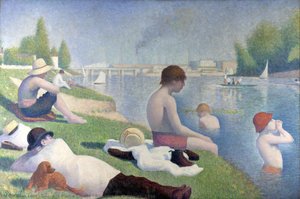
Georges Pierre Seurat, born in Paris on December 2, 1859, stands as a monumental figure in the artistic landscape of late nineteenth-century France—a pioneer who irrevocably altered the course of painting and ushered in the dawn of modern art. His tragically curtailed life yielded an astonishing output of work, primarily focused on his revolutionary technique known as Pointillism, which demanded unwavering adherence to scientific principles while simultaneously striving for unparalleled optical realism. This singular approach distinguishes Seurat from many of his contemporaries and ensures that ‘View of Le Crotoy from Upstream,’ alongside his other masterpieces, continues to resonate powerfully with audiences worldwide. The painting itself presents a deceptively simple vista: the picturesque town of Le Crotoy nestled along the Seine River, viewed from across its tranquil waters. Captured with meticulous detail, the scene depicts a sandy beach dotted with boats—a familiar motif reflecting the burgeoning leisure culture of the era—and is punctuated by buildings that contribute to the overall architectural harmony. Yet, beneath this serene surface lies a profound intellectual underpinning rooted in Seurat’s scientific investigations into color theory and perception. He wasn't merely depicting what he saw; he was actively reconstructing it through a process designed to maximize visual impact.The Science Behind Brilliance: Pointillism Explained
Seurat’s groundbreaking technique—Pointillism—was born from his fascination with the work of Eugène Chevreuil and Michel Hennessy, who had experimented with optical mixing. Rather than blending pigments on the canvas, Seurat applied tiny dots of pure color – meticulously calibrated to create an illusion of luminosity – onto successive layers of paint. This method cleverly bypasses the limitations of human perception, exploiting the phenomenon of simultaneous contrast where adjacent colors appear brighter when viewed together. The resulting image possesses a remarkable vibrancy and depth that surpasses anything achievable through traditional brushstrokes. It’s as if Seurat captured not just the visual appearance of Le Crotoy but also its very essence—a testament to his unwavering belief in the power of scientific observation.Symbolism Within Precision: Interpreting the Composition
Beyond its technical prowess, ‘View of Le Crotoy from Upstream’ carries subtle symbolic weight. The inclusion of a dog adds an element of domesticity and companionship, suggesting a connection to rural life—a counterpoint to the burgeoning urban sprawl of Paris. Furthermore, the positioning of figures on the beach invites contemplation about human presence within the natural world. Seurat's deliberate framing emphasizes the stillness of the river and the expansive sky, fostering a mood of tranquility and inviting viewers to immerse themselves in the beauty of the scene. These compositional choices underscore Seurat’s desire not merely to record a landscape but to convey an emotional response—a feeling of peaceful contemplation inspired by the sublime grandeur of nature.A Legacy of Light: Why ‘View of Le Crotoy from Upstream’ Matters Today
‘View of Le Crotoy from Upstream’ remains remarkably relevant in contemporary art discourse. It exemplifies the core tenets of Impressionism's successor, Neo-Impressionism—a movement that sought to refine and elevate Impressionistic ideals through rigorous scientific methodology. Seurat’s unwavering commitment to optical truth established a precedent for artists exploring new avenues of expression while retaining an appreciation for visual beauty. Reproductions of this iconic artwork offer collectors and interior designers alike the opportunity to experience firsthand the transformative power of Pointillism—a technique that continues to inspire awe and admiration for its unparalleled luminosity and textural complexity. It serves as a poignant reminder that true artistic innovation arises from both intellectual curiosity and profound sensitivity to the visual world.유사한 작품들


작가 약력
빛과 과학의 조화: 조르주 세라의 삶과 예술
조르주 피에르 세라는 1859년 파리에서 태어나 1891년에 짧지만 강렬한 빛을 잃은 프랑스의 화가이자 드로잉 작가입니다. 그의 대표작인 그랑드 자트 섬에서의 일요일 오후(1884-1886)는 현대 미술의 흐름을 완전히 바꾸어 놓았으며, 점묘법(Pointillism)이라는 혁신적인 기법을 통해 빛과 색채를 표현하는 새로운 가능성을 열었습니다. 세라는 단순한 회화가를 넘어 과학적 탐구와 예술적 감성이 완벽하게 조화를 이룬 선구자였습니다. 그의 삶은 끊임없는 실험 정신과 섬세한 관찰력, 그리고 빛에 대한 깊은 이해로 점철되어 있습니다. 어린 시절부터 그림 그리기에 재능을 보였던 세라는 앙리 레망의 지도를 받아 전통적인 회화 기법을 익혔지만, 곧 그것으로는 충분치 않다는 것을 깨닫고 색채와 빛에 대한 과학적 연구에 몰두하기 시작했습니다. 미셸 외귀외를 비롯한 색채 이론가들의 저서를 탐독하며 색채의 혼합과 시각적 효과에 대한 깊이 있는 이해를 쌓았고, 이는 그의 독창적인 점묘법 탄생의 토대가 되었습니다.학문적 기반에서 빛나는 혁신으로
세라의 예술적 발전은 갑작스러운 변화가 아닌 꾸준한 탐구와 실험을 통해 이루어진 진화였습니다. 초기에는 전통적인 회화 교육을 받으며 인상파 화가들의 영향을 받았지만, 점차 과학적인 접근 방식을 추구하며 자신만의 독특한 길을 개척했습니다. 그는 색채의 혼합이 캔버스 위에서 이루어지는 것이 아니라 관찰자의 눈에서 일어나는 현상이라는 것을 깨달았습니다. 이러한 이해를 바탕으로 세라는 작은 점들의 순수한 색채를 나란히 배치하여, 관찰자가 그 점들을 바라볼 때 색채가 시각적으로 혼합되어 빛나는 효과를 만들어내는 점묘법을 창시했습니다. 이 기법은 단순히 색상을 더 밝게 만드는 것을 넘어, 인간의 시각 시스템이 빛과 색채를 어떻게 인식하는지를 과학적으로 분석하고 이를 회화에 적용한 결과였습니다. 생-오엥 풍경(1882-1883)과 같은 초기 작품에서부터 세라의 점묘법은 서서히 발전해 왔으며, 그의 섬세한 드로잉 기법은 콩테 연필을 사용하여 종이에 미묘한 음영을 표현하는 데 활용되었습니다.혁신의 정수: 주요 작품과 예술적 비전
세라의 예술적 탐구의 절정기는 그랑드 자트 섬에서의 일요일 오후(1884-1886)에 명확하게 드러납니다. 이 기념비적인 작품은 점묘법을 가장 완벽하게 구현한 걸작으로 평가받으며, 파리 시민들이 센 강변에서 여가를 즐기는 모습을 담고 있습니다. 캔버스 위에 섬세하게 배치된 수많은 점들은 빛과 색채가 공기 중에 떠다니는 듯한 착각을 불러일으키며, 평화롭고 고요한 분위기를 자아냅니다. 생-데니의 보리밭(1886-1887)은 농촌 풍경에 점묘법을 적용한 작품으로, 세라가 색채 이론을 통해 자연의 아름다움을 표현하고자 했던 의도를 보여줍니다. 또한, 초기 작품인 아스니에르의 목욕하는 사람들(1884)은 그의 스타일이 발전해가는 과정을 엿볼 수 있게 하며, 에펠탑(1889)과 같은 현대적인 도시 풍경을 점묘법으로 표현하며 산업 시대의 새로운 미학을 제시했습니다. 이 작품들은 단순한 장면의 재현이 아닌, 색채와 빛에 대한 과학적 탐구를 통해 만들어진 시각적 실험작품입니다.영원한 유산: 영향력과 역사적 의의
비록 짧은 생애였지만(31세), 세라가 남긴 예술적 업적은 현대 미술사에 지대한 영향을 미쳤습니다. 그의 혁신적인 기법은 전통적인 회화 관습에 도전하며 수많은 후대 화가들에게 영감을 주었습니다. fauve회화 단체의 화가들은 세라의 색채 사용에서 영향을 받아 대담하고 표현적인 색채를 탐구했으며, 입체파 화가들은 형태를 분해하고 재구성하는 데 그의 점묘법을 응용했습니다. 또한 추상표현주의 화가들에게도 세라의 작품은 자유로운 표현과 실험 정신을 고취시키는 중요한 영감을 제공했습니다. 세라는 과학적인 접근 방식을 통해 예술의 가능성을 확장했으며, 지성과 감성이 조화를 이룬 현대 미술의 새로운 지평을 열었습니다. 그의 작품들은 오늘날에도 빛과 색채에 대한 끊임없는 탐구와 인간 삶의 아름다움을 담아내며 관객들에게 깊은 감동과 영감을 선사하고 있습니다. 세라는 단순한 회화가를 넘어, 예술과 과학이 융합된 새로운 시대의 선구자로서 그의 유산은 영원히 지속될 것입니다.
조르주 피에르 세라
1859 - 1891 , 프랑스
주요 정보
- 국적: 프랑스
- 대표 작품:
- 그랑드 자테 섬에서의 일요일 오후
- 아스니에르의 수영 선수들
- 생트오엔 풍경
- 사망일: 1891년 3월 29일
- 영향을 받은 예술 사조:
- 포비즘
- 입체주의
- 추상 표현주의
- 영향을 준 예술가:
- 미셸 외브뢰유
- 오든 루드
- 예술 사조: 신인상주의, 점묘법
- 전체 이름: 조르주 피에르 세라
- 출생일: 1859년 12월 2일
- 출생지: 파리, 프랑스
관련 기사 더 보기

조르주 쇠라 대표작 25선: 빛과 색의 혁신, 당신의 공간에 예술을 더하세요
조르주 쇠라의 대표작 25선을 만나보세요. 점묘법의 혁신과 빛, 색채의 아름다움이 담긴 명작들을 감상하고, 인테리어에 예술적인 영감을 더하세요. ArtsDot.com에서 고품질 미술 작품을 컬렉션해보세요.

Beyond Impressionism: Exploring the Emotional Depth of Post-Impressionist Painting
Explore the profound emotional depth & innovative techniques of Post-Impressionism with ArtsDot. Discover Cézanne, Van Gogh, Gauguin & more – and their lasting impact on modern art.
Henri Martin: A Synthesis of Impressionism & Symbolism in the French Landscape Tradition
Explore the captivating world of Henri Martin, a French Post-Impressionist bridging Impressionism & Symbolism. Discover his unique style, influential landscapes, and lasting legacy with ArtsDot.

Georges Seurat: Pointillism, Perception & the Scientific Foundations of Modern Art
Explore the revolutionary art of Georges Seurat and the science behind Pointillism. Discover chromoluminarism, optical mixing, and the lasting impact of Neo-Impressionism on modern art history.

Camille Pissarro: Pioneer of Impressionism & Father of Modern Art – A Legacy Explored
Explore the life & art of Camille Pissarro, a pivotal figure in Impressionism and Post-Impressionism. Discover his techniques, influences, and lasting legacy on modern painting. Learn more at ArtsDot.