


 미리보기
미리보기
 공유하기
공유하기 공유하기
공유하기
 상세 정보
상세 정보 가이드 보기

 다운로드
다운로드
 유사 작품
유사 작품 X-레이
X-레이 슬라이드 쇼
 통계 정보
통계 정보The Garbage Picker
 Acrylic
- WallArt
- Pointillist Precision
 1888
1888 30.0 x 23.0 cm
 더 보기
더 보기
수제 유화 복제품
원하는 크기와 액자로 주문 제작되는, 작가들이 직접 캔버스에 손으로 그린 유화 작품입니다. ( 프린트 판매로 전환 디지털 이미지로 전환)




P118B $10

P118H $10

P118W $10

P438Z $10

P508JH $12

P508YH $12

P805H $10

P805Z $10

P919BZ $10

P919G $10

P919XJ $10

P959ZH $10

P968JZ $12

W106C $8

W218G $10

W218JH $8

W218Y $10

W307PJ $10

W316G $10

W316PJ $8

W316Y $10

W398PJ $8

W4111J $10

W500HY $15

W500JH $15

W692G $12

W849H $8

W940BG $15

W953PJ $8




작품의 원본 비율을 유지하는 미리 설정된 크기 중에서 선택하세요.

특정 프레임이나 공간에 맞도록 직접 크기를 입력할 수 있습니다. 선택하신 크기가 원본 이미지의 비율과 일치하지 않는 경우, 작품을 자르거나 추가적인 손으로 그린 요소를 사용하여 그림을 확장합니다. 제작 시작 전 승인을 위해 디지털 목업을 보내드립니다.
화면 미리 보기는 실제 자르기 또는 확장을 반영하지 않습니다. 최종 구성은 목업을 통해서만 정확하게 확인하실 수 있습니다.
맞춤 크기 제작도 가능하지만, 원본 비율을 유지하기 위해 사전 정의된 목록에서 크기를 선택하시는 것을 권장합니다.
주문 후 ArtsDot.com 팀에서 상세 안내를 위해 고객님께 이메일을 보내드리며, 미리보기 시안을 제공해 드립니다.


 유리 옵션은 110cm 미만 크기에서만 선택 가능합니다.

The Garbage Picker
재현 기법
복제본 크기
-


최종 결제 금액
$ 263
A Moment Frozen in Light: Exploring Georges Seurat’s “The Garbage Picker”
Georges Pierre Seurat's "The Garbage Picker," painted in 1888, stands as a testament to the burgeoning intellectual curiosity of late Impressionism and marks a decisive step toward the groundbreaking artistic movement that would become Pointillism. More than just a depiction of manual labor—a common subject in French painting at the time—the artwork embodies Seurat’s unwavering commitment to scientific observation and his revolutionary approach to color theory, offering viewers an experience far richer than mere visual representation.- Subject Matter: The scene portrays a solitary figure diligently engaged in garbage collection outside of Paris. This seemingly mundane activity serves as a backdrop for capturing the subtle interplay of light and atmosphere—a characteristic that distinguishes Seurat’s work from its Impressionistic predecessors who prioritized capturing fleeting impressions of color and light.
- Style: Pointillism, championed by Seurat alongside Paul Signac, represents a radical departure from traditional painting methods. Rather than blending colors on the canvas, artists like Seurat meticulously apply tiny dots of pure pigment—often juxtaposed strategically—to create an illusion of luminosity and depth. This technique draws heavily upon optical theories developed by Eugène Chevreuil and Michel Hessayon, aiming to stimulate the eye’s ability to synthesize color perception.
- Technique: The execution of “The Garbage Picker” exemplifies Pointillist precision. Seurat employed a grid system to divide the canvas into squares, meticulously applying dots of complementary colors—primarily ochre and ultramarine—to achieve maximum visual impact. This painstaking process demanded considerable patience and technical skill, resulting in an astonishingly textured surface that appears deceptively simple at first glance.
Historical Context: The Dawn of Scientific Painting
The painting emerged during a period of significant intellectual ferment within France—the Belle Époque—characterized by advancements in science and psychology. Artists like Seurat were actively engaged in exploring how the human eye perceives color, influenced by theories concerning retinal illumination and chromatic blending. This scientific underpinning is palpable in “The Garbage Picker,” where Seurat’s meticulous attention to detail reflects a desire not merely to record what he sees but to recreate the very essence of visual experience. The artwork speaks to the broader cultural preoccupation with understanding the natural world through empirical observation—a trend that foreshadowed the rise of Cubism and other avant-garde movements.Symbolic Resonance: Beyond the Everyday
Despite its seemingly unremarkable subject matter, “The Garbage Picker” possesses a subtle symbolic dimension. The solitary figure embodies resilience and perseverance amidst the commonplace realities of urban life—a theme that resonates with broader humanist concerns prevalent in late nineteenth-century art. Furthermore, the careful arrangement of colors contributes to an emotional atmosphere of quiet contemplation and understated dignity. Seurat’s masterful use of complementary hues evokes feelings of warmth and coolness simultaneously, creating a harmonious balance that underscores the painting's contemplative mood.Emotional Impact: Capturing Transient Beauty
Ultimately, “The Garbage Picker” transcends its depiction of manual labor to convey a profound appreciation for beauty found in unexpected places. Seurat’s innovative technique—the application of countless dots of pigment—transforms what might appear as an ordinary scene into an extraordinary visual experience. The resulting surface shimmer with reflected light, inviting viewers to linger on the canvas and contemplate the delicate interplay between color and texture. Like all great art, it prompts reflection on the human condition and celebrates the transformative power of artistic vision. It’s a piece that reminds us that beauty can be discovered even in the simplest gestures of daily life—a legacy of Georges Seurat's unwavering dedication to capturing the elusive essence of light and color.유사한 작품들


작가 약력
빛과 과학의 조화: 조르주 세라의 삶과 예술
조르주 피에르 세라는 1859년 파리에서 태어나 1891년에 짧지만 강렬한 빛을 잃은 프랑스의 화가이자 드로잉 작가입니다. 그의 대표작인 그랑드 자트 섬에서의 일요일 오후(1884-1886)는 현대 미술의 흐름을 완전히 바꾸어 놓았으며, 점묘법(Pointillism)이라는 혁신적인 기법을 통해 빛과 색채를 표현하는 새로운 가능성을 열었습니다. 세라는 단순한 회화가를 넘어 과학적 탐구와 예술적 감성이 완벽하게 조화를 이룬 선구자였습니다. 그의 삶은 끊임없는 실험 정신과 섬세한 관찰력, 그리고 빛에 대한 깊은 이해로 점철되어 있습니다. 어린 시절부터 그림 그리기에 재능을 보였던 세라는 앙리 레망의 지도를 받아 전통적인 회화 기법을 익혔지만, 곧 그것으로는 충분치 않다는 것을 깨닫고 색채와 빛에 대한 과학적 연구에 몰두하기 시작했습니다. 미셸 외귀외를 비롯한 색채 이론가들의 저서를 탐독하며 색채의 혼합과 시각적 효과에 대한 깊이 있는 이해를 쌓았고, 이는 그의 독창적인 점묘법 탄생의 토대가 되었습니다.학문적 기반에서 빛나는 혁신으로
세라의 예술적 발전은 갑작스러운 변화가 아닌 꾸준한 탐구와 실험을 통해 이루어진 진화였습니다. 초기에는 전통적인 회화 교육을 받으며 인상파 화가들의 영향을 받았지만, 점차 과학적인 접근 방식을 추구하며 자신만의 독특한 길을 개척했습니다. 그는 색채의 혼합이 캔버스 위에서 이루어지는 것이 아니라 관찰자의 눈에서 일어나는 현상이라는 것을 깨달았습니다. 이러한 이해를 바탕으로 세라는 작은 점들의 순수한 색채를 나란히 배치하여, 관찰자가 그 점들을 바라볼 때 색채가 시각적으로 혼합되어 빛나는 효과를 만들어내는 점묘법을 창시했습니다. 이 기법은 단순히 색상을 더 밝게 만드는 것을 넘어, 인간의 시각 시스템이 빛과 색채를 어떻게 인식하는지를 과학적으로 분석하고 이를 회화에 적용한 결과였습니다. 생-오엥 풍경(1882-1883)과 같은 초기 작품에서부터 세라의 점묘법은 서서히 발전해 왔으며, 그의 섬세한 드로잉 기법은 콩테 연필을 사용하여 종이에 미묘한 음영을 표현하는 데 활용되었습니다.혁신의 정수: 주요 작품과 예술적 비전
세라의 예술적 탐구의 절정기는 그랑드 자트 섬에서의 일요일 오후(1884-1886)에 명확하게 드러납니다. 이 기념비적인 작품은 점묘법을 가장 완벽하게 구현한 걸작으로 평가받으며, 파리 시민들이 센 강변에서 여가를 즐기는 모습을 담고 있습니다. 캔버스 위에 섬세하게 배치된 수많은 점들은 빛과 색채가 공기 중에 떠다니는 듯한 착각을 불러일으키며, 평화롭고 고요한 분위기를 자아냅니다. 생-데니의 보리밭(1886-1887)은 농촌 풍경에 점묘법을 적용한 작품으로, 세라가 색채 이론을 통해 자연의 아름다움을 표현하고자 했던 의도를 보여줍니다. 또한, 초기 작품인 아스니에르의 목욕하는 사람들(1884)은 그의 스타일이 발전해가는 과정을 엿볼 수 있게 하며, 에펠탑(1889)과 같은 현대적인 도시 풍경을 점묘법으로 표현하며 산업 시대의 새로운 미학을 제시했습니다. 이 작품들은 단순한 장면의 재현이 아닌, 색채와 빛에 대한 과학적 탐구를 통해 만들어진 시각적 실험작품입니다.영원한 유산: 영향력과 역사적 의의
비록 짧은 생애였지만(31세), 세라가 남긴 예술적 업적은 현대 미술사에 지대한 영향을 미쳤습니다. 그의 혁신적인 기법은 전통적인 회화 관습에 도전하며 수많은 후대 화가들에게 영감을 주었습니다. fauve회화 단체의 화가들은 세라의 색채 사용에서 영향을 받아 대담하고 표현적인 색채를 탐구했으며, 입체파 화가들은 형태를 분해하고 재구성하는 데 그의 점묘법을 응용했습니다. 또한 추상표현주의 화가들에게도 세라의 작품은 자유로운 표현과 실험 정신을 고취시키는 중요한 영감을 제공했습니다. 세라는 과학적인 접근 방식을 통해 예술의 가능성을 확장했으며, 지성과 감성이 조화를 이룬 현대 미술의 새로운 지평을 열었습니다. 그의 작품들은 오늘날에도 빛과 색채에 대한 끊임없는 탐구와 인간 삶의 아름다움을 담아내며 관객들에게 깊은 감동과 영감을 선사하고 있습니다. 세라는 단순한 회화가를 넘어, 예술과 과학이 융합된 새로운 시대의 선구자로서 그의 유산은 영원히 지속될 것입니다.
조르주 피에르 세라
1859 - 1891 , 프랑스
주요 정보
- 국적: 프랑스
- 대표 작품:
- 그랑드 자테 섬에서의 일요일 오후
- 아스니에르의 수영 선수들
- 생트오엔 풍경
- 사망일: 1891년 3월 29일
- 영향을 받은 예술 사조:
- 포비즘
- 입체주의
- 추상 표현주의
- 영향을 준 예술가:
- 미셸 외브뢰유
- 오든 루드
- 예술 사조: 신인상주의, 점묘법
- 전체 이름: 조르주 피에르 세라
- 출생일: 1859년 12월 2일
- 출생지: 파리, 프랑스
관련 기사 더 보기

Impressionistic Landscapes: 10 Masterpieces That Changed Art & Decor
Journey into the heart of Impressionism! Explore 10 masterpieces by Monet, Renoir & Degas that revolutionized landscape art. Discover their stories, techniques & find museum-quality reproductions to elevate your home decor on ArtsDot.com.

Georges Seurat: Pointillism, Perception & the Scientific Foundations of Modern Art
Explore the revolutionary art of Georges Seurat and the science behind Pointillism. Discover chromoluminarism, optical mixing, and the lasting impact of Neo-Impressionism on modern art history.

조르주 쇠라 대표작 25선: 빛과 색의 혁신, 당신의 공간에 예술을 더하세요
조르주 쇠라의 대표작 25선을 만나보세요. 점묘법의 혁신과 빛, 색채의 아름다움이 담긴 명작들을 감상하고, 인테리어에 예술적인 영감을 더하세요. ArtsDot.com에서 고품질 미술 작품을 컬렉션해보세요.
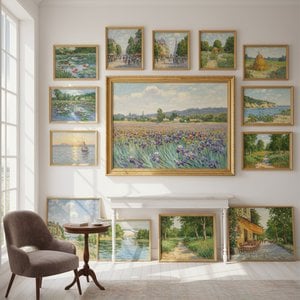
인상주의 풍경화의 황홀한 순간들: 10대 걸작에 담긴 예술혼
인상주의 풍경화의 정수를 담은 10대 걸작! 모네, 르누아르 등 거장의 작품 비하인드 스토리와 예술혼을 만나보세요. ArtsDot에서 고품격 미술 복제 및 인테리어 영감을 얻고, 당신의 공간에 예술적 감성을 더하세요. 지금 바로 ArtsDot.com에서 모든 걸작을 발견해보세요!

조르주 브라크의 걸작 25선: 예술과 공간을 초월하는 시선 | ArtsDot
조르주 브라크의 시대를 초월한 25개의 걸작을 만나보세요. 입체주의를 개척한 프랑스 화가의 예술 세계와 숨겨진 이야기를 ArtsDot에서 감상하고, 명작 유화 복제본으로 공간에 특별함을 더하세요. 지금 바로 컬렉션을 탐험하세요!


