


선택하신 옵션에 따른 작품 정보입니다: , .
수집품 상세 설명
조르주 브라크의 입체주의 걸작 ‘바이올린과 팔레트’를 만나보세요. 파편화된 형태와 차분한 대지의 색조, 그리고 현대 미술을 향한 작가의 혁신적인 접근 방식을 탐구할 수 있습니다.
 더 보기
더 보기
핸드메이드 유화 복제화
작가가 직접 캔버스에 손으로 그린 유화 작품으로, 원하는 크기와 액자로 맞춤 제작해 드립니다. ( 프린트 판매로 전환 디지털 이미지로 전환)
본 작품은 저작권법의 보호를 받습니다.
이 페이지에 표시된 작품은 저작권법의 보호를 받으며, 이에 따라 동일한 복제품을 제작하거나 판매하는 것은 법으로 금지되어 있습니다. 이러한 권리 보호는 다음과 같은 국제 협약에 따라 시행됩니다. 베른 협약 또한 다음에서 명시하는 법률을 포함한 국내법에 의해 보호됩니다. 미국 저작권법 제17조.
저희는 존중을 담은 합법적인 대안으로서, 원작에서 영감을 받은 맞춤형 수제 유화 작품을 제공합니다. 저희의 숙련된 전문 화가들은 원작의 스타일, 분위기, 예술적 정수를 면밀히 연구하여, 그 자체로 독창적인 창작물이면서도 원작과 동일한 감동을 불러일으키는 새로운 작품을 만들어냅니다.
이 방식은 저작권 보호를 받는 예술 작품을 복제하거나 그대로 재현하는 것이 아니기에 저작권 규정을 완벽히 준수합니다. 대신, 이는 창의적인 재해석의 과정을 거칩니다. 즉, 원작에서 영감을 받되 원작과 동일하지 않은 새로운 회화 작품을 의미합니다.
이 작품에 대해 더 알아보기
 미리보기
미리보기
 공유하기
공유하기 공유하기
공유하기
 상세 정보
상세 정보 가이드 보기

 다운로드
다운로드
 유사 작품 더 보기
 X-레이
X-레이 슬라이드 쇼 보기
 질의응답
질의응답 통계 정보
통계 정보단 네 단계로 완성되는 간편한 작품 주문 방법
천천히 진행하셔도 좋습니다. 답변은 언제든 변경할 수 있으며, 선택 사항에 따라 주문 카드 내의 가격이 실시간으로 반영됩니다.
1 4단계 중 1단계
원하시는 사이즈를 선택해 주세요.
이 사이즈들은 원작의 비율을 그대로 유지합니다. 그림 속 예시는 2미터 길이의 소파 위 벽면에 선택하신 작품을 배치했을 때의 모습입니다.
또는 직접 치수 입력하기
작품의 원본 비율을 그대로 유지하는 프리셋 사이즈 중에서 선택해 보세요.

액자나 벽면 크기에 맞춰 필요한 가로와 세로 길이를 입력해 주세요. 본 작품은 수작업으로 제작되므로, 요청하신 비율에 따라 작가가 그림의 가장자리를 조금 더 넓게 그리거나 일부를 조정하여 작업할 수 있습니다. 작업 시작 전, 최종 확인을 위해 디지털 목업 이미지를 보내드립니다. 이 페이지에 표시된 이미지는 실제 결과물과 다를 수 있으며, 오직 목업 이미지만이 정확한 결과물을 보여줍니다.
2 4단계 중 2단계
어떤 방식으로 준비해 드릴까요: 롤 형태로, 캔버스에 씌워서, 또는 액자에 넣어?
아래 가격은 첫 번째 단계에서 선택하신 크기를 기준으로 합니다.
캔버스 옆면 스타일 선택
프레임을 선택하세요

화이트 테두리 ₩1

블러사이드 ₩1

옆면 확장형 ₩1

P118B ₩10

P118H ₩10

P118W ₩10

P438Z ₩10

P508JH ₩12

P508YH ₩12

P805H ₩10

P805Z ₩10

P919BZ ₩10

P919G ₩10

P919XJ ₩10

P959ZH ₩10

P968JZ ₩12

W106C ₩8

W218G ₩10

W218JH ₩8

W218Y ₩10

W307PJ ₩10

W316G ₩10

W316PJ ₩8

W316Y ₩10

W398PJ ₩8

W4111J ₩10

W500HY ₩15

W500JH ₩15

W692G ₩12

W849H ₩8

W940BG ₩15

W953PJ ₩8

H24-GOLD ₩30

H24-SILVER ₩30

H36-GOLD ₩45

H36-SILVER ₩45
액자형
몰딩: . 액자 포함 전체 크기: .
3 4단계 중 3단계
그림에서 변경하고 싶은 부분이 있으신가요?
대부분의 사람들은 아니라고 답합니다. 모든 작품은 수작업으로 제작되기에, 저희 작가는 고객님의 요청에 맞춰 작품을 변경해 드릴 수도 있습니다.
주문 완료 후, ArtsDot.com 팀에서 상세 안내를 위해 고객님께 이메일을 보내드리며, 시안 미리보기를 제공해 드립니다.
4 4단계 중 4단계
몇 가지 마감 옵션
모두 선택 사항입니다. 이미 선택된 답변에 대해서는 추가 비용이 발생하지 않습니다.
작가는 누구인가요?
박물관에 있는 것과 같은 명판을 원하시나요?
동판 각인 상세 정보
This elegant plaque features the artist's name and the title of the artwork, finely engraved for a timeless presentation.
It is made from bronze with a refined, elegant finish. The text is precisely laser-engraved for a sharp and permanent result. Measuring 9x2 cm, the plaque is compact yet easy to read. It's built to be durable and scratch-resistant, offering a professional, museum-quality look. Mounting is simple thanks to the included adhesive backing.
투명 아크릴 명판 상세 정보
The plaque includes essential engraved details such as the artist's name, the title of the artwork, the date it was created, the type of media used-like oil on canvas or watercolor-a brief description of the piece, and a QR code that links to the complete artwork information.
It is crafted from clear acrylic, offering a sleek, modern appearance. The text is UV-engraved in black to ensure strong visual contrast. With a size of 10x15 cm, it ensures optimal readability. It comes equipped with two metal hooks for secure wall mounting. The plaque is designed to be weather-resistant, making it suitable for various environments, and it includes interactive features that work seamlessly with smartphone scanning.
블랙 아크릴 명판 상세 정보
This elegant plaque includes engraved information such as the artist's name, the title of the artwork, the date it was created, the type of media used (like oil on canvas or watercolor), a short description of the artwork, and a QR code for quick access to more information.
The plaque itself is made from refined black acrylic with a premium finish. The text is laser-engraved in white for high contrast and readability. Its size is 10x15 cm, designed to be easy to read. It comes with two metal hooks for professional mounting. The design is sleek and fits any interior style. It is also weather-resistant and durable, with built-in digital integration for mobile compatibility.
보호용 바니시를 선택하시겠습니까?
언제 받기를 원하시나요?
✓ 확인 및 주문하기
주문하신 그대로의 작품

바이올린과 팔레트
재현 기법
복제본 크기
-

엄선된 시니어 아티스트
더욱 세밀한 묘사와 정교함, 그리고 충분한 제작 시간
-

복제화 액자 구성
-
-
가로 또는 세로 중 어느 한 면이라도 105cm(약 41인치)를 초과하는 작품이나 복제화의 경우, 프레임은 분해된 키트 형태로 배송됩니다. 이는 안전한 배송을 보장하고 운송 중 발생할 수 있는 손상을 방지하기 위함입니다.
전문가 조립 권장 - 본 제품은 DIY용이 아닙니다.
해당 키트는 숙련된 전문 프레임 제작자가 목공용 풀(별도 구매), 캔버스 스트레칭 플라이어 및 풀이 마르는 동안 나무 틀의 수평을 유지할 클램프를 사용하여 캔버스를 팽팽하게 고정하고 조립해야 합니다. 잘못된 조립이나 불균형한 캔버스 장력은 작품에 영구적인 손상을 입힐 수 있으며, 이로 인한 손상은 보증 범위에 포함되지 않습니다.
 가로 또는 세로 중 어느 한 면이라도 105cm(약 41인치)를 초과하는 작품이나 복제화의 경우, 프레임은 분해된 키트 형태로 배송됩니다. 이는 안전한 배송을 보장하고 운송 중 발생할 수 있는 손상을 방지하기 위함입니다.
모든 원목 부재가 포함되어 있으며, 조립에 딱 맞게 정밀하게 재단되었습니다.
제공된 나사와 함께, 별도로 준비해야 하는 모서리 접합부용 목공용 풀을 사용하여 조립합니다. (목공용 풀은 포함되어 있지 않으므로 제작자께서 직접 준비해 주셔야 합니다.)
전문가용 도구가 필요하며 키트에 포함되어 있지 않습니다: 캔버스 스트레칭 플라이어(텐셔너)와 접착제가 마르는 동안 나무 틀의 수평을 유지하기 위한 클램프가 필요합니다.
주의사항:
모서리 접합부에는 목공용 풀이 필요하며, 풀이 완전히 마를 때까지 클램프로 바(bar)를 고정해야 합니다. 또한 조립된 프레임에 캔버스를 팽팽하게 당기려면 캔버스 스트레칭 플라이어가 필요합니다. 이 제품들 중 어느 것도 키트에 포함되어 있지 않습니다. 이 사이즈를 주문하시기 전에 숙련된 전문 액자 제작업체를 미리 섭외하시기 바랍니다.

작품 설명문
-
-

보호용 바니시
유광 바니시(색감을 선명하게 하며 빛과 습기로부터 보호함)
-

내 작품 맞춤 설정
변경 가능한 예시: 얼굴을 고객의 사진으로 교체, 반려동물 추가(예: 고양이를 강아지로 변경), 배경에 숨겨진 메시지 삽입, 배경 풍경 또는 요소 변경.
-

빠른 배송
전 세계 배송()은 기존 5주의 표준 기간 대신 3~4주 내에 완료됩니다. (6 11월). 품질에는 어떠한 타협도 하지 않습니다.
-
특급 배송
전 세계 배송(): 약 5주 소요 (13 11월).
포함됨
최종 결제 금액
₩ 353036
유리 옵션은 110cm 미만 크기에서만 선택 가능합니다.
모든 주문에 포함되는 혜택
- 전 세계 무료 특급 배송
- 프리미엄 린넨 캔버스
- 배송 전 과정 보험 적용
- 관세 및 수입세 환급 보장 서비스
- 원본과 동일한 색상 구현 보장
- 100일 이내 반품 정책 (결함 발생 시)
- 100% 환불 보장
- 다량 구매 할인 혜택


Exploring the Subject and Composition
This captivating artwork presents a dynamic still life scene, likely featuring musical instruments such as a violin and a palette, arranged in a fragmented, abstracted manner. The composition invites viewers to explore a layered interplay of forms, where familiar objects are deconstructed into geometric facets. The subject matter celebrates artistic and musical creation, symbolizing harmony, creativity, and the interconnectedness of artistic elements. Its intriguing arrangement encourages a contemplative engagement, revealing the beauty in everyday objects through a modernist lens.Style and Technique: A Masterpiece of Cubism
Created in 1910, this piece exemplifies the pioneering principles of Cubism, characterized by fractured geometric forms and multiple perspectives. The artist employs a subdued, earthy color palette—browns, beiges, greens, and grays—that enhances the organic and natural feel of the composition. Visible brushstrokes and varied textures add vitality and spontaneity, emphasizing the tactile quality of the surface. The angular lines and overlapping shapes create a sense of depth and movement, challenging traditional notions of spatial coherence and inviting viewers to see familiar objects from multiple viewpoints simultaneously.Historical Context and Artistic Significance
Produced during a pivotal period in modern art history, this work reflects the revolutionary spirit of early 20th-century experimentation. Georges Braque, along with Pablo Picasso, was at the forefront of developing Cubism—an innovative movement that redefined artistic representation. This painting captures the essence of the analytical phase of Cubism, where objects are broken down into geometric facets and reassembled to depict multiple perspectives within a single plane. As a cornerstone of modernist art, it embodies the shift towards abstraction and the exploration of new visual languages that continue to influence contemporary art.Symbolism and Emotional Impact
Beyond its technical mastery, this artwork evokes themes of harmony, contemplation, and artistic expression. The fractured forms symbolize the complexity of perception and the multifaceted nature of reality. The earthy tones foster a sense of groundedness and organic vitality, while the energetic composition stimulates curiosity and introspection. For collectors and interior designers, this piece offers a sophisticated focal point that infuses any space with modern elegance and intellectual depth, inspiring viewers to see the world through a new, multifaceted perspective.A Unique Addition for Art Lovers and Collectors
Perfect for those who appreciate groundbreaking modern art, this high-quality reproduction allows you to bring a piece of art history into your collection or interior space. Its timeless style and profound symbolism make it an ideal centerpiece for galleries, living rooms, or offices seeking to evoke creativity and innovation. Whether displayed as a standalone statement or part of a curated collection, this artwork promises to inspire and captivate, offering a lasting testament to the revolutionary spirit of early Cubism.



브라크
1882 - 1963, 프랑스
작가 정보
Georges Braque (1882-1963): Cubism Pioneer & Fauvism Master
Georges Braque, geboren in Argenteuil, Frankreich, im Jahr 1882, begann eine Reise tief verwurzelt im sich entwickelnden Landschaftsbild der modernen Kunst. Seine Kindheit innerhalb einer Familie von Hausmalern und Dekorateuren vermittelte ihm nicht nur technische Meisterschaft über Materialien sondern auch eine frühe Wertschätzung für Form und Struktur. Obwohl er zunächst seinem Vater folgte dessen Beruf, führten seine natürlichen künstlerischen Neigungen ihn bald zu einer akademischen Ausbildung am École des Beaux-Arts in Le Havre ein und markierten damit den Beginn seiner Suche nach einem der bedeutendsten Maler des 20. Jahrhunderts.
Er zog 1902 nach Paris um und setzte sein Studium an der Académie Humbert fort indem er sich in der lebhaften künstlerischen Umgebung der Stadt umsuchte. Hier traf er Künstler wie Marie Laurencin und Francis Picabia und gründete Verbindungen, die seine frühe Entwicklung prägten. Seine ersten Arbeiten reflektierten die vorherrschenden Einflüsse von Impressionismus und Post-Impressionismus jedoch entzündete ein neues künstlerisches Ziel sein Begegnung mit der kraftvollen Farbe und Ausdruckskraft des Fauvismus im Jahr 1905.
Die Umarmung des Fauvismus und der Beginn Kubismus
Braques Übernahme von Fauvist Prinzipien – gekennzeichnet durch intensive, nicht natürliche Farbe und emotionale Darstellung – wird eindrucksvoll in Gemälden wie Die Geduld gezeigt. Diese Periode sah ihn bei Künstlern wie Henri Matisse und André Derain arbeiten indem er mit lebhaften Farbpaletten und vereinfachten Formen experimentierte. Braques Engagement mit Fauvismus war jedoch nicht nur imitativ sondern er infundierte es mit einer einzigartigen Sensibilität indem er die ungezügelte Ekstase der Bewegung mit einem ruhigeren analytischen Ansatz temperierte.
Ein Wendepunkt erreichte ihn 1907 durch seine Ausstellung zur Retrospektive Cézannes Arbeit. Cézannes Betonung geometrischer Formen und mehrfacher Perspektiven beeinflusste Braque tiefgreifend und stellte damit die Bühne für seine bahnbrechende Zusammenarbeit mit Pablo Picasso.
Gemeinsam entwickelten diese beiden künstlerischen Titanen eine Periode intensiver intellektueller Begegnung, die zur Geburt Kubismus führte – einer revolutionären Bewegung, die traditionelle Vorstellungen von Darstellung zerstörte und zwei Künstler zusammenarbeiteten um ein neues künstlerisches Ziel zu erreichen.
Er arbeitete mit Picasso zusammen und entwickelten Analytical Cubism indem sie Objekte in fragmentierte geometrische Formen zerteilten und mehrere Perspektiven gleichzeitig präsentierten. Werke wie Haus am Estaque zeigen diese frühe Phase und demonstrieren damit einen radikalen Bruch mit konventioneller Perspektive und Fokus auf die zugrunde liegende Struktur von Formen.
Seine Palette wurde bewusst gedämpft um Form über Farbe zu betonen und suchte nach einer Gesamtrepräsentation eines Objekts statt nur dessen Erscheinung. Diese frühe Entwicklung stellte einen wichtigen Wendepunkt dar indem er traditionelle Vorstellungen von Darstellung zerstörte und zwei Künstler zusammenarbeiteten um ein neues künstlerisches Ziel zu erreichen.
Die Begegnung mit Cézanne hatte tiefgreifende Auswirkungen auf Braque und setzte damit die Bühne für seine bahnbrechende Zusammenarbeit mit Pablo Picasso.
Innovation Durch Fragmentierung Und Collage
Die Zusammenarbeit zwischen Braque und Picasso setzte Grenzen der künstlerischen Ausdruckskraft fort indem sie Elemente klassischer Komposition und ein erneutes Interesse an Landschaftsbildern integrierten. Während er die geometrischen Einflüsse bewahrte, die seine frühe Arbeit definiert hatten entwickelte er einen nuancierteren kontemplativer Ansatz zum Malen.
Die Zusammenarbeit zwischen Braque und Picasso setzte Grenzen der künstlerischen Ausdruckskraft fort indem sie Elemente klassischer Komposition und ein erneutes Interesse an Landschaftsbildern integrierten. Während er die geometrischen Einflüsse bewahrte, die seine frühe Arbeit definiert hatten entwickelte er einen nuancierteren kontemplativer Ansatz zum Malen.
Die Zusammenarbeit zwischen Braque und Picasso setzte Grenzen der künstlerischen Ausdruckskraft fort indem sie Elemente klassischer Komposition und ein erneutes Interesse an Landschaftsbildern integrierten. Während er die geometrischen Einflüsse bewahrte, die seine frühe Arbeit definiert hatten entwickelte er einen nuancierteren kontemplativer Ansatz zum Malen.
Die Zusammenarbeit zwischen Braque und Picasso setzte Grenzen der künstlerischen Ausdruckskraft fort indem sie Elemente klassischer Komposition und ein erneutes Interesse an Landschaftsbildern integrierten. Während er die geometrischen Einflüsse bewahrte, die seine frühe Arbeit definiert hatten entwickelte er einen nuancierteren kontemplativer Ansatz zum Malen.
Die Zusammenarbeit zwischen Braque und Picasso setzte Grenzen der künstlerischen Ausdruckskraft fort indem sie Elemente klassischer Komposition und ein erneutes Interesse an Landschaftsbildern integrierten. Während er die geometrischen Einflüsse bewahrte, die seine frühe Arbeit definiert hatten entwickelte er einen nuancierteren kontemplativer Ansatz zum Malen.
Die Zusammenarbeit zwischen Braque und Picasso setzte Grenzen der künstlerischen Ausdruckskraft fort indem sie Elemente klassischer Komposition und ein erneutes Interesse an Landschaftsbildern integrierten. Während er die geometrischen Einflüsse bewahrte, die seine frühe Arbeit definiert hatten entwickelte er einen nuancierteren kontemplativer Ansatz zum Malen.
Die Zusammenarbeit zwischen Braque und Picasso setzte Grenzen der künstlerischen Ausdruckskraft fort indem sie Elemente klassischer Komposition und ein erneutes Interesse an Landschaftsbildern integrierten. Während er die geometrischen Einflüsse bewahrte, die seine frühe Arbeit definiert hatten entwickelte er einen nuancierteren kontemplativer Ansatz zum Malen.
Die Zusammenarbeit zwischen Braque und Picasso setzte Grenzen der künstlerischen Ausdruckskraft fort indem sie Elemente klassischer Komposition und ein erneutes Interesse an Landschaftsbildern integrierten. Während er die geometrischen Einflüsse bewahrte, die seine frühe Arbeit definiert hatten entwickelte er einen nuancierteren kontemplativer Ansatz zum Malen.
Die Zusammenarbeit zwischen Braque und Picasso setzte Grenzen der künstlerischen Ausdruckskraft fort indem sie Elemente klassischer Komposition und ein erneutes Interesse an Landschaftsbildern integrierten. Während er die geometrischen Einflüsse bewahrte, die seine frühe Arbeit definiert hatten entwickelte er einen nuancierteren kontemplativer Ansatz zum Malen.
Die Zusammenarbeit zwischen Braque und Picasso setzte Grenzen der künstlerischen Ausdruckskraft fort indem sie Elemente klassischer Komposition und ein erneutes Interesse an Landschaftsbildern integrierten. Während er die geometrischen Einflüsse bewahrte, die seine frühe Arbeit definiert hatten entwickelte er einen nuancierteren kontemplativer Ansatz zum Malen.
Die Zusammenarbeit zwischen Braque und Picasso setzte Grenzen der künstlerischen Ausdruckskraft fort indem sie Elemente klassischer Komposition und ein erneutes Interesse an Landschaftsbildern integrierten. Während er die geometrischen Einflüsse bewahrte, die seine frühe Arbeit definiert hatten entwickelte er einen nuancierteren kontemplativer Ansatz zum Malen.
Die Zusammenarbeit zwischen Braque und Picasso setzte Grenzen der künstlerischen Ausdruckskraft fort indem sie Elemente klassischer Komposition und ein erneutes Interesse an Landschaftsbildern integrierten. Während er die geometrischen Einflüsse bewahrte, die seine frühe Arbeit definiert hatten entwickelte er einen nuancierteren kontemplativer Ansatz zum Malen.
Die Zusammenarbeit zwischen Braque und Picasso setzte Grenzen der künstlerischen Ausdruckskraft fort indem sie Elemente klassischer Komposition und ein erneutes Interesse an Landschaftsbildern integrierten. Während er die geometrischen Einflüsse bewahrte, die seine frühe Arbeit definiert hatten entwickelte er einen nuancierteren kontemplativer Ansatz zum Malen.
Die Zusammenarbeit zwischen Braque und Picasso setzte Grenzen der künstlerischen Ausdruckskraft fort indem sie Elemente klassischer Komposition und ein erneutes Interesse an Landschaftsbildern integrierten. Während er die geometrischen Einflüsse bewahrte, die seine frühe Arbeit definiert hatten entwickelte er einen nuancierteren kontemplativer Ansatz zum Malen.
Die Zusammenarbeit zwischen Braque und Picasso setzte Grenzen der künstlerischen Ausdruckskraft fort indem sie Elemente klassischer Komposition und ein erneutes Interesse an Landschaftsbildern integrierten. Während er die geometrischen Einflüsse bewahrte, die seine frühe Arbeit definiert hatten entwickelte er einen nuancierteren kontemplativer Ansatz zum Malen.
Die Zusammenarbeit zwischen Braque und Picasso setzte Grenzen der künstlerischen Ausdruckskraft fort indem sie Elemente klassischer Komposition und ein erneutes Interesse an Landschaftsbildern integrierten. Während er die geometrischen Einflüsse bewahrte, die seine frühe Arbeit definiert hatten entwickelte er einen nuancierteren kontemplativer Ansatz zum Malen.
Die Zusammenarbeit zwischen Braque und Picasso setzte Grenzen der künstlerischen Ausdruckskraft fort


관련 콘텐츠

Cubism's Revolution: 10 Masterpieces That Redefined Modern Art | ArtsDot
Explore 10 Cubist masterpieces by Picasso, Braque & more! Delve into the history of this revolutionary art movement. Find museum-quality reproductions and elevate your home decor with ArtsDot. Discover all masterpieces on ArtsDot.com

조르주 쇠라 대표작 25선: 빛과 색의 혁신, 당신의 공간에 예술을 더하세요
조르주 쇠라의 대표작 25선을 만나보세요. 점묘법의 혁신과 빛, 색채의 아름다움이 담긴 명작들을 감상하고, 인테리어에 예술적인 영감을 더하세요. ArtsDot.com에서 고품질 미술 작품을 컬렉션해보세요.
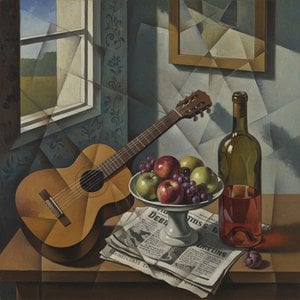
Deconstructing Reality: A Comprehensive Exploration of Cubist Still Life
Explore the revolutionary world of Cubist Still Life with ArtsDot. Discover Picasso & Braque's groundbreaking techniques, its philosophical roots, and lasting impact on modern art. Expert insights for collectors.