

 미리보기
미리보기
 공유하기
공유하기 공유하기
공유하기
 상세 정보
상세 정보 가이드 보기

 다운로드
다운로드
 유사 작품 더 보기
 X-레이
X-레이 슬라이드 쇼 보기
 질의응답
질의응답 통계 정보
통계 정보Landscape

- 22.0 x 29.0 cm


 더 보기
더 보기
지클레 / 아트 프린트
빠른 제작과 다양한 마감 옵션을 제공하는 박물관 수준의 지클레이 및 캔버스 프린트. ( 수작업 채색 복제본 주문하기 디지털 이미지로 전환)




































작품의 원본 비율을 그대로 유지하는 프리셋 사이즈 중에서 선택해 보세요.

액자나 벽면 크기에 맞춰 필요한 가로와 세로 길이를 입력해 주세요. 프린트는 원본 이미지보다 크게 제작할 수 없으며 오직 자르는 것만 가능하므로, 비율이 다른 사이즈를 선택할 경우 이미지의 일부가 잘려 나갈 수 있습니다. 인쇄 작업에 들어가기 전, 최종 확인을 위해 디지털 목업을 보내드립니다. 이 페이지에 표시된 이미지는 실제 잘리는 영역을 나타내지 않으며, 오직 목업을 통해서만 정확한 확인이 가능합니다.


 유리 옵션은 110cm 미만 크기에서만 선택 가능합니다.

Landscape
지클레 / 아트 프린트
복제본 크기
-


최종 결제 금액
₩ 84341
유사한 작품들


작가 정보
Frederick Golden Short: A Painter of the New Forest’s Soul
Frederick Golden Short (1863-1936) wasn't merely a painter; he was an observer, a chronicler of a vanishing world. Born in Lyndhurst, Hampshire, nestled within the heart of the New Forest National Park, his life and art were inextricably linked to this ancient landscape – a place that profoundly shaped his vision and became the enduring subject of his canvases. Short’s work transcends simple depiction; it's an attempt to capture the very essence of the forest, its light, its atmosphere, and the subtle shifts in color that define its moods. He wasn’t interested in grand vistas or dramatic events, but rather in the quiet beauty of everyday moments – a dappled sunbeam through the trees, the texture of moss-covered bark, the distant silhouette of hills against the horizon.
His early life instilled within him a deep appreciation for nature and a keen eye for detail. Growing up so intimately connected to the New Forest fostered an understanding of its rhythms and secrets that would inform his artistic practice throughout his career. This connection is evident in his meticulous observation, his ability to render textures with astonishing accuracy, and his preference for muted, earthy tones that evoke the forest’s atmosphere. Short's formal training included studies at the Royal Academy of Arts and the Royal Institute of Painters in Water Colours, providing him with a solid foundation in traditional techniques but never eclipsing his innate artistic sensibility.
The Language of Light and Texture
Short’s technique is characterized by a remarkable sensitivity to light and texture. He employed oil paints with a deliberate slowness, building up layers of color to create a sense of depth and luminosity. His brushstrokes are often loose and expressive, yet always controlled, conveying both the physicality of the landscape and its ethereal quality. He frequently worked *en plein air*, directly observing and painting from nature, which allowed him to capture the fleeting effects of light and shadow with unparalleled immediacy. A key element in his work is his masterful use of color – he rarely relied on bright, saturated hues, instead favoring a palette of browns, greens, greys, and ochres that perfectly mirrored the muted tones of the New Forest.
Consider “Autumn” (1898), a quintessential example of Short’s style. The painting isn't simply a representation of falling leaves; it’s an evocation of the season’s melancholy beauty, rendered through subtle shifts in color and texture. Similarly, "Landscape" (1912) captures the essence of a coastal harbor scene with a remarkable sense of atmosphere – the hazy light, the muted colors, and the suggestion of movement all contribute to its evocative power. His later works, such as “A Distant Forest Scene,” demonstrate an increasing focus on capturing the atmospheric perspective of the landscape, using color and value to create a sense of depth and distance.
Influences and Artistic Context
Short’s work is firmly rooted in the Pre-Raphaelite tradition, though he developed his own distinctive style. Like the Pre-Raphaelites, he was deeply influenced by Romanticism and sought to capture the beauty and sublimity of nature. However, unlike the more overtly emotional and symbolic works of the Pre-Raphaelites, Short’s paintings are characterized by a quiet restraint and an understated elegance. He shared with them a fascination for detail and a commitment to portraying the natural world with accuracy and sensitivity.
Furthermore, his work reflects the broader artistic trends of the late 19th and early 20th centuries – the rise of Impressionism and Post-Impressionism, which emphasized capturing fleeting moments of light and color. While Short never fully embraced these movements, he undoubtedly drew inspiration from them, incorporating elements of their techniques into his own practice. The influence of photography is also noticeable in his careful observation and attention to detail.
Legacy and Historical Significance
Frederick Golden Short’s paintings are more than just beautiful landscapes; they offer a valuable glimpse into the changing relationship between humans and nature. His work reminds us of the importance of preserving these wild spaces and appreciating their beauty. Short's dedication to capturing the essence of the New Forest has secured his place as one of the most important landscape painters of his time, and his paintings continue to resonate with viewers today.
His art is now held in collections across the United Kingdom, including Astley Hall Museum and Art Gallery, Southampton City Art Gallery, and Russell-Cotes Art Gallery & Museum. Short’s legacy extends beyond his artistic achievements; he was also a keen photographer, documenting the New Forest through a series of evocative images that further enhanced our understanding of this remarkable landscape. His work serves as a testament to the power of art to capture beauty, evoke emotion, and connect us to the natural world.

Frederick Golden Short
1863 - 1936
작가 정보 요약
- Artistic Movement Or Style: Landscape painting
- Artists Or Movements Influenced By This Artist: ['Impressionism']
- Artists Who Influenced This Artist: ['John Constable']
- Date Of Birth: 1863
- Date Of Death: 1936
- Full Name: Frederick Golden Short
- Nationality: British
- Notable Artworks:
- Autumn
- Landscape
- A Distant Forest Scene
- Place Of Birth: Lyndhurst, Hampshire
관련 콘텐츠

Impressionistic Landscapes: 10 Masterpieces That Changed Art & Decor
Journey into the heart of Impressionism! Explore 10 masterpieces by Monet, Renoir & Degas that revolutionized landscape art. Discover their stories, techniques & find museum-quality reproductions to elevate your home decor on ArtsDot.com.
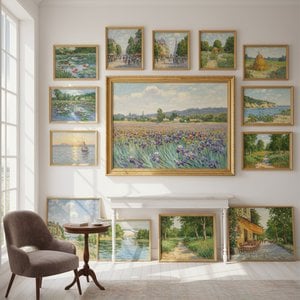
인상주의 풍경화의 황홀한 순간들: 10대 걸작에 담긴 예술혼
인상주의 풍경화의 정수를 담은 10대 걸작! 모네, 르누아르 등 거장의 작품 비하인드 스토리와 예술혼을 만나보세요. ArtsDot에서 고품격 미술 복제 및 인테리어 영감을 얻고, 당신의 공간에 예술적 감성을 더하세요. 지금 바로 ArtsDot.com에서 모든 걸작을 발견해보세요!

낭만 풍경화의 황홀! 예술사에 빛난 10대 걸작 탐구 | 와후아트
낭만주의 시대, 예술혼을 불태운 10대 풍경화 걸작! 터너부터 프리드리히까지, 시대를 초월하는 아름다움을 와후아트에서 만나보세요. 고흐의 색채와 코로의 섬세함이 당신의 공간에 영감을 더합니다. 지금 바로 와후아트에서 명품 미술 작품을 감상하고 구매하세요!

Beyond the Horizon: A Curated Guide to Integrating Post-Impressionist Landscapes into Modern Interiors
Transform your home with the emotive power of Post-Impressionist landscapes. Discover expert tips on selecting hand-painted oil reproductions to create a soulful, vibrant interior that reflects your unique style and connection to nature.

Evocations of Place: A Historical Journey Through Landscape Art
Explore the rich history of landscape art with ArtsDot. Discover renowned artists, movements like Impressionism & Romanticism, and expert guidance for collecting timeless pieces. Find your perfect serene escape today!