

 작품 구매하기
 공유하기
공유하기 공유하기
공유하기
 상세 정보
상세 정보

 다운로드
다운로드
 유사 작품
유사 작품 X-레이
X-레이 슬라이드 쇼
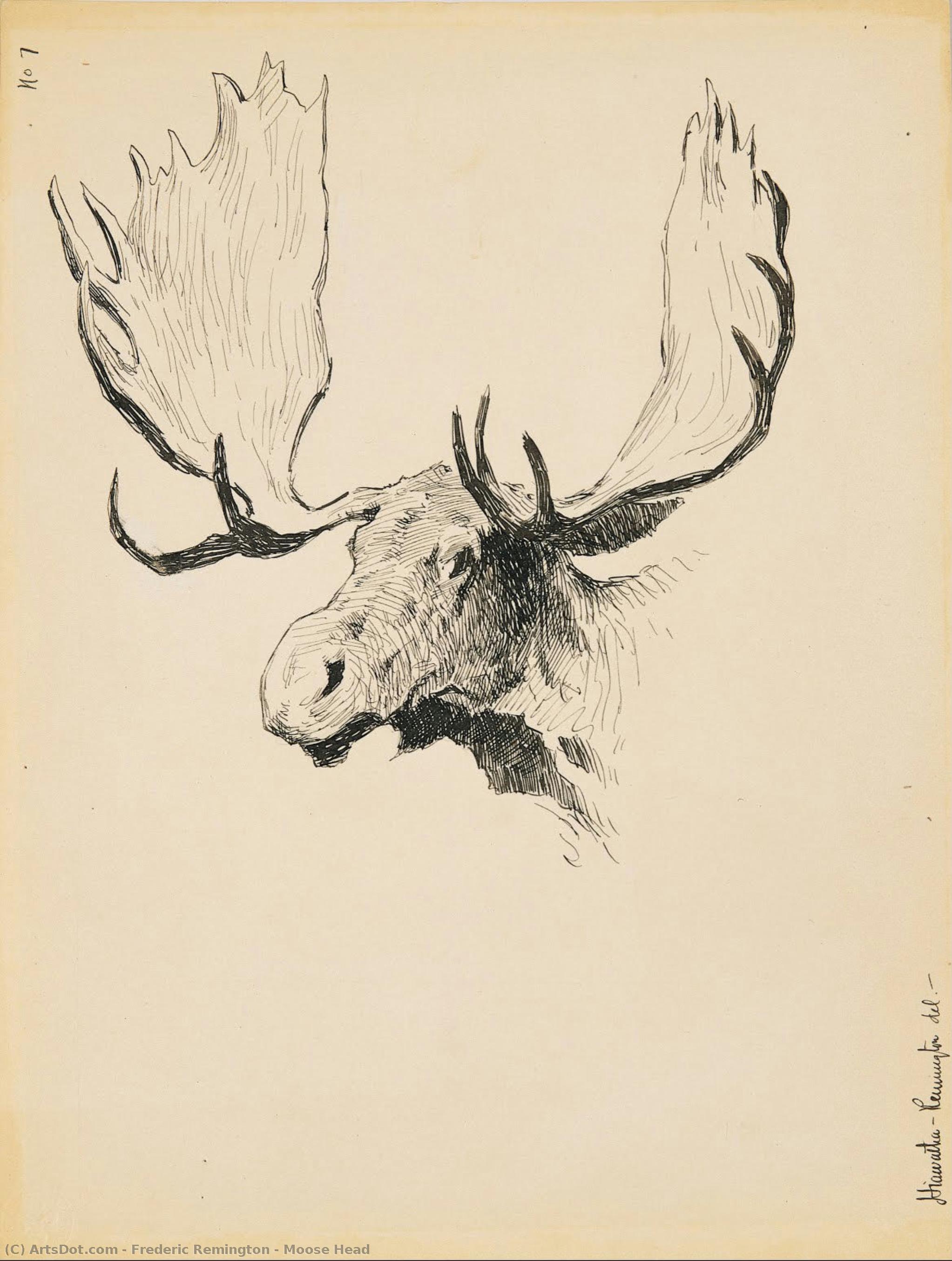
Moose Head


 더 보기
더 보기




P118B $10

P118H $10

P118W $10

P438Z $10

P508JH $12

P508YH $12

P805H $10

P805Z $10

P919BZ $10

P919G $10

P919XJ $10

P959ZH $10

P968JZ $12

W106C $8

W218G $10

W218JH $8

W218Y $10

W307PJ $10

W316G $10

W316PJ $8

W316Y $10

W398PJ $8

W4111J $10

W500HY $15

W500JH $15

W692G $12

W849H $8

W940BG $15

W953PJ $8




작품의 원본 비율을 유지하는 미리 설정된 크기 중에서 선택하세요.

특정 프레임이나 공간에 맞춰 직접 치수를 입력하실 수 있습니다. 선택하신 사이즈가 원본 이미지의 비율과 일치하지 않을 경우, 작품을 크롭(자르기)하거나 이미지를 대칭 또는 단색 채우기로 확장하여 제작합니다. 제작 시작 전, 최종 확인을 위해 디지털 목업이 전송됩니다.
화면상의 미리보기는 실제 크롭이나 확장 상태를 반영하지 않으므로, 최종 구도는 오직 목업을 통해서만 정확하게 확인하실 수 있습니다.
맞춤 사이즈 제작도 가능하지만, 원본 비율을 유지하기 위해서는 사전 정의된 목록에서 치수를 선택하시는 것을 권장합니다.


 유리 옵션은 110cm 미만 크기에서만 선택 가능합니다.

Moose Head
지클레 / 아트 프린트
복제본 크기
-


최종 결제 금액
-
작품 상세 설명
A Majestic Encounter: Frederic Remington’s “Moose Head”
Frederic Remington's "Moose Head," rendered in stark black ink on ivory paper in 1889, is more than just a depiction of an animal; it’s a profound meditation on the vastness and solitude of the American West. Commissioned for his illustrations in Longfellow’s epic poem “The Song of Hiawatha,” this seemingly simple drawing pulsates with a quiet intensity, capturing not merely the physical form of the moose but also its inherent dignity and the wild spirit of the landscape it inhabits.
Remington, born in Canton, New York, wasn’t initially destined for the frontier. His lineage traced back to French Basque settlers and his father was a prominent Civil War colonel and newspaper editor. Yet, a childhood spent absorbing tales of westward expansion ignited within him an enduring fascination with the vanishing West – a subject he would dedicate his life to portraying with remarkable accuracy and emotional depth. “Moose Head” exemplifies this commitment; it’s a meticulously observed study, reflecting Remington's deep understanding of animal anatomy and behavior, gleaned from countless hours spent observing wildlife in the American West.
The Language of Line: Technique and Style
Remington’s technique is characterized by bold, confident lines – a hallmark of his style. He eschews delicate shading or subtle gradations, instead relying on varying line weight and density to create form and texture. Notice how the thickest lines define the moose's powerful shoulders and antlers, while thinner, more hesitant strokes suggest the surrounding snow and the shadowed recesses of its head. This deliberate use of line isn’t merely representational; it imbues the image with a sense of immediacy and dynamism, as if the moose is poised to move at any moment.
The composition itself is deceptively simple. The moose stands in profile, facing slightly off-center, its gaze directed into the distance – an act of quiet contemplation that invites the viewer to share in its solitude. The background is deliberately vague, a wash of indistinct gray tones that emphasizes the animal’s isolation and reinforces the vastness of the wilderness.
Symbolism and the Spirit of the West
“Moose Head” transcends a simple portrait; it's rich with symbolic meaning. The moose itself represents resilience, strength, and an untamed spirit – qualities deeply associated with the American West. Its solitary stance speaks to the challenges and hardships faced by those who sought their fortunes in this rugged landscape. Furthermore, the image can be interpreted as a commentary on the relationship between humanity and nature—a reminder of our place within a world dominated by forces far greater than ourselves.
The choice of black ink on ivory paper further enhances the artwork’s impact. The stark contrast between the dark lines and the pale background creates a dramatic effect, drawing the viewer's eye directly to the moose. Ivory, historically associated with luxury and refinement, subtly elevates the image, suggesting that even in this depiction of wilderness, there is an inherent value and dignity.
A Legacy of Western Art
“Moose Head” stands as a pivotal work in Frederic Remington’s oeuvre and a cornerstone of American Western art. It exemplifies his ability to capture not just the physical appearance of the West but also its spirit—its beauty, its danger, and its profound sense of solitude. Today, reproductions of this iconic image continue to resonate with audiences worldwide, serving as a powerful reminder of the enduring allure and complex legacy of the vanishing frontier.
For collectors seeking a piece that embodies the romance and ruggedness of the American West, or for interior designers aiming to evoke a sense of expansive space and quiet contemplation, Frederic Remington’s “Moose Head” offers an unparalleled combination of artistic merit and historical significance. It's more than just a print; it’s a window into a bygone era—a testament to the enduring power of art to capture the essence of a nation.
유사한 작품들


작가 약력
서부의 연대기를 기록한 화가: 프레데릭 레밍턴의 삶과 예술
프레데릭 새크라이더 레밍턴은 1861년 10월 4일 뉴욕주 칸톤에서 태어났습니다. 그는 자신이 생생하게 묘사했던 야생 서부의 산물이라기보다는, 헌신적인 연구를 통해 예술적 정체성을 형성한 동부인이었습니다. 그의 가문은 먼 친척들이 유명한 레밍턴 무기 왕조와 연결되어 있었고, 아버지는 남북 전쟁 당시 대령이자 신문 편집장이었으며, 프랑스 바스크 혈통과 굳건한 공화당 뉴잉글랜드 뿌리를 가지고 있었습니다. 그러나 군사적 주제에 대한 초기 노출과 함께 불안정한 정신과 스토리텔링에 대한 날카로운 안목이 그를 미국 서부를 가장 잘 대표하는 예술가 중 한 명이 되는 길로 이끌었습니다. 그의 어린 시절은 일리노이주 블루밍턴으로 옮겨갔다가 다시 칸톤, 최종적으로 뉴욕주 오그덴스버그로 이어졌지만, 그의 상상력은 프론티어 생활에 대한 이야기로 가득 차 있었습니다. 처음에는 버몬트 에피스코팔 연구소에서 군사 교육을 받도록 권장되었지만, 레밍턴의 진정한 소명은 명령을 따르는 것이 아니라 주변 세계를 관찰하고 예술을 통해 해석하는 데 있었습니다. 예일 대학교에서의 짧은 기간 동안 축구와 스케치가 정규 학업보다 훨씬 더 매력적이라는 사실이 확인되었습니다.일러스트레이터에서 화가로: 예술적 비전의 형성
레밍턴의 예술 여정은 웅장한 캔버스가 아닌 잉크와 종이로 시작했습니다. *예일 코란트*에 실린 그의 첫 번째 출판물은 행동과 내러티브를 포착하는 데 대한 초기 재능을 보여주었습니다. 1881년 몬태나로의 중요한 여행은 평생 동안 서부에 대한 집착을 불러일으켰습니다. 이것은 단순한 관광객의 시선이 아니었습니다. 레밍턴은 카우보이, 원주민 아메리카인, 그리고 그 자체로 풍경에 몰입하려고 노력했습니다. 그는 처음에는 목장 운영과 광업 사업을 시도했지만 성공하지 못했고, 예술에 전념할 수 있게 되었습니다. 동부로 돌아온 그는 *하퍼스 위클리*와 *콜리어스*와 같은 잡지의 일러스트레이터로서 빠르게 자리를 잡았고, 프론티어의 이야기를 갈망하는 전국적인 청중을 사로잡는 역동적인 서부 장면을 묘사했습니다. 이러한 삽화는 단순한 보고가 아니었습니다. 그것들은 드라마, 에너지, 그리고 대중의 상상력에 깊이 공감을 불러일으킨 서부에 대한 로맨틱한 비전으로 가득 차 있었습니다. 이 작업을 통해 레밍턴은 구성 기술을 연마하고, 움직임을 포착하고, 감정을 전달하는 능력을 키웠습니다—나중에 그의 그림을 정의할 자질입니다. 그는 예일 대학교에서 받은 몇 가지 드로잉 수업과 아트 스튜던트 리그에서의 짧은 기간 외에는 정규적인 훈련을 거의 받지 못했으며, 대신 에너지 넘치는 브러시워크, 대담한 색상, 그리고 극적인 감각이 혼합된 사실주의를 특징으로 하는 독특한 스타일을 개발했습니다.사라져가는 세계를 포착하다: 주제와 스타일
레밍턴의 예술은 미국 역사의 특정 순간—구 서부 시대의 황혼과 불가피하게 연결되어 있습니다. 그의 캔버스는 거친 카우보이가 가축을 몰고, 고립된 원주민 아메리카인이 강제 이주에 직면하고, 영웅적인 전투와 비극적인 갈등에 참여하는 미국 기병이 등장합니다. 그는 프론티어 생활의 가혹한 현실을 묘사하는 것을 피하지 않았지만, 그의 작품은 종종 용기, 모험, 그리고 문화 충돌을 강조하면서 로맨틱한 묘향을 띠는 경향이 있습니다. 그의 그림은 단순한 역사적 문서가 아닙니다. 그것들은 영웅주의, 상실, 그리고 불가피한 진보라는 주제를 탐구하는 감동적인 내러티브입니다. 레밍턴의 스타일은 시간이 지남에 따라 더욱 엄격하고 학문적인 렌더링에서 더 느슨하고 표현력이 풍부한 브러시워크로 발전했습니다. 그는 평원을 질주하는 말, 소를 몰아가는 카우보이, 전투에 돌진하는 병사들의 움직임을 포착하는 데 능숙했습니다. 그는 종종 빠른 스케치와 사진을 참고 자료로 사용했지만, 그의 예술은 항상 그의 독특한 비전과 감정적 강렬함으로 가득 차 있었습니다. *My Ranch*, *Waiting in the Moonlight*, *Ridden Down* (1905), 그리고 *The Long-Horn Cattle Sign* (1908)와 같은 주목할 만한 작품은 서부의 웅장함과 취약성을 모두 포착하는 그의 능력을 보여줍니다.유산과 지속적인 영향
프레데릭 레밍턴은 1909년 48세의 나이로 예기치 않게 세상을 떠났지만, 오늘날에도 청중을 사로잡는 방대한 작품을 남겼습니다. 서부 예술에 대한 그의 영향은 부인할 수 없습니다. 그는 단순히 서부를 묘사한 것이 아니라 여러 세대의 미국인을 위해 그것을 *정의*하는 데 도움을 주었습니다. 그는 카우보이, 인디언, 기병의 시각적 언어를 확립하여 대중 문화에 깊이 뿌리내린 상징이 되었습니다.- 그의 작품은 N.C. 와이어스와 제인 그레이를 포함한 수많은 다른 예술가들에게 영감을 주었습니다.
- 뉴욕주 오그덴스버그에 있는 프레데릭 레밍턴 미술관은 그의 지속적인 유산을 증명하며, 그림, 조각, 보존 자료의 광범위한 컬렉션을 보존하고 있습니다.
- 그의 예술은 메트로폴리탄 미술관과 아몬 카터 미국 미술관을 포함하여 전국 주요 박물관에서 계속 전시되고 있습니다.

프레데릭 레밍턴
1861 - 1909 , 미국
주요 정보
- Artistic Movement Or Style: 서부 미국 미술
- Artists Or Movements Influenced By This Artist:
- N.C. 와이쓰
- 제인 그레이
- Date Of Birth: 1861년 10월 4일
- Date Of Death: 1909년 12월 26일
- Full Name: 프레데릭 새크라이더 레밍턴
- Nationality: 미국인
- Notable Artworks:
- My Ranch
- Waiting in the Moonlight
- Ridden Down (1905)
- The Long-Horn Cattle Sign
- Place Of Birth (City And Country): 미국 뉴욕주 칸톤
관련 기사 더 보기

뉴욕 메트로폴리탄 미술관 최고 걸작 25선: 예술의 정수를 만나다 | ArtsDot
뉴욕 메트로폴리탄 미술관 최고 걸작 25선을 만나보세요. 반 고흐, 모네 등 거장들의 숨겨진 이야기와 예술의 정수를 감상하세요. 홈 데코를 위한 명화 복제 작품은 ArtsDot에서! 지금 바로 컬렉션을 탐험하세요.

디트로이트 미술관 최고 명작 25선: 예술의 감동과 인테리어 영감
디트로이트 미술관 최고 명작 25선을 만나보세요. 반 고흐, 모네 등 거장들의 숨겨진 이야기와 예술의 감동을 느껴보세요. ArtsDot.com에서 박물관 품질의 작품 복제 및 인테리어 영감을 얻으세요! 지금 바로 컬렉션을 탐험하세요.

제임스 애벗 맥닐 휘슬러 최고 걸작 25선: 예술의 정수, 공간에 스며드는 아름다움
제임스 애벗 맥닐 휘슬러의 최고 걸작 25선을 만나보세요. 야간 풍경부터 아랑미술관 소장품까지, 예술가의 삶과 작품 세계를 탐험합니다. 색채와 분위기가 완벽한 조화를 이루는 그림들을 ArtsDot.com에서 감상하고 특별한 공간을 완성하세요.

로이 리히텐슈타인 최고 걸작 25선: 팝 아트 거장의 시대를 초월한 예술 세계 | ArtsDot
로이 리히텐슈타인의 최고 걸작 25선을 만나보세요. 팝 아트 거장의 대담한 색채와 독창적인 점묘법이 담긴 시대를 초월하는 예술 세계를 탐험하고, ArtsDot에서 고품질 미술 작품을 소장하세요. 지금 바로 컬렉션을 확인하세요!
워싱턴 내셔널 갤러리 명작 25선: 예술의 정수를 담은 컬렉션 | ArtsDot
워싱턴 내셔널 갤러리의 숨겨진 명작 25점을 만나보세요. 모네, 세잔, 피카소 등 거장들의 예술 세계와 감동적인 스토리를 ArtsDot에서 경험하세요. 고품질 아트 프린트 & 인테리어 디자인 영감을 얻고, 당신의 공간에 예술을 더하세요! 지금 바로 ArtsDot.com에서 컬렉션을 탐험하세요.

