

 미리보기
미리보기
 공유하기
공유하기 공유하기
공유하기
 상세 정보
상세 정보 가이드 보기

 다운로드
다운로드
 유사 작품 더 보기
 X-레이
X-레이 슬라이드 쇼 보기
 질의응답
질의응답 통계 정보
통계 정보Two Horses, Red and Blue

- 44.0 x 38.0 cm


 더 보기
더 보기
지클레 / 아트 프린트
빠른 제작과 다양한 마감 옵션을 제공하는 박물관 수준의 지클레이 및 캔버스 프린트. ( 수작업 채색 복제본 주문하기 디지털 이미지로 전환)




P118B ₩10

P118H ₩10

P118W ₩10

P438Z ₩10

P508JH ₩12

P508YH ₩12

P805H ₩10

P805Z ₩10

P919BZ ₩10

P919G ₩10

P919XJ ₩10

P959ZH ₩10

P968JZ ₩12

W106C ₩8

W218G ₩10

W218JH ₩8

W218Y ₩10

W307PJ ₩10

W316G ₩10

W316PJ ₩8

W316Y ₩10

W398PJ ₩8

W4111J ₩10

W500HY ₩15

W500JH ₩15

W692G ₩12

W849H ₩8

W940BG ₩15

W953PJ ₩8




작품의 원본 비율을 그대로 유지하는 프리셋 사이즈 중에서 선택해 보세요.

액자나 벽면 크기에 맞춰 필요한 가로와 세로 길이를 입력해 주세요. 프린트는 원본 이미지보다 크게 제작할 수 없으며 오직 자르는 것만 가능하므로, 비율이 다른 사이즈를 선택할 경우 이미지의 일부가 잘려 나갈 수 있습니다. 인쇄 작업에 들어가기 전, 최종 확인을 위해 디지털 목업을 보내드립니다. 이 페이지에 표시된 이미지는 실제 잘리는 영역을 나타내지 않으며, 오직 목업을 통해서만 정확한 확인이 가능합니다.


 유리 옵션은 110cm 미만 크기에서만 선택 가능합니다.

Two Horses, Red and Blue
지클레 / 아트 프린트
복제본 크기
-


최종 결제 금액
₩ 84091
Two Horses, Red and Blue: A Symphony of Color and Spirit
Franz Marc’s ‘Two Horses, Red and Blue’, painted in 1912 during the zenith of German Expressionism, transcends mere visual representation; it embodies a profound exploration of primal emotion and spiritual contemplation. This artwork stands as a cornerstone of Der Blaue Reiter’s artistic vision—a movement dedicated to capturing the essence of nature through intensely pigmented hues and abstracted forms—and continues to resonate with audiences today.
The Expressionist Vision: Embracing Emotion Through Form
Marc, alongside Wassily Kandinsky and Gabriele Münter, spearheaded Der Blaue Reiter’s quest for artistic authenticity. Rejecting academic conventions, they sought to express inner feelings directly onto the canvas, prioritizing intuition over meticulous observation. ‘Two Horses, Red and Blue’ exemplifies this ethos perfectly—the figures are rendered in a Cubist style, albeit one infused with Expressionist fervor. Instead of striving for realistic depiction, Marc fragmented the horses into geometric planes, layering shapes that overlap and intersect to create a dynamic visual rhythm.
A Palette Rooted in Symbolism: Red and Blue as Elemental Forces
The painting’s color palette is deliberately arresting—dominantly crimson red and sapphire blue. These hues weren't chosen arbitrarily; Marc imbued them with symbolic significance, reflecting his belief that colors possessed inherent spiritual qualities. Red traditionally represents masculinity, passion, and vitality – mirroring the strength and energy of the horses themselves. Simultaneously, blue symbolizes femininity, serenity, and contemplation, subtly hinting at the moon and star backdrop— celestial bodies associated with feminine intuition and divine grace.
Compositional Harmony: Connecting Humanity to Nature’s Rhythm
The arrangement of elements contributes significantly to the artwork's emotive impact. The two horses are positioned centrally against a luminous expanse of blue, creating a visual anchor that draws the eye inward. Above them floats a crescent moon and a solitary star—symbols of illumination and transcendence—further emphasizing the painting’s spiritual dimension. A human figure stands on the right side of the canvas, seemingly observing the horses with quiet reverence. This juxtaposition underscores Marc's fascination with the relationship between humankind and the natural world, portraying it as one of harmonious interdependence.
Influence and Legacy: Shaping Modern Art’s Expression
'Two Horses, Red and Blue' owes considerable debt to Fauvist experimentation—particularly in its bold use of color—and Cubist principles concerning geometric abstraction. Marc’s stylistic evolution mirrored the broader trajectory of Expressionism itself, moving from landscapes imbued with lyrical emotion to increasingly stylized representations of animal subjects. Franz Marc Museum in Kochel am See showcases this masterpiece and celebrates Marc's enduring contribution to artistic innovation. Its legacy continues to inspire artists striving for genuine emotional expression and visual poetry.
질의응답
프란츠 마르크의 "Two Horses, Red and Blue"은 미술사에서 어떤 위치를 차지하나요?
프란츠 마르크의 "Two Horses, Red and Blue"은(는) Modern 시대의 Cubism 사조에 속하며, 이러한 요소들이 어우러져 미술사에서 이 작품이 갖는 위상을 완성합니다.
1912년에 제작된 "Two Horses, Red and Blue"은(는) 프란츠 마르크의 커리어 중 어느 시기에 해당하나요?
1912년에 제작된 "Two Horses, Red and Blue"은(는) 프란츠 마르크의 Mature Period 시기에 해당합니다.
프란츠 마르크의 "Two Horses, Red and Blue"은(는) Cubism 내에서 어떤 분위기를 자아내나요?
Cubism 사조 안에서, "Two Horses, Red and Blue"은(는) Spiritual한 어조로 기록되어 있습니다.
유사한 작품들


작가 정보
유년 시절, 가족 그리고 예술적 훈련
프란츠 마크는 독일 뮌헨의 한 가정에서 태어났으며, 그곳은 이미 풍경화라는 시각적 언어가 깊이 뿌리 내린 환경이었습니다. 그의 아버지 빌헬름 마크는 전문 풍경 화가로 활동하며 아들에게 예술의 메커니즘을 직접, 때로는 아주 자연스럽게 접할 수 있는 기회를 제공했습니다. 이러한 가족적 배경 덕분에 예술적 도구들은 그의 삶에 처음부터 늘 곁에 있었지만, 마크의 예술적 여정이 단순히 가업을 이어받아 캔버스로 향하는 직선적인 과정은 아니었습니다. 그는 화가의 삶에 완전히 헌신하기 전, 신학에 몰두하며 영적인 탐구의 시간을 보냈는데, 이 시기의 정신적 고뇌는 훗날 그의 시각적 작업물에 담긴 강렬한 에너지의 근원이 되었습니다. 성스러움과 물질성 사이에서 겪었던 이 팽팽한 긴장감은 그의 후기 작품들에 특유의 묵직한 무게감을 부여하는 핵심 요소가 되었습니다.
그의 본격적인 예술 교육은 1900년 뮌헨 루드비히 맥시밀리언 대학교의 예술 프로그램에 입학하며 시작되었습니다. 이러한 학문적 토대는 단순한 형식을 갖추기 위한 절차가 아니었습니다. 그것은 훗날 그가 전통적인 재현 방식을 과감히 해체하는 데 필요한 기술적 엄격함을 제공하는 밑거름이 되었습니다. 뮌헨 대학교에서의 과정을 마친 그는 뮌헨 미술 아카데미로 진학했습니다. 이러한 체계적인 학습 과정은 그를 일반적인 학문적 원리로부터 점차 분리시켜, 그가 훗날 이끌게 될 급진적인 예술적 변화에 필수적인 전문적이고도 강렬한 집중력으로 인도했습니다. 그는 단순히 우연히 타고난 재능의 산물이 아니라, 뮌헨의 정통 예술 전통 속에서 의도적이고 구조적인 몰입을 통해 빚어진 예술가였습니다.
예술적 발전과 영향
프란츠 마크의 초기 작품들은 아카데믹한 회화와 인상주의의 묵직한 영향력을 고스란히 반영하고 있습니다. 이러한 전통적인 토대는 그가 훗날 해체해 나갈 기술적 구조를 형성하는 밑거름이 되었습니다. 특히 1903년과 1907년, 프랑스 파리를 방문했던 경험은 그의 예술적 여정에서 중대한 전환점이 되었습니다. 바로 이곳 파리에서 그는 빈센트 반 고흐의 작품을 마주하게 됩니다. 이 만남은 그가 익혀온 엄격한 예술적 규율에 대한 필연적인 대안을 제시해 주었으며, 색채를 단순한 묘사의 수단이 아닌 감정을 직접적으로 분출하는 도구로 사용할 수 있는 길을 열어주었습니다.
추상을 향한 그의 움직임은 어느 날 갑자기 일어난 도약이 아니라, 20세기 초 급변하던 시각 언어에 대한 치밀한 응답이었습니다. 로베르 들로네가 보여준 추상적 형태와 강렬한 색채의 탐구는 프란츠 마크가 지향한 단순화 작업의 청사진이 되어주었습니다. 그는 풍경을 있는 그대로 재현하는 방식에서 벗어나, 대상의 본질적인 형태만을 남기고 모든 것을 덜어내는 길을 택했습니다. 이러한 과정을 통해 그는 자연 세계의 표면을 넘어, 더욱 주관적이고 강렬한 에너지가 응축된 표현의 영역으로 나아갈 수 있었습니다.
블루 라이더와 표현주의
단순한 재현을 넘어 영적인 진실을 탐구하기 시작한 변화는 프란츠 마크가 현대 미술에 남긴 가장 중대한 유산입니다. 자신만의 예술적 흐름을 확립하기 전, 그는 '뮌헨 신예 예술가 협회(Neue Künstlervereinigung München)'에서 다양한 실험을 거쳤습니다. 이러한 시행착오는 당시 예술계를 지배하던 학구적인 제약에서 벗어나기 위해 반드시 거쳐야 했던 과정이었습니다. 마침내 1911년, 프란츠 마크는 바실리 칸딘스키와 함께 블루 라이더(Der Blaue Reiter)를 공동 창립했습니다. 이는 단순한 친목 도모를 위한 모임이 아닌, 기존의 질서에 대한 급진적인 도전이었습니다. 이들은 블루 라이더 잡지를 통해 추상과 상징적 색채를 활용하여 내면의 영적 실재를 표현한다는 명확한 예술적 의지를 전파했습니다. 그들은 물리적 세계의 표면을 넘어, 사물의 본질에 닿고자 했습니다.
이러한 움직임은 산업화로 인해 회색빛으로 변해가는 20세기 초의 현실에 대한 직접적인 저항이었습니다. 프란츠 마크와 동료들은 단순히 눈에 보이는 것을 그리는 것이 아니라, 영혼을 전달할 수 있는 시각적 언어를 갈구했습니다. 그들은 색채가 하나의 영적인 주파수로서 기능하는 스타일을 지향했습니다. 이는 대상을 있는 그대로 묘사하는 것이 아니라, 대상이 지닌 내면의 정수를 포착하는 작업이었습니다. 예술의 초점은 외부의 풍경에서 삶에 대한 리드미컬하고 상징적인 해석으로 옮겨갔으며, 이 시기는 독일 표현주의가 가장 강력하고 비재현적인 목소리를 찾아낸 결정적인 순간이 되었습니다.
기법과 상징적 스타일
프란츠 마크의 시각적 언어는 묘사적 정확성을 거부하는, 엄격하고도 의도적인 색채 상징 체계에 기반을 두고 있습니다. 그는 자연계를 모방하기 위해 색조를 사용한 것이 아니라, 영적인 위계를 그려내기 위해 색을 선택했습니다. 그의 팔레트에서 파란색은 남성성과 영성을 상징하며, 노란색은 여성성과 기쁨을 의미합니다. 반면 빨간색은 물질성과 폭력성을 구현합니다. 이는 단순히 미적인 선택이 아니었습니다. 외부의 안료를 통해 내면의 진실을 전달하려는 구조적인 시도였습니다. 그는 사실적인 묘사를 걷어냄으로써, 관람객이 색채 그 자체가 지닌 감정적 무게에 직면하도록 강제했습니다.
그의 기법은 형태의 급진적인 단순화를 향해 나아갔습니다. 복잡한 생물학적 구조를 본질적이고 리드미컬한 형상으로 축소시킨 것입니다. 이러한 환원주의적 접근은 대담하고 비자연적인 색채와 결합하여, 대상과 주변 환경 사이에 팽팽한 긴장감을 만들어냈습니다. 그는 짧고 의도적인 붓터치와 임파스토 기법을 사용하여 질감을 쌓아 올렸으며, 이는 대상의 추상성과 대조되는 물리적 존재감을 구상에 부여했습니다. 그 결과, 동물은 더 이상 살과 피로 이루어진 생명체가 아니라, 특정한 암호화된 에너지를 담아내는 그릇으로서 존재하게 되었습니다.
주요 작품과 예술적 주제
프란츠 마크의 예술적 정수는 동물 세계를 향한 깊은 탐구에 맞닿아 있습니다. 그는 정적인 풍경화의 틀에서 벗어나 말, 사슴, 여우와 같은 생명체들에 온 신경을 집중했습니다. 그에게 있어 동물은 단순한 생물학적 관찰의 대상이 아니라, 영적인 에너지를 담아내는 신성한 그릇이었습니다. 1911년 탄생한 푸른 말 (The Large Blue Horses)은 비자연적인 색채를 통해 자신의 예술적 선호를 확고히 보여준 기념비적인 작품입니다. 이어 1912년에 이르러 그의 화면 구성은 더욱 역동적이고 구조적으로 변모하였는데, 이는 호랑이 (Tiger)와 붉은 사슴 (Red Deer)에서 극명하게 드러납니다. 이러한 작품들은 단순화되고 리드미컬한 형태를 통해 대상이 지닌 본연의 본질을 포착하려는 예술적 전환을 여실히 보여줍니다.
그의 화풍이 진화함에 따라 예술적 궤적은 추상을 향해 명확하게 나아갔습니다. 1913년 작인 여우 (The Foxes)는 프랑스 입체주의의 영향을 받아 결정체와 같은 구성을 통해 형태를 해체하는 시도를 보여줍니다. 이러한 접근 방식은 1913년 작 세계의 소 (The World-Cow)에서 정점에 달하며, 여기서 대상은 우주적 존재를 상징하는 형상으로 승화됩니다. 프란츠 마크의 예술 세계를 지탱하는 것은 정교한 색채 논리입니다. 파란색은 남성성과 영성을, 노란색은 여성성과 기쁨을, 그리고 빨간색은 폭력성과 물질성을 상징합니다. 이 독창적인 체계는 동물의 초상화를 단순한 재현을 넘어 하나의 철학적 선언으로 탈바꿈시켰습니다.
- 푸른 말 (The Large Blue Horses) (1911)
- 호랑이 (Tiger) (1912)
- 붉은 사슴 (Red Deer) (1912)
- 여우 (The Foxes) (1913)
- 세계의 소 (The World-Cow) (1913)
말년과 죽음
프란츠 마크의 예술적 여정은 1914년 제1차 세계대전의 발발과 함께 갑작스럽게 단절되었습니다. 예술가로서의 삶을 살아가던 그는 전쟁의 소용돌이 속에서 독일군 기병으로 징집되는 운명을 맞이했습니다. 이 비극적인 갈등은 그가 평생을 바쳐 추구해 온 영적 추상화의 세계를 참혹한 군 복무의 현실로 강제로 돌려놓았습니다. 전쟁의 혼돈 속에서도 그는 붓을 놓지 않았으며, 주변 세계가 산산조각 나가는 와중에도 예술을 통해 삶의 의미를 찾고자 끊임없이 시도했습니다.
그의 삶은 1916년 3월 4일, 베르됭 전투에서 막을 내렸습니다. 전쟁이 시작된 지 불과 2년 만에 찾아온 이 죽음은 포탄 파편에 의한 것이었으며, 순수함을 향한 탐구로 점철되었던 그의 예술적 생애를 비극적으로 끊어놓았습니다. 베르됭에서 맞이한 이 갑작스러운 죽음은 독일 표현주의의 발전 과정에 커다란 공백을 남겼으며, 그가 더욱 급진적인 추상화의 정점에 도달하기 직전에 그 예술적 흐름을 멈춰 세우고 말았습니다.
유산과 영향력
프란츠 마크는 독일 표현주의 역사에서 여전히 중심적인 인물로 남아 있습니다. 그의 영향력은 색채와 형태에 대한 그의 접근 방식이 현대 미술의 초점을 외부의 관찰에서 내면의 영적 진실로 어떻게 전환시켰는지를 통해 증명됩니다. 비록 그의 예술적 여정은 비극적으로 단절되었으나, 전 세계 주요 미술관에 그의 작품들이 지속적으로 전시됨으로써 그 영향력은 오늘날까지도 살아 숨 쉬고 있습니다. 동물의 본질을 상징적이고 비사실적인 형태로 정제해낸 그의 능력은 20세기 초 회화의 궤적을 완전히 바꾸어 놓았습니다.
1930년대의 정치적 격변기는 이러한 예술적 공헌을 지워버리려 시도했습니다. 나치 정권은 모더니즘을 탄압하기 위한 광범위한 노력의 일환으로 프란츠 마크를 '퇴폐 예술가'로 낙인찍었습니다. 이러한 체계적인 탄압에도 불구하고, 그의 작품 대부분은 제2차 세계대전의 파괴를 견뎌내고 살아남았습니다. 이러한 생존 덕분에 그의 시각적 언어는 현대 관객들에게 여전히 깊은 울림을 주고 있습니다. 그의 작품이 끊임없이 공명을 일으키는 이유는, 사실적인 재현이라는 제약을 벗어나 자연 세계에 대해 직접적이고 감정적인 응답을 제시하기 때문입니다.
- 여우 (1913)
- 세계의 소 (1913)
- 붉은 사슴 (1912)
오늘날 그의 작품을 만날 수 있는 곳
프란츠 마크가 꿈꾸었던 예술적 비전의 실체를 마주하기 위해서는 20세기의 격동 속에서도 그의 유산을 소중히 보존해 온 특정 미술관들을 찾아가야 합니다. 독일 코헬 암 제에 위치한 프란츠 마크 미술관은 그의 작품 150여 점을 소장하며 그의 예술적 발자취를 따라갈 수 있는 가장 핵심적인 장소로 기능하고 있습니다. 이곳의 컬렉션은 바이에른의 자연 풍경 속에서 예술가가 어떻게 성장해 나갔는지를 생생하게 보여줍니다. 또한 뮌헨의 렌바흐하우스는 방대한 컬렉션을 통해 그가 독일 표현주의에 기여한 바를 집중적으로 조명하며, 뮌헨의 국립 현대 미술관 역시 중요한 작품들을 보유함으로써 그의 예술적 존재감이 도시의 미술사 중심에 머물 수 있도록 하고 있습니다.
그의 예술적 영향력은 독일의 국경을 넘어 세계 곳곳으로 뻗어 있으며, 유수의 국제적인 미술관들이 그의 캔버스를 소장하고 있습니다. 미국의 시카고 미술관에는 마법에 걸린 방앗간이 전시되어 있습니다. 이처럼 전 세계에 흩어져 있는 그의 작품들은 현대 추상 미술에 미친 그의 영향력을 전 지구적인 관점에서 이해할 수 있게 해줍니다. 디지털 복제본으로는 결코 담아낼 수 없는 붓터치의 실제 질감과 색채가 지닌 특유의 강렬한 에너지를 느끼기 위해서는, 반드시 작품을 직접 마주하는 경험이 필요합니다.
- 마법에 걸린 방앗간 (1913)
- 푸른 말들의 탑 (1913)
- 붉은 사슴 II (1912)
- 호랑이 (1912)

프란츠 마르크
1880 - 1916 , 독일
작가 정보 요약
- Artistic Movement Or Style: 독일 표현주의
- Artists Or Movements Influenced By This Artist: ['독일 표현주의']
- Artists Who Influenced This Artist:
- 빈센트 반 고흐
- 로베르 들로네
- Date Of Birth: 1880
- Date Of Death: 1916
- Full Name: 프란츠 모리츠 빌헬름 마크
- Nationality: 독일
- Notable Artworks:
- 청색 말들
- 호랑이
- 붉은 사슴 II
- 세계의 암소
- Place Of Birth: 독일 뮌헨
관련 콘텐츠

Franz Marc: Expressionism, Spirituality & the Animal Symbolism of a Modern Master
Explore the profound world of Franz Marc's Expressionist paintings. Discover his spiritual connection to animals, innovative use of color, and lasting impact on modern art history. Learn more at ArtsDot.

The Noble Steed on Canvas: A Historical & Artistic Exploration of Horse Painting Across Cultures
Explore the rich history of horse painting! Discover masterpieces from Stubbs to Munnings & learn about symbolism, techniques & artists. Find museum-quality reproductions at ArtsDot.
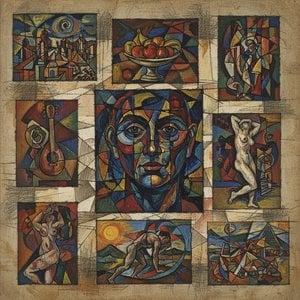
Cubist Expressionism's 10 Defining Masterpieces | Art for Your Home
Explore 10 defining Cubist Expressionism masterpieces by Picasso, Braque & more. Discover the stories behind these bold, geometric paintings and bring museum-quality art to your home with ArtsDot.com. Explore the full collection online.

25 Masterpieces by Franz Marc: The Soul of German Expressionism
Immerse yourself in the vibrant world of Franz Marc. Explore 25 iconic German Expressionist masterpieces, from symbolic blue horses to spiritual landscapes. Find inspiration for museum-quality art reproductions and decor. Discover all masterpieces on ArtsDot.com.

German Expressionism's 10 Defining Masterpieces | Art for Your Home
Explore 10 defining German Expressionism masterpieces – from Munch's 'The Scream' to Kandinsky’s abstracts. Discover the artists, stories & bold colors behind this powerful art movement. Find museum-quality reproductions at ArtsDot.com.


